When Sandhill Crane Season Opens
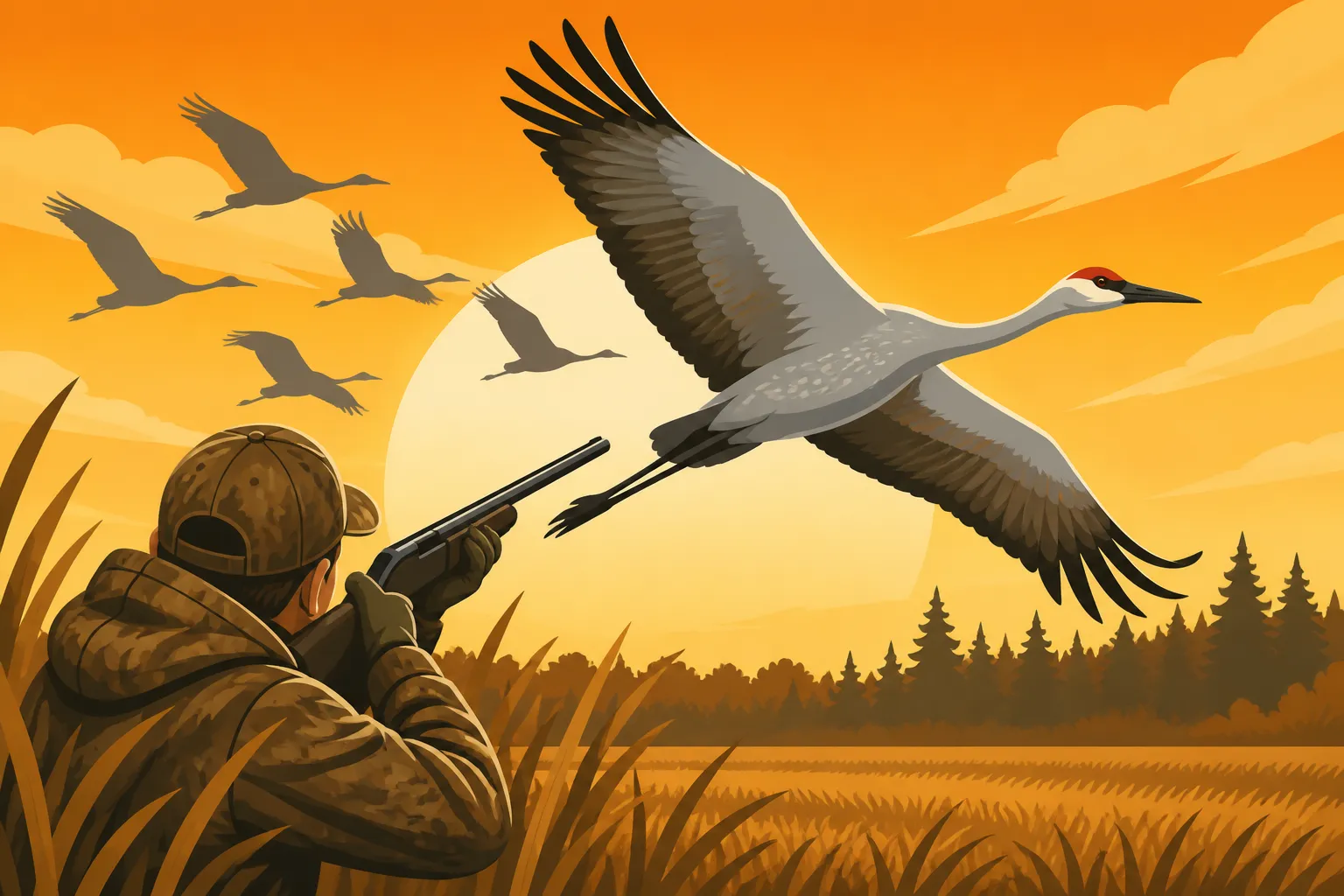
It’s a common frustration for many hunters to keep track of all the different opening dates, especially when you start looking at migratory birds like Sandhill Cranes. They’re not always the same as ducks or geese, and figuring out the exact start of the season can feel like a puzzle. This guide aims to take the guesswork out of it, detailing precisely when Sandhill Crane season opens in Manitoba, what permits you’ll need beyond your basic hunting license, and how to get ready for a successful and legal hunt.
Understanding Manitoba's Sandhill Crane Seasons
Manitoba's approach to hunting migratory birds, including the majestic Sandhill Crane, is quite specific, taking into account their unique migration patterns and provincial management strategies. This means that unlike some more straightforward seasons, you'll need to pay close attention to zone-specific dates to ensure you’re hunting legally and at the right time.
Key Opening Dates by Zone
Generally speaking, Sandhill Crane season in Manitoba kicks off in the first week of September. This timing is critical because it aligns with when these magnificent birds begin to stage in significant numbers across Manitoba's agricultural landscapes before their long journey south. However, it's not a uniform September 1st across the entire province. Manitoba divides its hunting areas into distinct zones, and these zones can have slightly different opening dates, though they often converge around that early September window.
For example, in the Eastern Game Bird Hunting Zone, which covers a vast area from the Interlake region eastward, the season typically opens on September 1st or the first Monday of September. If your hunting plans take you to the Western Game Bird Hunting Zone, closer to the Saskatchewan border and encompassing areas like the Parkland and the southwest, you’ll find a similar opening, usually aligning with the first Monday in September. These dates are carefully chosen to offer prime hunting opportunities when the cranes are most abundant. It’s absolutely essential to consult the most current official Manitoba Hunting Guide or reliable online platforms like GoHunt for the exact dates each year, as they can have minor adjustments. These resources are your best friends for staying compliant and informed.
The zoning system isn't just bureaucratic; it's a practical approach to managing wildlife. Sandhill Cranes, known for their habit of gathering in specific agricultural fields, provide excellent hunting experiences when these zones open. Knowing your specific Game Hunting Area (GHA) and its corresponding zone is the foundational step. You can usually find detailed maps and zone descriptions in the annual hunting guide or through online mapping tools, helping you understand where you're permitted to hunt and when.
| Game Bird Hunting Zone | Typical Opening Date (Annual Variation Possible) | Typical Closing Date (Annual Variation Possible) |
|---|---|---|
| Eastern Game Bird Hunting Zone | September 1st or First Monday in September | Mid-November |
| Western Game Bird Hunting Zone | September 1st or First Monday in September | Mid-November |
| Northern Game Bird Hunting Zone | September 1st or First Monday in September | Mid-October (Earlier Close) |
Note: These dates represent typical season structures and are subject to change annually. Always verify with the current year's official regulations.
Why Specific Dates Matter for Cranes
The precise timing of the Sandhill Crane season is a deliberate decision, balancing the objectives of conservation, providing ample opportunity for hunters, and even considering agricultural impacts. Sandhill Cranes are entirely migratory, meaning their presence in Manitoba is transient. Opening the season too early could potentially disturb nesting birds or those that haven't fully matured, which is counterproductive to healthy population management. Conversely, waiting too long means missing the peak of their migration through the province, as the majority of birds would have already moved on to warmer climates. For a deeper dive into their seasonal movements, you might find Manitoba's Sandhill Cranes and Their Migration insightful.
Furthermore, Sandhill Cranes have a strong affinity for agricultural fields, especially after harvest, where they feed on leftover grains like barley, wheat, and corn. The early September opening often coincides perfectly with these post-harvest periods, drawing large numbers of cranes to predictable feeding grounds. This concentration creates excellent hunting conditions and, to a lesser extent, can help mitigate potential crop damage from vast flocks, although this is more pronounced with species like Canada Geese. The regulations are carefully crafted to provide a sustainable window for hunters to pursue cranes while ensuring the overall health and stability of the species population.
These season dates also factor in the broader migratory bird hunting picture. The early September opening frequently overlaps with the seasons for ducks and geese, creating opportunities for fantastic multi-species hunts. However, it's crucial to remember that migratory birds fall under federal jurisdiction, meaning that while Manitoba sets the provincial framework, federal regulations from Environment and Climate Change Canada play a significant role in establishing the overarching rules and guidelines. This interplay between federal and provincial regulations is why it’s absolutely paramount to check the current year’s official Manitoba Hunting Guide. Relying on last year's dates or assumptions can lead to significant issues in the field.
Essential Permits and Regulations Beyond the Calendar
Hunting Sandhill Cranes isn't just about knowing when and where; it also involves a crucial layer of federal permits and regulations that are easy to overlook if you're primarily a big game or upland bird hunter. Missing these can invalidate your hunt entirely.
Federal Migratory Game Bird Permit and Stamp
This is where many hunters, especially those new to migratory bird hunting, can get tripped up. Possessing a valid Manitoba hunting license is a necessary first step, but it is not sufficient on its own to hunt Sandhill Cranes. Because these birds are migratory, federal laws mandate additional permits. You absolutely must have a Federal Migratory Game Bird Hunting Permit, along with the Canadian Wildlife Habitat Conservation Stamp, in your possession to legally hunt Sandhill Cranes anywhere in Canada, including all zones within Manitoba.
Acquiring this permit is generally straightforward and can be done online through the Environment and Climate Change Canada website, or at many Canada Post outlets. The cost is quite modest, but the penalties for hunting migratory birds without it are substantial, ranging from hefty fines to potential equipment seizure and loss of hunting privileges. The Habitat Conservation Stamp, which is part of the permit purchase, is equally important. It's not just a legal requirement; the funds generated from its sale are dedicated directly to critical wetland and habitat conservation projects across Canada. This means that every time you purchase your permit and stamp, you're directly investing in the very ecosystems that support the Sandhill Cranes and other migratory birds you enjoy pursuing. For comprehensive details on how to obtain these, make sure to check out The Federal Migratory Game Bird Permit and The Habitat Conservation Stamp Requirement. These federal documents, combined with your provincial license, are your full authorization to hunt.
Failing to secure these federal documents, even if you’re fully compliant with provincial regulations, means you are hunting illegally. This is a very common mistake. Always ensure you've purchased these permits before you leave for your hunt and that you have them readily accessible, whether in physical form or digitally on a reliable hunting app like GoHunt. It's simply not worth risking the legal repercussions.
Specific Bag Limits and Shooting Hours
Once you have your permits and know the season dates, the next critical pieces of information are the daily bag limits, possession limits, and legal shooting hours for Sandhill Cranes. These regulations are in place to ensure ethical hunting practices, prevent overharvesting, and maintain a healthy population of these magnificent birds. Bag limits define the maximum number of birds you can harvest within a single day, while possession limits specify the total number of birds you can legally possess, including those you've taken home or stored at your hunting camp.
For Sandhill Cranes in Manitoba, typical daily bag limits usually allow for around 5 birds per day. The possession limit is generally higher, often around 15 birds, allowing hunters to accumulate a few successful hunts over a multi-day trip. However, these figures are subject to annual review and can sometimes vary by zone, especially if population trends or specific conservation concerns dictate a change. It is always, always imperative to consult the current Manitoba Migratory Bird Hunting Regulations Summary. This document, available through the provincial government website, will provide the precise figures for the season you intend to hunt.
Legal shooting hours are another non-negotiable aspect. For migratory birds, shooting hours are precisely defined, typically commencing half an hour before sunrise and concluding half an hour after sunset. This specific time frame is designed to ensure fair chase and safe, ethical shooting light. Hunting outside these prescribed hours is strictly prohibited and carries serious consequences. It's highly advisable to carry a local sunrise/sunset table or use a hunting app that provides accurate real-time shooting hours for your exact location. While it’s common practice to be in the field before legal shooting light and stay until after the birds have stopped flying, all shooting must occur within that legal window. Disregarding these regulations can lead to severe penalties, including fines, equipment confiscation, and the loss of hunting privileges. For general guidance on hunting times, you can also look at Manitoba Shooting Hours for Big Game, but always prioritize the specific migratory bird regulations.
Planning Your Sandhill Crane Hunt Around Opening Day
With the dates and permits sorted, the next step is to strategize your actual hunt. Sandhill Cranes present a unique challenge and reward, and proper planning, especially around opening day, is key to success.
Scouting for Cranes Before the Season
Effective Sandhill Crane hunting, particularly during the excitement of opening day, hinges significantly on thorough pre-season scouting. These birds are creatures of habit, often returning to the same general staging and feeding areas year after year. However, annual changes in crop rotations, varying weather patterns, and fluctuating harvest schedules can alter their precise locations. You can't simply assume they'll be in the exact same field as they were last year. Making the effort to get out into your target hunting area a week or two before the season officially opens is an invaluable investment of your time.
When scouting, look for large groups of cranes in harvested grain fields. They particularly favor stubble fields from barley, wheat, or even pea crops, which provide ample leftover food. Cranes also tend to prefer fields that offer good visibility, often situated near larger wetlands or water bodies where they can roost safely. Using good binoculars or a spotting scope from a discreet distance is crucial for observing their feeding patterns and daily routines without disturbing them. Pay close attention to their flight paths as they leave their roosts in the morning and return in the evening. Identifying these consistent travel corridors can be just as effective for hunting as setting up directly in a feeding field. Driving around the Game Hunting Areas (GHAs) that you're targeting, especially in agricultural zones, will quickly reveal where the birds are currently concentrating. Digital platforms like GoHunt can offer detailed satellite imagery and property boundaries, enabling you to pinpoint potential fields and then, crucially, seek permission from landowners if the land is private. For broader strategies on finding migratory birds, exploring Scouting Fields for Manitoba Waterfowl can offer valuable insights. Remember, scouting isn't just about finding birds; it's also about identifying safe access points, determining wind directions for your setup, and locating optimal concealment spots.
A fantastic, often overlooked, scouting technique is to engage with local farmers. They spend their days on the land and will have firsthand knowledge of where cranes are feeding, causing issues, or simply congregating. Building polite, respectful relationships with landowners is incredibly beneficial in Manitoba, especially for migratory bird hunting on private farmland. A friendly conversation and a simple request for permission can unlock exceptional hunting opportunities that you might never discover on your own.
Common Hunting Methods and Gear Considerations
Once you've identified promising hunting locations through your scouting efforts, it’s time to prepare your hunting methods and gear for an opening day Sandhill Crane hunt. Unlike hunting ducks over a marsh, crane hunting is typically a field-based endeavor, much akin to Field Hunting Geese in Manitoba Stubble. This means a well-placed decoy spread and superior concealment are fundamental to your success. Large, realistic full-body Sandhill Crane decoys are highly effective at luring birds into shooting range, mimicking a flock feeding contentedly. A starting spread of 1 to 2 dozen decoys is often a good baseline to create a believable scene. For concealment, layout blinds are almost indispensable for comfortable and effective hunting in open stubble fields. These blinds allow you to remain low to the ground, blending seamlessly with the field environment, and only reveal yourself when the cranes are committed and flying directly into your spread.
For your firearm, a 12-gauge shotgun is the preferred choice for crane hunting. Critically, non-toxic shot is mandatory for all migratory bird hunting in Canada, including Sandhill Cranes. Steel shot is the most common and economical option, but premium alternatives like bismuth or tungsten alloys can offer enhanced performance, particularly for longer-range shots. Ensure your chosen shot size is appropriate for cranes, generally #2 or BB steel, or their equivalents in other non-toxic materials. Non-Toxic Shot Requirements for Waterfowl provides detailed information on this vital regulation. Choke tubes should typically be modified or full to ensure tight, effective patterns at the distances you'll likely be shooting. Early September weather in Manitoba can be quite variable – warm, sunny days are common, but cool mornings or sudden temperature drops aren't unusual. Layering your clothing is a smart strategy to adapt to changing conditions. Don't forget essentials like plenty of water, snacks, and perhaps a Thermacell mosquito repellent for those lingering early-season bugs to make your wait in the blind more bearable.
Calling can also be incredibly effective for Sandhill Cranes. Their distinct, guttural rattling call can be accurately replicated with specialized crane calls, which can be instrumental in coaxing wary birds to finish their approach into your decoy spread. Practice your calling technique before the season to develop confidence and realism. Always remember that a successful hunt is a blend of meticulous preparation, unwavering patience, and the ability to adapt to the day's conditions. Don't be disheartened if your first chosen spot doesn't produce; cranes are mobile, and sometimes you need to be too if the birds aren't responding. Embrace the unique challenge and immense satisfaction of pursuing these magnificent birds across the Manitoba prairies. For even more detailed strategies, consider delving into Hunting Manitoba's Sandhill Crane Fields.
Disclaimer
Please be aware that hunting regulations, including opening dates, bag limits, and permit requirements, are dynamic and subject to change by both provincial and federal authorities. This guide provides general information based on typical seasons and regulations. Always consult the most current official Manitoba Hunting Guide and the federal Migratory Bird Hunting Regulations Summary for the specific year you plan to hunt before heading into the field. It is the individual hunter's sole responsibility to know and strictly adhere to all applicable laws and regulations.