Getting Your Manitoba CWD Result
The waiting game after a successful hunt can be filled with anticipation – the excitement of fresh venison, the stories you'll tell. But for many Manitoba hunters today, there's a new layer of anxiety: waiting for those Chronic Wasting Disease (CWD) test results. It's a real concern, wondering if the meat you've worked so hard for is safe for your family, and navigating the regulations can feel like a maze. This guide is here to walk you through exactly what to expect when getting your Manitoba CWD result, from submission to notification, and what to do once you have your answer.
Understanding Manitoba's CWD Sampling Program
It's natural to feel a bit confused, maybe even frustrated, with new regulations. Many hunters I talk to are still wrapping their heads around why CWD sampling has become such a big part of our season, especially in certain areas. But understanding the 'why' makes the 'what to do' much clearer. Manitoba is taking a serious, proactive approach to protect its deer, moose, and elk populations, and we as hunters are on the front lines of that effort.
Why CWD Sampling is So Important
Chronic Wasting Disease is a nasty neurological disease that affects cervids – that's deer, elk, and moose. It's caused by abnormal proteins called prions, and it's always fatal. Unlike many diseases, prions can linger in the environment for years, making it incredibly difficult to eradicate once it takes hold. We've seen the devastating effects in other jurisdictions, and frankly, none of us want to see that happen to our beloved Manitoba herds. The sampling program isn't just bureaucracy; it's a vital tool to monitor where CWD might be, track its spread, and hopefully, manage it before it becomes widespread. When you hear about Manitoba's CWD positive numbers increasing slightly in certain zones, it drives home why every hunter's participation matters.
Where to Submit Your Sample and Initial Steps
The process often starts with you, the hunter. In designated CWD surveillance zones, usually in the southwest and central regions of Manitoba, submitting samples is mandatory for deer, elk, and moose harvested during certain seasons. If you're hunting in one of Which Manitoba GHAs Require CWD Sampling, it's essential to understand the requirements. You'll either be asked to submit the head of your animal (with at least two inches of neck attached) or, in some cases, specific lymph node samples if you've been trained in extracting your own CWD sample.
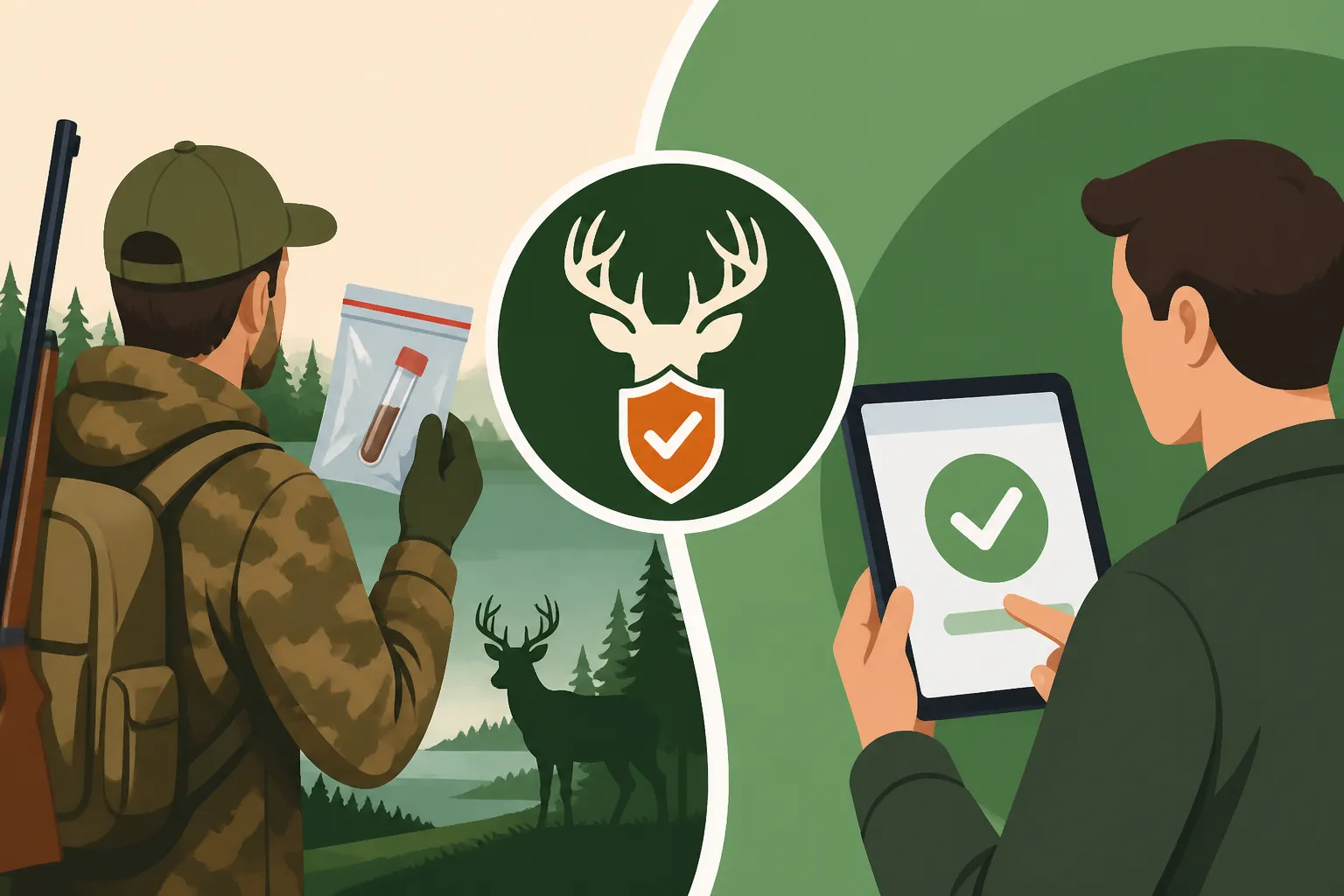
Once you've got your sample, you'll need to submit it to one of the designated drop-off locations. These can vary by season but typically include regional Manitoba Natural Resources and Northern Development (formerly Sustainable Development) offices, specific CWD sample depots, or even participating taxidermists or meat processors. Always check the current hunting guide or the province's website for the most up-to-date list of Where to Drop a CWD Sample in Manitoba. Make sure your sample is clearly tagged with your name, licence number, and harvest details. This is crucial for matching the result back to you efficiently.
The Waiting Game: What Happens After Submission
Okay, so you've done your part, submitted the sample, and now you're waiting. This can be the hardest part, right? You've got your meat hanging or in the freezer, and there's this nagging question mark. It's a common feeling, that uncertainty, but knowing what's happening behind the scenes can help ease some of that tension.
The Journey of Your Sample to the Lab
After you drop off your sample, it doesn't just sit there. All samples are carefully collected and transported to a central testing facility. In Canada, many CWD samples are sent to the Canadian Food Inspection Agency's (CFIA) National Centre for Animal Disease in Winnipeg, a state-of-the-art lab specializing in animal health. Here, trained technicians process the samples, specifically looking for those problematic prions in certain tissues, primarily the obex (a part of the brainstem) and specific lymph nodes. This isn't a quick test you can do at home; it involves highly specialized equipment and scientific expertise to ensure accurate results. The integrity of this process is paramount because the stakes are high – both for our wildlife and for public health considerations regarding game meat.
Anticipating Your Results: Timelines and Notifications
This is where the collective anxiety often peaks. How long will it take? When will I know? The realistic answer is that it varies. During the peak hunting season, especially for popular species like whitetails, the labs can get inundated with samples. Generally, you can expect results within a few weeks, sometimes up to six to eight weeks during the busiest periods. It's always a good idea to submit your sample as quickly as possible, both to comply with the How long you have to submit a sample rule and to get your results back sooner.
Manitoba Natural Resources and Northern Development typically notifies hunters directly. This could be via email, phone call, or sometimes through an online portal if one is available. Make sure the contact information you provided when you submitted your sample is accurate and legible. I always recommend adding the relevant provincial department's number to your contacts, so you don't mistake their call for spam! For the latest updates on CWD zones or any changes to reporting procedures, I find that checking resources like GoHunt's information on provincial regulations can be really helpful to stay informed. They often compile easily digestible summaries of these important updates.
Interpreting and Acting on Your CWD Results
Once that notification comes in, it's a moment of truth. What do the results mean for you and your hunt? The next steps will depend entirely on whether your animal tested positive or negative.
Understanding Positive Versus Negative Outcomes
Let's start with the most common and hoped-for outcome: a "negative" result. This means that, based on the scientific testing of the submitted tissues, no evidence of CWD prions was detected in your animal. This is fantastic news! It means your animal is considered free of CWD, and the meat is generally safe for consumption. You can proceed with enjoying the harvest you worked so hard for, with peace of mind.
A "positive" result, while rare for most hunters, means the animal you harvested was infected with CWD. This can be heartbreaking, I know. It's tough to get this news after all the effort. If your animal tests positive, the province will advise against consuming the meat. While CWD is not currently known to be transmissible to humans, public health authorities like Health Canada generally advise against consuming meat from CWD-positive animals as a precautionary measure. It’s an unfortunate situation, but it's a critical part of protecting the overall health of the herd and future hunting opportunities. If you're ever curious about the science behind these recommendations, there are many detailed articles, like Whether CWD Meat Is Safe to Eat, that delve into the specifics.
Required Actions After Receiving Your Results
For negative results, there are no special actions required other than enjoying your game! You've contributed to the surveillance program, and that's a job well done.
If you receive a positive CWD result, however, there are mandatory steps you must take. First and foremost, you'll be contacted by a conservation officer or provincial staff who will explain the situation and guide you through the next steps. It's crucial to cooperate fully with them. They will likely instruct you on the proper disposal of the entire carcass, including all meat, bones, and offal, in a way that minimizes the risk of environmental contamination. This usually involves double-bagging and specific landfill disposal or incineration. Under no circumstances should you consume or distribute the meat from a CWD-positive animal. This is not only a provincial regulation but also a vital measure to prevent any potential spread of the disease. Remember, this is about being a responsible hunter and protecting our shared wildlife resources for generations to come.
Managing Carcass Remains and Future Hunts
Thinking ahead about carcass disposal is an important part of the CWD equation. Even before you get your results, especially if you're hunting in a designated CWD zone, there are rules around Moving a Carcass Out of a Sampling Area. Typically, whole carcasses or certain high-risk parts (like the brain and spinal cord) are restricted from being moved outside of the CWD surveillance zones until negative results are confirmed. This is to prevent inadvertently spreading prions to new areas.
Properly cleaning your hunting equipment – knives, saws, even your vehicle's cargo area – after processing any animal is always a good practice, but it's even more critical in CWD-affected areas. Prions are incredibly resilient, so using a diluted bleach solution (check specific guidelines from the province) can help reduce the risk of transmission. Looking at long-term impacts, insights like What CWD Has Done to Manitoba Deer in affected regions highlight the importance of these meticulous steps.
As hunters, our commitment to ethical practices extends to protecting the health of our game. By participating in CWD sampling, understanding the results, and taking appropriate action, we're doing our part. For those who want to stay on top of the latest information, including changes to CWD zones or regulations, continuously monitoring resources, including official government sites and community platforms like GoHunt, is highly recommended for planning your next trip.
| Process Step | Hunter Action | Provincial Action | Estimated Timeline (Peak Season) | Outcome |
|---|---|---|---|---|
| Harvest | Harvest animal in CWD designated GHA | N/A | Day 0 | Animal harvested |
| Sample Submission | Submit head/lymph nodes with tag to depot | Collect and log sample | Within 48-72 hours of harvest | Sample ready for transport to lab |
| Lab Transport | N/A | Transport samples to CFIA lab | Weekly/Bi-weekly | Samples arrive at testing facility |
| Lab Testing | N/A | Perform specialized CWD prion tests | 2-6 weeks | Test results generated |
| Result Notification | Await notification via email/phone | Notify hunter of positive or negative result | 1-2 weeks post-testing | Hunter informed of CWD status |
| Post-Result Action | Negative: Consume meat. Positive: Follow disposal guidelines | Negative: No further action. Positive: Guide hunter on disposal & follow-up | Immediate | Meat consumed/disposed; data recorded for surveillance |
Disclaimer
The information provided in this article is for general guidance only and is subject to change. Hunting regulations, CWD zones, and testing protocols are determined by Manitoba Natural Resources and Northern Development and may be updated periodically. Always consult the official Manitoba Hunting Guide and the provincial government's website for the most current and accurate information before planning and executing your hunt.