Manitoba Resident Hunting Licence Cost
One of the most common headaches for hunters, especially those new to the scene or returning after a break, is figuring out the exact cost of a hunting licence. It can feel like a labyrinth of fees, tags, and stamps. This guide aims to demystify the financial side of securing your Manitoba resident hunting licence, walking you through everything you need to know so you can budget accurately and confidently head into the field.
Understanding the Basics of Manitoba Resident Hunting Licences
Before we dive into the nitty-gritty of specific costs, it’s crucial to understand the fundamental definitions and categories that shape Manitoba's hunting licence system. Knowing who qualifies as a resident and what basic types of licences are available sets the stage for everything else. Without this groundwork, you might find yourself confused about which fees even apply to your situation.
Who Qualifies as a Resident Hunter?
The term "resident" might seem straightforward, but in the context of Manitoba hunting regulations, it has a very specific meaning that can impact your eligibility and the costs you'll incur. Generally, a resident is someone who has resided in Manitoba for at least six months immediately preceding the date of applying for a licence. This isn't just about owning property; it's about making Manitoba your primary home. For instance, if you're a student from out of province attending university here, you might not automatically qualify as a resident even if you've been here for several months unless you can prove a clear intention to reside permanently. Likewise, someone who owns a cabin but lives primarily in another province typically would not be considered a resident for hunting purposes. It’s always best to consult the official Manitoba Hunter’s Guide or the Sustainable Development office if you're unsure about your status. Your residency status directly dictates which set of fees you’ll pay, and resident fees are, understandably, significantly lower than those for non-residents.
Types of Resident Licences Available
Manitoba offers a variety of hunting licences tailored to different species and hunting methods. It’s not a one-size-fits-all approach; you'll typically need a general hunting licence, and then add specific tags or permits for the game you intend to pursue. For example, a big game hunter will need a general licence plus separate tags for species like deer, moose, or bear. Waterfowlers will need a provincial game bird licence in addition to federal migratory bird permits. This layered approach ensures that resources are managed effectively for each species.
For residents, the core options generally include:
- General Hunting Licence: This is your foundational licence, often a prerequisite for purchasing specific game tags. It acts like a base entry fee into the hunting world of Manitoba.
- Big Game Tags: These are species-specific, such as a white-tailed deer tag, black bear tag, or moose tag. Many of these are allocated through a draw system, especially for coveted species like moose and elk.
- Game Bird Licences: This covers provincial upland birds like grouse, partridge, and sharp-tailed grouse.
- Trapper’s Licence: For those interested in pursuing furbearers.
Each of these categories comes with its own set of rules and, of course, costs. It’s crucial to understand what you want to hunt to know which combination of licences and tags you’ll need. For a detailed breakdown, you might want to look into the Manitoba Resident Licence Options.
Breaking Down the Costs by Species
Once you understand the basic licence structure and your residency status, the next step is to explore the costs associated with hunting specific game animals. This is where the price tags start to differentiate, reflecting the conservation efforts, management costs, and demand for various species across the province. You'll find that some species require only a basic tag, while others involve more complex draw fees.
White-tailed Deer and Black Bear Costs
When it comes to big game hunting for residents, white-tailed deer and black bear are two of the most popular species, and their licence costs are generally quite accessible. For the 2023-2024 season, a resident white-tailed deer licence typically costs around $60-$70. This price grants you one deer tag, usually for an antlered deer, but some Game Hunting Areas (GHAs) also offer antlerless tags or allow you to fill a second tag. The beauty of deer hunting in Manitoba is that these licences are over-the-counter for most GHAs, meaning you don't typically have to go through a draw process, which simplifies planning immensely. You can often purchase these tags conveniently online or from authorized vendors.
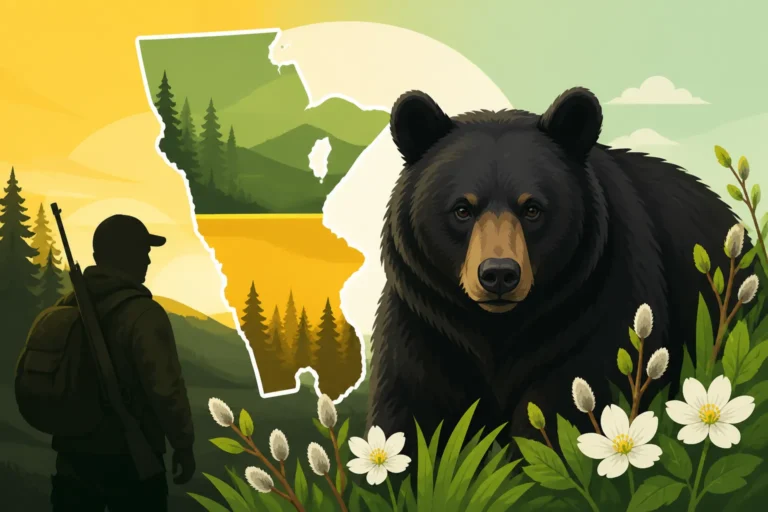
Black bear licences for residents are often in a similar price range, usually around $60-$70 as well. Unlike deer, bear hunting often involves baiting, which has its own set of regulations but usually doesn't add a direct cost to the licence itself. Many hunters find that combining a spring bear hunt with other outdoor activities makes for a fantastic experience. If you're considering a bear hunt, keep in mind that baiting might involve additional expenses for supplies, but the licence cost itself is straightforward. For more specifics on costs for these and other big game, check out Manitoba Big Game Tag Costs.
Moose and Elk Draw Fees and Licence Costs
Hunting moose and elk in Manitoba as a resident is a different ballgame compared to deer or bear, primarily because these species are managed through a draw system due to their more limited populations and higher demand. This means you're not just paying for a licence; you're also paying to enter a lottery for the chance to get a licence. The draw application fee itself is usually quite modest, often in the range of $8-$10 per application. This fee is non-refundable, regardless of whether you are successful in the draw.
If you are lucky enough to be drawn for a moose or elk licence, then you'll pay the actual licence fee. A resident moose licence can cost approximately $120-$130, while an elk licence is typically a bit less, around $80-$90. These fees reflect the prestige and immense effort involved in hunting these magnificent animals. It's important to remember that draw odds can vary significantly by GHA and species. For more information on how the draws work and their deadlines, exploring Manitoba's Big Game Draws is highly recommended. Tools like GoHunt can sometimes offer insights or tracking for these draw processes, though specific Manitoba data might be best found directly from the provincial government.
Waterfowl and Upland Bird Stamps
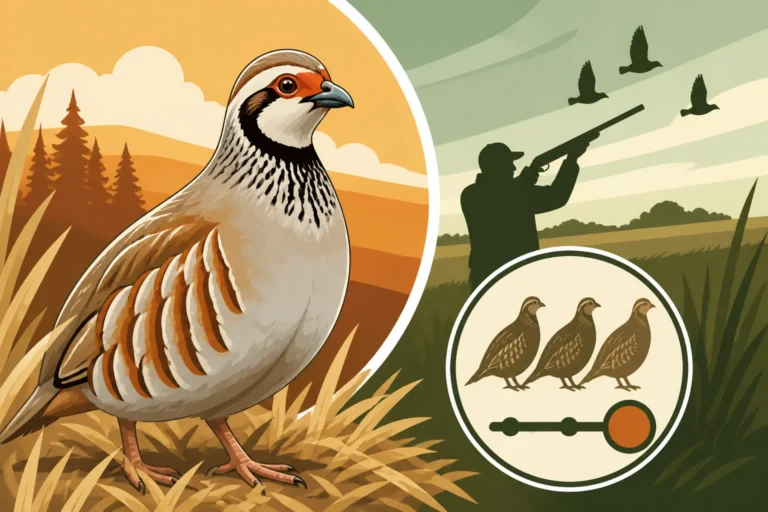
For those who enjoy pursuing game birds, the costs involve a combination of provincial and federal permits. As a Manitoba resident, you'll first need a provincial Game Bird Licence, which typically costs around $30-$40. This licence covers all provincially regulated upland birds like ruffed grouse, sharp-tailed grouse, and Hungarian partridge. This is your base for heading out to walk the bush trails or stubble fields.
However, if you plan to hunt migratory birds such as ducks, geese, or sandhill cranes, you'll also need a couple of federal stamps. The Canadian Migratory Game Bird Hunting Permit is a federal requirement, costing around $17-$18. Additionally, you need to purchase a Canadian Wildlife Habitat Conservation Stamp, which is typically around $8-$10. These federal stamps contribute directly to habitat conservation efforts across Canada, which benefits all wildlife, not just migratory birds. So, while it's an extra cost, it's for a great cause. For a deeper dive into the federal requirements, refer to Manitoba Migratory Bird Permits. Understanding these layers of costs ensures you're fully compliant before setting foot in a marsh or a harvested field.
| Species Category | Licence Type | Estimated Resident Cost (CAD) | Notes |
|---|---|---|---|
| Big Game | White-tailed Deer | $60 – $70 | Over-the-counter for most GHAs. |
| Black Bear | $60 – $70 | Over-the-counter. | |
| Moose (Draw Application) | $8 – $10 | Non-refundable draw application fee. | |
| Moose (Licence if Drawn) | $120 – $130 | Only paid if successful in the draw. | |
| Elk (Draw Application) | $8 – $10 | Non-refundable draw application fee. | |
| Elk (Licence if Drawn) | $80 – $90 | Only paid if successful in the draw. | |
| Game Birds | Provincial Game Bird Licence | $30 – $40 | Covers upland birds (grouse, partridge, etc.). |
| Federal Migratory Bird Permit | $17 – $18 | Required for ducks, geese, cranes. | |
| Wildlife Habitat Conservation | $8 – $10 | Required for migratory birds, contributes to habitat. | |
| Other | Hunter Education Course | $50 – $100+ | One-time cost (if not certified). |
| Trapping Licence | $20 – $30 | Species specific. |
Additional Fees and Permits to Consider
Beyond the core hunting licences, there are a few other fees and permits that residents might encounter, depending on their hunting experience, age, or specific activities they plan to undertake. These often represent one-time costs or are specific to certain situations, but it's crucial to factor them into your overall hunting budget.
Hunter Education Requirements and Costs
For any new hunter in Manitoba, or those who haven't held a hunting licence in the province before, completing a Hunter Education course is mandatory. This course covers vital topics like firearm safety, ethical hunting practices, wildlife identification, and conservation principles. The cost of a Hunter Education course can vary, typically ranging from $50 to $100 or more, depending on the provider and whether it's an in-person or online component. This is a one-time investment that pays dividends in safety and knowledge for your entire hunting career. For parents looking to introduce their children to hunting, the course is a fantastic foundation. You can find more details on course availability and specific requirements by checking out Manitoba Hunter Education Requirements. While GoHunt might offer resources for western North American hunting, for Manitoba-specific education, always check the provincial government's official channels.
Habitat Conservation and Federal Stamps
We touched on the Federal Migratory Game Bird Hunting Permit and the Canadian Wildlife Habitat Conservation Stamp earlier when discussing waterfowl. It's worth reiterating their importance and purpose. These aren't just arbitrary fees; they are direct investments into the future of hunting and wildlife. The Habitat Conservation Stamp, in particular, channels funds directly into projects that protect, restore, and enhance wetlands and other crucial habitats across the country. So, every time you purchase that $8-$10 stamp, you're directly contributing to the nesting grounds for ducks and geese, and indirectly benefiting countless other species. These stamps are required in addition to your provincial game bird licence if you intend to hunt migratory birds. Without them, your hunt is incomplete and potentially illegal.
Special Permits and Night Hunting
Manitoba has specific rules and permits for certain hunting activities that deviate from standard daytime hunting. One such example is night hunting. While night hunting for big game is generally prohibited, there are specific regulations and permits for hunting certain predators, like coyotes and wolves, at night in designated areas, often by Indigenous hunters or those with special permission. If you're a resident interested in predator control and wish to hunt after dark, you'll need to apply for a special night hunting permit. This permit allows you to hunt on approved Crown land and certain private lands with permission, and often comes with its own set of rules and, potentially, an associated fee. It’s essential to be fully aware of and comply with all regulations before attempting any night hunting activity. Learn more about the specific conditions and application process by consulting Manitoba Night Hunting Rules.
How to Purchase Your Manitoba Hunting Licences
Navigating the purchasing process for your Manitoba hunting licences is fortunately quite streamlined these days, but knowing your options and being aware of potential pitfalls can save you a lot of frustration. Whether you prefer the convenience of online transactions or the personal touch of an in-person visit, Manitoba offers several avenues to get your tags.
Online and In-Person Purchase Options
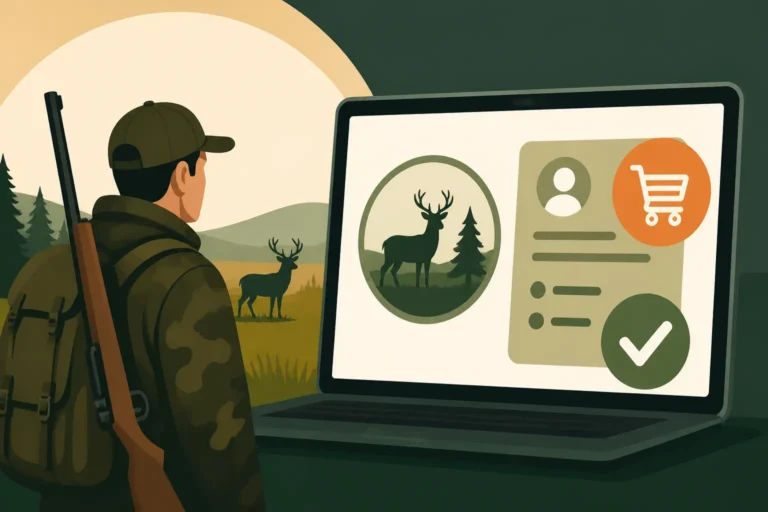
For most resident hunting licences and tags, the easiest and most common way to purchase them is online through the Manitoba government's e-licensing portal. This digital system allows you to buy your general hunting licence, big game tags (for species not subject to a draw, or if you've been successful in a draw), and game bird licences from the comfort of your home. The process is typically user-friendly: you create an account, select your desired licences, pay with a credit card, and then print your licences or save them digitally to your phone. This method is incredibly convenient and ensures you have your documentation well in advance of your hunt. While you might use GoHunt for broader hunting research, the specific purchasing portal for Manitoba licences will be through the provincial government's official website. For a step-by-step guide, check out Buying a Manitoba Licence Online.
If you prefer a more traditional approach, or if you need assistance with your purchase, you can also buy licences in person at various vendors across the province. These include designated outdoor retailers, some government offices, and even certain small businesses in rural communities. These vendors can process your application, print your licences, and often provide helpful advice on local regulations or Manitoba's Game Hunting Areas. This can be a great option for those who prefer to speak with someone directly or who might not have reliable internet access.
Common Pitfalls and How to Avoid Them
Even with a straightforward purchasing system, a few common mistakes can trip up resident hunters. Being aware of these can save you time and hassle.
Firstly, missing deadlines for big game draws is a huge pitfall. For species like moose and elk, applications for the draw open and close well in advance of the hunting season. If you miss that window, you miss your chance for the year. Always mark your calendar for draw application periods, which are usually in late spring or early summer. Even if you're using a tool like GoHunt to track other draw results, remember to double-check Manitoba's specific dates on the provincial website.
Secondly, not having proper identification or hunter education certification can hold up your purchase. When buying online, ensure your profile details match your official ID. In person, always bring your government-issued ID and your hunter education card (if it's your first time or you're renewing after a long break). They need to verify your eligibility as a resident and certified hunter.
Thirdly, overlooking additional stamps or permits is another common error, especially for migratory bird hunters. Remember the federal migratory bird permit and habitat stamp. Many new hunters forget these and only realize they're not fully legal once they're already in the field. Make it a habit to list all the required documents for your specific hunt and ensure you have them all purchased and on your person before heading out. A quick check of the regulations in the annual Manitoba Hunter’s Guide will always keep you on the right track.
Finally, not validating your tag immediately after a kill is a serious offence. Once you've successfully harvested an animal, it's a legal requirement to validate your tag by notching it or completing the relevant section of your digital licence immediately. Failure to do so can result in significant fines and penalties. Always carry a pen or a way to mark your physical tag, or ensure your phone is charged if using a digital version.
By understanding these costs and purchase methods, you can ensure a smooth, compliant, and enjoyable hunting season in Manitoba.
Disclaimer
Please note that hunting regulations, licence fees, and season dates are subject to change. While this article aims to provide accurate and up-to-date information, it is always the hunter's responsibility to consult the most current Manitoba Hunting Guide and relevant government websites before planning and undertaking any hunting activities.