Blaze Orange Rules and Exceptions
It’s a heart-stopping moment no hunter ever wants to experience: that sudden flash of movement, the instinct to raise your firearm, only to realize, thankfully, at the last second, that it was another person. This all-too-common scenario, often driven by excitement or misidentification in the field, underscores the absolute critical importance of hunter safety, and nowhere is that more evident than in the seemingly simple yet vital practice of wearing blaze orange. Many hunters feel like it cramps their style, or that the regulations are just another hoop to jump through, but trust me, they exist to protect us all. This comprehensive guide will walk you through everything you need to know about Manitoba’s blaze orange rules, the specific situations where they apply, and crucial exceptions, helping you stay safe and compliant in the field.
Why Blaze Orange is Non-Negotiable for Hunter Safety
Let’s be honest, nobody wants to feel like a traffic cone while they’re out in the beautiful Manitoba wilderness, trying to blend in with nature. But the science behind blaze orange, also known as hunter orange, is undeniably compelling. Our human eyes are incredibly good at distinguishing this particular shade of orange from all other colours found in nature. Unlike many animals, deer, moose, and bear don't see in vibrant colour; their vision is more attuned to movement and shades of grey. This means that while a blaze orange vest might stick out like a sore thumb to another hunter, it often appears as just another muted tone to your quarry, making it a win-win for both safety and hunting effectiveness. It’s not just about being seen; it’s about being identified as a human, not mistaken for game.
The Science Behind High-Visibility Orange
It's natural to think that camouflage is king, and for many aspects of hunting, it absolutely is. But when it comes to preventing accidental shootings, no camo pattern can hold a candle to blaze orange. The specific wavelength of light that blaze orange reflects is incredibly effective at standing out against the browns, greens, and greys of typical hunting environments. While animals like whitetails might perceive it as a dull grey or brown, humans, especially those who are actively scanning for game, will immediately register that bright, unmistakable hue. This colour creates a stark contrast, especially in low light conditions or dense cover, giving fellow hunters those precious extra seconds to identify you as a person and not an animal. This distinction is paramount, particularly when you consider the varied terrain and cover found across Manitoba, from thick boreal forests to wide-open agricultural fields.
Historical Context and Accident Prevention
The introduction of blaze orange regulations across North America wasn't an arbitrary decision; it came directly from tragic incidents where hunters were mistakenly shot. Before these rules became commonplace, accidental shootings, especially those involving hunters being mistaken for game, were significantly higher. Statistics consistently show a dramatic reduction in "mistaken for game" accidents in jurisdictions that mandate blaze orange. Manitoba, like many other provinces and states, adopted these regulations as a proactive measure to ensure that hunters return home safely after every outing. It’s a collective responsibility that we all share in the hunting community – to not only be safe ourselves but to contribute to the safety of everyone else in the woods. Think of it as a uniform that signals "human" in a language everyone understands, even if it feels a bit bright when you're trying to be stealthy.
Core Blaze Orange Requirements in Manitoba
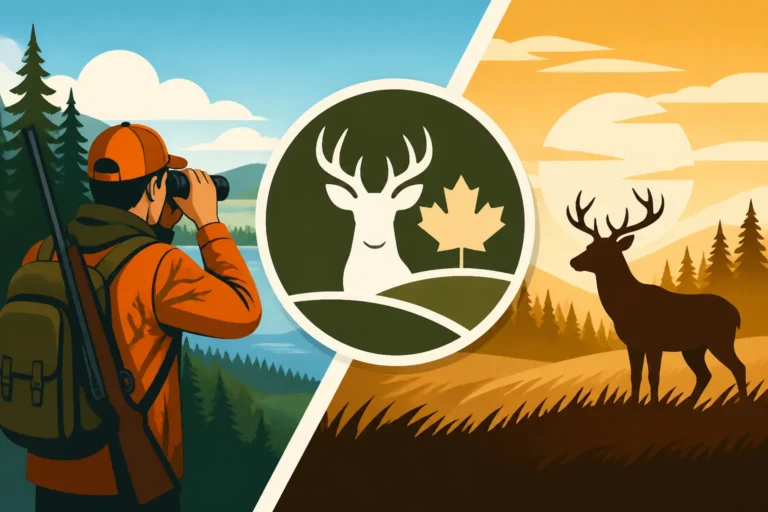
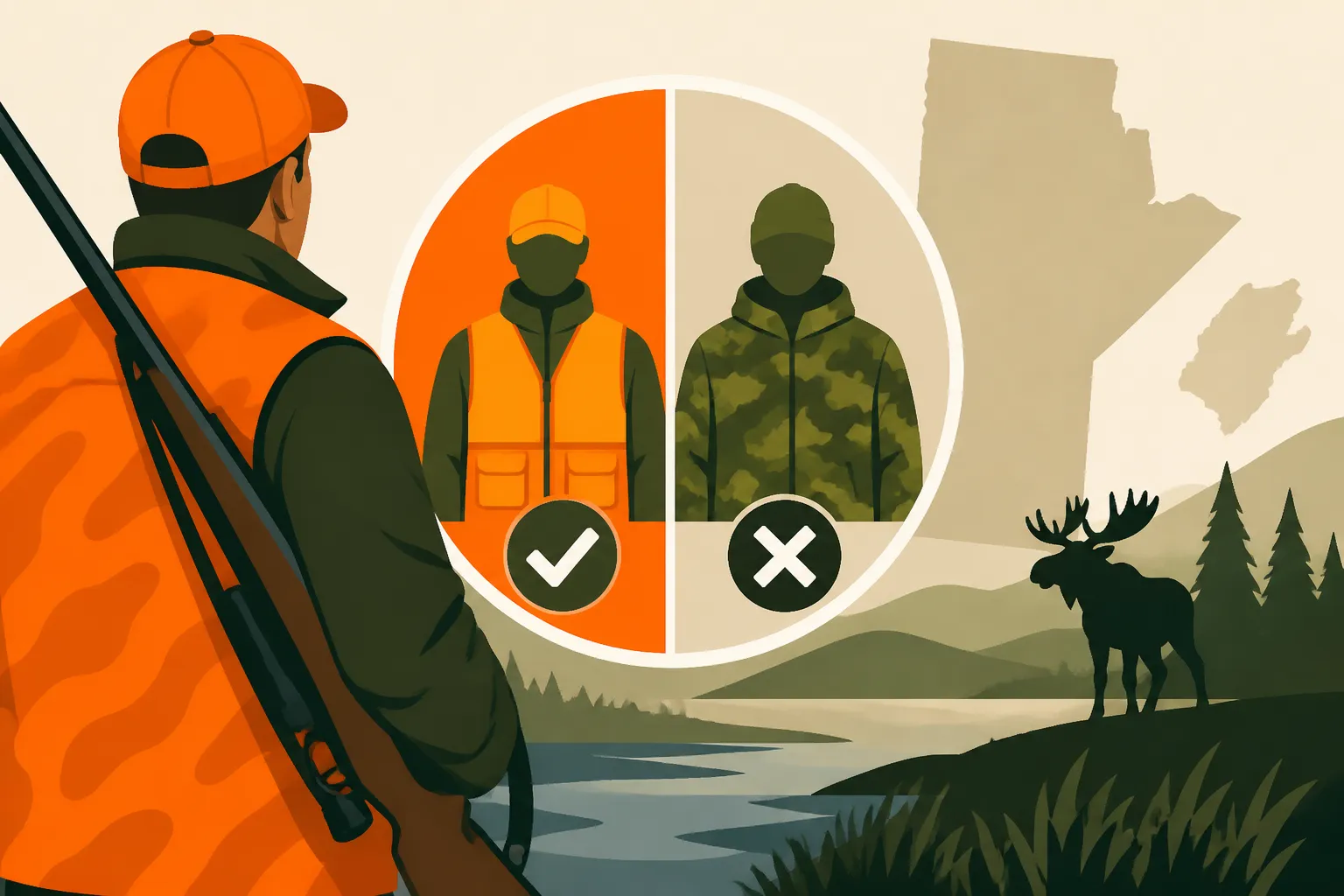
Alright, let's get down to brass tacks: what exactly does Manitoba law say about wearing blaze orange? It's not just a suggestion; it's a legal requirement during specific seasons and for certain types of hunting. The general rule is that you need to wear at least 400 square inches of blaze orange, visible from all sides, including a head covering, when participating in big game rifle seasons. This means a good quality vest or jacket and a hat are usually your go-to items. It's about ensuring that no matter which direction another hunter approaches from, they'll see you. Ignoring these rules isn't just risky; it can lead to fines and even prosecution, which nobody wants.
Mandatory Periods and Species
The primary mandate for blaze orange in Manitoba kicks in during any rifle season for big game. This includes prime hunting times for species like whitetail deer, moose, and elk. So, if you're out there with a rifle, chasing big game, that bright orange needs to be on your person. The rationale here is simple: these are often popular seasons, with many hunters in the woods, and the stakes are higher with powerful firearms involved. It doesn’t matter if you’re stalking through dense bush in the Interlake region or traversing open fields in the southwest; the rule applies across the board during these specific periods. Check your annual hunting guide for the exact dates in your Game Hunting Area (GHA), as they can vary slightly. You can find more details about specific dates in the Manitoba Rifle Season Dates and Manitoba Big Game Season Dates articles.
Minimum Coverage and Placement
The Manitoba regulations are quite specific about the amount and placement of blaze orange. You need a minimum of 400 square inches, which must be visible from both the front and back. Crucially, a portion of this must be worn on your head, meaning a blaze orange cap or toque is required. Simply tying a bandanna to your pack isn't going to cut it. This ensures that even if you're crouching, climbing, or in dense cover, some portion of that critical safety colour is always exposed. It's not about being fully covered head-to-toe, but about strategically placed, highly visible patches that scream "human!" to anyone else in the vicinity. Many reputable brands like GoHunt offer excellent vests and hats designed to meet these exact specifications, making it easy to comply without sacrificing comfort or functionality. Think about how a deer might be partially obscured behind a tree, yet its movement catches your eye – the blaze orange aims to achieve that same instant recognition for humans.
Exceptions to Blaze Orange Requirements
Now, while blaze orange is generally the rule for big game rifle hunting, there are specific scenarios and hunting methods where it's not required. These exceptions aren't an excuse to be careless; rather, they acknowledge that certain hunting styles or target species operate under different safety parameters. Understanding these nuances is key to staying legal and safe without unnecessarily hindering your hunt. For instance, chasing ducks in a marsh or calling coyotes at night obviously requires a different approach to visibility.
Archery and Muzzleloader Seasons
One of the most common exceptions revolves around archery and muzzleloader seasons. During these dedicated periods, typically earlier in the fall when foliage is still thick, blaze orange is generally not required for big game hunters. The reasoning is multi-faceted: archery hunting, in particular, often demands a greater degree of stealth and camouflage, relying on close-range encounters. Furthermore, while still dangerous, the effective range and velocity of arrows and muzzleloader projectiles are often different from modern centerfire rifles, leading to distinct safety considerations.
It's important to remember, however, that while not legally mandated, exercising caution is still paramount. If you're hunting in an area that might also be open to other activities or concurrent rifle seasons (even if you're bowhunting), wearing some blaze orange might still be a wise personal choice. Always confirm the specific regulations for Manitoba's Archery Season Opens and Muzzleloader Deer Dates and Rules for the exact rules in your GHA, as rules can occasionally have localized variations.
Waterfowl and Upland Bird Hunting
When you shift gears to small game, waterfowl, and upland bird hunting, the blaze orange requirements typically disappear entirely. Imagine trying to sneak up on a wary flock of geese in a stubble field while wearing a bright orange vest – it simply wouldn't work! These types of hunting rely heavily on concealment and blending into the environment, whether you're in a blind for ducks or stalking pheasants through tall grass. Therefore, hunters pursuing species like geese, ducks, grouse, or partridge are exempt from wearing blaze orange.
This exemption, however, comes with its own set of responsibilities. When you're not wearing high-visibility clothing, heightened awareness of your surroundings and the location of your hunting partners becomes even more critical. Communication is key, and understanding your shooting lanes is absolutely vital, especially when hunting with dogs. While you don't need blaze orange, you'll still need your Federal Migratory Game Bird Permit and Non-Toxic Shot Requirements for Waterfowl when pursuing migratory birds.
Night Hunting and Predator Hunting
Special rules apply to night hunting and certain predator hunting scenarios. For instance, Manitoba's Night Hunting Rules are very specific and usually involve strict permits and limitations on approved land. In these contexts, traditional blaze orange rules don't apply, as the goal is often to remain unseen, and the hunting takes place when visibility is already minimal. However, these activities have their own stringent safety protocols, often involving specific lighting, communication, and target identification requirements.
Similarly, when Calling Coyotes in Manitoba Farm Country or hunting other predators, the strategy often involves blending into the landscape and remaining hidden. While blaze orange isn't usually required, extreme caution and positive target identification are paramount, especially if hunting near populated areas or during times when other hunters might be in the field. Always consult the regulations for predator hunting, as they can sometimes overlap with big game seasons or specific GHA rules.
Understanding the Legal Fine Print
It’s one thing to know what to wear, but another to truly grasp the legal implications and intricacies of the regulations. Manitoba's hunting regulations, much like those in any jurisdiction, are designed to be comprehensive, ensuring safety while still allowing for various hunting pursuits. Knowing the specifics of what "visible from all sides" truly means, the potential penalties for non-compliance, and how to go above and beyond the minimums can make you a more responsible and confident hunter.
What "Visible from All Sides" Truly Means
The regulation requiring blaze orange to be "visible from all sides" is often misunderstood. It doesn't mean you need to be perfectly encased in orange, but rather that no matter where another hunter is positioned relative to you—front, back, or either side—they should be able to clearly see some portion of your blaze orange. This is why a vest or jacket combined with a cap is so effective. If you’re wearing a blaze orange cap but your jacket is zipped up with a large camouflage backpack obscuring your back, you might not be fully compliant.
Think about common hunting movements: bending over to tie a boot, crawling through brush, or having a pack on. These actions can easily obscure portions of your safety gear. Therefore, consciously choosing gear that maintains visibility, even during active hunting, is crucial. For example, a vest that wraps around your sides and a hat that stays put are better choices than just a small patch of orange on your back. Companies like GoHunt specialize in high-quality gear that not only meets but often exceeds these visibility requirements, giving you an extra layer of confidence.
Penalties for Non-Compliance
Breaking the blaze orange rules isn't a minor infraction; it's a safety violation that can carry significant penalties. If a Conservation Officer encounters you hunting big game with a rifle without the proper blaze orange, you could face fines, confiscation of your gear, and in some cases, even a suspension of your hunting privileges. These aren't just minor tickets; they are serious consequences designed to deter unsafe practices.
The penalties are deliberately steep because the potential consequences of not wearing blaze orange are so severe – accidental shooting. It’s a stark reminder that these rules are not bureaucratic hurdles but essential safeguards. Always ensure your gear is in good condition, easily accessible, and properly worn before you head into the field. Getting caught non-compliant not only ruins your hunt but puts a dent in your wallet and potentially your ability to hunt in the future.
Beyond the Minimum: Best Practices
While meeting the 400 square inches and headwear requirement is the legal minimum, many experienced hunters choose to go above and beyond. For instance, if you're hunting in very dense bush or areas with limited visibility, opting for a full blaze orange jacket rather than just a vest can provide even more coverage. Some hunters even add blaze orange to their backpacks or the leashes of their hunting dogs to enhance visibility for all members of the hunting party.
Another excellent practice is to always let your hunting partners know where you are, especially when splitting up or moving through heavy cover. Verbal communication, and even small, easily overlooked things like keeping track of where everyone parks their vehicle, can contribute to overall safety. Remember, hunter safety is a shared responsibility, and every action, big or small, contributes to a safer hunting environment for everyone. Think about where you might be Hunting a Bush Edge or Hunting a Frozen Slough Crossing, where visibility can change rapidly.
Choosing the Right Blaze Orange Gear
Selecting your blaze orange gear might seem straightforward, but there are practical considerations beyond just meeting the square inch requirement. Comfort, durability, and functionality play a huge role in ensuring you actually wear the gear consistently throughout your hunt. Nobody wants a bulky, uncomfortable vest that restricts movement or snags on every branch.
Materials and Durability
Blaze orange gear comes in various materials, each with its pros and cons. Lightweight mesh vests are great for warm early fall hunts, offering maximum breathability, but they might not hold up well against aggressive bushwhacking. More durable options include ripstop nylon or polyester fabrics, often integrated into hunting jackets or heavier vests, which can withstand thorns, branches, and rough use. Considering Manitoba's varied terrain and often rugged conditions, investing in durable gear is a smart move.
Also, think about the weather. A thin mesh vest won't provide warmth in late November during Hunting the Rut in Early to Mid November, so you'll need blaze orange outerwear that can be layered effectively over your insulated garments. Many brands offer weatherproof blaze orange jackets or vests with quiet outer fabrics, which are a huge plus when you're trying to remain stealthy. The colour itself should be resistant to fading, as a faded orange is far less effective at standing out.
Fit and Comfort for the Field
An ill-fitting blaze orange vest or jacket is more than just annoying; it can actively hinder your hunt and even compromise safety if it restricts your movement or makes noise. When trying on gear, consider the layers you'll typically be wearing underneath. You want enough room for movement, especially in the shoulders and arms, without excessive bulk. A good fit ensures the orange stays visible and doesn't get bunched up or twisted.
Comfort also extends to features like pockets, zippers, and adjustability. Easy-access pockets for calls, GPS, or snacks are a bonus. High-quality zippers that don't snag are essential, especially when you're wearing gloves. Adjustable straps or drawstrings can help customize the fit, ensuring the garment stays put during a long stalk or an energetic retrieve. Remember, if it's uncomfortable, you'll be less likely to wear it correctly and consistently, defeating its primary purpose.
GoHunt: An Example of Quality Options
When it comes to sourcing reliable hunting gear, including blaze orange, many hunters turn to established brands that prioritize both safety and functionality. GoHunt, for example, is a brand known for providing high-quality outdoor apparel that caters to the serious hunter. Their range often includes vests, jackets, and hats designed with durable materials and practical features, ensuring hunters not only meet regulations but also feel comfortable and confident in the field.
While GoHunt might be a popular choice, there are many other reputable manufacturers on the market. The key is to look for gear that is purpose-built for hunting, meaning it can withstand the rigors of the outdoors, allows for quiet movement, and most importantly, provides truly vibrant, unfading blaze orange visibility. Don't cheap out on safety gear; it's an investment in your well-being.
Integrating Blaze Orange with Other Hunting Apparel
Layering is a fundamental concept in Manitoba hunting, especially given our notorious temperature swings. But how do you integrate blaze orange effectively without compromising your insulation, moisture management, or scent control? It requires a bit of planning, but it's entirely doable. The goal is to maintain maximum visibility while staying warm, dry, and mobile.
Layering for Diverse Weather Conditions
Manitoba weather can be incredibly unpredictable, especially during the fall hunting seasons. You might start your day with a frosty morning requiring heavy insulation, only for temperatures to soar by midday. Your blaze orange piece should be the outermost layer when required, but it needs to accommodate your base and mid-layers. Look for vests or jackets that are generously cut or designed to fit over bulkier clothing. Some hunters opt for a thin blaze orange shell that can be easily pulled over their primary insulated jacket.
Consider a system where your internal layers manage moisture and provide warmth, and your blaze orange outerwear acts as the safety shell. For instance, on a cold morning during Hunting Safely in Deep Winter Cold, you might wear thermal underwear, a fleece mid-layer, an insulated hunting jacket, and then your blaze orange vest or jacket on top. The outer blaze orange layer needs to be quiet and allow for full range of motion, so you can still draw your bow (if in an archery zone where blaze orange isn't mandated but you choose to wear it for cross-over safety) or shoulder your rifle smoothly.
Specialized Gear and Accessories
Beyond just vests and hats, there are other specialized blaze orange items that can enhance safety without being cumbersome. Some backpacks come with integrated blaze orange panels or removable covers. Carrying a small blaze orange flag that can be deployed when dragging game or if you need to signal for help is also a smart idea. For those using treestands, a blaze orange safety harness cover can provide an additional layer of visibility.
Even smaller accessories, like blaze orange armbands or leg bands, can be useful in specific situations, though they typically don't meet the minimum square inch requirements on their own. The principle is to maximize your visual footprint to other human hunters whenever and wherever required by law, and even when not required, if the situation warrants it. Every little bit of visible orange contributes to your safety and the safety of those around you.
| Aspect of Blaze Orange Rules | Requirement | Details | Exceptions/Notes |
|---|---|---|---|
| Minimum Coverage | 400 sq. inches | Must be visible from front and back. | Hunters often choose vests, jackets, or a combination. |
| Headwear | Required | A portion of blaze orange must be worn on the head (e.g., hat, toque). | Essential for visibility from all angles, especially when bending or crouching. |
| Mandatory Species | Big Game | Applies when hunting white-tailed deer, moose, elk, etc. | Excludes small game, waterfowl, and upland birds. |
| Mandatory Weapon Type | Rifle | Applies during any open rifle season for big game. | Not required for archery or muzzleloader seasons (though recommended for personal preference in some situations). |
| Visibility | All Sides | Must ensure visibility regardless of your position or movement. | Consider gear that doesn't get easily obscured by backpacks or body positions. |
| Penalties | Fines, Confiscation | Non-compliance can lead to significant legal consequences. | Always consult the current Manitoba Hunting Guide for specific fine amounts. |
| Recommended Brands | GoHunt (example) | Look for durable, comfortable gear that meets/exceeds regulations. | Many other quality brands exist; prioritize fit, material, and visibility. |
Conclusion
Navigating the rules and regulations around blaze orange in Manitoba hunting might seem like a lot to take in, but it all boils down to one simple, undeniable truth: it saves lives. It’s not about restricting your hunt or cramping your style; it’s about ensuring that every single one of us comes home safely at the end of the day. By understanding the mandatory requirements, recognizing the specific exceptions, and consistently prioritizing safety in our gear choices and field practices, we contribute to a stronger, safer hunting culture here in Manitoba. So, next time you're gearing up for a big game rifle hunt, pull on that blaze orange with pride, knowing you're doing your part to protect yourself and your fellow hunters.
Disclaimer
The information provided in this guide is for general informational purposes only and does not constitute legal advice. Hunting regulations in Manitoba can change, and it is the hunter's responsibility to consult the most current Manitoba Hunting Guide, relevant provincial legislation, and local Game Hunting Area (GHA) rules before heading into the field. Always prioritize safety and compliance with all applicable laws and regulations.