Manitoba Caribou Licence Rules
Trying to figure out the ins and outs of caribou hunting licences in Manitoba can feel like navigating a maze, especially when you're dreaming of a remote northern adventure. The rules can be tricky, varying wildly depending on whether you're a Manitoba resident or coming from elsewhere. This guide is here to untangle all those complexities, making sure you understand exactly what you need to do to legally pursue caribou in our province.
Understanding Manitoba's Caribou Hunting Landscape
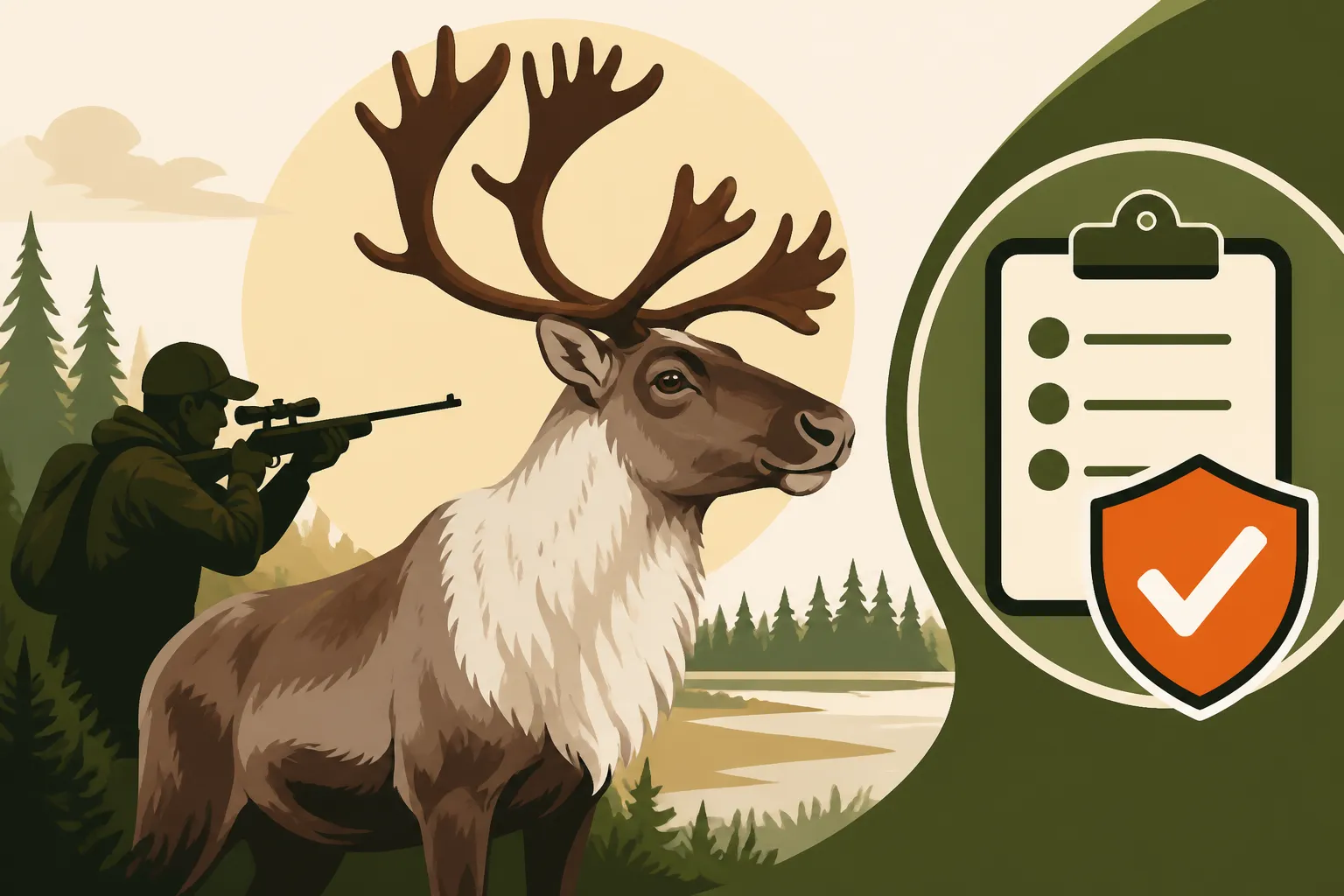
Manitoba offers a truly unique caribou hunting experience, largely focused on the vast, wild expanses of its northern regions. However, it's crucial to understand that not all caribou populations are open to hunting. There's a clear distinction made between the Barren-Ground caribou, which are managed for sport hunting, and the more vulnerable Woodland caribou. This distinction isn't just a technicality; it’s a foundational aspect of responsible hunting and conservation here in Manitoba.
The Specifics of Barren-Ground Caribou Hunting
When we talk about caribou hunting in Manitoba, we're almost exclusively referring to the Barren-Ground caribou. These magnificent animals undertake incredible migrations, often spending part of the year in Manitoba's far north before retreating further into Nunavut or the Northwest Territories. The hunting opportunities for these herds are a true wilderness experience, requiring serious planning, specialized gear, and a deep respect for the remote environment. Access is typically by air, flying into camps or remote drop-off points well beyond any road systems.
The province actively monitors these herds, with seasons and tag allocations carefully managed to ensure sustainable hunting. For hunters, this means adhering to specific dates and GHA (Game Hunting Area) regulations that are designed to coincide with the caribou's migratory patterns and ensure minimal impact on the population. It's a privilege to hunt these animals, and every regulation is in place to preserve that privilege for future generations. For more in-depth planning, consider researching Barren-Ground Caribou Hunting in Northern Manitoba.
Why Woodland Caribou Are Off-Limits
In stark contrast to the Barren-Ground caribou, Manitoba's Woodland caribou populations are currently not available for sport hunting. These caribou are generally non-migratory, living in smaller, more fragmented herds within the boreal forest. They face significant conservation challenges, including habitat loss, fragmentation, and predation. As a result, the provincial government has placed a strong emphasis on their recovery and protection.
This means that while you might spot a Woodland caribou if you're moose hunting or exploring other parts of the boreal forest, you cannot legally hunt them. It's a critical distinction for any hunter in Manitoba to understand. The focus on conservation for Woodland caribou highlights Manitoba's commitment to protecting its wildlife, ensuring that vulnerable populations are given the space and opportunity to recover and thrive without added hunting pressure.
Navigating Caribou Licence Requirements for Residents
For Manitoba residents, the process of acquiring a caribou licence involves understanding specific eligibility criteria and adhering to the province's application procedures. It's not a simple over-the-counter purchase like some other species, reflecting the limited nature of caribou hunting opportunities. Planning well in advance is essential to ensure you meet all requirements and deadlines.
Eligibility and Application Process for Manitoba Residents
As a resident, you're generally eligible to apply for a Barren-Ground caribou licence, provided you meet the basic requirements for holding a Manitoba hunting licence, including having completed the necessary hunter education. However, caribou tags are often allocated through a draw system, given the finite number of animals permitted to be harvested each year. This means you'll need to submit an application during the designated draw period, often months before the season even begins. Information on these processes is typically released annually by Manitoba's Department of Natural Resources and Northern Development.
The draw system can be competitive, and understanding Manitoba's Big Game Draws is key. It's not uncommon for hunters to apply for several years before successfully drawing a tag. When applying, you'll need to specify the Game Hunting Area (GHA) you wish to hunt, so it’s wise to research historical success rates or consult with experienced hunters familiar with specific areas. Tools like GoHunt can sometimes offer insights into past draw odds and GHA characteristics, helping you make an informed decision on your application.
Understanding Tags and Validation
Once you are fortunate enough to draw a caribou licence, understanding your tag and its validation is paramount. The caribou tag is generally species-specific and GHA-specific. Upon harvesting a caribou, hunters are required to immediately validate their tag by cutting out the correct month and day as indicated on the licence. This act of validation is critical and must be done at the site of the kill, before the animal is moved. Failure to properly validate a tag can result in significant penalties, including fines and potential loss of hunting privileges.
Beyond physical validation, hunters are often required to report their harvest to the provincial authorities within a specified timeframe. This reporting helps the province gather crucial data on harvest numbers, success rates, and the health of the caribou population. It's a fundamental part of the conservation framework, ensuring that the management strategies remain effective. Always carry your licence and the appropriate tag with you, and ensure you understand all the conditions printed on it before heading out.
Non-Resident Caribou Hunting: The Guided Experience
For non-residents looking to hunt caribou in Manitoba, the process is quite different and typically involves a mandatory guided experience. This isn't just about convenience; it's a regulatory requirement designed to ensure safe, ethical hunting practices and to manage access to remote northern regions where caribou reside.
Mandatory Guiding for Non-Canadian Residents
If you are a non-Canadian resident, securing a caribou licence in Manitoba is contingent upon booking your hunt through a licensed Manitoba outfitter. This requirement is in place for several reasons: to ensure hunter safety in extremely remote and challenging terrain, to provide local expertise in tracking and navigating, and to ensure compliance with all provincial regulations. It's important to differentiate this from residents of other Canadian provinces who may, under certain circumstances, be able to hunt without a guide, depending on specific agreements and licence types. You can learn more about specific requirements by looking into Manitoba Non-Resident Licence Options.
This mandatory guided experience means that your outfitter will handle many of the logistical complexities, including securing your licence and tags as part of your hunt package. They will also manage the necessary permits for accessing remote areas, arrange transportation (often float planes or chartered aircraft), and provide experienced guides who are intimately familiar with the northern landscape and caribou behavior. It's a comprehensive service that makes these challenging hunts possible and safer for those unfamiliar with Manitoba's wilderness.
The Role of Licensed Outfitters
Licensed outfitters play a pivotal role in non-resident caribou hunting in Manitoba. They are not merely service providers; they are partners in conservation, responsible for ensuring their clients adhere to all hunting laws and ethical practices. When considering a caribou hunt, thoroughly research and choose an outfitter with a strong reputation for safety, success, and responsible hunting. You'll want to review their packages, understand what's included (lodging, food, transport, guiding fees, licence costs, etc.), and clarify any additional expenses like trophy preparation or meat processing.
Good outfitters will be transparent about their operations, success rates, and the challenges inherent in a remote caribou hunt. They will also educate you on local regulations, such as Manitoba Caribou Season Dates and bag limits. Websites and resources like GoHunt can sometimes list reputable outfitters and provide reviews, giving you a starting point for your research. They are also often invaluable in assisting with preparations such as firearm declarations for crossing the border into Canada. Remember, your outfitter is your primary resource and guide in the Manitoba wilderness, so choose wisely. For a broader overview, check out Hunting Guides and Outfitters in Manitoba.
Key Regulations and Conservation Efforts
Manitoba's approach to caribou hunting is deeply rooted in sound conservation principles. Every regulation, from season dates to bag limits and reporting requirements, serves the overarching goal of maintaining healthy caribou populations for generations to come. Understanding and respecting these rules isn't just about legality; it's about being a responsible steward of the resource.
Season Dates, Bag Limits, and Reporting
Caribou season dates in Manitoba are typically quite specific and often limited to certain periods in the late summer or early fall, designed to intercept migrating herds. These dates can vary slightly year to year based on population assessments and are published in the annual Manitoba Hunting Guide. It's crucial to consult the most current guide, as hunting outside these dates is strictly prohibited. The bag limit for caribou is usually one animal per hunter, per season, often specified as a bull. This conservative limit helps ensure that overall harvest levels remain sustainable.
Beyond the immediate validation of your tag at the kill site, hunters are generally required to report their harvest to the province. This might involve submitting a tooth for aging or providing details about the kill location and conditions. This data is invaluable for wildlife biologists who use it to monitor population dynamics, age structures, and herd health. Compliance with these reporting requirements is not optional; it's a mandatory part of your licence conditions and contributes directly to the effective management of Manitoba's caribou.
Protecting Manitoba's Caribou Herds
Manitoba takes its responsibility for caribou conservation seriously. This isn't just about hunting regulations but encompasses broader initiatives like habitat protection, research, and monitoring programs. The province actively collaborates with Indigenous communities, other jurisdictions, and conservation groups to implement comprehensive management plans. The strict distinction between huntable Barren-Ground caribou and protected Woodland caribou is a prime example of this commitment.
Conservation efforts also extend to managing other factors that impact caribou, such as industrial development, wildfire, and predation. By regulating harvest, protecting critical habitats, and conducting ongoing scientific research, Manitoba strives to ensure that its caribou herds remain robust. As hunters, our role in these efforts is paramount: by adhering to all licence rules, reporting harvests accurately, and supporting conservation initiatives, we become active participants in the long-term health of these iconic northern animals.
Planning Your Caribou Hunt: Practical Considerations
A caribou hunt in Manitoba is a true adventure, often taking you deep into remote wilderness areas. Success isn't just about drawing a tag; it's about meticulous planning and being prepared for the unique challenges of hunting in the north.
| Aspect | Resident Self-Guided Hunt (Limited Availability) | Non-Resident Guided Hunt |
|---|---|---|
| Licence Application | Draw system, apply directly to province | Outfitter typically handles |
| Guide Requirement | Not always mandatory | Mandatory for Non-Canadians |
| Logistics | All self-arranged (flights, camp, gear) | Outfitter arranges most logistics |
| Experience Needed | Extensive remote wilderness experience | Less self-reliance on logistics |
| Access | Float plane, remote outposts | Outfitter-arranged air charter |
| Cost | Licence + personal expenses + travel | All-inclusive package price |
| Safety | High degree of self-sufficiency required | Outfitter provides emergency plan |
Gear, Logistics, and Remote Travel
Hunting caribou in Manitoba's far north means preparing for extreme conditions and remote travel. Your gear list will be extensive, including durable, warm clothing suitable for unpredictable weather, robust camping equipment, and reliable navigation tools. Satellite communication devices like satellite phones or InReach units are absolutely essential, as cell service is non-existent. You'll likely be flying into your hunting area, often on a float plane, so understanding weight limits and cargo restrictions is critical. Researching Flying North for Manitoba Caribou can provide valuable insights into these logistics.
Food, water purification, first-aid supplies, and emergency shelter should also be high on your priority list. The remoteness means self-sufficiency is key; there's no popping into a corner store for forgotten items. Consider how you'll handle a downed animal – Packing Caribou Out to a Float Plane is no small feat and requires planning for butchering, packing, and transporting meat and antlers. Many hunters use resources like GoHunt to research suitable gear and create packing checklists, ensuring nothing is overlooked for such a significant undertaking.
Ethical Hunting Practices and Respect for the Resource
Hunting caribou in Manitoba demands the highest standards of ethical conduct and respect for the animal and its habitat. This includes familiarizing yourself with caribou behavior and anatomy to ensure clean, humane kills. Taking responsible shots and knowing your effective range are non-negotiable. It’s also important to understand Judging a Barren-Ground Caribou Bull to ensure you are targeting an appropriate animal according to regulations or personal hunting goals.
Beyond the shot, ethical hunting extends to meticulous meat care in the field. Remote northern hunts mean you're often far from cold storage, so prompt field dressing and cooling of the meat are vital, especially when dealing with warmer early season temperatures. Minimizing waste of game meat is a legal and ethical obligation in Manitoba. Lastly, leave no trace. Pack out everything you pack in, and respect the pristine wilderness you are privileged to enter. This commitment to ethics ensures the sport remains respected and sustainable for generations to enjoy.
Disclaimer
The information provided in this article is for general guidance only and is not a substitute for the official Manitoba Hunting Guide and regulations. Hunters are responsible for consulting the most current provincial hunting regulations, which can change annually. Always verify all rules, seasons, and licensing requirements with the appropriate Manitoba government authorities before planning or undertaking any hunting activity.