Manitoba’s Elk and Moose Draws
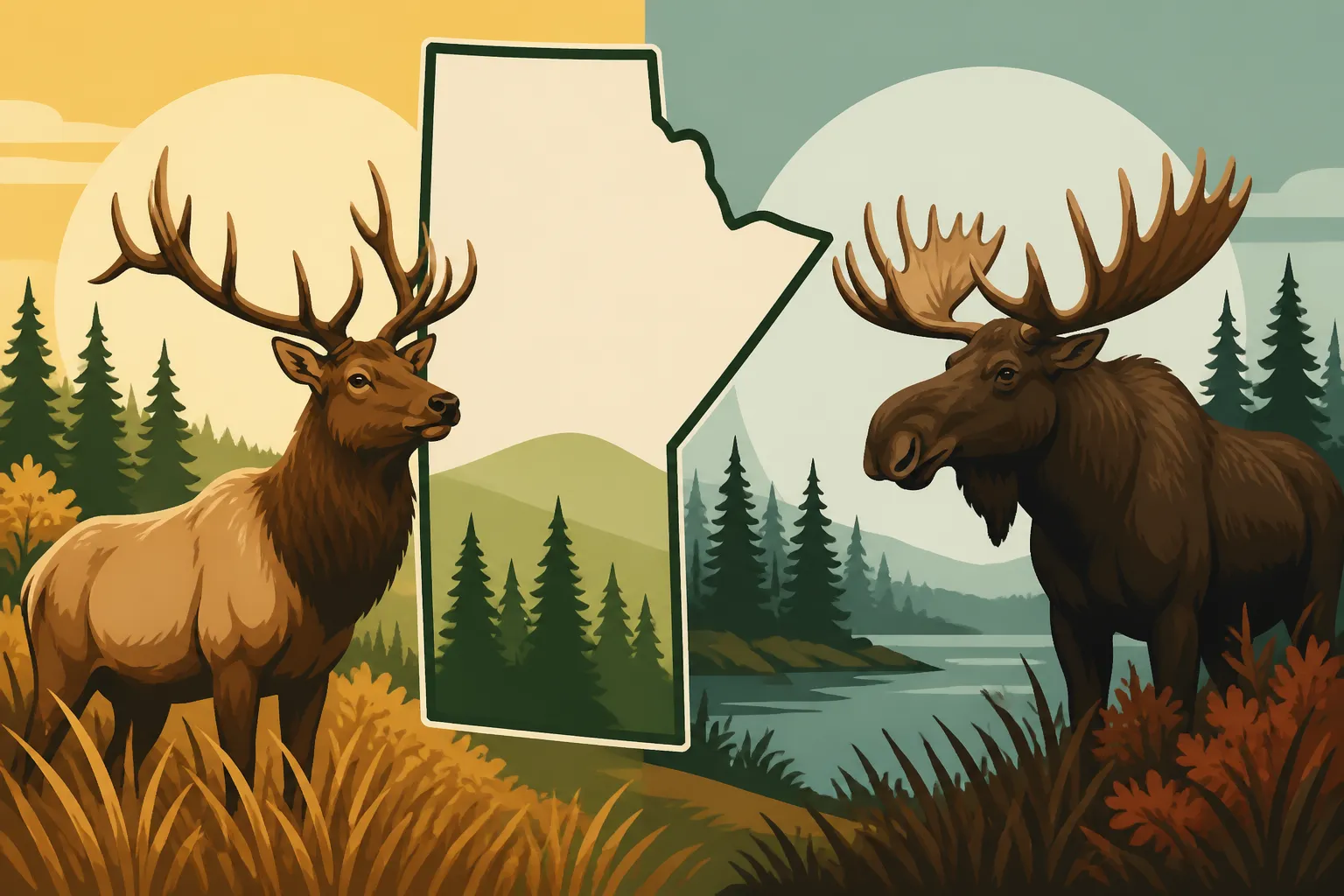
The dream of calling in a bull moose or spotting a trophy elk in the vast Manitoba wilderness is a powerful one for many hunters. But before you can even think about the hunt itself, you first have to navigate the often complex and sometimes frustrating world of big game draws. It can feel like a lottery, a system shrouded in mystery, and getting your hands on one of those coveted tags can seem like an uphill battle. This guide is here to demystify Manitoba's elk and moose draw system, walking you through everything from application to understanding your odds, so you can increase your chances of experiencing one of these incredible hunts.
Understanding Manitoba's Draw System for Elk and Moose
For many of us, the idea of chasing big game like moose and elk conjures up images of wide-open spaces and the thrill of the chase. However, the reality of managing these magnificent animals and their habitats in a place like Manitoba means that hunting opportunities need to be carefully controlled. That's where the draw system comes into play, a system that, while sometimes a source of anxiety, is absolutely essential for sustainable wildlife management.
Why Draws Are Necessary in Manitoba
Imagine if every hunter who wanted an elk or moose tag could simply buy one over the counter. The pressure on these populations would be immense, and it wouldn't be long before numbers dwindled, and the quality of the hunting experience declined significantly. Manitoba's draw system is designed to prevent this exact scenario. It's a critical tool for managing herd health, ensuring a balanced age structure, and preventing overharvest in specific Game Hunting Areas (GHAs). By limiting the number of tags issued annually, the province can ensure that elk and moose populations remain healthy and robust for future generations of hunters. This proactive management approach safeguards both the animals and the integrity of the hunting tradition we all cherish. Without these draws, the very hunts we dream of would quickly become unsustainable.
The Basic Mechanics of the Draw
At its core, the Manitoba draw system for elk and moose is a lottery, but it's one with a few specific rules and nuances that are important to understand. Each year, the province determines the number of tags available for various species within different GHAs, based on population surveys, habitat assessments, and conservation goals. For species like moose and elk, where demand often far outstrips supply, these draws become a necessity. You're not just buying a tag; you're applying for the chance to buy a tag. The system is administered through the Manitoba government's online licensing portal, where hunters submit their applications within a specific window each year. It's a fairly straightforward online process once you get the hang of it, but making smart choices during the application can significantly impact your potential success. It's not just about throwing your name in the hat; it's about making informed decisions about which hat to throw it into.
Eligibility and Application Process
Navigating the application process for Manitoba's big game draws can feel a bit daunting, especially for those new to it. There are specific requirements you need to meet, and a strict timeline to adhere to. Understanding these elements fully before you even think about applying will save you a lot of headaches and ensure your application is valid. It's more than just filling out a form; it's about being prepared and knowing the landscape of who can apply and how.
Resident vs. Non-Resident Eligibility
First and foremost, eligibility for Manitoba's elk and moose draws hinges on your residency status. For Manitoba residents, the process is generally more accessible, with a greater number of tags and often better odds in many GHAs, reflecting the province's commitment to providing opportunities for its own citizens. If you're a Manitoba resident, you'll apply directly through the provincial online system. You can find more detailed information on specific requirements and fees in Manitoba Resident Licence Options.
For Canadian non-residents, the situation changes slightly. While Canadian non-residents can apply for certain big game draws, often they face tougher competition or more limited tag allocations. The rules for Foreign Resident Hunting Requirements are even more stringent; foreign residents (anyone not a Canadian resident) are generally required to book their moose or elk hunt through a licensed Manitoba outfitter. This means they cannot apply directly through the public draw for these species. Outfitters receive a block of tags, and foreign hunters purchase their hunt package directly from these outfitters, simplifying the draw process for them, but usually at a higher cost. It's crucial to verify your status before getting too deep into the application process to avoid disappointment.
Navigating the Manitoba Online Portal
The heart of your draw application will be the Manitoba online licensing portal. This is where you'll create your hunter profile, apply for draws, and eventually purchase your license if successful. It's generally user-friendly, but like any online system, it has its quirks. Before the application window even opens, it’s a good idea to log in, ensure your hunter education details are up to date, and that your personal information is accurate. When you're ready to apply for the draws, you'll select the species (elk or moose) and then choose your preferred GHAs. You typically get to select a first, second, and sometimes third choice, so strategic planning here is paramount.
While the provincial portal is the official avenue, resources like GoHunt can be invaluable for gathering information beforehand. Tools that analyze past draw odds or GHA statistics can help you make more informed decisions about your choices, especially when looking at the intricate details of Manitoba Elk Draw Odds by GHA or Manitoba Moose Draw Odds by GHA. The portal itself will guide you through the steps, prompting you for your choices and requiring a non-refundable application fee. Take your time, double-check your GHA selections, and make sure you understand How Manitoba's Draw Application Works before you hit submit.
Key Application Dates and Deadlines
One of the most critical aspects of the big game draw process is knowing and adhering to the application dates. Miss a deadline, and you're out of luck for the entire season. The application period for Manitoba's elk and moose draws typically opens in the spring, often around April, and closes in late May or early June. These dates are firm and are strictly enforced, so mark them on your calendar, set reminders, and make sure you apply well in advance.
It's not uncommon for hunters to wait until the last minute, only to be caught out by a technical glitch or unforeseen circumstance. Don't let that be you. Keep an eye on the official Manitoba government hunting guide and their website for the precise dates each year. While they tend to be consistent, slight variations can occur. Understanding Manitoba Draw Deadlines and Results is fundamental, and ensures you don't miss your shot at a tag before the season even begins. After all, the best scouting in the world won't help if your application isn't even in the running.
Maximizing Your Draw Odds
Getting a tag for elk or moose in Manitoba often feels like a roll of the dice, but there are definitely strategies you can employ to tilt the odds slightly more in your favour. It's not just pure luck; it's about smart research, understanding the patterns of the draw, and sometimes, leveraging the power of collective applications. Treating the draw as a calculated decision, rather than just a hopeful wish, can make all the difference in whether you're heading out to the field or staying home.
Researching GHA Draw Odds by Species
This is perhaps the single most important step in maximizing your chances. Each Game Hunting Area (GHA) in Manitoba has different tag allocations and, consequently, different draw odds. These odds are influenced by factors like population density, harvest success rates from previous years, and the number of applicants for that specific GHA. For instance, a GHA known for producing large bulls might have significantly tougher odds than a lesser-known area, even if that lesser-known area still offers a solid hunting experience.
You need to dig into the historical data. The Manitoba government typically publishes draw statistics from previous years, showing how many tags were offered, how many applications were received, and the resulting success rates. This information is gold. Tools like GoHunt can often aggregate and present this data in an easily digestible format, helping you compare various GHAs side-by-side. Focus on Manitoba Elk Draw Odds by GHA and Manitoba Moose Draw Odds by GHA specifically. Pay attention not just to first-choice odds, but also second and third choice success rates, as these can offer a backdoor into a tag for a desirable area. Some GHAs, particularly in the northern reaches, might see fewer applicants due to access challenges, potentially boosting your odds. It's a trade-off between convenience and opportunity, and your research will help you determine that balance.
The Ins and Outs of Party Applications
Manitoba's draw system allows for party applications, which can be a double-edged sword but often beneficial. A party application means a group of hunters (usually two, but sometimes up to four for certain species/GHAs) applies together on a single application. If that application is drawn, everyone in the party receives a tag. The key benefit here is that you're applying as a unit, and if your number comes up, everyone gets to hunt. This is fantastic for planning a trip with hunting buddies or family.
However, there's a crucial aspect to understand: if you apply as a party of two, your application is treated as one application, not two individual applications. This means your collective odds are generally the same as a single applicant. The downside is that if there are fewer tags than party members (e.g., 3 tags available, and a party of 4 draws), your party might be passed over in favour of a smaller party or single applicant. Always consider the number of available tags versus your party size. For highly competitive draws, a smaller party might marginally increase your chances of being awarded the tags if your number is drawn. For a detailed breakdown, look into Applying as a Party in Manitoba's Draw. It’s a great way to guarantee you and your friends hunt together if successful, but requires a bit of foresight.
Choosing Your GHA Priorities Wisely
Once you've done your research on draw odds, the next step is to strategically rank your GHA choices. This isn't a random dart throw; it's a calculated decision based on your hunting goals, the species you're after, and your risk tolerance. Most applications allow for multiple choices – typically a first, second, and third. Your first choice should ideally be your dream GHA, the one you most want to hunt, even if the odds are tough. However, don't waste your second and third choices on equally long shots.
This is where your research on Which GHAs Are Hardest to Draw really pays off. Your second and third choices should be GHAs that offer a more realistic chance of drawing, perhaps with slightly higher success rates, or those that might see less pressure due to terrain or access challenges. For example, if your dream GHA for elk is in the highly competitive Riding Mountain fringe, your second choice might be a less popular GHA in the Interlake that still offers good hunting but has better draw statistics. Consider the trade-offs: are you willing to hunt a more challenging area for better odds? Are you able to access remote northern GHAs for moose that might have fewer applicants? Think about practicalities like travel time, access points, and the type of terrain you're comfortable hunting. A thoughtful approach to GHA selection is a huge part of maximizing your draw potential.
Post-Application: Waiting and What Comes Next
You've done your research, carefully filled out your application, and submitted it to the provincial portal. Now comes the hardest part for many hunters: the wait. The period between application and results can feel agonizingly long, filled with anticipation and maybe a little anxiety. But understanding what happens during this phase, and what steps to take once the results are announced, can help manage expectations and prepare you for whatever outcome awaits.
When Manitoba Draw Results Are Posted
The waiting game after submitting your draw application is truly brutal. It’s a period of checking your email daily, refreshing the Manitoba Parks and Wildlife website, and perhaps even compulsively checking hunting forums for any whispers of results being released. Typically, the results for Manitoba's elk and moose draws are posted sometime in July or early August. While the exact date can vary slightly year to year, the province aims to provide hunters with ample time to plan their hunts if successful.
When the results are out, you'll usually receive an email notification indicating whether your application was successful or not. If you don't see an email, don't despair immediately; sometimes they get caught in spam filters, or there might be a slight delay. The definitive way to check is to log directly into your hunter account on the Manitoba licensing portal. There, your draw status will be clearly displayed. This is also where you will be able to proceed with purchasing your license if you were successful. Remember, the province also provides a detailed schedule for Manitoba Draw Deadlines and Results, so you can anticipate the announcement window.
What to Do if You Draw a Tag
The moment you see "SUCCESSFUL" next to your elk or moose draw application is an absolute rush. Congratulations! But the journey isn't over yet. The next crucial step is to purchase your license. Drawing a tag doesn't automatically mean you own it. There's usually a specific timeframe within which you must purchase your allocated license. Miss this window, and your hard-earned draw success can be forfeited, often with no opportunity for reinstatement.
Once you’ve secured your license, the real planning begins. This involves thoroughly reviewing the Manitoba Big Game Season Dates for your specific GHA, understanding bag limits, and any special conditions. You'll want to start thinking about your hunting strategy: Will you be still-hunting, calling, or setting up a blind? Where will you scout? If you plan on Scouting a Manitoba Game Hunting Area, now is the time to finalize those plans. Consider booking any necessary accommodations or securing access to private land if that's part of your strategy. For moose, you might be practicing Calling a Bull Moose in the Rut, and for elk, honing your skills in Bugling Elk in Manitoba's Parkland. This is the exciting part where dreams start to turn into reality, so make sure all your administrative ducks are in a row first!
If Your Application is Unsuccessful
It’s an unfortunate reality that for highly sought-after species like elk and moose, many more hunters apply than there are tags available. If your application comes back as unsuccessful, it can be a real punch to the gut. The disappointment is understandable, especially after all the research and anticipation. However, an unsuccessful draw isn't the end of your hunting season, and it definitely shouldn't deter you from trying again next year.
First, take a moment to process it. It's okay to be frustrated. Then, pivot. An unsuccessful draw provides valuable information. Re-evaluate your GHA choices and draw strategies. Were your choices too ambitious? Did you apply for Which GHAs Are Hardest to Draw without enough realistic backup options? Use tools like GoHunt again to see if your chosen GHAs were particularly competitive that year. Now is also the time to consider other hunting opportunities. Perhaps you can focus on Whitetail Hunting in Manitoba, Black Bear Hunting in Manitoba, or dive into Waterfowl Hunting Manitoba's Grain Fields, all of which offer fantastic experiences. Many hunters choose to pick up an archery tag for deer or bear if they strike out on the draw, providing an alternative big game experience. Remember, every year is a new opportunity, and persistence often pays off in the long run.
Special Considerations and Regulations
Hunting in Manitoba, especially for majestic animals like elk and moose, comes with a set of responsibilities and specific regulations designed to protect both the wildlife and the hunting tradition. Beyond just the draw itself, there are critical considerations that can impact where and how you hunt, and even whether certain areas are open at all. Being informed about these special rules is just as important as knowing your draw odds.
Manitoba's Moose Conservation Closures and Their Impact on Draws
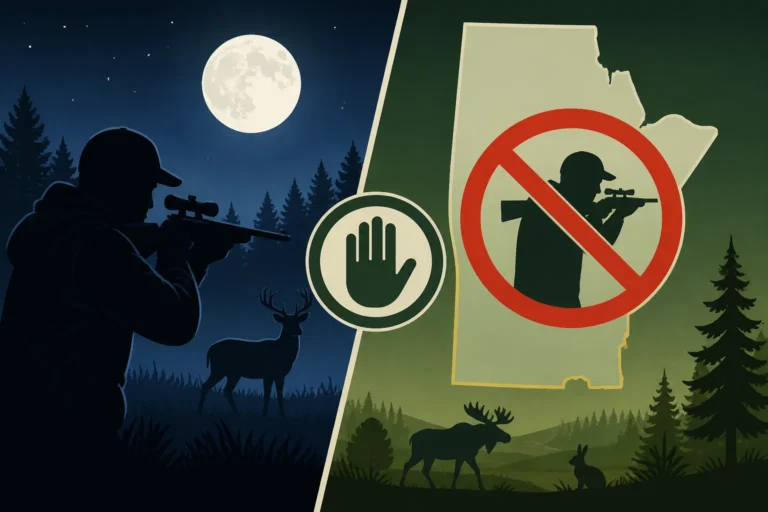
One of the most significant considerations for moose hunters in Manitoba is the network of conservation closures. In recent years, certain GHAs have seen substantial Manitoba's Moose Conservation Closures due to declining moose populations. These closures mean that moose hunting is either severely restricted or entirely prohibited in those areas, even if they were historically prime moose country. These decisions are made based on scientific surveys and a commitment to allowing moose populations to recover.
These closures directly impact the draw system. If a GHA is closed for moose, no tags will be offered for that area in the draw. This naturally concentrates hunting pressure and applications into the remaining open GHAs, making the draw even more competitive in those areas. It's crucial that before you even think about putting down a GHA as a first choice for moose, you verify its status. The provincial hunting guide or the online licensing portal will clearly indicate which GHAs are open or closed for moose hunting. Applying for a closed GHA will simply result in an unsuccessful application and a wasted fee. Understanding Where Moose Hunting Is Closed Entirely is a critical first step for any hopeful moose hunter.
CWD Sampling Requirements and Draw Areas
Chronic Wasting Disease (CWD) is a serious neurological disease that affects deer, elk, and moose. It's a significant concern for wildlife managers in Manitoba, and as a result, the province has implemented mandatory CWD sampling requirements in certain areas. These areas are typically identified as Manitoba's Mandatory CWD Sampling GHAs because of their proximity to known CWD cases or a higher risk of the disease spreading.
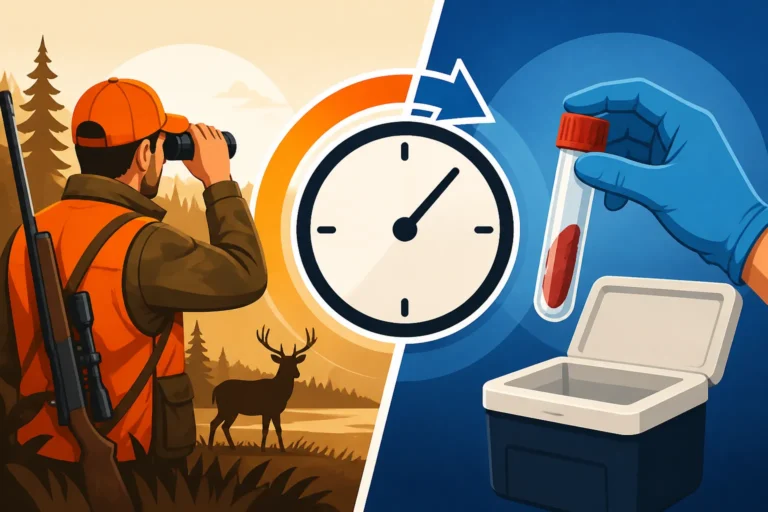
If you are successful in drawing an elk or moose tag for a GHA that falls within a CWD mandatory sampling zone, you will be required to submit a sample from your harvested animal. This usually involves submitting the head (specifically the lymph nodes) to a designated drop-off location within a specified timeframe. This process is vital for monitoring the spread of CWD and protecting Manitoba's wildlife populations. It's not just a formality; it's a critical part of being a responsible hunter. Familiarize yourself with the sampling process and drop-off points well before your hunt if you're drawn for one of these areas. This information is typically provided with your license or can be found on the provincial website.
Understanding Specific GHA Rules and Season Dates
Beyond the general draw rules and conservation measures, each GHA can have its own specific regulations, season dates, and even bag limits that differ from the provincial norm. This is particularly true for elk and moose, where population dynamics and management goals can vary wildly from one region to another. For example, some GHAs might have a general open season, while others might only permit archery or muzzleloader hunting for a shorter period. Some might offer bull-only tags, while others might include a limited number of antlerless tags.
It’s your responsibility as a hunter to thoroughly read and understand the Manitoba Big Game Season Dates for the exact GHA you are drawn for. Don't assume that rules for one area apply to another. Things like legal shooting hours, permissible hunting methods, and specific weapon restrictions can all vary. The official Manitoba hunting guide is your best friend here. It provides a detailed breakdown of all these nuances. A quick search on the Manitoba government website for your specific GHA will yield the most current and accurate information. Being fully prepared and knowledgeable about the regulations ensures a safe, legal, and ultimately more enjoyable hunting experience.
Table of Hypothetical Draw Odds by GHA (Moose & Elk)
To give you a clearer picture of how competitive different areas can be, here’s a hypothetical table illustrating potential draw odds for moose and elk in a few sample Manitoba GHAs. Please note: These numbers are illustrative and do not reflect current official provincial statistics. Always consult the official Manitoba government draw results for the most accurate and up-to-date information.
| GHA Name (Hypothetical) | Species | Tags Available (Hypothetical) | Total Applications (Hypothetical) | Estimated Draw Odds (Hypothetical) | Primary Access Type |
|---|---|---|---|---|---|
| GHA 13 (Parkland Elk) | Elk | 25 | 1200 | 2.08% | Road, ATV |
| GHA 20 (Northern Moose) | Moose | 15 | 350 | 4.29% | Fly-in, Winter Road |
| GHA 21A (Interlake Elk) | Elk | 10 | 800 | 1.25% | Road, ATV |
| GHA 26 (Boreal Moose) | Moose | 5 | 150 | 3.33% | ATV, Remote |
| GHA 30 (Southern Elk) | Elk | 30 | 1500 | 2.00% | Road, ATV |
This table highlights the variation you can expect. GHAs with easier access or closer to population centers often see higher application numbers, making the odds tougher. Conversely, more remote GHAs, while challenging to access, can sometimes offer slightly better statistical chances due to fewer applicants. Use this type of data, informed by official provincial statistics, to guide your draw application strategy, possibly by using tools like GoHunt to compare your options.
Disclaimer
The information provided in this article is for general guidance only and is based on current understanding of Manitoba hunting regulations. Regulations can change annually. It is the hunter's sole responsibility to consult the most recent official Manitoba Hunting Guide and provincial regulations before participating in any hunting activities. Always prioritize safety and ethical hunting practices.