Hunting a Cattle Pasture Draw
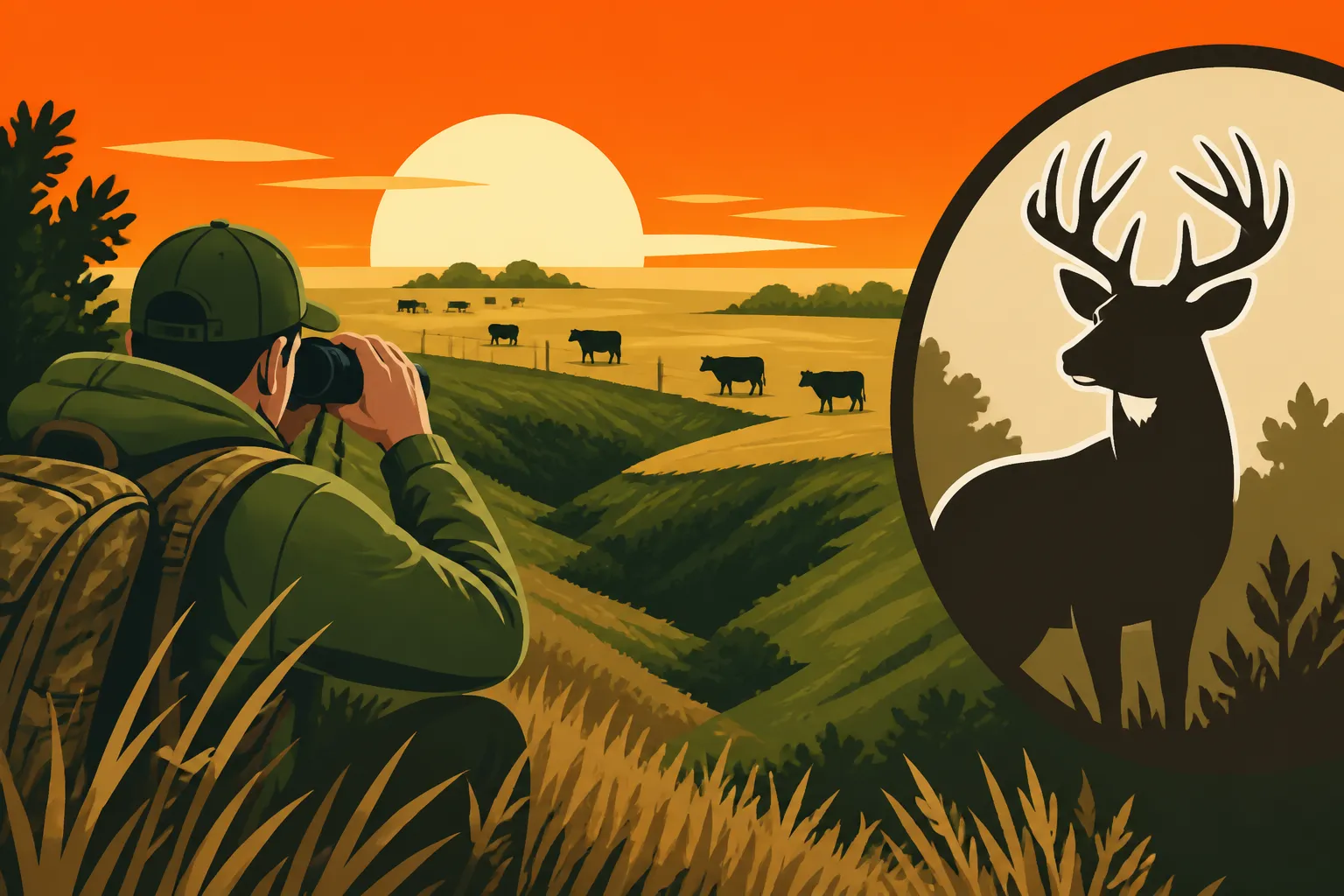
There's a specific kind of frustration many Manitoba hunters feel when they look at seemingly barren agricultural landscapes, wondering where on earth the deer could possibly hide. Those wide-open fields can feel intimidating, but often, the most overlooked spots hold incredible potential. Today, we're diving deep into one such hidden gem: the cattle pasture draw. This guide will walk you through how to pinpoint these unassuming deer magnets and implement effective strategies to make your next hunt a success.
Understanding Cattle Pasture Draws as Prime Deer Habitat
A cattle pasture draw might not immediately scream "deer hot spot" to everyone, but these subtle topographical features are often sanctuaries for whitetails in open, agricultural country. Think of a draw as a natural depression, a gentle valley, or a low-lying area that carves through an otherwise flat or gently rolling pasture. Unlike a defined river valley, a draw is typically much shallower and can sometimes be barely noticeable until you're right upon it.
What makes these draws so appealing to whitetails? It comes down to a few critical factors:
- Cover and Concealment: In open pasture, any deviation in elevation or vegetation offers invaluable cover. Draws often collect more moisture, leading to denser growth of brush, small trees, and taller grasses than the surrounding pasture. This thick cover provides a crucial sense of security for deer, allowing them to move unseen and bed down away from prying eyes and the biting Manitoba winds. When you're glassing a vast field, it's easy to dismiss these subtle dips, but that's exactly why deer gravitate to them – they offer a refuge.
- Travel Corridors and Funnels: Deer are creatures of efficiency and safety. Draws naturally create sheltered travel lanes, allowing bucks and does to traverse open areas with minimal exposure. Imagine a deer needing to move from a woodlot on one side of a pasture to a feeding area or another patch of cover. Rather than walking across the exposed pasture, they'll inevitably choose the path of least resistance and greatest concealment: the draw. These draws act as natural funnels, concentrating deer movement into predictable pathways, especially during the colder months when thermal cover is at a premium.
- Food and Water Sources: While not always obvious, draws can sometimes hold more palatable browse or act as catchment areas for water, creating temporary puddles or holding moisture longer into dry spells. Even without standing water, the thicker vegetation can offer a more diverse food source compared to the grazed-down surrounding pasture. This combination of shelter, travel, and potential resources makes a draw a miniature ecosystem for deer.
The Role of Topography and Vegetation
The specific characteristics of a draw will dictate how deer use it. A shallow, wide draw with only slightly taller grass might be used primarily as a travel corridor during low-light hours. However, a deeper, narrower draw packed with dense willow, aspen regeneration, or even a few mature trees provides significant bedding cover and daytime sanctuary. These deeper draws can offer a complete break from the wind, an essential consideration when you're Hunting Safely in Deep Winter Cold.
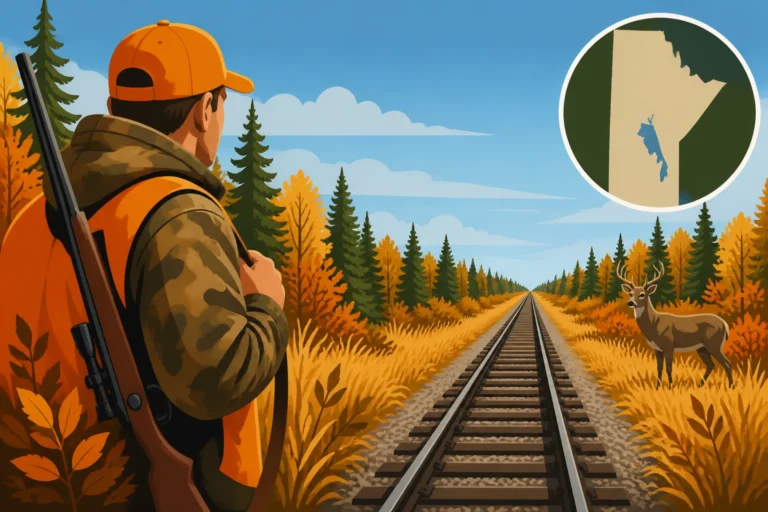
In Manitoba's mixed agricultural and parkland zones, these draws are common features. They often intersect larger bush edges or woodlots, creating a natural extension of deer cover into open areas. Sometimes, a draw might even connect two distinct pieces of timber, acting as a critical bridge for deer movement. Understanding this interplay between the draw's micro-topography and the broader landscape is key to unlocking its potential. It's not just a ditch; it's a living, breathing part of the deer's world.
Strategic Scouting for Productive Pasture Draws
Finding the right cattle pasture draw isn't about blind luck; it's about systematic scouting, both from your computer and on the ground. Hunters who put in the effort during the off-season or just before the hunt often reap the rewards.
Harnessing Satellite Imagery and Topo Maps
Before you even step foot in a field, advanced mapping tools are your best friend. Services like GoHunt offer incredible satellite imagery and topographical maps that can reveal these subtle draws from above. Look for darker green linear features snaking through lighter green or brown fields. These darker hues usually indicate denser vegetation, which often corresponds to lower, moister ground – a draw.
Zoom in and pay attention to:
- Entry and Exit Points: Where does the draw begin and end? Does it connect to a woodlot, a river bottom, or another patch of cover? These connection points are often high-traffic zones.
- Intersections and Bends: Deer, like humans, often cut corners. Look for sharp bends or where multiple draws converge. These create natural bottlenecks where deer movement is concentrated.
- Fencing: Are there fences running through or along the draw? Look for worn-down sections or specific crossing points. These can be excellent places to hang a trail camera or position a stand.
- Elevation Changes: Use the topographical overlay to understand the depth and steepness of the draw. Deeper draws offer more thermal protection and visual cover.
By thoroughly analyzing satellite imagery, you can quickly narrow down vast areas to a few promising draws, saving you countless hours of unproductive walking. It’s like having an eagle’s eye view of the entire Manitoba's Parkland Region.
Boots-on-the-Ground Reconnaissance
Once you've identified potential draws on your map, it's time to hit the field. This is where you confirm your theories and gather crucial real-time intel. The best times for scouting are typically in early fall, before heavy snows obscure tracks, or after a light dusting of fresh snow, which highlights deer trails beautifully.
As you walk the draw, look for undeniable signs of deer activity:
- Tracks: Fresh tracks, especially larger ones, indicate recent buck movement. Pay attention to their direction of travel within the draw. Are they using it to feed, bed, or simply pass through?
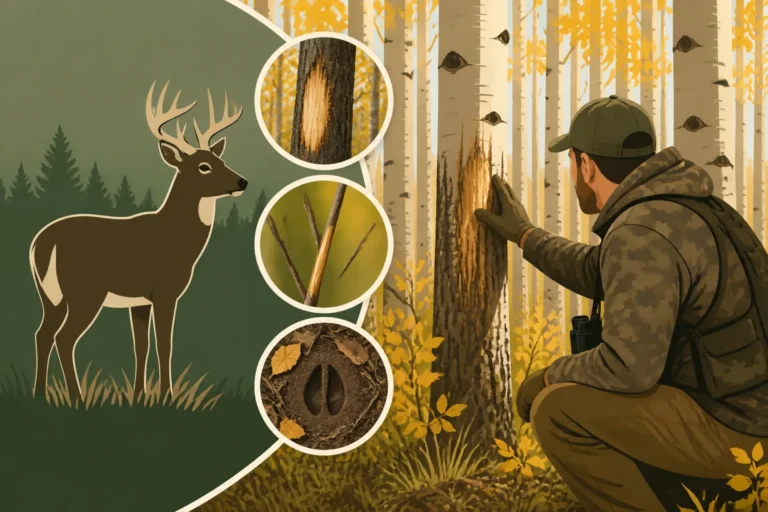
- Rubs and Scrapes: These are tell-tale signs of a buck's presence and activity. Rubs on small trees or brush indicate a buck marking his territory, while scrapes are communication hubs where deer leave scent. These are particularly common along the edges of thicker cover within the draw. Finding these signs gives you a clear indication of a buck's home range and travel patterns, especially if you are interested in Reading Whitetail Sign in Manitoba Aspen.
- Bedding Areas: Look for flattened-down spots in thick grass or brush, often slightly elevated within the draw to offer a good vantage point while remaining concealed. These indicate where deer are spending their daytime hours.
- Droppings: The amount and freshness of deer droppings will tell you how much time deer are spending in the area and how recently.
Remember to consider the cattle themselves. While deer use the draws for cover, heavy cattle grazing can sometimes push them out temporarily. Look for deer sign distinct from cattle activity. Deer trails often run along the edges of heavily grazed areas, or they might utilize the draw primarily at night when cattle are less active. Always make sure to ask for and receive explicit permission from the landowner before accessing any private land. This is not just courteous, it's the law under Manitoba Landowner Permission Law.
Effective Hunting Tactics in Pasture Draws
Hunting a cattle pasture draw effectively requires a blend of patience, strategic placement, and an understanding of deer behaviour in open country. It's a different game than hunting dense bush, but equally rewarding.
Stand Placement and Wind Considerations
The most critical factor in draw hunting, especially in open areas, is managing your scent. Deer will absolutely bust you if your scent blows into their travel corridor. Therefore, choosing a stand location that keeps the wind in your favour is paramount.
- Elevated Stands: A tree stand placed on a taller tree at the edge of a draw, or even a small bluffy area overlooking the draw, can be incredibly effective. It gets your scent above the primary travel routes and gives you an elevated vantage point to glass the surrounding pasture. Always consider the sun's position for morning and evening hunts to avoid being silhouetted.
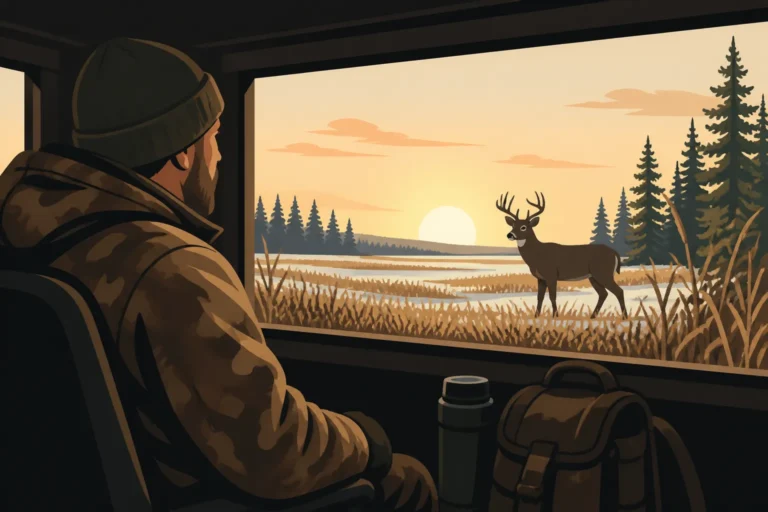
- Ground Blinds: If suitable trees are sparse, a well-camouflaged ground blind tucked into the thickest part of the draw can work wonders. Be mindful of your entrance and exit to avoid spooking deer as you approach or leave. Use natural cover to break up your outline.
- Funnel Points: Position your stand overlooking natural funnels within the draw. These could be narrow sections, fence crossings, or where the draw intersects another trail. Deer are creatures of habit and will use these constriction points reliably.
- Avoid the Bottom: While deer travel the bottom of a draw, often the swirling winds can be unpredictable. Setting up on the downwind edge, slightly up the bank, gives you a better chance of catching deer as they approach or move through, especially if you anticipate them moving from a particular direction.
| Stand Type | Pros | Cons | Ideal Scenario |
|---|---|---|---|
| Tree Stand | Excellent vantage, scent dispersion | Requires suitable tree, more visible to deer, complex setup | Draws with scattered larger trees, overlooking bends or intersections |
| Ground Blind | Great concealment, comfortable, easy access | Limited visibility, scent pooling can be an issue, larger profile | Draws with dense brush/cover, persistent winds, or stalking opportunities |
| Natural Cover | Free, easily adaptable, low impact | Requires skill to remain hidden, limited comfort, highly exposed | Quick setups, still hunting, or stalking; requires constant vigilance |
Still Hunting and Stalking the Draws
For hunters who prefer to be on the move, still hunting or stalking along a draw can be very productive. The natural contours and thicker vegetation of a draw provide excellent cover for an approach. This is particularly effective during colder weather or when deer are bedded down tight.
- Slow and Steady: Move incredibly slowly, pausing frequently to glass ahead and listen. Use binoculars to pick apart every clump of brush. Deer will often be bedded within the draw, and you might only catch a flick of an ear or the horizontal line of a back.
- Use the Wind: Always hunt into the wind when still hunting. This allows your scent to blow away from the deer you are approaching.
- Contours as Cover: Utilize every rise and dip in the draw to conceal your movement. Stay low, break up your silhouette, and move only when deer are looking away or obscured.
- Calling: During the rut, soft grunt calls can be effective, especially if you believe a buck is bedded or moving through the draw. The cover within the draw allows sound to travel well, and a subtle call can pique a buck's curiosity without giving away your exact location. For specific techniques, consider learning more about Rattling Volume in Open Parkland to tailor your approach.
Timing Your Hunt and Patience
Deer typically use draws most heavily during low-light hours – dawn and dusk – as they move between bedding areas and feeding fields. However, during periods of high hunting pressure or severe weather, they might bed in the draws throughout the day, making midday hunts surprisingly productive. If you've done your scouting and found fresh sign within a thick draw, don't be afraid to sit patiently through the middle of the day. A mature buck might only get up to stretch or grab a quick bite within the confines of the draw.
Patience is paramount. These aren't always high-action hunts. You might sit for hours, but when a deer finally appears, it will often be exactly where you expect it – moving predictably along the path of the draw. Understanding Manitoba Big Game Season Dates will help you plan when these tactics might be most effective during the various phases of the season.
Essential Gear and Practical Considerations for Draw Hunting
Hunting pasture draws in Manitoba often presents unique challenges and opportunities that require specific gear and careful planning. Being prepared for anything the elements or the landscape throws at you will make your hunt more enjoyable and increase your chances of success.
Apparel and Scent Control
Manitoba weather is famously unpredictable. One day can be mild, the next a biting blizzard. Layering is key, especially when you might be sitting still for extended periods. Focus on warm, windproof, and waterproof outer layers. Don't forget insulated boots and hand warmers, even in what seems like mild weather, as the wind whipping across open pastures can be surprisingly chilling. Remember, blaze orange is a legal requirement for most big game seasons in Manitoba, so ensure you have adequate coverage to remain visible to other hunters.
Scent control is absolutely critical when hunting draws. Your scent will travel, especially in open areas. Use scent-eliminating sprays, wash your hunting clothes in scent-free detergent, and store them in airtight containers. If possible, dress at your hunting location to minimize picking up foreign odors from your vehicle or surroundings. Consider carrying a small bottle of a scent eliminator to reapply as needed, particularly if you've had a long walk into your stand.
Optics and Firearm Selection
Good optics are invaluable in draw country. A quality pair of binoculars (10×42 or 10×50) will allow you to pick apart distant cover, scan the edges of the draw, and identify deer far before they're in range. In open country, you'll often see deer at great distances before they enter your shooting lane.
For firearms, consider the potential for longer shots. While deer might pop up close in the draw, they could also be spotted moving along its length at 150-200 yards or more. A flat-shooting rifle in a common big game calibre like .270, .30-06, or 7mm Rem Mag is a solid choice. Ensure you've practiced shooting from various positions and at different ranges, not just off a bench. If bowhunting, practice out to your maximum ethical range, understanding that opportunities might be fleeting in these environments. Ensure your bow meets Bow Draw Weight Rules in Manitoba.
Game Retrieval Challenges
One aspect often overlooked in the excitement of the hunt is getting your animal out. While a draw might offer good cover for hunting, it can also be a challenge to retrieve a downed deer. Draws can be muddy, wet, and have steep banks, making it difficult to drag an animal, especially a large one. What a Big Manitoba Whitetail Weighs can be surprising, and they certainly don't get lighter once they're on the ground.
- Game Cart: A sturdy game cart can be a lifesaver, especially if you're hunting alone.
- ATV/UTV Access: If allowed and practical, consider if you can get an ATV or UTV close enough to the draw for retrieval. Always confirm land access rules with the landowner and familiarize yourself with Quad and Side-by-Side Rules on Crown Land if you're on public land.
- Hunting Partner: Hunting with a partner significantly eases the burden of retrieval and enhances safety.
Always scout your retrieval route beforehand, if possible. Identify the easiest way to get an animal out of the draw and back to your vehicle. This pre-planning can save you a lot of headache and backache after a successful hunt.
Landowner Relations
Finally, and perhaps most importantly, is cultivating excellent landowner relations. Hunting cattle pasture draws almost always means hunting on private land. Always obtain explicit permission before entering any property. A knock on the door, a friendly conversation, and respect for their land goes a long way. Offering to help with chores, closing gates, and respecting their livestock can open doors to incredible hunting opportunities for years to come. Remember, they are doing you a favour by allowing you access to their land.
Disclaimer
The information provided in this article is for general guidance and informational purposes only. Hunting regulations and conditions in Manitoba can change, and it is the hunter's responsibility to consult the most current Manitoba hunting guide and relevant authorities before planning any hunting trip. Safety should always be your top priority in the field.