Quad and Side-by-Side Rules on Crown Land
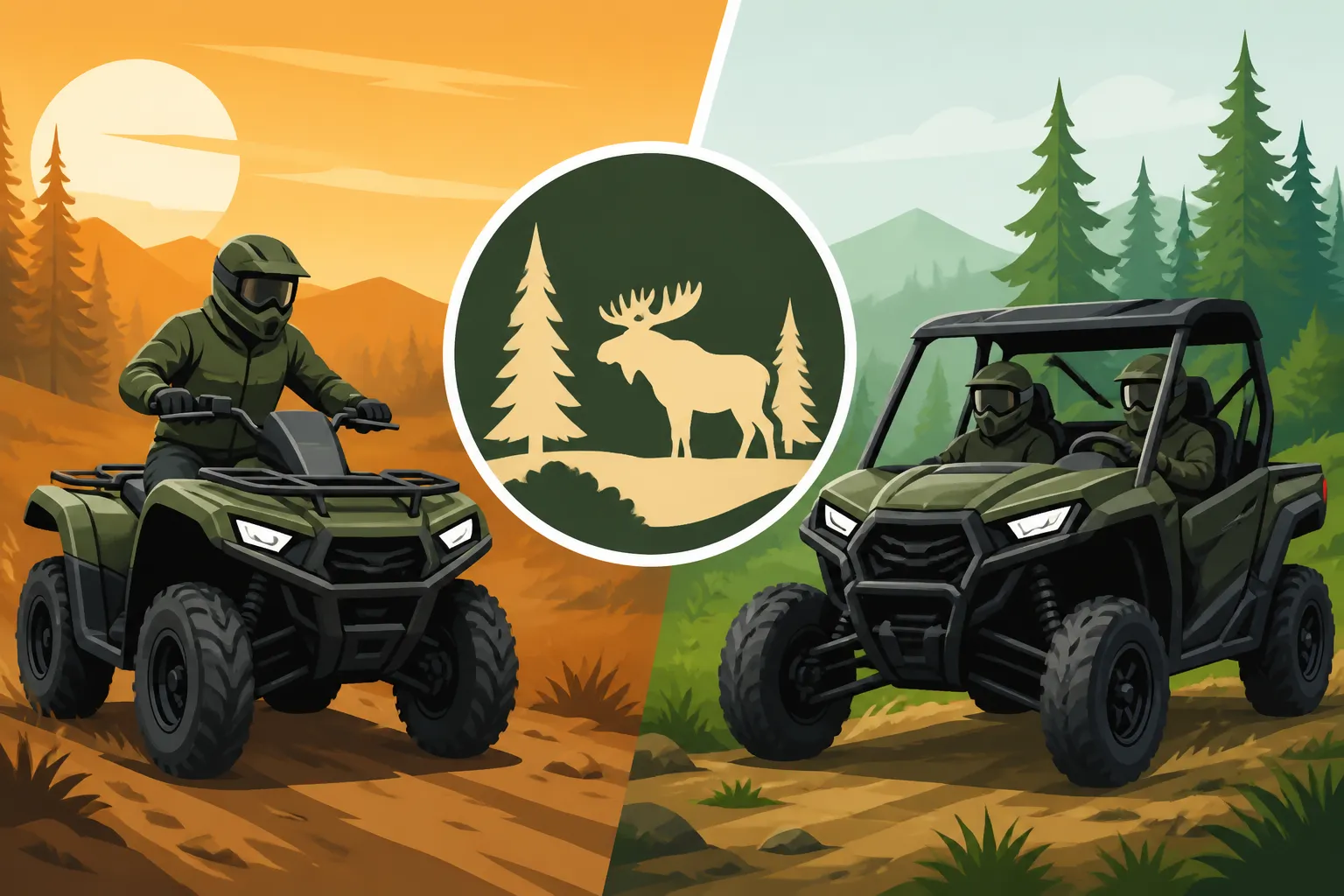
There's nothing quite like the freedom of loading up your quad or side-by-side, knowing you're headed for a day of scouting, hunting, or just exploring the vast wilderness Manitoba has to offer. But that excitement can quickly turn to frustration, or even a hefty fine, if you're not absolutely clear on where you can and cannot operate these vehicles on Crown Land. It’s a common headache for many hunters and outdoor enthusiasts, navigating a maze of regulations that aren't always crystal clear. This comprehensive guide is here to untangle those rules, providing you with the clarity you need to enjoy Manitoba’s Crown Land responsibly and legally.
Understanding Manitoba's Crown Land and ATV Access
Manitoba boasts an incredible amount of Crown Land, making up a significant portion of the province. This public land is a treasure trove for hunters, anglers, and outdoor adventurers, offering unparalleled access to wild spaces. However, with that access comes a responsibility to understand and adhere to the regulations designed to protect these areas for everyone. The rules surrounding ATV and side-by-side use are in place to prevent environmental damage, minimize user conflicts, and ensure public safety. It’s not about restricting your fun, but about preserving the very landscapes we all cherish.
What Exactly is Crown Land in Manitoba?
When we talk about Crown Land in Manitoba, we're referring to land owned by the provincial or federal government. For most hunters and recreational users, it's provincial Crown Land that will be of primary interest. This land can range from sprawling boreal forests in the north to the aspen parkland fringes, and even some wetland complexes in the Interlake region. Unlike private property, which requires explicit permission from the landowner, Crown Land is generally open for public access and use, including hunting, fishing, and various forms of recreation. However, "open access" doesn't mean "no rules," especially when it comes to motorized vehicles. Knowing where the boundaries lie – literally and figuratively – is your first step to a successful and compliant outing. Using reliable mapping software, like a subscription to GoHunt, can be incredibly helpful in identifying these boundaries before you even leave your driveway, saving you from accidental trespass onto private holdings or restricted areas.
General Access Principles for Hunters
For hunters, Crown Land is often the backbone of their hunting opportunities. The general principle is that you can access and hunt on Crown Land, provided it's not designated as a provincial park, ecological reserve, or other restricted area where hunting is prohibited. This means vast tracts of Manitoba's forests and wildlands are available. However, how you get to your hunting spot on a quad or side-by-side is where the specific rules kick in. You can't simply drive anywhere you please; there are regulations dictating where motorized vehicles are allowed to travel. These rules are particularly stringent in areas designated as Wildlife Management Areas (WMAs) or other conservation zones, where the protection of habitat and wildlife takes precedence. Always double-check the regulations for your specific Game Hunting Area (GHA) or any special management areas you plan to enter.
Why Do These Rules Exist?
The regulations governing ATVs and side-by-sides on Crown Land aren't arbitrary; they serve several critical purposes. Firstly, they protect sensitive ecosystems. Unrestricted off-road travel can damage fragile plant life, compact soil, erode trails, and disturb critical wildlife habitats, especially wetlands and riparian zones. Secondly, they aim to reduce user conflict. Hikers, canoeists, and traditional trappers value quiet enjoyment of the wilderness, and uncontrolled motorized vehicle use can significantly detract from their experience. Lastly, these rules are about safety. Unmarked trails, rough terrain, and irresponsible driving can lead to serious accidents. By channeling vehicle use onto designated trails, the province helps maintain safer conditions for all users and reduces the impact on the environment. It's a balancing act, trying to provide access while ensuring the long-term health of our natural resources.
Permitted Use of ATVs and Side-by-Sides on Crown Land
While the restrictions might seem daunting at first, there are still plenty of opportunities to use your ATV or side-by-side to enhance your hunting and outdoor adventures on Manitoba Crown Land. The key is understanding where and how you can operate them legally. It’s all about staying on designated trails and respecting the specific conditions that might apply to certain areas or times of the year.
Designated Trails and Routes
The most straightforward rule for operating ATVs and side-by-sides on Crown Land is to stick to designated trails and routes. These are typically marked trails, old logging roads, utility corridors, or established access routes. They are designed to handle vehicle traffic and minimize environmental impact. Imagine trying to access a remote lake or a deep bush hunting spot; often, the easiest and most legal way is via one of these recognized paths. Venturing off these marked trails can lead to significant fines, as well as ecological damage. Before you head out, consult maps from Manitoba Sustainable Development or use a robust mapping application. This ensures you're on a recognized trail network, preventing you from inadvertently creating new, unauthorized paths or damaging sensitive areas. This is where an app like GoHunt truly shines, offering detailed overlays of Crown Land and often showing designated trails.
Retrieving Game and Off-Trail Use
This is a nuanced area and one that often causes confusion for hunters. Generally, operating an ATV or side-by-side off-trail for the purpose of retrieving game is not automatically permitted on all Crown Land. While it might seem logical to use your vehicle to haul out a large deer or moose, especially in difficult terrain, you must confirm the specific regulations for the GHA you are hunting in. Some areas might have specific permits or exemptions for game retrieval, while others strictly prohibit off-trail vehicle use for any reason. If you've just harvested an animal, say a magnificent bull moose deep in the boreal forest after a successful session of Calling a Bull Moose in the Rut, your first thought might be the fastest way to get it out. Always err on the side of caution and assume off-trail travel is prohibited unless you have explicit, written confirmation or a specific regulation states otherwise. If in doubt, be prepared to quarter your animal and pack it out manually. This ensures compliance and protects the environment.
Seasonal and GHA Specifics
The rules for ATV and side-by-side use can also vary significantly based on the season and the specific Game Hunting Area (GHA) you're in. For example, during extremely wet periods in spring or fall, some trails might be temporarily closed to motorized vehicles to prevent deep rutting and erosion. Conversely, during the winter months, when the ground is frozen solid and covered in snow, some areas might open up for snowmobiles or even ATVs, though the primary focus shifts to snowmobile trails.
GHAs located within provincial forests often have different rules than those in agricultural zones or ecologically sensitive regions. For instance, in areas with extensive forestry operations, old logging roads might be accessible, but new cut-blocks could be restricted. Always consult the current Manitoba Hunting Guide and any GHA-specific regulations before planning your trip. A little research goes a long way in avoiding penalties and ensuring you have a smooth, enjoyable hunt. Knowing the specific rules for your chosen GHA is as important as understanding Manitoba's Game Hunting Areas.
Here’s a quick overview of common scenarios for ATV and Side-by-Side use on Manitoba Crown Land:
| Scenario | General Crown Land | Wildlife Management Areas (WMAs) | Provincial Parks | Designated Trails Only | Off-Trail for Game Retrieval | Environmental Restrictions |
|---|---|---|---|---|---|---|
| Recreational Riding | Permitted on designated trails | Often restricted to specific access routes | Generally prohibited | Yes | No | Avoid wetlands, riparian areas |
| Hunting Access | Permitted on designated trails | Often restricted or specific permits required | Prohibited | Yes | May require specific GHA approval | Yes |
| Scouting | Permitted on designated trails | Restricted | Prohibited | Yes | No | Yes |
| Hauling Firewood | Permitted on designated trails with permit | Restricted | Prohibited | Yes | No | Yes |
| Road Travel (where allowed) | Must be licensed, insured, helmeted | Same | Prohibited | Yes | Yes | N/A |
Note: This table provides a general overview. Always consult the most current Manitoba Hunting Regulations and GHA-specific rules for precise details.
Specific Restrictions and Prohibited Areas
While a good portion of Manitoba's Crown Land is accessible, certain areas come with blanket prohibitions or very stringent rules regarding motorized vehicle use. Ignoring these can lead to serious legal consequences, not to mention significant ecological damage. These restrictions are put in place for specific conservation or public safety reasons and must be respected by all users.
Wildlife Management Areas and Ecological Reserves
Wildlife Management Areas (WMAs) are established to protect critical wildlife habitat and populations. As such, they often have stricter rules than general Crown Land, especially concerning motorized vehicle access. Many WMAs, such as those discussed in Hunting a Manitoba Wildlife Management Area, have designated access points and limited road networks, with off-trail ATV and side-by-side use completely prohibited. The intent is to minimize disturbance to wildlife and habitat, particularly during sensitive periods like nesting or calving. Ecological Reserves, on the other hand, are even more protected. These are set aside for scientific research and the preservation of unique ecosystems, meaning virtually all human disturbance, including motorized vehicle use, is strictly forbidden. It is crucial to check the specific regulations for any WMA you plan to enter. A simple map study using a tool like GoHunt or checking the provincial government's WMA guidelines will clearly outline permitted activities and access routes.
Provincial Parks and Designated Areas
Manitoba's Provincial Parks, such as the Whiteshell, Spruce Woods, or Duck Mountain, are managed primarily for recreation and conservation. While some activities, like camping and hiking, are encouraged, motorized off-road travel is almost universally prohibited outside of designated public roads or specific groomed snowmobile trails in winter. Hunting itself is largely restricted or entirely prohibited within provincial parks, though certain areas might have limited seasons or designated hunting zones. It’s a common misconception that because it’s public land, it’s open for all uses. Provincial Parks are a prime example where the rules are clearly defined to protect their unique values. Always refer to the Manitoba Provincial Park Hunting Rules before making any assumptions about access. There can be severe penalties for operating an ATV or side-by-side off-road in a provincial park.
Waterbody Crossings and Environmental Impact
Another critical area of restriction involves waterbody crossings and sensitive environmental zones. Operating ATVs and side-by-sides through streams, rivers, wetlands, or bogs is generally prohibited or heavily regulated. These actions can cause significant damage, leading to erosion, sedimentation of waterways, and destruction of aquatic habitat. The churning of stream beds can release pollutants, disturb fish spawning grounds, and contaminate drinking water sources. Manitoba's rich network of lakes, rivers, and wetlands are vital ecosystems, and protecting them is paramount. When encountering a water crossing, always look for designated bridges, culverts, or clearly marked crossings that minimize environmental impact. If no such crossing exists, and off-trail travel is prohibited, you must find an alternative route or be prepared to portage your gear. The long-term health of our waterways depends on responsible use.
Safety Considerations and Responsible Operation
Operating ATVs and side-by-sides on Crown Land comes with inherent risks, and responsible operation is crucial not only for environmental protection but also for your own safety and the safety of others. The wild landscapes of Manitoba can be unpredictable, from sudden weather changes to challenging terrain, and being prepared is not just a suggestion – it’s a necessity.
Pre-Ride Checks and Essential Gear
Before you even start your engine, a thorough pre-ride check of your ATV or side-by-side is non-negotiable. Check tire pressure, fluid levels (oil, coolant, fuel), brakes, lights, and steering. Ensure all loose items are secured, and your machine is in good working order. Beyond the vehicle, your personal gear is paramount. A properly fitting helmet is legally required and could be the difference between a minor bump and a life-altering injury. Eye protection, sturdy gloves, and appropriate clothing for the weather conditions are also essential. Given Manitoba's often remote and rugged terrain, especially when hunting in areas like the Porcupine Hills Uplands, you should always carry a well-stocked first-aid kit, a communication device (satellite messenger or PLB if out of cell service), extra fuel, a winch or recovery gear, basic tools, a map and compass (or GPS device like a handheld unit compatible with GoHunt maps), and ample water and emergency food. It’s also wise to inform someone of your route and expected return time.
Minimizing Impact and Ethical Riding
Responsible operation extends beyond just following the rules; it's about minimizing your footprint and practicing ethical outdoor behavior. Stick to existing trails, avoid wet or muddy areas if possible (or turn back if conditions are too soft), and refrain from "mud bogging" or tearing up sensitive terrain. Remember that wildlife, especially in areas where you might be Hunting a Manitoba Bush Edge, can be easily startled by loud engines or aggressive driving. Travel at a reasonable speed, anticipate wildlife encounters, and give animals their space. Pack out everything you pack in, including all garbage, and consider packing out any trash you find along the way. Your actions reflect on all motorized recreationists, and maintaining a positive image helps preserve access for future generations.
Navigating Remote Terrain and Emergency Preparedness
Manitoba's Crown Land can be vast and remote, with little to no cell service in many areas, particularly as you venture north into areas like the Nelson River Country. Navigating this terrain requires skill, experience, and good judgment. Always be aware of your surroundings, know your current location, and understand the capabilities of your machine. If you're traveling with a group, stay together and establish clear communication signals. Should you encounter a problem, such as getting stuck (a common scenario addressed in What to Do If You Get Stuck in the Bush) or experiencing a mechanical breakdown, having the right recovery gear and knowing how to use it is critical. For instance, a small shovel, tow strap, and even a hand winch can be lifesavers. In extreme conditions, like Hunting Safely in Deep Winter Cold, getting stranded can quickly become a life-threatening situation. Always carry a survival kit with fire-starting materials, extra warm clothing, and emergency shelter.
Wildlife and Safety Encounters
When you're out on Crown Land, you're in the animals' home. Be prepared for potential encounters with wildlife. Black bears are common across much of Manitoba's forested regions, and even deer can pose a collision hazard, especially at dusk and dawn. Carry bear spray and know how to use it if you're in bear country. When approaching blind corners on trails, slow down and be prepared to stop quickly. If you encounter larger animals on the trail, give them a wide berth and wait for them to move on. Never harass or pursue wildlife with your vehicle. This is not only illegal but also incredibly dangerous for both you and the animals. Respect for wildlife is a cornerstone of ethical hunting and outdoor recreation, and it should extend to your interactions on the trail as well.
Dealing with Regulations and Reporting Issues
Even with the best intentions, navigating the rules and unexpected situations on Crown Land can be tricky. Knowing who to contact and how to report issues is an important part of being a responsible land user in Manitoba.
Where to Find Current Regulations
The definitive source for all hunting and land-use regulations in Manitoba is the annual Manitoba Hunting Guide published by Manitoba Sustainable Development. This guide is updated yearly and details all seasons, limits, GHA-specific rules, and general land-use regulations, including those for ATVs and side-by-sides. It is your responsibility as a hunter and outdoor enthusiast to read and understand these regulations thoroughly. You can usually find a copy online on the provincial government website or pick one up at any hunting license vendor. Additionally, maps specifically showing Crown Land boundaries and designated trails are invaluable. While general online maps can give you an idea, a detailed map from the province or a specialized hunting app like GoHunt, which often includes updated land classifications, is your best bet for accurate, real-time information. This helps you with Finding Manitoba Public Land Boundaries and staying legal.
Reporting Violations or Concerns
If you witness illegal ATV or side-by-side activity, such as off-trail destruction, trespassing on private land, or unsafe operation, it’s important to report it. Poaching or other hunting violations should also be reported immediately. The best way to do this is to contact Manitoba Conservation Officers. They are the enforcement arm of the province's wildlife and resource management. You can find their contact information on the Manitoba government website, often through a dedicated "Turn In Poachers" or general inquiry line. When reporting, try to gather as much detail as possible: the location, time, description of the vehicles and operators, license plates if visible, and the nature of the violation. Do not confront individuals engaging in illegal activity; instead, observe from a safe distance and report. Your vigilance helps protect Manitoba’s natural resources for everyone.
Addressing Accidental Trespass or Misunderstandings
Sometimes, despite your best efforts, you might accidentally wander onto private land or into a restricted zone. If this happens, or if you are confronted by a landowner or another user, handle the situation calmly and respectfully. Apologize sincerely if you have made a mistake, explain your situation, and immediately rectify the issue by moving to the correct area. Having a clear understanding of Manitoba Trespass Law for Hunters can help you navigate these situations. Most landowners appreciate an honest approach and understanding that you were unaware of a boundary. Keeping good maps, like those available on GoHunt, clearly marked with private and public land distinctions, will go a long way in preventing these kinds of honest errors. If you find yourself unsure about a boundary while out in the field, it's always better to turn back and re-evaluate your position than to risk an accidental trespass.
Disclaimer
The information provided in this guide is for general informational purposes only and is not legal advice. Hunting and ATV regulations in Manitoba can change. Always consult the official, most current Manitoba Hunting Guide and relevant provincial legislation or speak directly with Manitoba Sustainable Development for the most accurate and up-to-date information before planning any outdoor activities.