Hunting Specklebellies Over Decoys
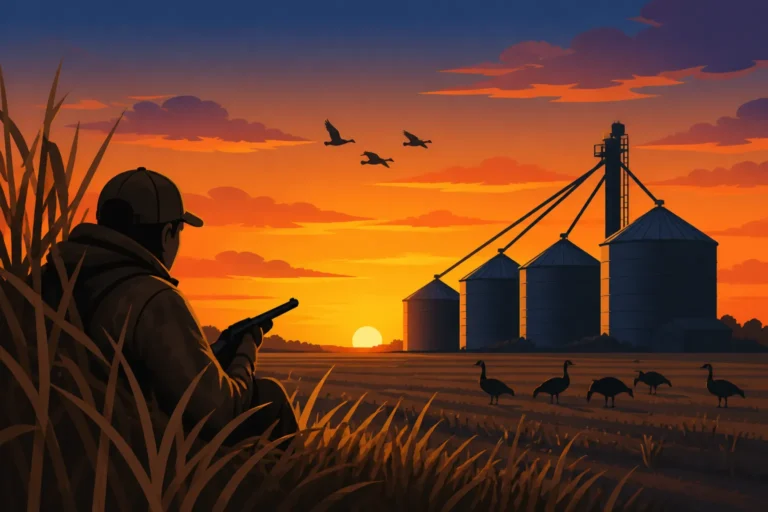
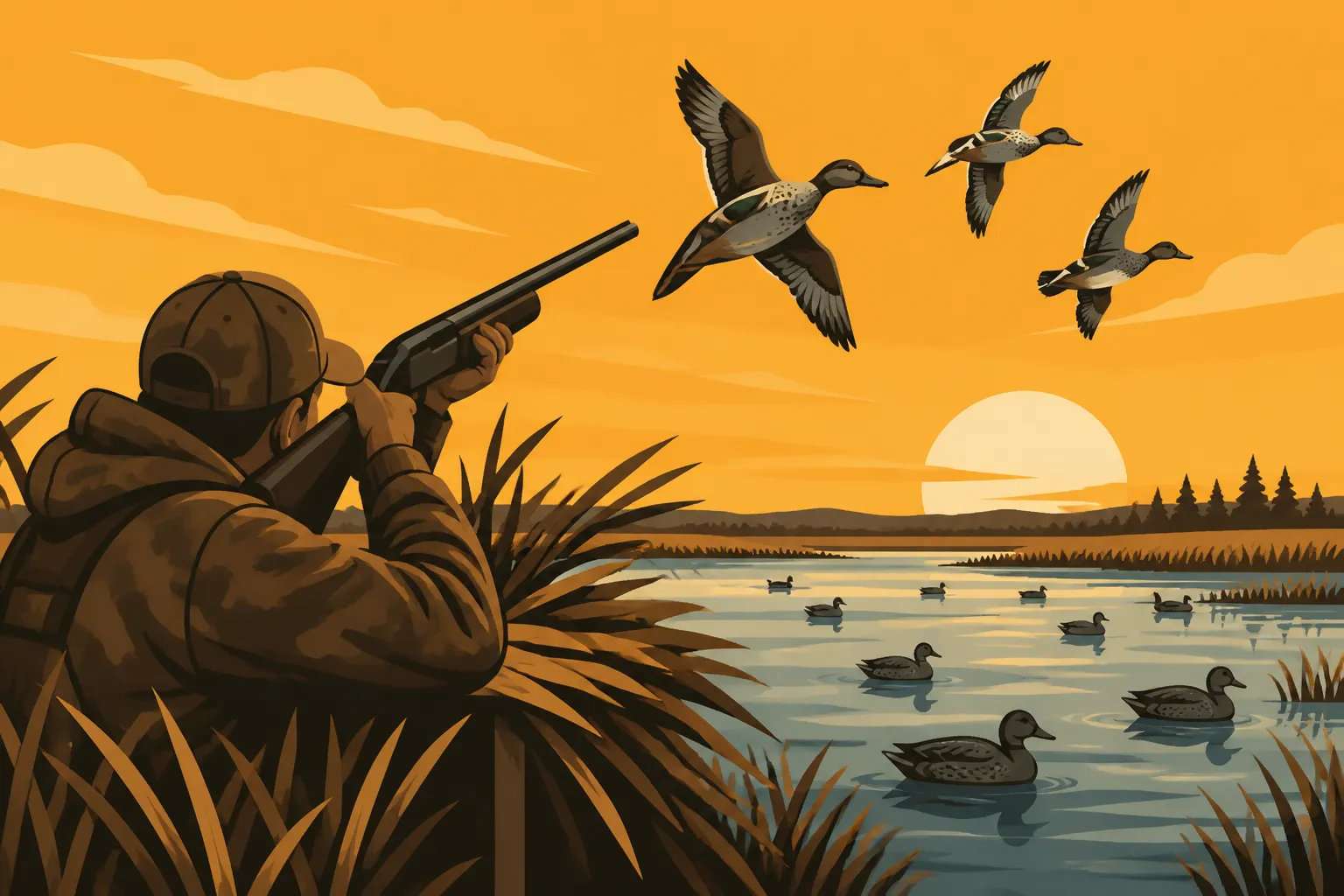
For many waterfowlers in Manitoba, the sight and sound of a flock of Greater White-fronted Geese, affectionately known as specklebellies, coming into a decoy spread is a true test of skill and patience. These magnificent birds offer a unique challenge that can leave even seasoned hunters scratching their heads, but the reward of a successful hunt over decoys is unparalleled. This guide will help you understand their habits, perfect your decoy setups, and master the calling techniques needed to bring these wary geese into range.
Understanding Specklebellies and Their Habits in Manitoba
Specklebellies are a different breed of bird compared to the more common Canada geese we often encounter in Manitoba. Their intelligence, keen eyesight, and distinctive vocalizations make them incredibly challenging, yet immensely satisfying, to pursue. To consistently put specks in the bag, you first need to get inside their heads and understand what makes them tick in our diverse landscape.
Why Specklebellies are a Different Challenge
If you've spent any time hunting Canada geese, you know they can be quite forgiving. Specklebellies, on the other hand, demand a much higher level of precision and concealment. They possess an almost uncanny ability to detect anything out of place, often circling high, giving your spread a thorough aerial inspection before even considering a commitment. Their eyesight is legendary; a glint of sun off an uncamouflaged face or a slight movement in a blind can send an entire flock veering off course faster than you can blink. This wariness is often born from their long migration routes and constant exposure to hunting pressure across multiple states and provinces. They've seen it all, and they've learned from it.
Beyond their sharp vision, specklebellies also have a unique flight pattern. They tend to fly in tighter, more cohesive flocks than Canadas, often riding high on thermals or at cruising altitude until they spot a potential feeding area. When they decide to commit, their descent can be rapid and decisive, but any hesitation on their part means they’re likely to flare off and not give you a second look. Their distinctive "laughing" call is another key factor. It's a complex series of clucks, yodels, and barks that sounds nothing like a Canada goose, and hunters who try to call specks with Canada calls often find themselves out of luck. This requires specialized calling techniques and a good ear to mimic their natural chatter, which is crucial for convincing them your spread is a safe haven.
Key Migration Times and Locations
Manitoba is a critical stopover point for specklebellies migrating south along the Central Flyway. They typically begin arriving in late August and early September, with peak numbers usually seen throughout September and into early October, depending on weather patterns and the timing of crop harvests. You might find some stragglers in November, but the prime window is definitely early fall. These birds are hungry after their journey from the Arctic tundra, and they’re looking for high-energy food sources.
Our province offers an abundance of their preferred forage. Specklebellies are particularly fond of peas, lentils, and barley fields, though they will readily feed in wheat and canola stubble as well. Unlike Canada geese that are often content with grassy areas or loafing ponds, specks are almost exclusively field feeders during their stopover here, making successful scouting an absolute necessity. You’ll find significant concentrations of specklebellies in agricultural areas, particularly in the Interlake region, west of Lake Manitoba, and in southwestern Manitoba around areas like the Carberry and Brandon plains. These regions offer a mosaic of grain fields interspersed with small potholes and larger lakes, providing ideal feeding and roosting habitat. Knowing their preferred crops and typical staging areas is the first step to intercepting these smart birds.
Decoy Strategies for Successful Specklebelly Hunting
When it comes to hunting specklebellies, your decoy spread isn't just a collection of plastic birds; it's an illusion you're crafting to convince some of the most discerning waterfowl that your field is the best place to land. Getting the decoy setup right is paramount to bringing these wary birds within shooting range.
The Right Decoy Spreads for Specks
One common mistake hunters make is treating specklebelly spreads like Canada goose spreads. Specks are often less impressed by sheer numbers and more by realism and thoughtful arrangement. In fact, sometimes fewer, high-quality decoys are more effective than a massive, less realistic spread. A good rule of thumb is to focus on quality over quantity. Full-body decoys are generally preferred due to their three-dimensional realism, especially if they have flocked surfaces to reduce shine. Shells and silhouettes can be effective to bulk up a spread or create a larger footprint, but they should be strategically placed, perhaps along the outer edges, with your best full-bodies reserved for the core of your kill hole.
When it comes to layout, thinking like a family group is key. Specklebellies often feed in smaller, tighter clusters. Instead of spreading decoys uniformly across a large area, try creating several distinct pods of 6-12 decoys, mimicking small family units or feeding groups. Leave a wide, inviting landing zone (your "kill hole") in front of your blinds, ensuring it's clear of obstructions. Many successful speck hunters will also incorporate a few feeder decoys, heads down, actively "feeding," alongside some sentry or rester decoys to give the impression of contented birds. The exact configuration will vary with the field and wind conditions, but always aim for a natural, unhurried look. Sometimes, mixing in a handful of high-quality Canada goose decoys can add to the "safe zone" illusion, as specks occasionally feed near Canadas, though many purists prefer an all-speck spread to maintain authenticity. Tools like GoHunt can help you visualize your field layout and pinpoint ideal setup locations based on terrain.
Blinding and Concealment is Paramount
As mentioned, specklebellies have incredibly sharp eyesight. This means your concealment strategy needs to be flawless. Any shine, movement, or unnatural lump in the field will be spotted, often from hundreds of yards away, leading to a flare-up and a lost opportunity. Layout blinds are a staple for speck hunting, allowing hunters to lie prone and pop up for the shot. However, they must be meticulously brushed in with natural vegetation from the field you're hunting. Think stubble, straw, corn stalks, or whatever is available. Don't just throw a handful on; completely cover every square inch, paying close attention to the edges and any shiny surfaces on the blind itself.
If layout blinds aren't your preference, A-frame blinds or natural cover can also work, but the same rules apply: blend in perfectly. If you're using an A-frame blind, ensure it's positioned against a natural break in the landscape, like a fence line, a small ditch, or a tree line, and brushed in to become part of the background. Camouflage patterns should match the dominant colors of the agricultural fields, which in Manitoba often means various shades of tan, brown, and muted green in the fall. Face masks and gloves are non-negotiable to eliminate skin exposure and reduce movement. Remember, the goal is to disappear into the field entirely. Even the smallest detail, like a shiny gun barrel or an exposed cooler, can be enough to spook a flock that's on the verge of landing. This level of dedication to concealment is what often separates a successful speck hunt from a frustrating one.
Mastering the Art of Specklebelly Calling
The sound of specklebellies talking back to your call is one of the most exciting aspects of hunting these birds. Their "laughing" calls are unmistakable and, once mastered, incredibly effective at drawing them into your spread. However, it requires dedication, practice, and a keen ear to get it right.
The Distinctive Calls of the Speck
Unlike the deep honks and clucks of Canada geese, specklebellies communicate with a higher-pitched, more complex series of sounds that truly earn them the "laughing goose" moniker. The primary call is a rapid "cluck-cluck-whoop" or "ka-whonk," often strung together in a rapid-fire sequence. It's a joyful, almost bubbly sound when they're content and feeding, but it can also be used as a greeting or an alarm. There are various pitches and tones within this call range. Younger birds might have a higher, sharper call, while older, dominant birds might have a deeper, richer "whoop." Learning to replicate these different variations will make your calling more realistic and appealing to incoming birds.
Many hunters use specialized specklebelly calls, often short-reed calls designed to produce their unique sound. It's not enough to simply make the sound; you need to understand the cadence and rhythm. Spend time listening to actual specklebellies on YouTube, or even better, in the field during your scouting missions. Pay attention to how they communicate when they're comfortable, feeding, or just loafing. Notice the pauses, the urgency, and the different patterns of their "laughter." The more you immerse yourself in their natural vocalizations, the better you'll become at mimicking them, making your spread sound like a truly inviting spot for weary migrants. This distinctive calling is a primary differentiator when you're Field Hunting Geese in Manitoba Stubble.
Calling Techniques and Timing
Calling specklebellies effectively is less about blowing a call loudly and more about timing, subtlety, and reading the birds. When you first spot a flock in the distance, a medium-volume greeting call can often be enough to get their attention. As they start to turn and work your way, gradually increase the intensity and frequency of your calls, mimicking a content, busy feeding flock. The "feed call," a series of soft, rapid clucks and yips, is crucial for convincing birds that are already interested to commit. This sounds like happy birds feeding on the ground.
A common and highly effective technique is combining calling with flagging. A large, realistic flag that mimics a landing goose or a stretching bird on the ground can add visual realism that complements your calling. When birds are far out, a quick "clap" of the flag (a brisk flap and then hold) can grab their attention, much like a greeting call. As they get closer, smaller, more subtle flagging motions, like twitching it slightly, can seal the deal. Remember, if birds are already committed and on a string toward your decoys, sometimes less calling is more. Over-calling can spook wary birds. If they start to flare or show hesitation, try a soft, reassuring series of clucks, or even go silent for a moment to let them "think." Learning to read their body language – their wing beats, altitude, and direction – is key to knowing when to call aggressively, softly, or not at all. Patience and observation are just as important as your calling ability.
Field Setup, Shot Placement, and Ethical Considerations
Putting all the pieces together – scouting, decoys, calling, and concealment – is what makes a successful specklebelly hunt. But even with a perfect setup, responsible shooting and ethical hunting practices are essential for a rewarding experience in Manitoba's fields.
Optimal Field Positioning and Wind
Scouting is undoubtedly the most critical component of a successful specklebelly hunt. These birds are creatures of habit; they'll often feed in the same fields for several days until the food source is depleted or they're pushed off by hunting pressure. Using an app like GoHunt to mark feeding locations and flight paths during your scouting trips can give you a significant advantage. Once you've identified a hot field, your setup location within that field is dictated by the wind. Geese, like most birds, prefer to land and take off into the wind. Therefore, you want your blinds positioned with the wind at your back or at a slight quartering angle (crosswind). This ensures that when the birds commit to your spread, they'll be facing away from you or presenting a broadside shot as they cup their wings to land, giving you the best shot opportunities.
Pay attention to natural terrain features. A slight rise, a hidden ditch, or a patch of taller stubble can provide crucial cover for your blinds, allowing you to blend in even better. Don't be afraid to walk a field thoroughly before setting up, checking for any subtle contours that might offer an advantage. Consider the sun's position throughout the morning or afternoon; you want the sun at your back, shining into the birds' eyes, to further aid your concealment. Sometimes, the best spot might be along a specific "flyway" that birds are using to enter or exit a field. Identifying these natural travel corridors during your scouting efforts can make all the difference, drawing birds past your spread even if they weren't originally headed directly for your feeding zone. It's all about understanding how geese use the landscape, and then strategically placing yourself to intercept them. This careful consideration for setup is vital when Hunting a Swathed Grain Field at Dusk.
Shot Placement, Gear, and Retrieval
When specklebellies are committed and cupping their wings, it's a moment of pure adrenaline. However, maintaining composure for ethical shot placement is paramount. Wait for the birds to be fully within range and ideally set their wings, presenting a clean shot. Resist the urge to sky-bust; shooting at birds that are too far out often results in wounded birds that fly off and are never recovered. Optimal shooting distances are typically within 30-40 yards. For ammunition, non-toxic shot is mandatory for all waterfowl hunting in Manitoba. Many speck hunters favor steel shot in BBB or BB sizes, or even B for larger birds, to ensure enough knockdown power. Pair this with an improved modified or full choke to get dense patterns at those critical distances.
Always aim for the head and neck if possible, or the center mass of the bird when it's broadside. A clean kill is always the goal. After the shot, retrieve your birds quickly to ensure no cripples escape and to prevent any potential spoilage. Ducks Unlimited provides excellent resources on proper game care in the field. Especially in warmer early season hunts, quickly field dressing and cooling your birds can make a huge difference in meat quality. Be mindful of your bag limits, and ensure all hunters in your party have their Manitoba Migratory Bird Permits and The Federal Migratory Game Bird Permit in order. Ethical hunting isn't just about the shot; it's about respecting the game, the land, and the regulations.
Comparison of Goose Hunting Strategies
| Feature | Specklebelly Hunting Strategy | Canada Goose Hunting Strategy |
|---|---|---|
| Decoy Type | High-quality full-bodies preferred, often all specks, or few Canadas | Mix of full-bodies, shells, silhouettes, often many numbers |
| Decoy Numbers | Fewer, realistic decoys in small family groups (1-3 dozen) | Often larger spreads, 5-10 dozen or more, to attract numbers |
| Decoy Layout | Tighter clusters, distinct kill hole, focus on feeding/resting poses | More spread out, larger landing zone, often V or U-shapes |
| Calling Style | Complex "cluck-cluck-whoop," "laughing" calls, nuanced timing | Deep honks, clucks, moans; more aggressive calling often used |
| Concealment | Absolutely paramount, meticulous brushing in, no shine, minimal movement | Very important, but Canadas can be slightly more forgiving |
| Preferred Fields | Peas, lentils, barley, wheat stubble | Wheat, corn, soybean stubble, grassy fields, pastures |
| Wary Factor | Extremely wary, excellent eyesight, often circle high | Wary, but can be decoying in quickly if confident |
| Flagging | Effective for long-distance attention and close-in realism | Effective for long-distance, can be more aggressive |
| Typical Success | Requires patience, precision, and perfect execution | Can be highly successful with good scouting and decent spread |
Disclaimer
Please remember that hunting regulations and conditions can change. Always consult the most current Manitoba hunting guide and federal migratory bird regulations before heading afield. Ensure you have all required licences and permits. This article provides general information and recommendations, but it is your responsibility to be aware of and adhere to all local, provincial, and federal laws.