Hunting a Bluff Between Two Fields
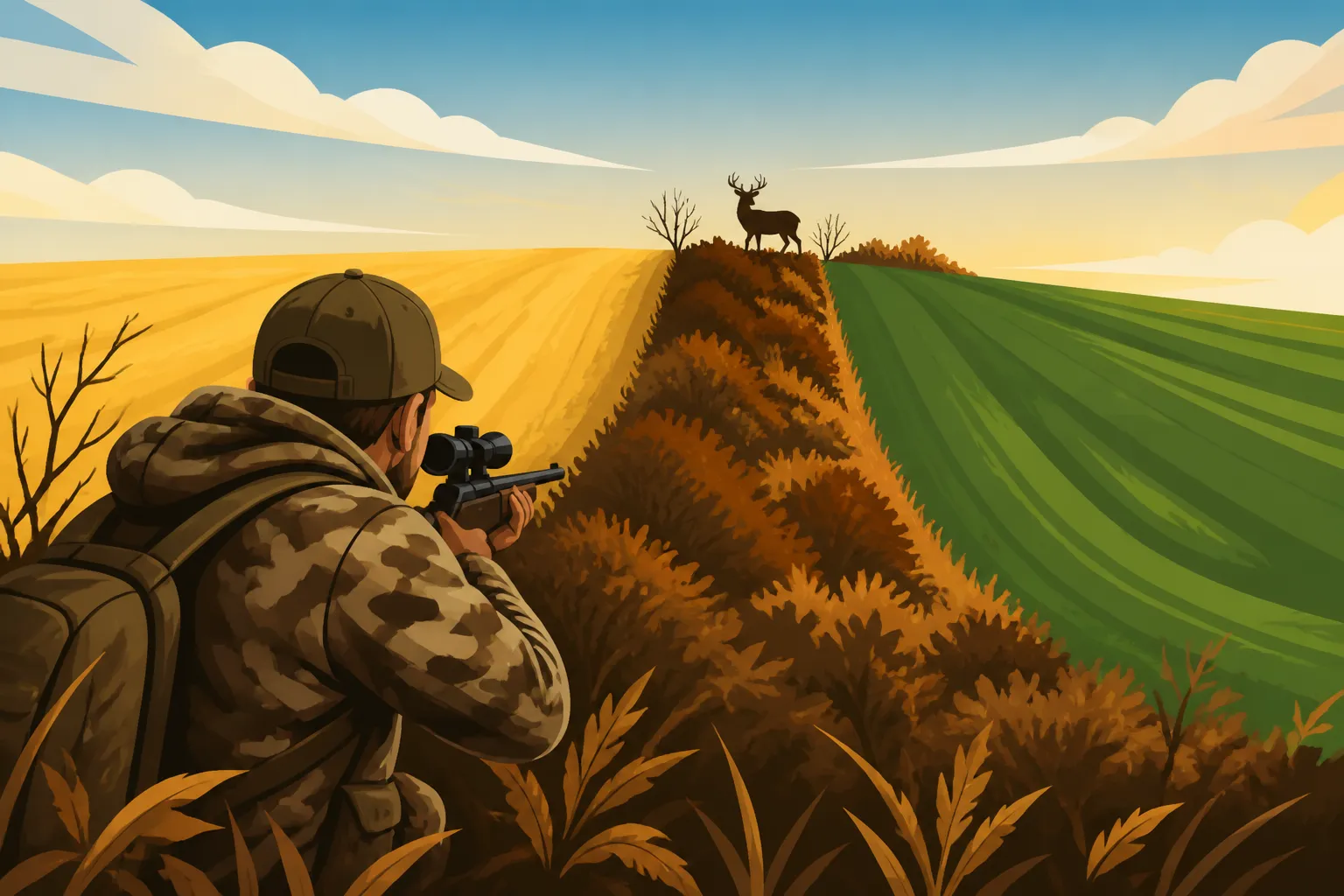
We’ve all been there: you’re driving through Manitoba’s gorgeous agricultural landscape, perhaps scouting for a new area, and you see fields stretching for what feels like miles. Where do the deer go? Where do those big whitetails disappear to when they’re not out feeding in the stubble or standing corn? Often, the answer lies in those subtle, yet crucial, pieces of cover like a bluff nestled between two seemingly endless fields. This guide will help you unlock the potential of these overlooked whitetail hotspots, turning your frustrations into successful hunting strategies.
Understanding the Bluff as a Whitetail Hub
Manitoba’s landscape, particularly in the agricultural zones and parkland fringe, is dotted with these elevated pockets of timber or dense brush – what we affectionately call bluffs. These aren't always towering mountains; sometimes they're just a slight rise with enough cover to provide security. Yet, for whitetails, these bluffs are far more than just pretty scenery; they're essential corridors, bedding areas, and safe havens in an otherwise exposed world.
Why Bluffs Attract Deer
Imagine being a deer, trying to survive in a landscape increasingly dominated by open fields. You need cover, safety from predators, and a clear view of your surroundings. A bluff provides all of this and more. Its elevation often gives deer a strategic advantage, allowing them to survey the surrounding fields without being seen. They can detect movement or danger well before it approaches their core sanctuary.
Furthermore, these elevated spots often catch the wind, which is critical for a deer's sense of smell. They can use the air currents to carry scents from potential threats away from them or bring in crucial information about what's happening downwind. The diverse vegetation on bluffs – a mix of mature timber, thick underbrush, and even some scattered food sources like berry bushes or forbs – offers both excellent bedding cover and browse, making them attractive year-round. It’s a natural fortress in a sea of openness.
Seasonal Use of Bluffs
The way whitetails utilize bluffs can shift dramatically with the seasons, underscoring the importance of understanding these patterns. In the early archery season, often coinciding with late summer and early fall, bucks might still be relatively nocturnal, hitting crop fields under the cover of darkness. During the day, they'll retreat to the cool, shaded cover of a bluff, particularly if it's thick with aspen or willow. Does and fawns will use these bluffs similarly, especially if there's good forage within the cover itself, minimizing their need to expose themselves.
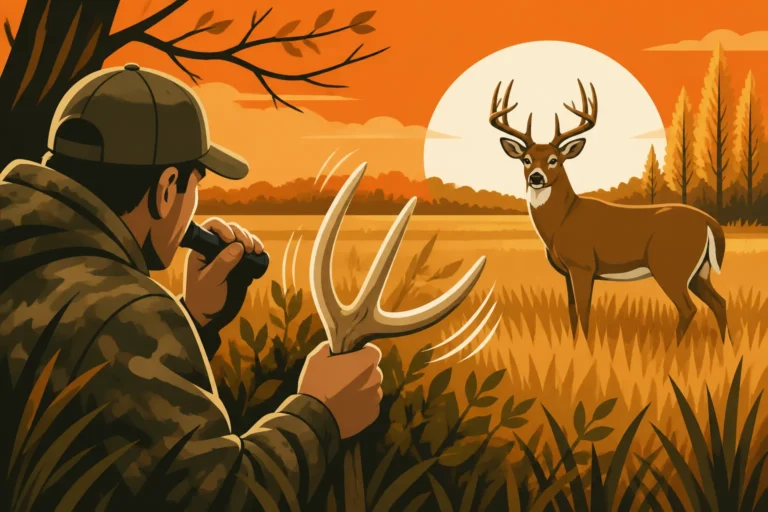
As the pre-rut and rut phases kick in, typically from late October through November, bluffs transform into high-traffic highways. Bucks will scent-check these areas extensively, looking for does that might be staging before entering the open fields or moving between different bedding areas. These bluffs offer fantastic vantage points for rattling and calling parkland whitetails, as sound can carry well across the open country, pulling in curious bucks from a distance. Later in the season, when deep snow blankets the landscape, the dense thermal cover of a bluff can be a lifesaver, providing shelter from the biting Manitoba cold. Deer will often yard up in these more protected spots, making them critical habitat.
Scouting and Locating Key Sign
Effective hunting of a bluff between two fields hinges entirely on thorough scouting. You can't just walk in blindly and expect success. These areas require careful observation, both remotely and on the ground, to identify precisely how deer are using them. Patience and attention to detail during this phase will pay dividends when the season opens.
Pre-Season Reconnaissance
Before you even step foot in the field, modern tools can give you a massive head start. Satellite imagery, which you can easily access through platforms like GoHunt, is your best friend here. Zoom in and identify those isolated pockets of timber, those subtle rises that stand out against the flat agricultural land. Look for obvious travel corridors leading into and out of the bluff – these might appear as darker lines of denser vegetation or natural funnels. Pay attention to how the bluff connects to other pieces of cover, like a river bottom, a shelterbelt, or a larger bush block. These connections are crucial because they dictate how deer move through the broader landscape.
Once you've identified potential bluffs on your map, plan a walk-through. Ideally, do this outside of hunting season, perhaps in late summer after crops are high, or even in the spring when the ground is soft and tracks are visible. You want to see the terrain without disturbing it during the actual season. Look for natural pinch points, areas where the cover narrows, forcing deer into a predictable path. Identify the densest parts of the bluff where deer might bed, and the transition zones where they move from cover to open ground. This detailed reconnaissance is crucial for understanding Scouting a Manitoba Game Hunting Area.
Reading Fresh Sign
When you eventually enter the bluff during hunting season, or even on a careful pre-season walk, knowing how to read fresh sign is paramount. Start by looking for well-worn trails entering and exiting the bluff, particularly those leading towards feeding areas in the adjacent fields. A trail that's deeply worn and clear of debris, especially after a rain, tells you it's being used regularly.
Beyond trails, keep your eyes peeled for rubs and scrapes. Rubs, where bucks have rubbed their antlers on small trees, indicate where a buck has been passing through and asserting his presence. Fresh rubs will have shiny wood underneath the bark, sometimes even with sap still evident. Scrapes, particularly during the pre-rut and rut, are bare patches of earth pawed clean by a buck, often with an overhanging branch (a "licking branch") above them. Bucks will urinate in these scrapes and rub their pre-orbital glands on the licking branch, leaving behind scent. Multiple fresh rubs and scrapes within a bluff, especially along its edges or within natural funnels, are screaming indicators of mature buck activity. Understanding Reading Whitetail Sign in Manitoba Aspen will significantly boost your chances here. Also, don't overlook droppings and fresh tracks. Soft ground after a rain or light snow can reveal recent movement and even give you an idea of the size of the deer moving through.
| Sign Type | When to Look | What It Tells You | Ideal Location in Bluff |
|---|---|---|---|
| Well-worn Trails | Year-round, especially after rain/snow | Consistent deer movement between areas | Edges of bluff, connecting to fields/cover |
| Fresh Rubs | Late summer to late rut | Buck activity, territorial marking, antler growth | Along primary travel routes, heavier cover |
| Fresh Scrapes | Pre-rut through rut | Buck communication, seeking does | Bluff edges, openings, under licking branches |
| Bedding Areas | Year-round, post-snow | Deer resting and feeling secure | Thickest cover, elevated spots, sun-sheltered |
| Browse/Forage | Year-round | Food sources, indicates local deer preference | Throughout the bluff, especially clearings |
Strategic Hunting Approaches for Bluffs
Once you've done your homework and identified the prime spots within a bluff, the real challenge begins: positioning yourself for a shot. This requires a calculated approach, considering everything from wind direction to deer escape routes. The goal is to set up an ambush that plays to the deer's natural movements and vulnerabilities.
Stand Placement Considerations
Hanging a stand on a Manitoba bush edge or within a bluff requires strategic thinking. First and foremost, wind direction is absolutely critical. You want the wind blowing away from where you expect deer to approach or bed, and preferably towards open ground where your scent won't carry to their travel paths. A shifting wind can ruin a hunt quickly, so choosing a setup that works with prevailing winds for the time of day you're hunting is vital. For example, morning hunts often benefit from a rising thermal, drawing scent upwards, while evening hunts might see thermals dropping, pushing scent down into low spots.
Consider access and exit routes carefully. Can you get to your stand without spooking deer that might already be in the bluff or the adjacent fields? A long, circuitous approach that avoids known bedding areas is often best. Your exit route should also be quiet and undetected. Place your stand overlooking natural funnels, pinch points, or where multiple trails converge. The edge of the bluff, where deer transition from cover to the field, is a classic spot, but don't overlook setting up deeper inside the bluff if you've identified a heavily used travel corridor or a prime bedding area. For bigger, more mature bucks, they often hug the thickest cover, so sometimes you need to be just inside the timber, not right on the open edge.
Hunting the Edges and Transitions
Deer, particularly mature bucks, are masters of using transition zones. The edge where the thick cover of the bluff meets the open field is a prime example of this. In the mornings, deer will often filter back into the bluff from feeding in the fields, pausing along these edges, often just inside the tree line, to feel secure before moving deeper into cover. Conversely, in the late afternoons and evenings, they'll often stage just inside the cover, waiting for the safety of dusk to move out into the fields to feed. This is a classic example of Hunting a Bush Edge.
These edges provide opportunities for both bow and rifle hunters. For bowhunters, setting up tight to a well-used trail just inside the cover, perhaps near a fresh scrape line, can be incredibly effective during the rut. Rifle hunters might choose a stand that offers a slightly longer shot into the field edge, or covers a larger portion of the bluff's perimeter. Think about the time of day and the expected deer movement. Early mornings, deer are coming in from the fields. Late afternoons, they're preparing to go out. Your setup should reflect this expected flow. Being patient and Sitting All Day in a Manitoba Blind during the rut can really pay off in these areas, as bucks will be cruising constantly.
Dealing with Environmental Factors
Manitoba weather is notoriously unpredictable, and successful hunting of bluffs means understanding how environmental factors like wind, temperature, and precipitation influence deer behavior and your hunting strategy. Ignoring these elements is a surefire way to come home empty-handed.
Wind and Thermals
Wind is arguably the single most important factor to consider when hunting deer, especially in areas with varying terrain like bluffs. Deer rely heavily on their sense of smell, and the wind carries your scent directly to them. A consistent wind is your friend, allowing you to position yourself downwind of expected deer movement. However, bluffs can create tricky microclimates and thermal currents that can make wind patterns unpredictable, especially at dawn and dusk.
Thermals are essentially air currents created by temperature changes. In the morning, as the sun warms the earth, air rises, carrying scent upwards. This can be advantageous if you're set up below a deer, as your scent will rise above them. In the evening, as the air cools, it sinks, carrying scent downwards. If you're above a deer, your scent could drop right into their path. Always consider these thermal shifts in addition to the prevailing wind. If you're Hunting a Bluff Between Two Fields, that elevation difference, however slight, will create a thermal drain or lift. You might find a seemingly perfect wind direction on your weather app, only to have localized thermals betray you. Always be prepared to adapt, and use strategies like climbing higher in your stand if the thermals are falling, or setting up lower if they're rising.
Weather Impacts
Manitoba's weather can throw a lot at you, from balmy early season days to Hunting Safely in Deep Winter Cold. Each weather condition impacts deer differently and should influence your bluff hunting strategy. On warm, sunny days, deer are more likely to bed down in the thickest, coolest parts of the bluff, becoming more active only at dawn and dusk. A light rain or drizzle, however, can often stimulate deer movement, as the damp ground makes their approach quieter and washes away human scent. This can be an excellent time to be in a stand.
Heavy rain, strong winds, or snow can also increase daytime activity, as deer might move to feed before or after a major weather event. In deep snow conditions, deer will often seek the thermal cover of dense bluffs and bush, creating more concentrated activity. Understanding Where Manitoba Whitetails Bed in Deep Snow is critical. Bluffs provide shelter from harsh winds and can accumulate less snow on their south-facing slopes, making it easier for deer to browse. Conversely, in bitter cold snaps, deer might hunker down to conserve energy, only moving during the warmest parts of the day. Dressing appropriately for these conditions, with layers of warm clothing, is essential for a successful and safe hunt.
Practical Considerations for Bluff Hunts
Beyond strategy and weather, there are logistical considerations that can make or break your hunt from a bluff. Thinking through these details beforehand will help ensure a smoother, more effective experience.
Accessing the Bluff Quietly
One of the biggest challenges when hunting a bluff surrounded by fields is getting to your stand undetected. The open nature of the surrounding land means you're exposed. You absolutely cannot afford to make a ruckus or let your scent permeate the area before you're settled. This means careful route planning. Can you use a treeline, a ditch, or a field edge with standing crops as cover for your approach? Sometimes, the best route might involve a longer walk around to the downwind side, even if it feels counterintuitive on a map.
Timing your entry is also crucial. For a morning hunt, aim to be in your stand at least an hour before first light, giving the woods time to settle down after your disturbance. For an evening hunt, get in well before deer are likely to start moving out of their bedding areas. If you're hunting during the rut, remember that bucks can be cruising at any time of day, so minimizing disturbance whenever you enter or exit is paramount. If you're using an ATV or side-by-side to get close, know the Quad and Side-by-Side Rules on Crown Land and park it well away from the bluff to avoid noise and scent contamination.
Managing Scent and Noise
Deer, especially mature bucks, are incredibly sensitive to human scent and unnatural noises. This is magnified when you're hunting a relatively small, isolated cover like a bluff. Scent control isn't just a marketing gimmick; it's a fundamental part of hunting success. Showering with scent-free soap, washing hunting clothes in scent-free detergent, and storing them in airtight containers are all basic steps. Using scent-eliminating sprays before you head out is another layer of defense.
Noise control is equally important. Practice moving quietly through the woods. Avoid rustling leaves, breaking branches, or dropping gear. Check your treestand for squeaks or creaks before the season. If you're using calls or rattling antlers, ensure they're quiet until you're ready to use them. Everything you do should be with the goal of being as stealthy and undetectable as possible. On those calm, frosty Manitoba mornings, even a whisper can carry surprisingly far.
Setting Up Multiple Stand Locations
Relying on a single stand location, no matter how good it seems, is often a recipe for frustration when bluff hunting. Wind conditions change, deer patterns shift, and hunting pressure from other hunters can alter their movements. A successful strategy often involves having two or three stand locations set up around a bluff, allowing you to adapt to changing conditions.
For example, you might have one stand on the north edge of the bluff, perfect for a south wind evening hunt when deer are moving to the field. Another might be deeper inside the bluff, covering a bedding area, ideal for a west wind midday sit during the rut. A third could be on the south edge, for a north wind morning hunt. This versatility allows you to always hunt with the wind in your favor, maximizing your chances while minimizing the risk of spooking deer. Scout each location thoroughly, identify clear shooting lanes, and check your gear for each setup. This foresight can be the difference between tagging out and just watching the fields.
| Stand Type / Method | Pros | Cons | Ideal Conditions / Bluff Feature |
|---|---|---|---|
| Treestand (Edge) | Excellent vantage, cover from above | Exposure on entry/exit, wind sensitivity | Overlooking trails entering field, pinch points |
| Treestand (Internal) | Deep cover, ambushes cruising bucks | Limited visibility, harder to get in/out quietly | Along main travel corridors within thick cover |
| Ground Blind | Good concealment, weather protection | Limited vantage, scent control can be harder | Near bedding areas, along thick transitions |
| Still-hunting / Stalking | Highly adaptable, covers more ground | Requires extreme stealth, easy to bump deer | Wind-swept days, post-snow tracking, thick internal cover |
| Rattling/Calling | Can draw bucks from a distance | Can alert deer to your presence, if not done right | During the rut, moderate wind, good cover for setup |
In summary, those unassuming bluffs between fields are not just random patches of trees; they are vital arteries for Manitoba's whitetail population. With smart scouting, strategic stand placement, and a keen eye on the environmental factors, you can transform these overlooked pieces of cover into your next successful hunting ground.
Disclaimer
Hunting is an activity with inherent risks. Always prioritize safety, adhere to all provincial hunting regulations and laws, and obtain the necessary licenses and permissions. The information provided in this article is for educational purposes and should not replace professional guidance or official government resources. Always practice ethical hunting and respect wildlife and the land.