Finding a Butcher Near Your Camp
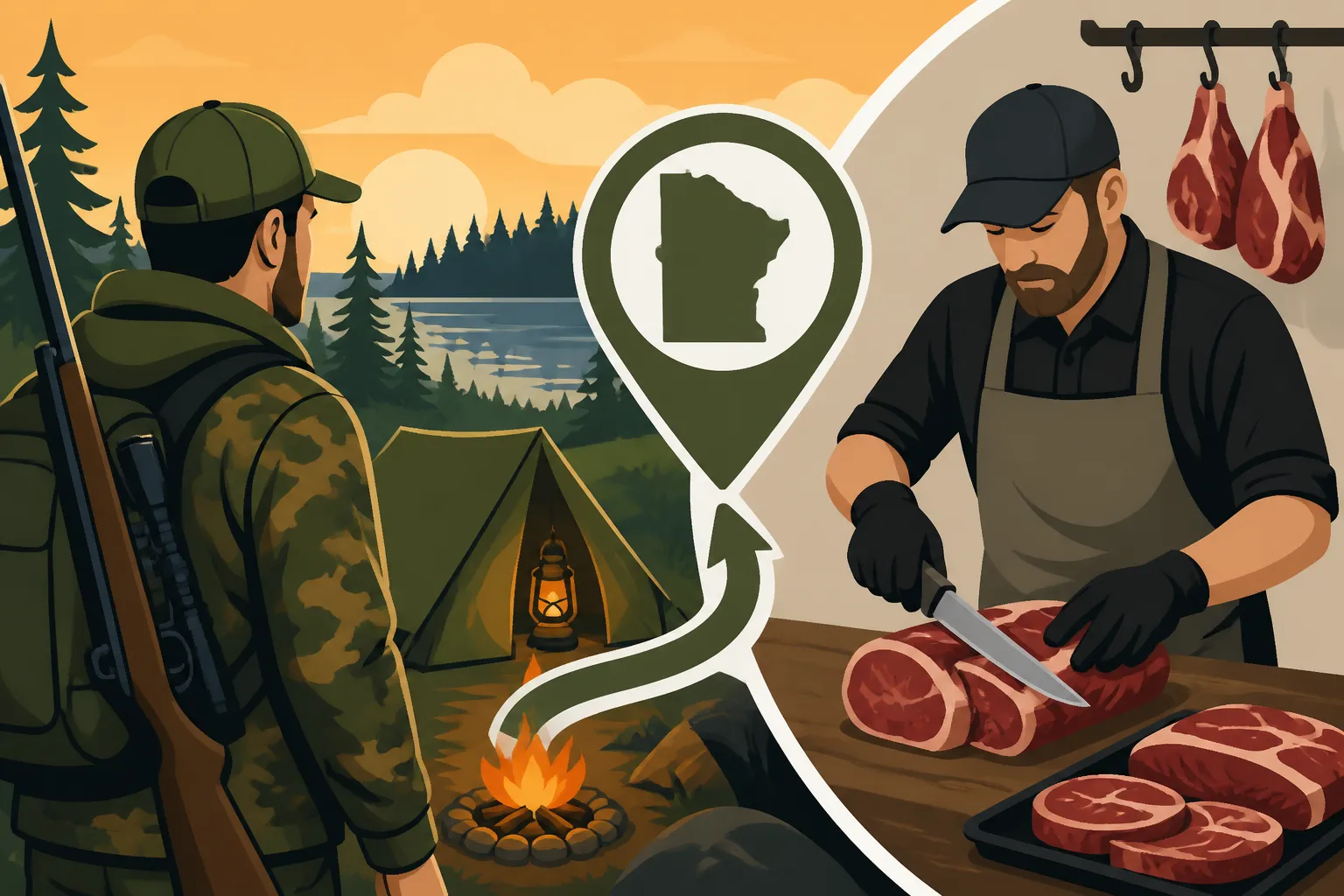
You’ve just made a successful harvest in the Manitoba wilderness. The animal is down, field-dressed, and now the real work begins. One of the biggest headaches, especially for those hunting far from home or without extensive processing facilities at camp, is figuring out what to do with all that precious meat. This guide is here to walk you through the practical steps of finding a reliable butcher near your Manitoba hunting camp, ensuring your hard-earned venison is handled with care and processed into delicious meals.
The Post-Hunt Dilemma: Why a Local Butcher is Your Best Friend
After the adrenaline rush of a successful hunt, the reality of meat care sets in. It's a critical phase, and often, hunters find themselves facing facilities and conditions that aren't ideal for professional processing. That's where a local butcher becomes an invaluable asset.
When Your Camp Isn't Equipped
Let's be honest, not every hunting camp is set up for a full-scale butchering operation. You might have the savvy to field dress your animal efficiently and cool it down rapidly, which is absolutely crucial, but going from a quartered carcass to neatly wrapped steaks, roasts, and ground meat is a whole different ballgame. Many camps lack the sterile environment, the specialized tools like band saws and grinders, or even simply the heated space (or cool space, depending on the season) required to process an animal properly. Trying to do it all yourself with limited resources can lead to wasted meat, uneven cuts, or even safety concerns if hygiene isn't top-notch.
Beyond the tools, there's the sheer time commitment. After days of scouting, tracking, and hunting, the last thing you want to do is spend another day or two painstakingly butchering. A professional butcher takes that immense workload off your shoulders, allowing you to focus on enjoying the camaraderie of camp or getting home for some well-deserved rest. They're experts at maximizing yield, ensuring that you get the most out of your harvest, from prime cuts to the trim for sausage.
Preserving Your Harvest in Manitoba's Varied Climate
Manitoba's weather can be a real character, especially during hunting season. You might start a November whitetail hunt with crisp, cool mornings perfect for hanging game, only for the temperature to swing wildly to above-freezing by the afternoon, or plunge into a deep freeze overnight. Meat Care in Manitoba's Cold Snaps is a serious consideration. These fluctuations make proper cooling and storage absolutely critical to prevent spoilage. Bacteria thrive in warm conditions, and if meat isn't cooled quickly and kept consistently cold, your hard work could literally go to waste.
A professional butcher, or even just access to their walk-in cooler, provides that consistent, controlled environment needed to properly age and store your game. This is especially vital if you have a multi-day journey home. The quality of your venison, whether it's rich moose meat or tender deer steaks, is profoundly affected by how it's handled in the hours and days immediately following the harvest. They also understand the nuances of things like Chronic Wasting Disease (CWD) sampling and carcass movement restrictions, which can be an extra layer of complexity for hunters. Knowing you can drop your animal off with someone who understands these requirements provides immense peace of mind.
How to Track Down a Reliable Butcher in Manitoba
Finding the right butcher can feel like a hunt in itself, especially when you're in an unfamiliar area. But with a bit of planning and local savvy, you can usually connect with a great game processor.
Pre-Trip Research is Key
Don't wait until you have an animal on the ground to start scrambling for a butcher! This is a step best done before you even leave home. Start with online searches: "game processor Manitoba," "wild game butcher [nearest town to your camp]," or even "meat processing near [your specific GHA number]." Websites like Google Maps can be incredibly helpful for identifying potential businesses and their contact information. Many small-town butcher shops might not have elaborate websites, but they'll often have a Google Business profile with their hours and phone number.
Another excellent resource is the outfitter you might be hunting with. If you're on a guided hunt, they almost always have established relationships with local processors and can arrange everything for you, often as part of the package or for an additional fee. Even if you're not using an outfitter, calling a few in the general area (you can often find them listed on sites like BookYourHunt or GoHunt, even if you're not booking with them directly) might yield some valuable recommendations. They know the area and who does good work. Local hunting forums or Facebook groups for Manitoba hunters can also be a goldmine of recommendations and personal experiences.
Tapping Into Local Knowledge on Arrival
Once you're in Manitoba, particularly if you're exploring areas like the Interlake or the Parkland region, don't underestimate the power of simply asking around. Small towns are often tight-knit communities, and hunters are usually eager to help out fellow enthusiasts. Strike up conversations at gas stations, small-town diners, or the local general store. The person behind the counter, or another patron having coffee, often knows exactly who processes game in the area, or can point you to someone who does. I've found some of the best, most reliable butchers just by asking a clerk at a co-op gas bar near where I was Hunting Whitetails on Manitoba Farmland.
Conservation officers, while primarily focused on enforcement, are also a fantastic resource for general information and might be able to offer discreet suggestions or tell you about drop-off points, especially concerning CWD sampling. Also, keep an eye out for community notice boards in rural towns. Sometimes, individuals or small, family-run operations will post ads for their game processing services, especially during peak seasons like the Manitoba Rifle Deer Opening Day. These can be hidden gems, offering personalized service often at a reasonable cost.
Questions to Ask Potential Butchers
Once you've identified a few potential butchers, it's time to call them up. Don't be shy; they expect these kinds of questions from hunters. Here’s a quick checklist of what to ask:
| Question | Why It Matters |
|---|---|
| Do you process wild game? | Not all butchers do, some only handle domestic livestock. |
| What species do you process? | Some specialize in deer, others handle moose, bear, etc. |
| What is your turnaround time? | Important for planning your trip home, especially if traveling. |
| What cuts do you offer? | Standard cuts, specialty items like sausage, jerky, burger patties. |
| How do you package the meat? | Vacuum seal, freezer paper, bulk bags for ground meat. |
| Do you have cold storage? | Essential for proper aging and holding meat before processing or pickup. |
| What is your pricing structure? | Per pound (hanging weight or finished weight), flat fee, extra for specialty items. |
| Do you require the head for CWD? | Crucial for compliance in certain GHAs. They might handle the submission. |
| What preparation do you need? | Field dressed, skinned, quartered? Clear expectations are key. |
| What are your operating hours? | Especially important for drop-off and pickup convenience. |
Make sure you get clear answers to these questions to avoid any surprises down the road. Some butchers are incredibly busy during the main rifle deer season, so asking about their capacity and current wait times is critical.
What to Expect When Working with a Manitoba Game Processor
Bringing your animal to a professional butcher can save you a lot of hassle, but there's still a bit of preparation and understanding required on your part to ensure a smooth process and a high-quality end product.
Preparing Your Animal for the Butcher
A butcher's work starts with your preparation. The old adage "garbage in, garbage out" certainly applies to wild game processing. The cleaner and cooler your animal is when it arrives at the butcher shop, the better the final product will be. This means proper field dressing immediately after the kill. Get those guts out! Then, focus on rapid cooling. If the weather allows, hang the animal in a cool, shaded place. In warmer conditions, getting it quartered and into coolers with ice is paramount. Even if you plan on taking it to a professional, understanding Field Dressing in Manitoba's Deep Cold is essential.
Many butchers prefer the animal to be skinned, especially if you want the hide back for tanning. Others are set up to skin it themselves. Always confirm their preference when you call. For large animals like moose or elk, or if you're planning a long transport, quartering the animal will make it much more manageable. When hunting in a Manitoba's Mandatory CWD Sampling GHAs, make sure you've discussed the head submission with the butcher. Some will handle the removal and submission of the lymph nodes for testing as part of their service, while others will expect you to deliver the head to a designated drop-off point yourself. Always communicate your intentions regarding taxidermy, as this impacts how the cape (hide) should be handled.
Understanding Processing Options and Costs
When you drop off your game, the butcher will typically walk you through the various processing options. This is where you get to customize your harvest. Standard cuts usually include:
- Steaks: Often cut from the backstraps and hindquarters. You'll specify thickness.
- Roasts: Larger cuts, also from hindquarters or shoulders.
- Ground Meat: All the trim, often mixed with a percentage of beef or pork fat to improve flavour and texture. You can usually specify the fat ratio.
- Stew Meat: Cubed pieces, great for slow cooking.
Beyond these basics, many butchers offer specialty services for an additional fee. This might include turning some of your ground meat into delicious sausage (often with various flavour profiles like garlic or jalapeno cheddar), jerky, or even pepperoni sticks. These options are fantastic for making your wild game go further and offering more variety in your freezer.
As for costs, pricing structures can vary. Some butchers charge a flat fee per animal, regardless of size, while others charge by the hanging weight or the finished weight of the processed meat. Specialty items like sausage or jerky will almost always incur an extra charge based on the quantity processed. Always ask for a clear breakdown of costs upfront. Don't forget that if you're also getting the cape or skull prepared for taxidermy, that will be a separate service, often outsourced or handled by the butcher for an additional fee.
Logistics of Pickup and Transporting Meat Home
Once your meat is processed, the butcher will let you know when it's ready for pickup. Be mindful of their timelines and communicate if you anticipate any delays. Punctuality is appreciated, especially during busy seasons. When you go to pick up, ensure you have enough coolers and ice (or dry ice for longer trips) to keep the meat frozen or well-chilled for your journey home. Depending on the size of your animal and how much you had processed, you might need several large coolers.
If you are a non-resident hunter crossing international borders, be acutely aware of the regulations for transporting wild game meat and trophies. Always check with border services well in advance. There might be specific documentation required, and restrictions on certain cuts or parts of the animal, especially in light of CWD concerns. For example, some jurisdictions might restrict the entry of brain and spinal cord tissue. Most butchers who deal with non-residents regularly will be familiar with these requirements and can help ensure your meat is packaged and labelled appropriately for travel. If you're flying home, you'll need to check airline regulations for transporting frozen meat, as there are often specific rules regarding weight, packaging, and cooler types.
Common Challenges and Solutions
Even with the best planning, hunting can throw curveballs. Dealing with game meat is no exception. Knowing potential challenges and having solutions in mind can save you a lot of stress.
Remote Camps and Limited Access
One of the beauties of hunting in Manitoba is the vast, wild country. But that wilderness can also be a challenge when you're trying to get a deer or moose to a butcher. If your camp is deep in the boreal forest or far from any sizable town, finding a conventional butcher might be nearly impossible. This is often the case when hunting areas like the Nelson River Country or the far northern GHAs that require a float plane to access.
In these situations, your field processing skills become even more critical. You might need to quarter the animal entirely and pack it out to a more accessible road, or even completely debone it. For species like moose, knowing Quartering a Moose Alone in the Bush is an essential skill. Some outfitters in remote areas will have basic facilities to get the meat cooled down and prepared for transport to a butcher in a larger centre, or they might even have their own processing capabilities. Always clarify these logistics beforehand. If you're a DIY hunter in a remote area, consider bringing extra-large coolers, plenty of ice, and potentially a portable meat grinder and vacuum sealer if you're prepared to do a significant portion of the work yourself.
Timing Your Harvest with Butcher Availability
The peak of Manitoba's deer season, especially during the Hunting the Rut in Early to Mid November, can be a madhouse for game processors. Everyone is out hunting, and successful hunters will all be bringing in their animals around the same time. This can lead to long wait times, limited capacity, or butchers having to turn away game. Imagine the frustration of having a beautiful buck on the ground only to find every butcher in a 100-mile radius is booked solid.
To mitigate this, if you've done your pre-trip research, call your chosen butcher as soon as you have an animal down, or even when you leave for your hunt to let them know you'll be in the area. Ask about their current capacity and preferred drop-off times. Some butchers might even offer a "drop-off only" service where they'll accept the animal for cold storage until they have space to process it, which can be a lifesaver. Being flexible with your pickup time or even having a backup plan for initial meat cooling can also help. Remember, a well-cooled animal can often wait a day or two for processing without significant quality loss, but a poorly cooled one won't.
Ensuring Quality and Compliance
The onus of delivering a high-quality, compliant carcass largely rests on the hunter. No matter how skilled a butcher is, they can't turn spoiled meat into good meat. Cleanliness and rapid cooling from the moment of the kill are paramount. Make sure your field dressing is thorough, and that you get the body heat out of the animal as quickly as possible. This includes removing as much hair and dirt as you can from the exposed meat surfaces.
Furthermore, ensure that the butcher you choose is aware of and complies with all Manitoba hunting regulations, especially those related to CWD. If you're hunting in a designated CWD zone, understanding CWD Sampling on an Outfitted Manitoba Hunt and confirming the butcher's role in that process is crucial. You want a processor who takes hygiene seriously and understands the unique characteristics of wild game, rather than just treating it like domestic livestock. A good butcher will often ask you how the animal was handled in the field, which is a good sign they prioritize quality.
Disclaimer
This article is for general informational purposes only and does not constitute professional advice. Laws, prices and regulations vary by location and change over time. Consult a qualified professional for guidance on your specific situation.