Staying Warm in a Manitoba Stand
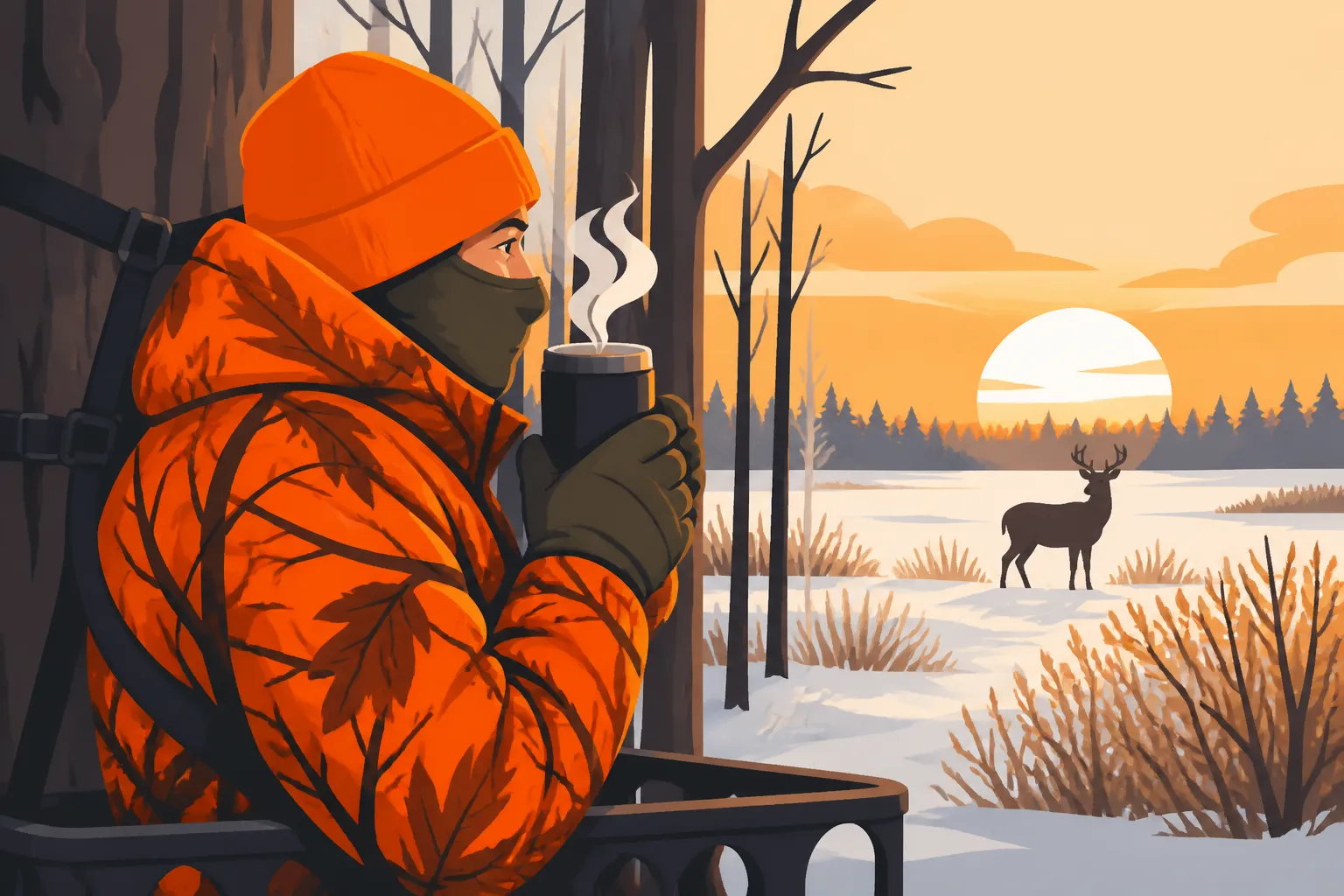
There’s a unique kind of chill that sinks into your bones when you’re perched high in a tree stand or nestled in a ground blind in Manitoba, patiently waiting for a whitetail or a moose. It’s not just cold; it’s an all-encompassing, relentless freeze that can cut the best hunt short and even become dangerous if you’re not prepared. This guide is all about equipping you with the knowledge and strategies to not just survive, but thrive, in the Manitoba cold, ensuring you can stay out longer and increase your chances of success.
Understanding the Manitoba Cold and Its Impact on Hunters
Manitoba's hunting seasons, especially for big game, often stretch into the late fall and early winter, a time when the landscape transforms into a breathtaking, yet brutally cold, environment. We're talking about temperatures that can dip well below freezing, sometimes flirting with or even exceeding -30 degrees Celsius (-22 Fahrenheit) before factoring in wind chill. This isn't just about feeling uncomfortable; it's about a physiological battle to maintain your core body temperature, which is essential for both your safety and your ability to hunt effectively.
The cold here is deceptive. A sunny, still November morning can lull you into a false sense of security, only for a biting wind to pick up, dropping the "feels like" temperature dramatically. Sitting stationary in a stand or blind, you're not generating much body heat, making you incredibly susceptible to the elements. Your body's priority shifts from alertness to survival, leading to shivering, loss of dexterity, and impaired judgment. This is why proper preparation is not just a suggestion, but a necessity for Hunting Safely in Deep Winter Cold.
Why Cold Penetrates So Deeply in a Stand
When you're up in a tree stand, exposed to the open air, or even in a ground blind with thin walls, you're at the mercy of several factors that exacerbate the cold. Convective heat loss is huge – the wind literally strips heat away from your exposed skin and through your clothing layers. Radiative heat loss occurs as your body radiates warmth into the colder environment around you. Conductive heat loss happens when you sit on a cold metal stand or lean against a chilly tree trunk; the cold object pulls heat directly from your body.
The elevation of a tree stand also means you're often more exposed to any prevailing winds that sweep across the landscape. Even a light breeze feels like a gale when you're static and trying to remain silent. In a ground blind, if it’s not properly insulated or strategically placed, the cold earth can leach warmth from your feet and the floor of your shelter. Without movement, your blood flow slows down, especially to your extremities, making them particularly vulnerable to the biting cold. It's a constant battle, and one that demands a strategic approach to your gear and how you manage your time in the field.
The Dangers of Under-Preparation
Under-preparation isn't just about being a little chilly; it can lead to serious consequences. Hypothermia is a real and present danger, especially during Hunting the Rut in Early to Mid November when hunters are eager to stay out for long stretches. Mild hypothermia manifests as shivering, confusion, and difficulty with fine motor skills – exactly what you don't want when trying to make a precise shot or navigate difficult terrain. Severe hypothermia can be life-threatening.
Beyond hypothermia, frostbite is another concern, particularly for exposed skin and extremities like fingers, toes, and ears. Losing feeling in your trigger finger because it's too cold is a frustrating, but common, scenario for those who haven't adequately prepared their hands. Moreover, discomfort from the cold severely impacts your mental focus and patience, both of which are critical for a successful hunt. You'll be less likely to spot subtle movement, more prone to fidgeting, and ultimately, far more likely to pack up early, missing out on those prime hunting hours when big game is most active. It’s a complete cascade of negative effects that can ruin an otherwise promising outing.
The Art of Layering: Building Your Personal Microclimate
Layering is the absolute cornerstone of staying warm in a Manitoba stand. It’s not just about piling on clothes, but about strategically combining different types of fabrics and weights to create a versatile system that can be adjusted as conditions change throughout the day. Think of your clothing as a personal microclimate you're building around your body, trapping warmth and managing moisture. This approach allows you to regulate your temperature more effectively than a single, bulky garment ever could. Whether you’re planning a multi-day trip with an outfitter you found on BookYourHunt or mapping out your own strategy with tools like GoHunt, understanding layering is paramount.
When you start to feel warm, you can shed a layer to prevent sweating; when the cold bites harder, you add one back. This adaptability is crucial because Manitoba weather can be incredibly unpredictable, with temperatures swinging dramatically from dawn to dusk, or even with a slight change in wind direction. Neglecting this principle means you're either going to be sweating profusely, which is a fast track to getting cold, or shivering uncontrollably from the start.
Base Layers: Wicking Away Moisture
Your base layer is arguably the most important layer, and it's often overlooked. Its primary job is not necessarily to add warmth, but to wick moisture away from your skin. When you walk to your stand, you're going to generate heat and sweat, even in cold weather. If that sweat stays next to your skin, it cools down, and you become cold very quickly through evaporative cooling. This sensation is what makes you shiver uncontrollably when you stop moving.
The best materials for base layers are merino wool or synthetic fabrics designed for wicking. Merino wool is fantastic because it's naturally antimicrobial, so it doesn't get stinky as quickly, and it retains some insulating properties even when damp. Synthetics like polyester are also excellent at moving moisture and tend to dry very fast. Avoid cotton at all costs; it absorbs moisture and holds it against your skin, making you cold and miserable. Look for pieces that are snug but not constricting, allowing for good blood flow. Investing in a good quality base layer is a non-negotiable step for any serious hunter facing Manitoba's chill.
Mid-Layers: Trapping Warmth
Once your base layer is managing moisture, your mid-layers step in to provide the bulk of your insulation. These layers are designed to trap warm air close to your body, creating an insulating barrier against the cold. The key here is loft and material. Fleece, down, and synthetic puffy jackets are excellent choices. Down offers incredible warmth-to-weight ratio but loses its insulating properties if it gets wet. Synthetic insulations, on the other hand, perform better even when damp, making them a more robust choice for wet snow or freezing rain.
You might use one thick mid-layer or multiple thinner ones, depending on the severity of the cold and your personal preference. A good strategy is to have a mid-weight fleece jacket and then a heavier insulated vest or jacket that you can put on once you’ve settled into your stand. This modular approach allows for maximum flexibility. For those extended waits during Sitting All Day in a Manitoba Blind, having an extra-puffy mid-layer stashed away can be a game-changer when the sun starts to drop and the temperatures plummet.
Outer Layers: Battling Wind and Wet
Your outer layer, often referred to as your shell, is your first line of defense against the elements. Its crucial role is to protect you from wind and precipitation, preventing the loss of the precious warmth trapped by your mid-layers. A good outer layer should be windproof and water-resistant or waterproof, depending on the forecast. Breathability is also important to allow any residual moisture from your body to escape, preventing you from getting clammy inside your own clothing system.
Many hunting-specific outer layers come with durable water repellent (DWR) finishes and often feature insulated versions for cold weather. Look for quiet fabrics that won't rustle and spook game. Camouflage patterns are a given, but also consider the actual construction – good zippers, adjustable cuffs, and a hood are essential. For the truly brutal days during Hunting Whitetails at Thirty Below, a heavy, insulated parka and bibs that cut the wind entirely are non-negotiable. Remember, your outer layer can make or break your comfort, so choose wisely and ensure it fits over your other layers without compressing them, which would reduce their insulating power.
Critical Hot Spots: Keeping Extremities Warm
Even with the best layering system for your torso, if your hands, feet, and head aren’t adequately protected, you’ll be miserable and ineffective. These extremities are critical hot spots where a significant amount of heat can be lost, and they are also the first parts of your body that the cold tries to shut down to protect your core. Keeping them warm requires specialized gear and a thoughtful approach. Failing to address these areas will lead to an early exit from the stand, regardless of how well your core is insulated.
The frustrating reality is that staying warm often comes down to the smallest details. A tiny gap between your glove and jacket cuff, or socks that aren't quite right, can lead to agonizing discomfort. It’s a constant battle, and it's where many hunters, even experienced ones, fall short. Let’s dive into how to protect these vital zones effectively, especially when facing Manitoba's challenging conditions.
Feet: The First to Freeze
Your feet are often the first part of your body to get cold when you're stationary, and once they're cold, it's incredibly hard to warm them back up. This is primarily due to gravity and reduced blood flow when sitting still. The solution involves a multi-pronged approach: proper socks, insulated boots, and strategic use of foot warmers. For detailed advice, you'll want to review resources like Boots for Sitting Still in Deep Cold.
Start with a good quality wool or synthetic sock as your base, ensuring it wicks moisture but isn't so thick that it restricts circulation in your boot. Sometimes, a thin liner sock underneath a thicker wool sock works well. Your boots need to be highly insulated, rated for extreme cold, and most importantly, sized generously enough to allow for thick socks and still have room for your toes to wiggle. Boots that are too tight will restrict blood flow and make your feet colder. Many hunters swear by pack boots with removable liners, which can be dried out easily. Finally, chemical foot warmers placed on top of your toes or under your arches can provide crucial heat for hours, making a significant difference to your comfort and endurance in the stand.
Hands: Dexterity in the Cold
Keeping your hands warm while maintaining dexterity for operating your bow or rifle, rangefinder, and other gear is a perpetual challenge for cold-weather hunters. Mittens are warmer than gloves because they allow your fingers to share warmth, but they often lack the precision needed for hunting. A common strategy is to use a layering system for your hands.
Many hunters start with a thin, wicking glove liner. Over this, they might wear a pair of thin, insulated gloves that allow for some dexterity. For periods of extreme cold or when simply waiting, a large, insulated mitten can be worn over the gloves. Some mittens even have a slot for a hand warmer packet. Hand mufflers that attach to your waist or chest are also excellent for warming hands quickly, often with a pouch for a chemical hand warmer. Always have several chemical hand warmers on hand; they are invaluable. Consider models with finger and thumb openings for quick access while keeping the rest of your hand protected. Keeping your hands warm ensures you can make that critical shot when the opportunity finally arises.
Head and Neck: Preventing Heat Loss
You hear the adage that you lose most of your heat through your head, and while that's a bit of an exaggeration, your head and neck are still major areas of heat loss because they are richly supplied with blood vessels and often left exposed. Protecting them is vital for maintaining your overall core temperature and staying comfortable for extended periods.
A warm hat, preferably wool or fleece, that covers your ears is essential. Sometimes, a balaclava provides even better coverage, protecting your face, neck, and head all at once. Many hunters will layer a thinner beanie under a thicker, windproof hat for versatility. Don't forget your neck! A neck gaiter or a simple scarf can make a massive difference in preventing cold air from seeping down your collar and cooling your core. When the wind howls through a Hunting a Manitoba Bush Edge, preventing that direct exposure to your neck can be a huge comfort factor. The goal is to create a complete seal, leaving as little exposed skin as possible without impairing your vision or hearing.
Beyond Clothing: Essential Gear for Stationary Comfort
While a well-designed layering system is your primary defense against the cold, there’s a whole world of additional gear and strategies that can elevate your comfort levels and allow you to endure those long hours in a Manitoba stand. These aren't just luxuries; they are often the difference between a successful, satisfying hunt and a miserable, abbreviated one. From specialized blinds to portable heaters and crucial nutritional support, thinking beyond just "what to wear" is key to staying warm.
Many seasoned hunters understand that physical warmth isn't solely about insulation; it’s also about mental fortitude, which is significantly bolstered by being comfortable. The more comfortable you are, the more patient and focused you can be. This often means investing in specific pieces of equipment designed to combat the unique challenges of prolonged stationary exposure to extreme cold. For example, considering options like Heated Blinds on a Manitoba Hunt can totally transform your experience.
Portable Heaters and Warming Devices
When the mercury truly plummets, a portable heat source can feel like a miracle. Small, catalytic heaters designed for safe indoor use (like in tents or ice shacks) can be a hunter's best friend in an enclosed ground blind. They produce flameless heat and are generally quiet, but always ensure proper ventilation and never use them in an unventilated space. They typically run on propane canisters and can radiate enough heat to make a significant difference in a small blind.
Beyond catalytic heaters, various personal warming devices are available. Reusable hand warmers that you activate by bending a metal disk, or electric hand warmers that recharge via USB, can provide consistent heat. Of course, the ubiquitous disposable chemical hand and foot warmers are a staple in almost every serious cold-weather hunter's Winter Truck Kit for a Manitoba Hunt. Carry plenty of these, as they're a reliable source of instant heat when you need it most. They can be slipped into pockets, gloves, boots, or even inside your hat.
Insulated Blinds and Ground Shelters
For ground hunters, the type of blind you use can profoundly affect your warmth. While pop-up blinds offer concealment, many are quite thin and provide little insulation against the wind and cold. Investing in a heavy-duty, insulated ground blind can make a world of difference. These blinds often feature thicker fabric walls, blacked-out interiors that help trap heat, and sometimes even carpeting or insulated floor options.
Strategically setting up your blind also plays a role. Positioning it on the lee side of a thick bush line, a bluff, or a stand of trees can shield it from the worst of the wind. For tree stands, while you can't enclose them entirely, many manufacturers offer insulated enclosures or skirts that wrap around the stand to create a mini-shelter from the wind. Even a simple tarp strategically deployed can block a surprising amount of wind and improve your comfort. Remember to scout your location carefully, considering prevailing winds and sun exposure, to maximize natural warmth and shelter.
Food, Drink, and Movement Strategies
What you consume and how you manage your body's energy can significantly impact your warmth. Your body is constantly burning calories to produce heat, especially in the cold. Therefore, a good breakfast high in fats and proteins before heading out is crucial. Bring calorie-dense snacks like nuts, trail mix, and chocolate to fuel your internal furnace throughout the day. Dehydration also makes you more susceptible to cold, so stay hydrated with warm drinks.
A thermos full of hot coffee, tea, or broth is an absolute game-changer. Sipping on something warm periodically provides internal warmth and a morale boost. Avoid alcohol, as it causes vasodilation, making you feel warmer initially but actually accelerating heat loss from your core. Finally, subtle movement strategies can help. Wiggling your toes and fingers, gently flexing your muscles, or doing small, silent stretches every half hour can help improve circulation without spooking game. Standing up slowly and quietly for a minute or two can also help get the blood flowing. Knowing Manitoba Big Game Season Dates and planning for the coldest times will help you pack the right food and drink for your hunt.
The cold in a Manitoba stand is formidable, but it doesn't have to defeat your hunting ambitions. By understanding how cold impacts your body, employing a smart layering system, protecting your critical hot spots, and utilizing additional warming gear, you can drastically improve your comfort and endurance. This preparation allows you to stay focused, patient, and ultimately, more successful. Don't let the weather dictate your hunt; take control with proper planning and the right gear, and you'll find those long, cold hours transform into rewarding opportunities.
Disclaimer
This article is for general informational purposes only and does not constitute professional advice. Laws, prices and regulations vary by location and change over time. Consult a qualified professional for guidance on your specific situation.