Bugling Elk in Manitoba’s Parkland
Finding a mature bull elk in Manitoba's incredibly diverse parkland can often feel like an overwhelming challenge. The dense cover, rolling aspen bluffs, and intermixed agricultural fields create a labyrinth where these majestic animals can disappear with ease, leaving hunters wondering if they've chosen the right calling strategy or even the right spot. This comprehensive guide will demystify the art of bugling elk specifically within Manitoba's unique parkland regions, offering practical strategies, in-depth scouting tips, and nuanced calling techniques to significantly improve your chances of success and help you truly connect with these magnificent creatures.
Understanding Elk in Manitoba's Parkland Ecosystems
Manitoba's parkland regions offer a distinctly different elk hunting experience than the vast, open spaces of the American West or the deep wilderness of other Canadian provinces. Here, elk thrive in a patchwork landscape of treed bluffs, willow swamps, and rich agricultural fields. Understanding their unique adaptations and movements in this environment is crucial for any hunter hoping to bugle in a bull.
Where Parkland Elk Roam
Manitoba's elk populations are primarily found in several key parkland areas, notably the Duck Mountain, Porcupine Hills, and the fringes of Riding Mountain National Park. These regions are characterized by a mosaic of aspen and oak forests, interspersed with small lakes, wetlands, and open meadows or cultivated fields. Elk gravitate towards these areas for a critical mix of food, water, and security. During the day, particularly during hunting pressure, they'll often bed down in the thickest bluffs, sometimes within sight of a farmer's field but utterly invisible to the casual observer.
It's not uncommon to find elk moving between these distinct habitat types multiple times a day. They might spend their nights feeding in agricultural fields, perhaps a recently harvested barley stubble or an alfalfa pasture, only to retreat into heavy timber blocks at first light. This movement pattern means hunters need to be exceptionally mindful of wind direction and approach angles, especially when trying to intercept them during their transition times. Knowing the landscape and how elk utilize its features – from a particular shelterbelt to a remote aspen draw – is key to success. Understanding Manitoba's Game Hunting Areas and their specific regulations is also vital before you even step foot in the bush.
The Rut Dynamics in Manitoba
The elk rut in Manitoba typically kicks into high gear from late September through mid-October, though you can often hear some early bugling in the first weeks of September and some residual activity into late October. This timing is similar to other regions, but the intensity and duration can feel different due to the habitat. In dense parkland, the sound of a bugle doesn't carry as far as it would in open country, meaning you need to be closer to a bull to elicit a response, and he needs to be closer to you to hear it.
Manitoba bulls can be incredibly vocal when they're actively herding cows, but they can also be notoriously "call-shy" or silent, especially if they've been pressured. During the peak rut, you're looking for that sweet spot where bulls are aggressive enough to challenge a perceived intruder but haven't been so harassed that they shut down completely. This often means focusing on the first few days of the archery season or targeting less accessible areas. The peak of When the Elk Rut Peaks often brings the most consistent bugling action, but don't discount the days leading up to and immediately following it.
Elk Behavior in Dense Cover
Hunting elk in Manitoba's parkland means embracing dense cover. Unlike their mountain cousins who might be seen traversing open slopes, Manitoba elk are masters of concealment. They utilize every thicket, every cattail-choked slough, and every tangled blowdown for protection. This makes visual identification difficult, and it significantly impacts how you approach bugling. You won't often be glassing a distant herd and planning a several-mile stalk. Instead, you'll be slowly working through timber, relying heavily on your ears, wind judgment, and careful movement.
Bulls will often stage in these dense pockets, bugling to locate cows or challenge other bulls, without ever showing themselves. They might circle downwind of your calling position, trying to get a scent of the "intruder" before committing. This means staying put after a call can be just as important as the call itself, allowing a cautious bull to investigate. The key is patience and meticulous attention to detail – every snap of a twig, every rustle of leaves could indicate an approaching elk. When Hunting Elk in the Duck Mountain Country, for instance, you learn quickly that the thick stuff is where the big boys hide.
The Art and Science of Bugling
Bugling is more than just making noise; it's a conversation with a wild animal, and just like any conversation, understanding the language and tone is crucial for effective communication.
Decoding Elk Calls
Elk communicate through a surprisingly diverse range of vocalizations, each carrying a specific meaning depending on context and intensity. Learning to identify these calls is the first step to becoming a proficient bugler.
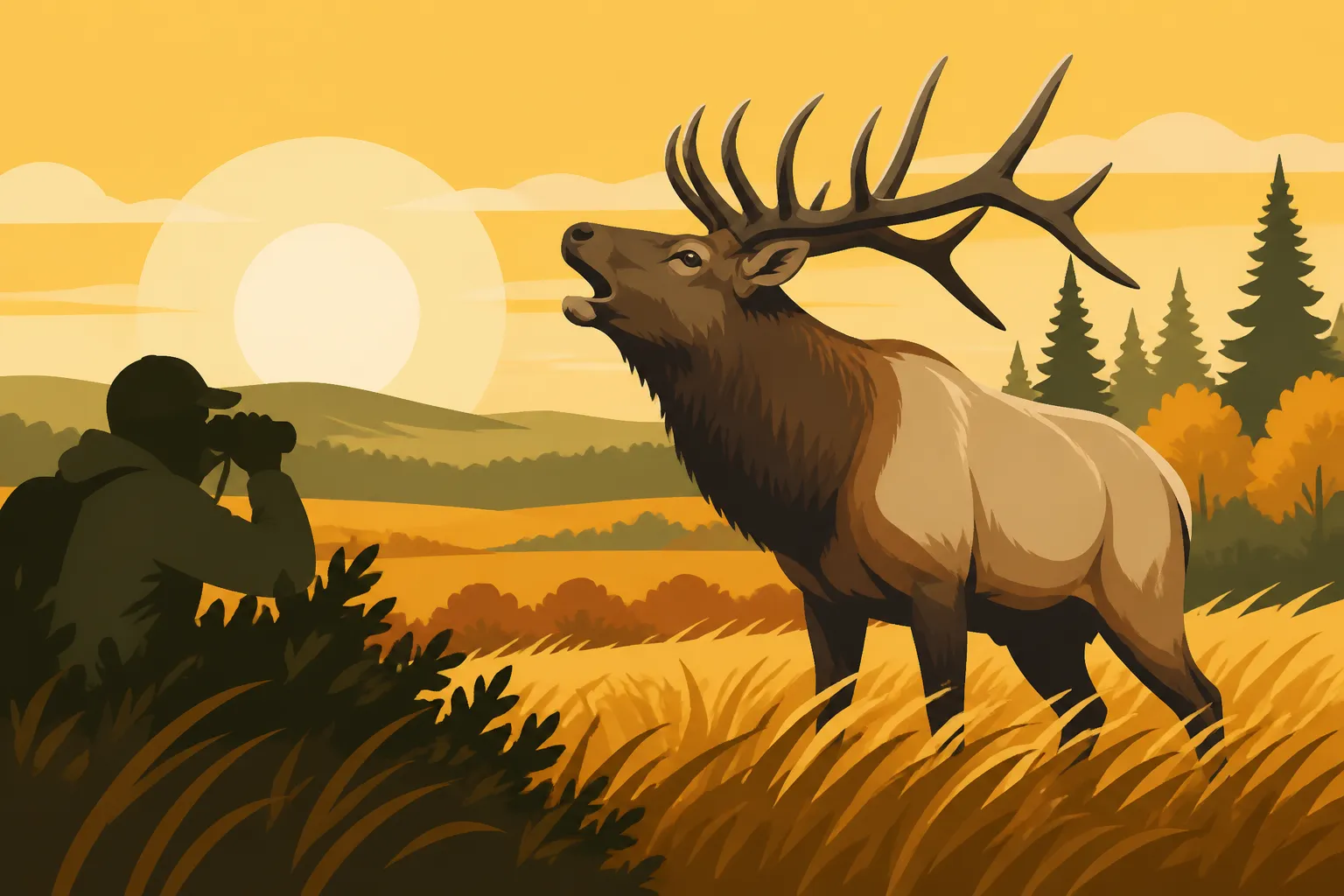
- The Bugle: This is the iconic sound of elk hunting. It's a loud, high-pitched scream that tapers into a series of grunts, often ending with a low "chuckle." Bulls use bugles to announce their presence, challenge rivals, and gather their cows. The intensity and duration can signal aggression, dominance, or simply a bull searching for companionship. A throaty, guttural bugle often indicates a mature, dominant bull.
- The Chuckle: These are short, guttural grunts often appended to the end of a bugle. They signify a bull's readiness to fight or intimidate. When a bull chuckles after a bugle, he's basically saying, "Come get some!"
- Cow Calls and Mews: These are softer, more inquisitive sounds. Cows use mews to communicate with calves, and with other cows or bulls. A soft, pleading mew can draw in an interested bull, especially if he thinks he's found a lone cow. Different pitches and durations can convey varying levels of interest or anxiety.
- Calf Calls: Short, sharp mews, often indicating distress. These can sometimes trigger a protective response from a cow or even a bull, but use them sparingly and strategically.
- The Growl/Bawl: A deep, rumbling sound often made by an aggressive bull, usually when sparring or asserting dominance over another bull or resisting being herded by a more dominant bull. These are serious calls and should be used with extreme caution, as they can bring in a very angry animal.
Understanding these various vocalizations allows you to tailor your calling sequence to the situation. Is the bull hot and aggressive? Match his intensity. Is he hesitant? Try a softer cow call. Knowing what the elk are saying back to you is paramount.
Essential Bugling Techniques
Producing realistic elk calls takes practice and finesse. It's not about making the loudest noise, but the most authentic.
- Breath Control: For bugles, diaphragm calls require excellent breath control. Learning to push air from your diaphragm, rather than just your throat, gives you the power and endurance needed for sustained bugles and chuckles. Practice long, controlled exhalations.
- Vocalizations and Resonance: For bugle tubes, using your own voice in conjunction with the reed is key. Experiment with different pitches and vocalizations to create a full, resonant bugle that sounds like it's coming from a large animal. The tube amplifies and deepens your natural sounds.
- Volume and Intensity: Adjust your volume based on the distance to the elk and the environmental conditions. In dense timber, you might need softer calls. If you're trying to locate a bull across a valley, a louder bugle is appropriate. Varying intensity within a calling sequence also adds realism.
- Pauses and Silence: One of the biggest mistakes callers make is calling too frequently. Elk don't constantly bugle. Incorporate long pauses, sometimes several minutes, to listen, and to give a cautious bull time to respond or approach. Often, the bull will respond in these silent periods.
- Reading the Response: Don't just call; listen intently to how the elk responds. Is his bugle getting closer? Is he circling? Is he answering with just a chuckle, or a full bugle? Each nuance informs your next move. If he's moving away, perhaps your call was too aggressive or he's seen movement. If he's coming in hard, be ready!
Choosing the Right Calls
The market is flooded with elk calls, and choosing the right ones for Manitoba's parkland can make a difference.
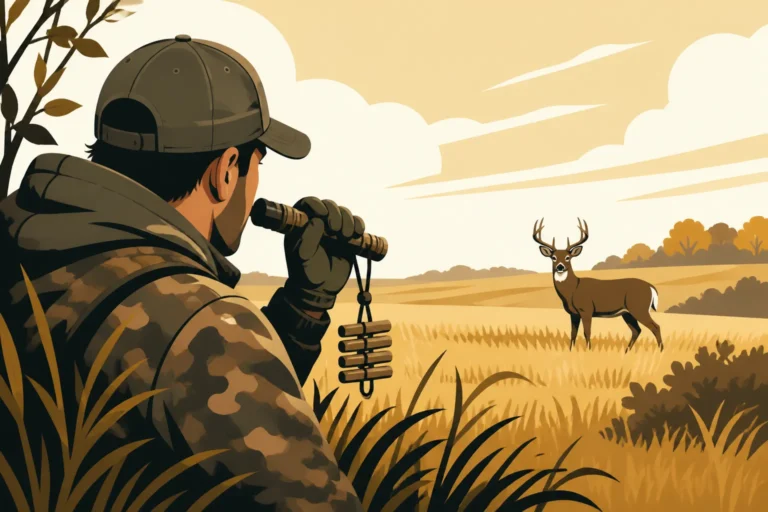
- Diaphragm Calls (Mouth Reeds): These are incredibly versatile and are often the choice of seasoned hunters. They fit in your mouth, allowing for hands-free operation, which is critical when you need to draw your bow or shoulder your rifle. They produce a wide range of realistic elk sounds, from soft mews to aggressive bugles and chuckles. Brands like Phelps Game Calls and Elk Inc. offer excellent options. The learning curve can be steep, but the realism and versatility are unmatched.
- Bugle Tubes: These are typically used in conjunction with a diaphragm call or an external reed call. The tube amplifies the sound and adds that deep, guttural resonance that mimics a bull's windpipe. A good quality bugle tube is essential for projecting sound, especially in thick cover. Look for tubes with good volume and tone, and consider those with a mouthpiece that allows for a comfortable seal.
- External Reed Calls (Open Reed Calls): These are simpler to learn than diaphragm calls and can produce very realistic cow and calf sounds. Some models can even produce a decent bugle. They require holding the call, which can be a drawback in a tight situation, but their ease of use makes them popular, especially for beginners or as a supplementary call.
- Bully Bulls or "Estrus" Calls: These are specialized cow calls designed to mimic a cow in estrus. They can be incredibly effective on dominant bulls looking for receptive cows.
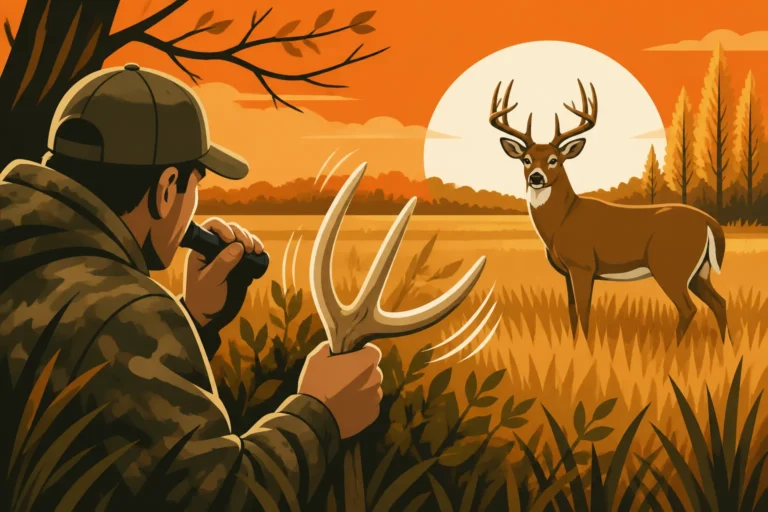
- Rattle Bags/Antlers: While primarily associated with deer, in very close quarters, especially if you're trying to simulate a small skirmish between bulls, a subtle rattle can sometimes add realism. However, use with extreme caution, as elk are powerful animals, and you don't want to draw one into a fight at point-blank range unintentionally.
Many hunters carry a combination of calls – a diaphragm for versatility, a bugle tube for projection, and an external reed for easy, realistic cow calls. Practice with all of them until you can confidently make the sounds you need.
| Elk Call Type | Primary Use | Pros | Cons |
|---|---|---|---|
| Diaphragm | Bugles, Mews, Chuckles | Hands-free, highly versatile, realistic | Steep learning curve, takes practice |
| Bugle Tube | Amplifying Bugles | Adds deep resonance, projects sound far | Requires an additional call, bulky |
| External Reed | Cow/Calf Mews, some Bugles | Easy to learn, realistic cow sounds | Not hands-free, less versatile than diaphragm |
| Bully Bull/Estrus | Aggressive Cow/Estrus Mews | Highly effective on dominant bulls | Limited sound range, specialized use |
Key Strategies for Bugling Elk in Parkland
Bugling elk in Manitoba isn't just about calling; it's about a holistic approach that combines calling, movement, and situational awareness.
Effective Call Sequences
The sequence and intensity of your calls are critical. A common mistake is to simply blast out a series of aggressive bugles without listening or adjusting.
- Locating Calls: Start with a few medium-volume bugles, followed by a cow call or two, especially at dawn or dusk. This isn't meant to draw them in aggressively, but rather to get a bull to respond and reveal his general location. Listen intently for a return bugle, a distant mew, or even the sound of branches breaking as an elk moves. Early mornings and late evenings are prime times to hear Calling a Bull Moose in the Rut, and the same often applies to elk.
- Aggressive vs. Subtlety: If a bull responds with an aggressive, guttural bugle and chuckles, you might choose to match his intensity. A challenge bugle, perhaps slightly louder or more drawn out than his, can sometimes bring him in. However, in heavily hunted areas, a subtle approach can be more effective. If the bull is hesitant, switch to softer cow mews, perhaps with a touch of estrus whine. Make him think he's approaching a lone cow, not a rival bull.
- "Lost Calf" or "Lost Cow" Scenario: A series of anxious, pleading cow or calf mews can sometimes bring in a protective cow or a bull searching for a lost member of his herd. This can be particularly effective on call-shy bulls that won't respond to a challenge.
- The Herd Mentality: Try to mimic the sounds of a small, unseen herd. A dominant bull bugling, interspersed with some softer cow mews and perhaps a smaller, younger bull's bugle in the background. This makes your "herd" sound more convincing and can entice a bull to investigate.
- Intermittent Calling: Don't call constantly. Call, then listen for five to ten minutes. If no response, try another sequence. Patience is your greatest ally. Often, a bull will approach silently, trying to pinpoint the source of the sound.
Setting Up for Success
Once you've located a responsive bull, your setup is paramount to closing the distance and getting a shot opportunity.
- Wind Direction: This is non-negotiable. Elk have an incredible sense of smell. You must position yourself so the wind is in your favor, carrying your scent away from where you expect the elk to approach. This often means circling widely to get downwind. A sudden shift in wind can blow your entire hunt.
- Caller/Shooter Positioning: If hunting with a partner, the caller should position themselves 30-50 yards behind the shooter, slightly off to the side. This is because a bull will often try to pinpoint the exact source of the sound, drawing his attention away from the shooter. The shooter can then be ready for a broadside or quartering-away shot.
- Shooting Lanes and Cover: Choose a setup location that offers clear shooting lanes within your effective range, while also providing enough cover to conceal your movement. Look for natural funnels, saddlebacks, or creek beds that the elk might use. Utilize fallen logs, thick brush, or a large tree to break up your outline.
- Elevated Positions (if available): Sometimes, a slight rise or ridge can give you a better vantage point, both for seeing the approaching elk and for projecting your calls. However, be mindful of exposing yourself on a skyline.
- Patience and Stillness: Once set up, remain absolutely still and silent. Any sudden movement or noise can spook an approaching elk. Keep your bow ready or rifle shouldered, and be prepared to wait.
Approaching a Bugling Bull
The approach is often the trickiest part, especially in dense parkland. It requires a delicate balance of stealth and calculated aggression.
- Slow and Deliberate: If a bull is bugling consistently in an area, move towards him slowly and deliberately. Every step should be controlled, checking for dry leaves or twigs that might snap. Pause frequently to listen and reassess the situation.
- Use the Terrain: Utilize every piece of cover available – draws, ridges, thickets – to mask your approach. Stay in the shadows, and move when the bull is bugling (the sound will cover your own).
- Circumventing His Position: Rather than heading straight at him, try to circle downwind and get to a point where he might pass by, or where you can effectively set up a calling ambush. Elk often try to circle downwind of a call, so anticipate this movement.
- Reading Body Language: If you see the bull, pay close attention to his posture and demeanor. Is he raking a tree, showing aggression? Is he looking around cautiously? Is he slowly walking towards you, or pacing back and forth? His actions will tell you whether to continue calling, hold silent, or prepare for a shot. A bull with his head held high, ears swiveling, is actively searching. A bull that's looking directly at your setup from a distance, ears pinned, might have caught your scent or seen something suspicious.
- Stopping the Bull: If the bull is committed and coming in fast, or moving through a shooting lane too quickly, a subtle cow mew or a soft "chirp" from your diaphragm can sometimes stop him long enough for a shot. Don't shout or make a loud noise, as this will likely spook him.
Scouting and Pre-Season Prep for Parkland Elk
Success in bugling elk starts long before you ever pull out a call. Dedicated scouting and thorough preparation are the foundation of a productive hunt in Manitoba's parkland.
Finding Prime Elk Habitat
Identifying areas where elk are likely to be found is the first hurdle. These animals need three things: food, water, and cover.
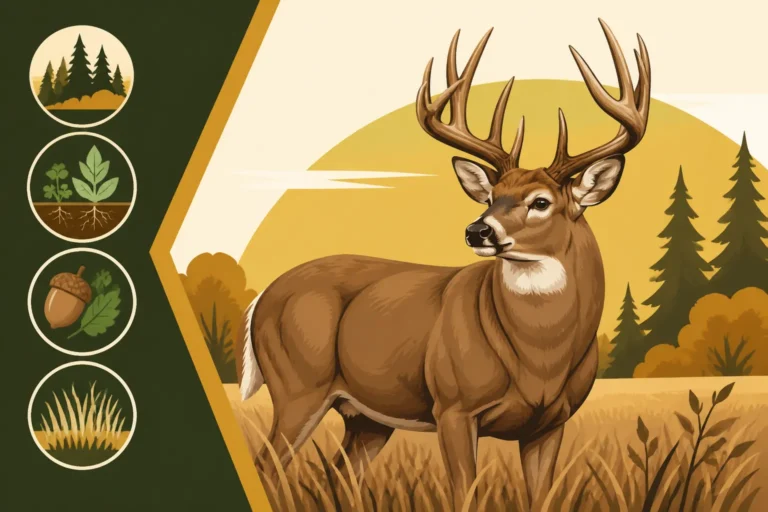
- Food Sources: In parkland, this means a mix of natural browse (willows, aspen shoots, various grasses and forbs) and agricultural crops. Elk are notorious for raiding fields of oats, barley, alfalfa, and sometimes even standing corn. Look for fields adjacent to large blocks of timber or dense bush. Hunting Elk on Manitoba Grain Land can be incredibly productive, but requires careful scouting and landowner permission.
- Water Sources: Elk need regular access to water. Look for sloughs, creeks, small ponds, or even dugouts within their preferred habitat. These areas are often prime spots for wallows, which are another excellent sign of elk activity.
- Cover: This is especially critical in parkland. Large, contiguous blocks of aspen, oak, or mixed forest provide security for bedding, especially during hunting season. Willow bottoms and dense riparian areas along waterways also offer excellent cover. satellite imagery tools like GoHunt are invaluable for identifying these features from your couch. You can overlay property lines, locate hidden bluffs, and pinpoint potential travel corridors.
- Habitat Diversity: The best elk spots will have a good mix of all three – a dense bedding area next to a water source, with easy access to a prime feeding ground, all interconnected by trails in the thickest parts of the bush. These are the areas where elk will feel safe and content.
Reading Elk Sign
Elk leave behind a wealth of clues about their presence and activities. Learning to interpret these signs is like reading a story about the animals' daily lives.
- Tracks: Look for large, heart-shaped tracks with visible dewclaws, especially in soft soil, mud around water sources, or along old logging roads. Fresh tracks indicate recent activity. The size of the track can give you an idea of the size of the animal.
- Droppings (Scat): Elk droppings are typically oval-shaped pellets, often in a pile. In the summer and fall, when they're eating lush vegetation, they might be softer and clumped. Fresh, moist droppings mean elk are currently in the area.
- Rubs: Bulls will rub their antlers on trees and saplings, especially during the rut, to remove velvet and later to mark their territory and demonstrate dominance. Look for fresh rubs on small trees (2-6 inches in diameter) where the bark has been scraped away. Larger, deeper rubs often indicate a more mature bull.
- Wallows: Bulls (and sometimes cows) will create wallows – muddy depressions where they roll to cool down, repel insects, and spread their scent. Look for fresh mud, hair, and strong elk scent around these areas. Wallows are absolute hotspots during the rut.
- Trails: Elk create distinct trails, especially between bedding and feeding areas, or to water. These trails will often be well-worn, and sometimes you'll see tracks or droppings along them. Follow these trails to uncover other signs.
- Bedding Areas: Look for flattened areas in thick cover, often surrounded by droppings, where elk have rested. These are typically in secure, sheltered spots with good wind advantage.
Learning to differentiate fresh sign from old is crucial. Over time, you'll develop an eye for what indicates an active elk presence, leading you to the right locations.
Gear Essentials for Parkland Bugling
Manitoba's parkland can be challenging, requiring specific gear to ensure comfort, safety, and success.
- Optics: Good quality binoculars (10×42 or 10×50) are essential for spotting elk in dense cover, especially during twilight hours. A rangefinder is also critical for accurately judging distances, particularly if you're bowhunting.
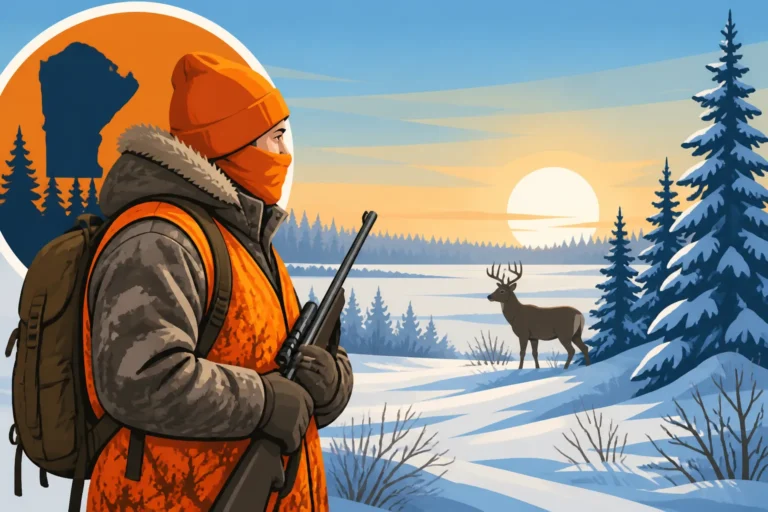
- Clothing and Layering: Manitoba weather during the fall can be highly variable. Dress in layers, using moisture-wicking base layers, insulating mid-layers, and a waterproof/windproof outer shell. Blaze orange is required during rifle seasons, and even during archery, a blaze orange hat or vest while moving can increase safety. Consider packable rain gear, as a sudden shower can quickly soak you.
- Footwear: Sturdy, waterproof hiking boots with good ankle support are a must. You'll be doing a lot of walking, often over uneven terrain, through wet areas, and up and down hills.
- Scent Control: Elk have an incredible sense of smell. Employ a scent control regimen that includes scent-eliminating sprays, activated carbon clothing, and washing your hunting gear in scent-free detergent. Store your hunting clothes in airtight bags to prevent contamination.
- Backpack: A comfortable daypack is essential for carrying your calls, water, snacks, first-aid kit, game bags, and any extra layers. A larger pack might be needed if you anticipate needing to pack out meat.
- Navigation Tools: A reliable GPS unit or a hunting app on your phone (like GoHunt, which features detailed topo maps and public/private land boundaries) is critical for navigating in dense bush. Knowing exactly where you are and how to get back to your vehicle or camp is paramount, especially if you're following a bugling bull into unfamiliar territory.
- First-Aid Kit: Always carry a well-stocked first-aid kit for minor injuries or emergencies.
- Game Bags: If you're fortunate enough to harvest an elk, quality game bags are essential for protecting the meat from dirt, insects, and quickly cooling it down. Meat Care in Manitoba's Cold Snaps is especially important to consider, as autumn temperatures can fluctuate.
Common Challenges and How to Overcome Them
Elk hunting, especially bugling in parkland, rarely goes exactly as planned. Facing challenges is part of the experience, and knowing how to adapt can be the difference between success and a frustrating day.
Dealing with Call-Shy Bulls
One of the most common frustrations is a bull that simply won't respond to calls, or worse, responds once and then goes silent.
- Why They Go Silent: Bulls become call-shy for various reasons: they've been pressured by other hunters, they're with a dominant cow that keeps them quiet, they've already bred their cows and lost interest, or they're simply being cautious.
- Subtle Tactics: If aggressive bugling isn't working, switch to more subtle tactics. Try soft, pleading cow mews. These can pique a bull's interest without triggering his caution. Imagine a lonely cow wandering through his territory – it might just be enough to draw him out.
- Patience and Listening: Instead of calling immediately, spend more time listening. Often, a "silent" bull will still be moving and communicating, just more quietly. You might pick up on soft mews, chuckles, or the sound of him raking a tree.
- Circumventing and Observing: If you know a bull is in an area but won't respond, try to quietly circle downwind and attempt to visually locate him. Sometimes seeing the setup – how many cows he has, his posture – can inform your next calling strategy. You might decide to go completely silent and try to stalk him, rather than call.
- Decoys: While not always practical in dense parkland, a small cow elk decoy, strategically placed, can sometimes be the visual trigger a call-shy bull needs to commit. Always use decoys with extreme caution, especially during rifle season, and ensure your position is safe.
Navigating Hunting Pressure
Manitoba's elk hunting areas, especially the more accessible ones, can see significant pressure during the season. This pressure heavily influences elk behavior.
- Finding Unpressured Areas: Look for areas that are difficult to access – beyond the reach of ATVs, across creeks, or deep within large timber blocks that require a long walk. Most hunters stick close to roads or easily navigable trails. GoHunt's mapping tools can help you identify these remote pockets.
- Timing Your Hunt: Hunt during weekdays if possible, when pressure is typically lower than on weekends. Also, consider the early season (archery opener) before elk have been heavily pressured, or the very tail end of the season when other hunters have packed up.
- Adapting Your Strategy: If elk are heavily pressured, they'll often move to the thickest, nastiest cover available and become largely nocturnal. Adjust your calling to be more subtle, less aggressive. Focus your efforts earlier and later in the day, pushing further into bedding areas at mid-day if safe and ethical.
- Understanding Elk Movement: Pressured elk often use predictable escape routes. Learn these by scouting and studying maps. You might be able to set up an ambush along a route they use to flee perceived threats.
- Courtesy and Communication: If you encounter other hunters, be courteous. A quick chat can confirm if they're working a specific bull or area, helping both of you avoid interfering with each other's hunt.
Weather and Its Impact
Manitoba's fall weather can be a mixed bag, and it significantly affects elk movement and bugling activity.
- Rain and Wind: Heavy rain tends to quiet elk down. They'll often seek dense cover and minimize movement. Strong winds make it difficult for sound to carry, both your calls and their responses. On windy days, focus on hunting thick draws or sheltered pockets where sound might be less muffled, and move slowly, relying more on visual spotting and fresh sign.
- Temperature Changes: A sudden cold snap can sometimes invigorate elk, increasing rutting activity. Conversely, unseasonably warm weather can make them lethargic and less vocal. Adjust your calling intensity – more aggressive in cooler, crisp conditions; more subtle when it's warm and still.
- Pre-Frontal Activity: Just before a major weather front moves in (e.g., a cold front bringing snow), animals often become more active, feeding heavily and sometimes vocalizing more. This can be an excellent time to be in the woods.
- Post-Frontal Lulls: Immediately after a severe weather event, there can be a lull in activity as animals recover or adjust. Be patient and wait for the activity to pick up again.
- Mud and Snow: While not always directly impacting bugling, very muddy conditions or early season snow can alter access and how elk move. Reading Sign After a Fresh Snow can be a game-changer for tracking, but moving quietly becomes even more challenging.
Ultimately, bugling elk in Manitoba's parkland is a rewarding challenge. It demands patience, adaptability, and a deep understanding of both the animals and the unique landscape they inhabit. By mastering the art of calling, perfecting your setup, and diligently scouting, you'll be well on your way to a memorable elk hunting experience.
Disclaimer
Hunting is an inherently risky activity. Always prioritize safety, adhere to all local regulations and laws, and obtain the necessary licenses and permits before engaging in any hunting activities. The information provided in this guide is for educational purposes only and should not replace proper hunter education, professional guidance, or personal due diligence. Hunt ethically and responsibly.