What to Bring to a Manitoba Deer Camp
Heading to a Manitoba deer camp can feel like preparing for an expedition to another planet, especially when you consider how quickly our prairie and bush weather can swing from mild to truly wild. It’s easy to get overwhelmed trying to figure out exactly what you need to stay safe, comfortable, and successful. This guide is all about cutting through that noise, helping you pack smart so you can focus on the hunt itself, not on what you forgot back home.
The Non-Negotiables: Essential Paperwork and Personal Gear
Before you even think about camouflage or broadheads, there's a whole category of absolute essentials that you simply cannot leave home without. These aren't just for convenience; they're legal necessities and personal safeguards that ensure your hunt can even happen. Skipping these critical items can derail your entire trip before you've even seen a deer track.
Your Hunting Credentials
First and foremost, your hunting trip hinges on having all your legal documents in order. This isn't just a suggestion; it's the law. You'll need your valid Manitoba hunting licence, which you typically get through the provincial online portal or authorized vendors. Along with that, make sure you have your species-specific tag or tags. It’s always a good idea to have both physical copies and digital versions on your phone, just in case one gets lost or wet in the field.
Don't forget proof of your hunter education. For many, this is a card or certificate. Keep it handy, preferably in a waterproof pouch with your licence. If you're coming from out of province, you'll need to ensure your home jurisdiction's hunter education is recognized here, and often a federal migratory game bird permit if you're planning on any mixed bag hunting. Having everything in order means you won't face any unwelcome surprises if a conservation officer checks your documents in the field. Understanding Manitoba Hunting Licences and What They Cost is the first step in this preparation.
Beyond the basic licence and tag, think about any special draw authorizations you might have for specific Game Hunting Areas (GHAs) or species, especially for elk or moose. If you're a non-resident, the rules can be a little different, often requiring you to book through an outfitter for certain species, and there are specific forms for bringing firearms into Canada. It’s always best to verify all requirements well in advance of your trip to avoid any last-minute headaches. The folks at platforms like BookYourHunt can often provide guidance on these requirements when you're exploring options for an outfitted trip, ensuring you're squared away before you even arrive.
Personal Identification and Emergency Info
Just as important as your hunting paperwork is your personal identification. This includes your driver's license, health card, and any other relevant ID. Again, keep these in a secure, waterproof location. Think about a small, laminated card or a note with emergency contact information for next of kin, any relevant medical conditions, and medications you’re taking. Should anything unforeseen happen, this information is invaluable to first responders.
For those travelling from afar, having photocopies of your passport and any visa documents stored separately from the originals can be a lifesaver if anything goes missing. It’s a small step that can save a monumental amount of stress. Remember, in remote areas, immediate access to information can be crucial, so don't rely solely on what's in your wallet if your wallet isn't always on your person. Rules for Non-Residents Hunting Manitoba covers some of the specifics for those visiting from other countries.
Beyond official documents, think about your daily personal needs. This might seem obvious, but packing enough of your prescribed medications for the entire trip, plus a few extra days, is absolutely critical. Pharmacies aren't usually around the corner from a remote deer camp. Any necessary medical devices, contact lenses, spare glasses, or even hearing aid batteries should be considered part of your emergency personal kit.
Basic Camp Comforts
While hunting is often about roughing it, there's no need to suffer unnecessarily. Basic camp comforts can make a huge difference to your morale and ability to focus. This includes personal hygiene items: toothbrush, toothpaste, biodegradable soap, shampoo, and a small towel. If you're in a shared camp, being considerate of others is always appreciated.
Beyond hygiene, consider things that contribute to your mental well-being during downtime. A good book, a journal, a deck of cards, or a downloaded podcast can be invaluable for unwinding after a long day in the stand, especially if cell service is non-existent. You might be there to hunt, but you're also there to enjoy the experience, and a little comfort goes a long way.
Even simple things like lip balm and good hand cream can be huge in Manitoba's dry, cold air. Your skin can take a beating, and preventing chapping and cracking is key to staying comfortable. Remember, a comfortable hunter is a more patient and focused hunter.
Clothing for Manitoba's Wild Weather Swings
Manitoba's weather during hunting season is legendary for its unpredictability. One day can be a mild, sunny autumn day, and the next can bring a blizzard with bone-chilling winds. The key to staying comfortable and safe is not just what you bring, but how you plan to wear it. Layering is king, and investing in quality gear that can handle anything Mother Nature throws at you is paramount.
Layering is Your Best Friend
Forget bulky, single-layer warmth; the real secret to enduring Manitoba's dynamic temperatures is the art of layering. Start with a good base layer. This should be made of moisture-wicking material like merino wool or a synthetic blend. Its job is to pull sweat away from your skin, keeping you dry even when you're hiking hard. Cotton, while comfortable in other scenarios, is your enemy in cold weather because it holds moisture and rapidly cools your body.
Next comes your mid-layer, designed for insulation. Fleece jackets, down vests, or thicker wool sweaters fit the bill perfectly here. The beauty of this system is adjustability. As you move and generate heat, you can shed a layer. When you settle into a stand or the temperature drops, you can add it back on. This flexibility is critical for managing your body temperature effectively throughout the day. For more on this, check out Dressing for Manitoba's November Cold.
Finally, your outer layer acts as a shield against the elements. This needs to be durable, waterproof, and windproof. Think about how many times you'll be brushing against wet brush or enduring a sudden downpour or biting wind. A good outer layer should be quiet enough for hunting, but its primary job is to protect your insulating layers from getting wet and compromised.
Outerwear: Wind, Water, and Warmth
Your outermost shell is arguably one of the most important pieces of clothing you'll pack. Look for jackets and pants that are truly waterproof and breathable, not just water-resistant. Materials like Gore-Tex or similar technical fabrics are worth the investment. They'll keep you dry during a long trek through wet snow or freezing rain, which is a real possibility in a Manitoba fall.
Beyond waterproofing, wind protection is critical. Manitoba winds can cut right through lesser fabrics, stealing your body heat rapidly. A robust, windproof outer layer acts as a barrier, trapping warm air against your body. Many good hunting jackets and pants combine both wind and waterproofing with some level of insulation, but remember the layering principle: don't rely solely on the outer shell for warmth.
Always pack extras of key items, especially gloves and hats. A wet hat or a lost glove can quickly lead to an uncomfortable, even dangerous, situation. Pack several pairs of quality gloves – a thinner pair for dexterity, a warmer insulated pair, and perhaps a waterproof shell mitt to go over them. Same for hats: a light toque for chilly mornings, and a heavy, insulated one for truly bitter cold days.
Footwear and Handwear
Your feet are your foundation, and keeping them warm and dry is paramount. Invest in high-quality, insulated, waterproof hunting boots that are well broken in before your trip. There's nothing worse than blisters on day one of a multi-day hunt. Choose boots rated for temperatures colder than you expect to encounter, as sitting still in a stand rapidly magnifies the cold. Some hunters even bring a second pair of boots to rotate, allowing one pair to completely dry out. This is especially important for Boots for Sitting Still in Deep Cold.
Socks are just as important as boots. Merino wool socks are highly recommended. They wick moisture, provide warmth even when damp, and resist odor. Bring several pairs, enough for at least one fresh pair per day, plus extras. Consider thinner liner socks to reduce friction and then a thicker outer sock for insulation. Some hunters swear by heated socks for those really frigid days in the stand.
For your hands, a system of thin liner gloves under heavier, insulated gloves or mitts works best. The liners can be worn for fine motor tasks, while the heavier outer layer provides serious warmth when sitting still. Many hunters prefer mitts for maximum warmth, opting for models with a trigger finger slot or fold-back thumb for shooting. Don't forget chemical hand warmers, which can be a game-changer when temperatures really plummet.
Hunting-Specific Gear and Field Essentials
Now we get to the tools of the trade – the gear that directly impacts your success in the field. From your chosen weapon to navigation tools and essential game care items, each piece plays a vital role. Skimping on these essentials can lead to missed opportunities or, worse, ethical issues if you can't properly track or recover an animal.
Firearms, Ammunition, and Archery Equipment
If you're bringing a rifle, shotgun, or muzzleloader, ensure it is properly cased and unloaded for transport according to all provincial and federal regulations. Bring enough ammunition for your hunt, plus a little extra for sighting in or unexpected circumstances. Having a small cleaning kit with oil and patches is a smart move, as a day in the field can expose your firearm to moisture and dirt.
For bowhunters, your bow needs to be securely protected, and you'll want to pack a good supply of broadheads, field points, and any necessary repair tools. A spare string or release aid could save your hunt if something goes wrong. Practice is key; ensure you're confident and proficient with your weapon before you step into the field. Knowing Legal Firearms and Bows for Big Game is crucial for ensuring compliance.
Regardless of your weapon choice, remember that cold weather can affect performance. Test your gear in similar temperatures if possible. Batteries in electronic sights or rangefinders can drain faster, and some lubricants might thicken in extreme cold. A pre-hunt check of all your equipment, from scope mounts to arrow fletching, can prevent frustrating malfunctions when it matters most.
Optics, Navigation, and Lighting
Good optics are invaluable for spotting game in Manitoba's varied terrain, from dense bush to open parkland. A quality pair of binoculars (8x or 10x magnification is common) and a reliable rangefinder are essential. They allow you to survey distant areas and accurately judge yardage, which is critical for ethical shot placement. If you're hunting in low light conditions, consider binoculars with larger objective lenses for better light gathering.
Navigation tools are non-negotiable, especially if you're venturing into unfamiliar territory. A reliable GPS unit or a smartphone with downloaded topo maps and a hunting app (like those you might find recommended by GoHunt for other areas, but remember to ensure it has good Manitoba coverage offline) is paramount. Always carry a physical compass and know how to use it as a backup – batteries die, and technology can fail. Mark your waypoints, especially your vehicle and any stands you set. For initial scouting, Scouting With Satellite Imagery in Manitoba can be a great starting point, but boots on the ground with reliable navigation is next level.
For lighting, a good headlamp is indispensable. It keeps your hands free for hiking, setting up camp, or field dressing. Pack extra batteries, and consider a headlamp with a red light option to preserve your night vision. A small, powerful flashlight as a backup is also a good idea. You'll be surprised how often you need light, whether it's navigating camp after dark or tracking a deer at dusk.
Field Dressing and Game Care
Once you've successfully harvested an animal, the real work begins. A sharp, durable hunting knife (or two) is critical for field dressing. Many hunters prefer a fixed-blade knife for durability. Pack a small sharpening stone or a portable sharpener to keep your edge keen. Surgical gloves or heavy-duty rubber gloves are excellent for hygiene and keeping your hands clean during field dressing.
Game bags are essential for protecting your meat from dirt, flies, and debris, especially if you have a ways to pack it out. Bring several, sized appropriately for the game you're after. Rope or cord can be incredibly useful for dragging, hanging, or securing quarters. And don't forget hand sanitizer or wet wipes – hygiene is important in the field to prevent contamination. For dealing with a harvest in frigid conditions, Meat Care in Manitoba's Cold Snaps is a great resource.
Beyond the immediate field dressing, think about how you'll transport your game. Coolers with ice (or snow, if available and clean) are necessary for cuts of meat if temperatures aren't consistently cold enough. If you're planning on a shoulder mount or European mount, make sure you know how to properly cape the animal or remove the skull. Communication with your outfitter or camp host about their facilities for game processing and storage is also a smart move.
Camp Life, Safety, and Communication
Hunting camp isn't just about the hunt; it's also about the camaraderie, the stories, and the essential tasks of daily living and staying safe in the wilderness. Being prepared for camp life means you'll contribute positively to the experience and handle any unexpected situations with confidence.
Cooking and Food Prep
While some outfitted hunts will provide all meals, if you’re doing a DIY trip or a semi-guided one, you'll need to think about your food. Pack enough non-perishable food and snacks to sustain you for the duration of your trip, plus a couple of extra days' worth in case of delays. Easy-to-prepare meals that don't require extensive cooking are often best. High-energy snacks like trail mix, granola bars, and dried fruit are perfect for quick fuel in the field.
Hydration is just as important as food. Bring a sturdy water bottle or a hydration reservoir for your pack, and consider a way to purify water if you'll be sourcing it from natural sources. Camp stoves, fuel, cooking pots, and eating utensils are essential if you're responsible for your own meals. Even if meals are provided, having a thermos for hot coffee or soup in the stand can be a huge morale booster on a cold day.
Think about a small cooler for drinks or items you want to keep chilled, even in colder weather. For instance, if you're bringing sandwiches or specific medical items that need to stay cool, a smaller, dedicated cooler can be invaluable. It's about balancing convenience with the necessities of wilderness living.
First Aid and Emergency Preparedness
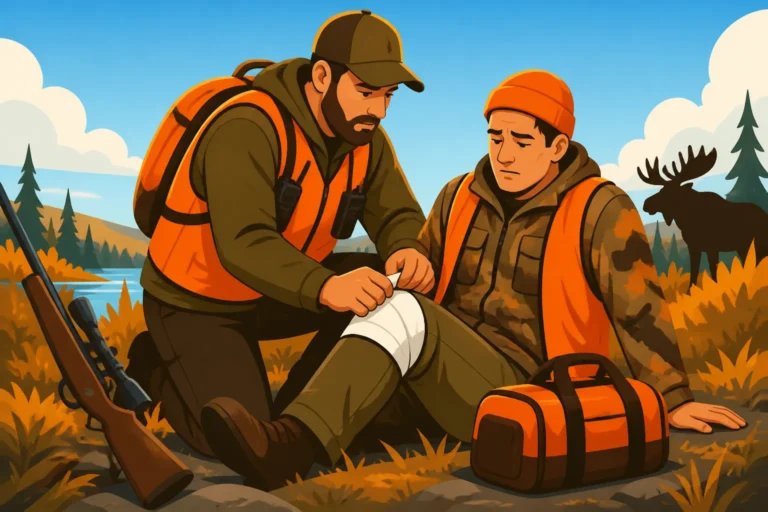
A comprehensive first aid kit is an absolute must-have. Don't skimp here. It should contain supplies for cuts, scrapes, blisters, sprains, pain relief, antiseptic wipes, and any personal medications. Consider adding items like moleskin for foot care, anti-diarrhea medication, and allergy relief. Knowing how to use everything in your kit is just as important as having it.
For remote hunts, a personal locator beacon (PLB) or a satellite messenger device is highly recommended. Cell service is notoriously spotty or non-existent in much of Manitoba's prime hunting country, and these devices can literally be lifesavers, allowing you to signal for help even when you're completely out of range. Check out Where Manitoba Cell Coverage Ends to understand the limitations. Always test these devices before you leave home to ensure they're working.
Beyond the kit and communication devices, simple survival items like a whistle, fire starter (waterproof matches, lighter, ferro rod), and a space blanket can make a critical difference if you get turned around or have an unexpected overnight stay in the bush. Being prepared for the worst allows you to enjoy the hunt with greater peace of mind.
Comforts and "Nice-to-Haves"
While not strictly essential, a few "nice-to-haves" can significantly enhance your camp experience. A comfortable, lightweight camp chair is a luxury after a long day of walking or sitting in a blind. A quality thermos filled with a hot beverage can make those chilly stand-sits much more bearable. A portable power bank for charging your phone or other small electronics is also very useful, as outlets might be scarce.
Don't forget a camera! While your phone might suffice, a dedicated camera can capture incredible memories of your hunt, the landscape, and the wildlife you encounter. A sturdy backpack that can comfortably carry your daily essentials, snacks, and extra layers is also key. Think about the weight and how it distributes across your body for those long treks.
Finally, consider a small, portable tool kit or multi-tool. You never know when you might need to make a quick repair to your gear, tighten a screw, or cut something unexpectedly. These little items might seem minor, but they contribute to an overall smoother, more enjoyable, and safer hunting trip in Manitoba's beautiful wilderness. If you are packing up the truck for a late season trip, considering a Winter Truck Kit for a Manitoba Hunt can add an extra layer of preparedness for unexpected roadside issues.
Essential Manitoba Deer Camp Packing Checklist
To help you organize your thoughts and ensure you don't miss anything crucial, here's a handy checklist summarizing the main categories of items to bring to your Manitoba deer camp.
| Category | Key Items | Notes |
|---|---|---|
| Documents & ID | Hunting Licence, Tags, Hunter Ed Proof, ID (Driver's/Health Card), Emergency Contacts, Outfitter Info | Keep in waterproof pouch. Photocopies of IDs stored separately. |
| Clothing (Layered) | Base Layers (wool/synthetic), Mid Layers (fleece/wool), Outer Shell (water/windproof), Spare Socks, Underwear | Avoid cotton. Pack extras of socks, gloves, hats. |
| Footwear & Handwear | Insulated, Waterproof Boots (broken in), Liner Gloves, Insulated Gloves/Mitts, Hand Warmers | Multiple pairs of socks. Boots rated for colder than expected. |
| Hunting Gear | Firearm/Bow, Ammunition/Broadheads, Cleaning Kit, Binoculars, Rangefinder, GPS/Maps/Compass, Headlamp/Batteries | Test all electronics. Know how to use navigation. |
| Game Care | Sharp Knife, Gutting Gloves, Game Bags, Rope/Cord, Hand Sanitizer | Prepare for field dressing and transport. |
| Personal Items | Medications, Toiletries, Eyeglasses/Contacts, Book/Entertainment, Lip Balm, Sunscreen | Essential meds in original containers. Don't forget personal comfort items. |
| Camp & Safety | First Aid Kit, PLB/Satellite Messenger, Whistle, Fire Starter, Water Bottle/Purifier, Camp Chair, Power Bank | Test communication devices. Pack emergency food/water. |
Disclaimer
This article is for general informational purposes only and does not constitute professional advice. Laws, prices and regulations vary by location and change over time. Consult a qualified professional for guidance on your specific situation.