What Manitoba Outfitters Provide in Camp
One of the biggest anxieties when planning a hunting trip to a new place, especially somewhere as vast and wild as Manitoba, is not knowing what to expect once you get there. You've booked your hunt, but now you're wondering what "camp" actually means and what will be provided by your outfitter. This guide will meticulously break down the typical provisions and services Manitoba outfitters offer to ensure you arrive prepared and confident for your adventure.
The Core Essentials: Beyond Just a Bed
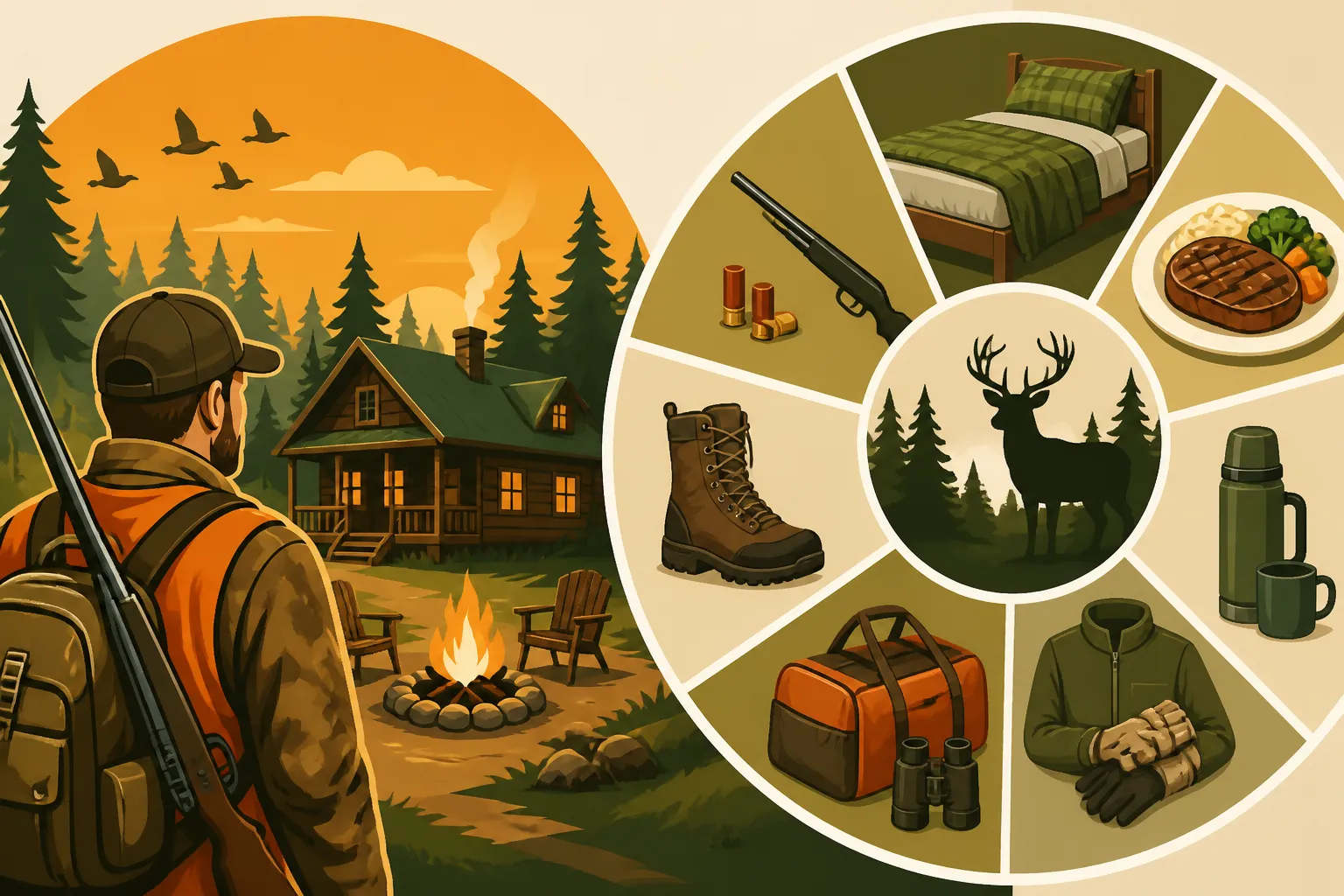
When you book with a Manitoba outfitter, you're not just paying for access to prime hunting ground; you're often investing in a complete experience that starts and ends with your camp. Understanding these core offerings is vital for managing expectations and packing appropriately.
Lodging and Sleeping Arrangements
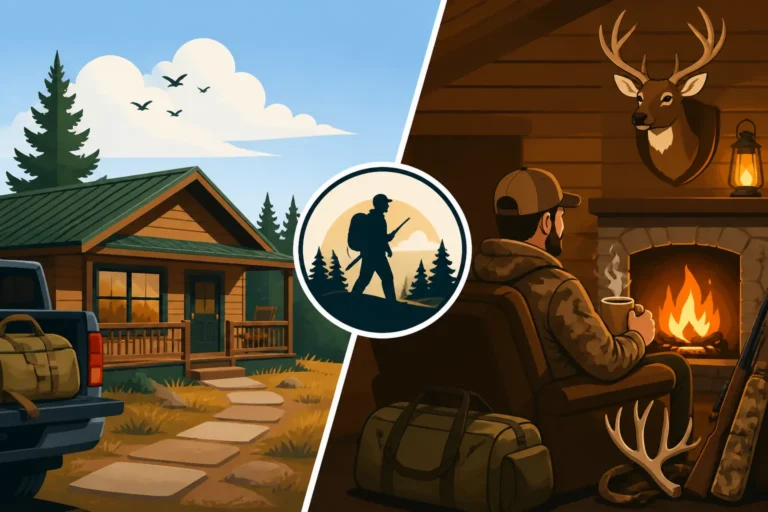
The term "camp" in Manitoba can encompass a wide spectrum of accommodations, from truly rustic cabins deep in the bush to more modern, comfortable lodges that feel like a home away from home. Your outfitter will typically provide a place for you to sleep, and the style of that lodging often reflects the type of hunt and the remote nature of the area.
For those venturing into Manitoba's more remote boreal regions for moose or bear, you might find yourself in a sturdy, insulated cabin or even a tent camp. These are often equipped with basic bunk beds, mattresses, and perhaps a wood stove or propane heater to keep you warm against the brisk northern nights. Linens, sleeping bags, and pillows might be provided, or you might be asked to bring your own. It's always best to clarify this beforehand. The beauty of these rustic setups is their immersion in nature, offering an authentic wilderness experience, but don't expect five-star luxury.
Conversely, many whitetail and waterfowl outfitters, especially those closer to settled areas, operate from more established lodges. These can range from renovated farmhouses to purpose-built structures with multiple bedrooms, private or shared bathrooms, and common areas. Here, you'll almost certainly find comfortable beds with clean linens, heating, and reliable electricity. These lodges aim to provide a comfortable retreat after a long day in the field, allowing you to recharge fully for the next day's hunt.
Meals and Provisions
Let's be honest, good food makes a hunt even better, and a hungry hunter is rarely a happy one. Manitoba outfitters understand this deeply, and most take pride in providing hearty, delicious meals to fuel your days. The culinary experience can vary, but generally, you can expect satisfying fare.
Mornings usually start early with a substantial breakfast, often including staples like eggs, bacon, sausage, pancakes, or toast, accompanied by coffee and juice. This gives you the energy needed for a full day of hunting. Lunches are frequently packed to go, designed for convenience in the field. Think sandwiches, wraps, fruit, snacks, and a thermos of coffee or hot chocolate, allowing you to stay out on the stand or in the blind without returning to camp. Some outfitters might have a designated warm-up spot with a quick lunch option if conditions are particularly cold, which is common during Hunting Safely in Deep Winter Cold scenarios.
Evenings are the highlight for many, with a hot, home-cooked dinner often awaiting your return. This could be anything from roast beef, chicken, or pork, to pasta dishes, stews, or even wild game prepared by the camp cook. Dessert is often included, and there's usually plenty to go around. Outfitters are generally accommodating of dietary restrictions if informed in advance, so don't hesitate to communicate any allergies or preferences. Non-alcoholic beverages like juice, milk, and water are typically available, but if you have a specific snack or beverage you can't live without, it’s wise to bring your own.
Basic Amenities and Facilities
Beyond beds and food, a comfortable camp requires certain basic amenities. These ensure your hygiene, comfort, and ability to stay connected, even if minimally. Knowing what to expect here can save you from an uncomfortable surprise.
In more remote camps, washroom facilities might be simpler. This could mean well-maintained outhouses and a shared shower house, sometimes with on-demand hot water, or even a bucket shower system. While perhaps not what you're used to at home, these are often kept clean and functional. In contrast, larger lodges will usually have modern indoor plumbing, flush toilets, and hot showers, similar to what you'd find in a hotel.
Electricity is another variable. While most lodges have standard grid power, remote camps might rely on generators or solar setups, meaning power might be limited to certain hours or for specific uses like charging electronics. Speaking of electronics, cell service can be spotty to non-existent in many prime hunting areas of Manitoba. Some outfitters provide satellite phones for emergencies or offer limited Wi-Fi, often through a satellite link, which is generally slow and best reserved for essential communication. Always assume you might be off the grid, and prepare accordingly.
Gear, Logistics, and Field Support
A Manitoba outfitter's role extends far beyond providing a place to sleep and eat. They are crucial logistical partners, providing essential support and gear to maximize your hunting opportunities.
Transportation During the Hunt
Getting to and from your hunting spots each day is a significant part of the logistical challenge, especially in Manitoba's varied terrain. Outfitters almost always provide this transportation, which can involve a range of vehicles and methods depending on the species and location.
For whitetail hunts, particularly in agricultural or parkland areas, you might be transported in comfortable 4×4 trucks or SUVs to strategic access points. From there, it could be a short walk to your stand or blind. If hunting in thicker bush country, or for species like moose or bear in more rugged terrain, ATVs (quads) or side-by-sides are common. These vehicles allow access over rough trails, through mud, and even over frozen ground. Quad and Side-by-Side Rules on Crown Land vary, and your guide will be well-versed in where they can and cannot go.
For waterfowl hunts, comfortable vans or buses might take you to pre-scouted fields. In situations requiring water access, like duck hunting in the Interlake or moose hunting around remote lakes and rivers, boats are essential. And for those truly remote northern caribou or moose adventures, float planes are often the primary mode of transport to and from spike camps. Your outfitter handles the maintenance, fuel, and operation of these vehicles, removing a huge burden from your shoulders.
Field Gear and Stands
One of the greatest advantages of hunting with an outfitter is the access to pre-set or provided field gear, eliminating the need to haul your own stands, blinds, or large decoy spreads.
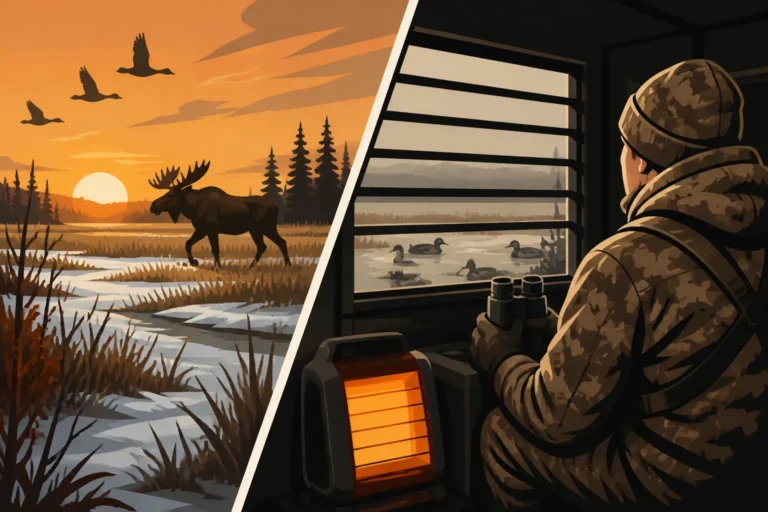
Whitetail outfitters will typically have tree stands or ground blinds already in place, carefully scouted and positioned in high-traffic areas, near food sources, or along travel corridors. These stands are maintained for safety and comfort. You might encounter various types, from ladder stands to enclosed box blinds, designed to keep you warm and concealed during long sits, especially during Hunting the Rut in Early to Mid November. For waterfowlers, the outfitter provides extensive decoy spreads, often hundreds of full-body geese or duck decoys, along with layout blinds or pit blinds, ensuring you have the optimal setup for incoming birds in a grain field or marsh.
While the outfitter provides most major field equipment, you're usually expected to bring your personal hunting gear such as your rifle or bow, ammunition, binoculars, rangefinder, and a hunting pack. Always confirm what specific gear is provided and what you should bring when booking, which you can often do by checking details on platforms like BookYourHunt or GoHunt, then following up directly with the outfitter.
Game Care and Recovery
Harvesting an animal is just the beginning of the work. Proper game care is paramount, especially in Manitoba's varying temperatures, and your outfitter is an invaluable resource in this stage.
Once an animal is down, your guide will assist with field dressing. This often involves expertise in quick, efficient, and clean processing to ensure the meat is handled correctly. For larger animals like moose or elk, this can be a significant undertaking, and guides are skilled at breaking down the animal for transport. They'll also assist in the often-arduous task of packing the animal out of the bush to the nearest access point. This might involve using ATVs, trucks, or even manual sleds and carts. Knowing your guide will be there to help with this heavy lifting is a huge relief.
Back at camp, most outfitters have dedicated facilities for game storage. This commonly includes walk-in coolers or large freezers to ensure meat is properly chilled and preserved, especially crucial during warmer early season hunts or if you're not departing immediately. They will also assist with caping an animal for taxidermy and preparing the skull and antlers for transport. This meticulous attention to detail ensures your trophy and meat are handled with respect and professionalism. You can read more about it in Meat Care in Manitoba's Cold Snaps.
The "Extras" That Elevate the Experience
While core provisions are essential, many Manitoba outfitters go above and beyond, offering services and amenities that turn a good hunt into an unforgettable adventure. These "extras" often reflect the outfitter's dedication to client satisfaction.
Guide Services and Expertise
A licensed Manitoba guide is far more than just a driver or a trail leader; they are your eyes, ears, and often, your best chance at success. Their expertise is arguably one of the most significant provisions an outfitter offers. You can find detailed requirements in What a Licensed Manitoba Guide Provides.
Manitoba guides possess intimate knowledge of their hunting areas – the Game Hunting Areas (GHAs) they operate in, the specific movements of local game, and the best strategies for a successful harvest. They spend countless hours Scouting a Manitoba Game Hunting Area, identifying bedding areas, feeding patterns, and travel corridors. They know how to Reading Sign After a Fresh Snow and interpret subtle cues that the average hunter would miss.
Beyond location, guides are skilled at reading weather patterns, understanding how temperature and wind affect animal behaviour, and adapting hunting strategies on the fly. Many are proficient in calling techniques, whether it's rattling for whitetails in the parkland, calling moose in the boreal forest, or using various calls for waterfowl. They provide invaluable instruction, coaching you on shot placement, ethical hunting practices, and the patience required for a successful hunt. Their goal is not just to put you on game but to ensure you have a safe, enjoyable, and educational experience.
Camp Amenities and Recreation
After a long, cold, or physically demanding day of hunting, a comfortable and engaging camp environment can make all the difference. Many outfitters understand the social aspect of hunting camp and provide amenities for relaxation and camaraderie.
A common feature in many Manitoba hunting camps is a dedicated common area where hunters can gather to share stories, recap the day's events, and strategize for tomorrow. This might include comfortable seating, a television (sometimes with satellite TV), and maybe even a card table or board games. Some camps boast outdoor fire pits, perfect for unwinding under the stars with a hot drink and good conversation. More upscale lodges might even feature a hot tub or sauna, a welcome luxury to soothe sore muscles after navigating Manitoba's diverse terrain.
While the focus is always on the hunt, these social spaces foster a sense of community and fellowship among hunters. It's a chance to connect with like-minded individuals, share tips, and build friendships that often last long after the hunt is over.
Post-Hunt Services and Logistics
The outfitter's support doesn't end when you pull the trigger. They typically assist with the crucial post-hunt logistics, ensuring your trophy and meat are properly cared for and get home safely.
This includes proper caping of your animal for taxidermy, ensuring the hide is salted and prepared correctly to prevent spoilage. They will often have freezer space available for meat and capes until you depart. For those wishing to get their trophy mounted, many outfitters have established relationships with local, reputable taxidermists. They can help coordinate the delivery of your cape and antlers to a taxidermist or assist with the necessary paperwork and packaging for shipping them home. This is especially helpful for non-resident hunters navigating customs and shipping regulations.
If you choose to take your meat home, the outfitter can guide you on local butchers and meat processors. They might even arrange for the meat to be cut, wrapped, and frozen for you. Navigating these logistics can be complex, and the outfitter's local knowledge and connections are invaluable. Read more about Manitoba Meat Processing and Cold Storage and Manitoba Taxidermists and Trophy Shipping if you plan to take your harvest home.
What Hunters Are Expected to Bring (and What to Ask)
Even with all the provisions an outfitter offers, there are still essential items you, as the hunter, are responsible for. Being prepared means knowing these expectations upfront.
Personal Gear and Clothing
Manitoba's weather can be notoriously unpredictable, especially during hunting season. Layering is key, and while your outfitter provides much, your personal clothing and gear are critical for comfort and safety.
You'll need appropriate outerwear for warmth, rain, and wind. Waterproof and insulated jackets and pants are a must. Thermal underwear, fleece layers, and durable outer shells will serve you well. Don't forget proper headwear, gloves, and quality footwear. Boots, especially, need to be waterproof, insulated, and comfortable for walking long distances or sitting for hours in cold conditions. This is paramount during Hunting a Manitoba GHA in Deep Snow or Hunting Manitoba Late When Cold Sets In. You can find more comprehensive packing lists in articles like What to Bring to a Manitoba Deer Camp.
Beyond clothing, pack your personal toiletries, medications, and any specialized hunting gear you prefer, such as your own optics (binoculars, rangefinder), a headlamp with extra batteries, and a comfortable hunting pack. A small first-aid kit for personal use is always a good idea.
Licenses, Tags, and Paperwork
This is one area where the responsibility falls squarely on the hunter. While an outfitter can guide you through the process, you are ultimately responsible for securing all necessary licenses, tags, and permits before your hunt begins.
For Manitoba residents, this means having your valid hunting license and species-specific tags. Non-residents will need to understand the Rules for Non-Residents Hunting Manitoba, including securing a non-resident license, appropriate tags for each species, and potentially a federal migratory game bird permit if hunting waterfowl. Ensure all your documentation is correctly filled out and readily available, as conservation officers may ask to see it in the field. Double-check all season dates and bag limits for your specific Manitoba's Game Hunting Areas and species, as outlined in Manitoba Big Game Season Dates.
Questions to Ask Before Booking
To avoid any surprises, a direct and thorough conversation with your potential outfitter is crucial. Platforms like BookYourHunt and GoHunt provide initial information, but a follow-up conversation is invaluable.
Here’s a table summarizing key questions to ask, ensuring you have a clear picture of what's provided:
| Category | Key Questions to Ask |
|---|---|
| Lodging | What type of lodging is it (lodge, cabin, tent)? Are linens/towels provided? Is there heating/electricity 24/7? Are private or shared bathrooms available? |
| Meals | What's a typical meal plan (breakfast, packed lunch, dinner)? Can you accommodate dietary restrictions? Are snacks/drinks provided in camp or field? |
| Field Support | What vehicles are used for transport to hunting areas? Are stands/blinds provided? Do I need to bring my own decoys/calls? Who handles game recovery and field dressing? |
| Game Care | Is there cold storage/freezer space available? What assistance is provided for caping/skinning? Can you recommend local taxidermists/processors? |
| Communication | Is there cell service at camp? Is Wi-Fi available, and what are the limitations? What's the emergency communication plan? |
| Other Costs | What's NOT included in the package price (licenses, tips, taxes, trophy fees, meat processing, etc.)? Are there any hidden fees? |
| Pre-Trip Prep | What is the recommended packing list for clothing and personal gear? What specific gear do I not need to bring because you provide it? |
Asking these questions, and perhaps even checking references as detailed in Asking a Manitoba Outfitter for References, will ensure you arrive in Manitoba feeling completely prepared and ready for a fantastic hunting experience, free from unexpected logistical headaches. Planning ahead, sometimes Booking a Manitoba Hunt a Year Ahead, can secure the best spots and ensure clarity on all details.
Disclaimer
This article is for general informational purposes only and does not constitute professional advice. Laws, prices and regulations vary by location and change over time. Consult a qualified professional for guidance on your specific situation.