Booking a Spring Bear Hunt in Manitoba
Alright, fellow hunters! Planning a spring bear hunt in Manitoba can feel like trying to untangle a fishing line after a big pike hit – exciting but a little overwhelming with all the details. From finding the right outfitter to understanding the regulations, there's a lot to consider. This guide is here to help you navigate those waters, ensuring your Manitoba spring bear adventure is as smooth and successful as possible.
Why Manitoba for a Spring Bear Hunt?
Manitoba often flies a little under the radar when folks talk about big bear country, but let me tell you, this province is a hidden gem for black bears, especially in the spring. It's a truly wild experience, offering a blend of beautiful landscapes and abundant opportunities.
The Allure of Spring Bears
There's something incredibly primal and rewarding about hunting black bears in the spring. After a long winter in the den, these magnificent animals emerge, eager to feed and roam. This period often means bears are active during daylight hours, coming to bait sites regularly as they look to pack on calories. Their coats are typically at their thickest and most lustrous in the spring, before the summer heat and bug activity can cause rubs or thinning. Imagine the crisp, cool air, the emerging greenery, and the anticipation of seeing a big, jet-black bear step out of the dense bush. It’s an experience that really connects you to the wilderness. Beyond the trophy aspect, spring bear hunting offers a chance to witness the awakening of the boreal forest, a truly unique time of year. You're often among the first to explore these woods after the snow melts, finding fresh tracks and signs of life everywhere.
Manitoba's Bear Populations and Regions
Manitoba boasts a very healthy and well-managed black bear population, particularly concentrated in the vast boreal forests that stretch across much of the province. Areas like the Interlake, the Eastern Shield, and the Northern Boreal regions are prime bear habitat, offering dense cover, abundant food sources, and relatively low human pressure. This means good numbers and often, good-sized bears. What’s really cool about Manitoba is the prevalence of colour-phase bears. While many people think of black bears as, well, black, you’ll find a surprising variety of colours here – cinnamon, chocolate, and even blonde bears are not uncommon. It adds an extra layer of excitement to the hunt, never knowing what magnificent colour phase might step into your bait. Outfitters in these areas have decades of experience understanding bear movements and habits, setting up effective bait sites, and guiding hunters to success. If you want to dig deeper into what makes these hunts special, check out Black Bear Hunting in Manitoba or even hone in on the specific timing with Spring Bear Hunting in Manitoba.
Finding and Vetting Outfitters for Your Spring Bear Hunt
Once you've decided on Manitoba for your spring bear adventure, the next crucial step is finding the right outfitter. This isn't a decision to rush; a good outfitter can make or break your trip.
Starting Your Search: Where to Look
The hunting world has changed a lot, and thankfully, finding reputable outfitters is easier than ever. Online platforms like BookYourHunt and GoHunt have revolutionized how hunters connect with guides. These sites offer detailed profiles, photos, and reviews from past clients, giving you a fantastic starting point. You can filter by species, season, and even specific services, making it simpler to narrow down options for a spring bear hunt. Beyond these platforms, don't underestimate the power of word-of-mouth. Talk to fellow hunters, visit online forums, or attend hunting expos. Provincial hunting associations in Manitoba also often have directories of licensed outfitters. Always remember, the goal isn't just to find an outfitter, but the right one that aligns with your hunting style and expectations. Many great guides are small operations, so sometimes a bit of digging beyond the big platforms is worth it. For more general guidance on finding a good guide, take a look at Hunting Guides and Outfitters in Manitoba.
Key Questions to Ask Potential Outfitters
Once you have a shortlist, it's time to start asking questions. Be thorough and don't be shy – this is a significant investment of time and money. Here’s what you should cover:
- Hunt Specifics: How many hunters will be in camp at one time? What is the guide-to-hunter ratio? What is a typical day like on a spring bear hunt? (e.g., morning check of baits, stand placement, evening hunt). What kind of stands are used (ladder, ground, enclosed)?
- Success Rates: What are their historical success rates, and more importantly, what do those numbers really mean? Some outfitters quote opportunity rates, others harvest rates. Ask for specifics on harvest rates for mature bears. A good outfitter will be transparent and honest, managing your expectations rather than making wild promises.
- Services Included: What exactly is covered in the package price? Does it include transportation from a local airport, lodging, meals, guide services, field preparation of your bear (skinning, quartering)? What about hide and skull preparation for taxidermy?
- Logistics: How far are the bait sites from camp? What kind of transportation is used to get to the sites? What happens if you fill your tag early? Are there opportunities for other activities or fishing?
- Safety: What are their safety protocols? What's their plan in case of an emergency in remote areas? This is especially critical in bear country.
It might feel like an interrogation, but these questions are vital. You're not just booking a hunt; you're entrusting them with your safety and your hunting experience. Asking the right questions upfront will save you potential headaches down the line. We even have a dedicated article for this: Questions to Ask Before Booking.
Checking References and Reviews
After the conversation, the next step is due diligence. Ask the outfitter for references – ideally, two or three hunters from the previous spring bear season. A reputable outfitter will be happy to provide these. When you call the references, ask about their overall experience, the accuracy of the outfitter's descriptions, the quality of the camp, the food, and especially, the guide's effort and knowledge. Did the guide work hard? Was the bait consistently fresh? Were there any unexpected issues? Look at online reviews on those booking platforms like BookYourHunt or GoHunt, but also search for independent reviews on hunting forums or social media. Be wary of an outfitter with no online presence or no references. While a few negative reviews aren't necessarily a deal-breaker (everyone has an off-day or a difficult client), a pattern of complaints or evasiveness is a major red flag. Trust your gut feeling, but verify with facts and experiences from others. Sometimes, you can even connect with other hunters through Manitoba's official hunting associations to get a feel for outfitters that hold a good reputation. Manitoba Outfitter Associations and Standards can be a useful resource here.
What to Expect: From Booking to the Hunt Itself
So you've chosen your outfitter, signed on the dotted line, and the countdown to your Manitoba spring bear hunt has begun! Knowing what to expect regarding costs, timing, and preparation will make the experience much smoother.
Understanding Package Inclusions and Costs
When booking a guided spring bear hunt in Manitoba, you’re usually looking at a package deal. These typically include lodging at a comfortable camp, delicious home-cooked meals (often an unexpected highlight of the trip!), guide services, and transportation to and from your bait site each day. The outfitter will also take care of maintaining active bait sites, which is a huge part of a successful bear hunt. Field dressing and initial processing of your bear, like skinning and quartering, are also commonly included.
However, it’s crucial to understand what’s not included. Your hunting licence and bear tag are almost always separate costs. Travel to and from Manitoba (flights, fuel if driving) will be your responsibility. Taxidermy, meat processing, and shipping costs for your trophy or meat are additional. And don't forget gratuities for your guide and camp staff; these are a customary way to show appreciation for their hard work. Always get a clear, itemized breakdown of costs before you commit. While I can't give you exact figures, know that these additional expenses can add a significant amount to your total trip cost, so budget accordingly. A quick search for Manitoba Black Bear Hunt Prices can give you a general idea of what to expect for the core hunt package.
Timing Your Spring Bear Hunt
Manitoba's spring bear season typically opens in April and runs into June. The exact timing of your hunt within this window can significantly impact your experience.
- Early Season (Late April to Mid-May): This is when bears are just emerging from their dens. They are often incredibly hungry and driven to find food, making them very responsive to baits. The weather can still be cool, even frosty, especially at night, which means fewer bugs. However, the early green-up means more natural food sources are available, and sometimes bears might still be a bit sluggish.
- Mid-Season (Mid-May to Early June): This is often considered the sweet spot by many outfitters. Bears are fully active, the weather is generally warmer, and natural food sources are emerging but not yet abundant enough to distract them completely from baits. Bug pressure might start to increase, especially on warm, calm evenings.
- Late Season (Early to Mid-June): As natural food sources become plentiful (berries, green vegetation), bears can be a bit more challenging to draw to bait. However, the larger, more mature boars often become more active and less nocturnal as they start looking for sows. The weather is typically warm, but bugs will likely be at their peak.
Your outfitter will have specific recommendations based on their area and past experience. Discuss with them what your priorities are – a bigger bear, specific weather conditions, or minimal bug exposure – to help you decide on the best week to book. For a detailed look at the season, see Timing a Manitoba Spring Bear Hunt.
Preparing for Your Manitoba Bear Hunt
Preparation is key to any successful hunting trip, and a spring bear hunt is no exception.
- Physical Conditioning: While bear hunting from a bait site typically doesn't involve extreme physical exertion, being in good shape helps with walking to and from stands, handling your harvested bear, and generally enjoying the experience more.
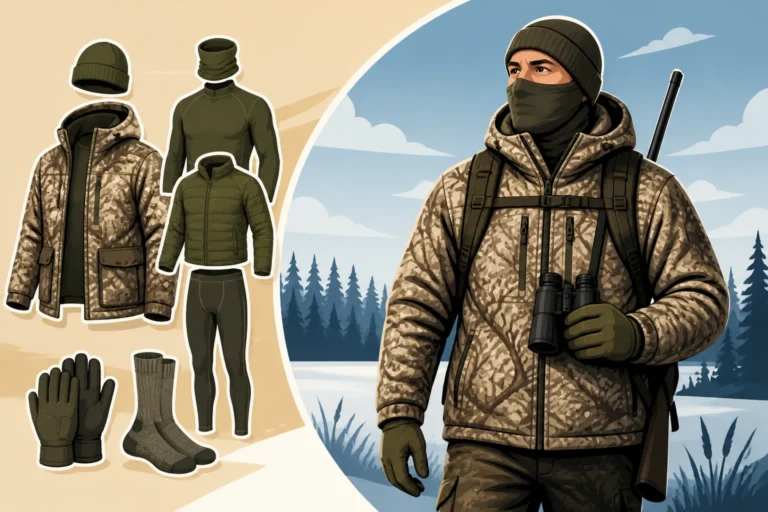
- Clothing and Gear: Spring weather in Manitoba can be notoriously unpredictable. You might experience warm sunshine, cool rain, or even a late-season snow flurry. Layering is crucial. Think waterproof outerwear, insulated inner layers, and comfortable, quiet clothing. Good quality rubber boots are often a must, especially in wet spring conditions. Don't forget a headlamp, knife, and a small daypack.
- Bug Protection: Seriously, do not underestimate the bugs in Manitoba in the spring! Mosquitoes and black flies can be intense. Bring a head net, bug spray (with DEET), and consider bug-proof clothing or a Thermacell. Trust me on this one; comfort in the stand makes a huge difference.
- Firearms/Archery Equipment: Practice, practice, practice! Know your rifle, bow, or crossbow inside and out. Ensure it's sighted in perfectly and you're comfortable shooting from various positions. Discuss shot placement for bears with your outfitter; they'll have preferences based on their experience and the type of shot angles you'll likely encounter. Remember to confirm legal calibers and draw weights with provincial regulations. You might also want to consult What to Bring to a Manitoba Deer Camp for a general packing list, adjusting for bear-specific needs.
Essential Logistics and Regulations
Beyond the actual hunting, there are critical logistical and regulatory aspects that every hunter, especially non-residents, needs to understand before booking a spring bear hunt in Manitoba.
Licences, Tags, and Permits
This is non-negotiable and where things can get a bit specific. As a non-resident hunter, whether Canadian or foreign, you will need to purchase the appropriate Manitoba hunting licence and a specific bear tag. For foreign residents (those from outside Canada), it is mandatory to hunt with a licensed Manitoba outfitter or guide for big game species like black bears. Canadian non-residents, however, have slightly different rules and may be able to hunt without a guide in certain circumstances, but for bear, a guided hunt is often the most practical and successful approach due to the specialized nature of baiting. Always clarify these requirements with your outfitter well in advance. They often assist with the paperwork or direct you to the correct online portal for purchasing your licence. Don't leave this to the last minute! To get the full picture on non-resident rules, check out Rules for Non-Residents Hunting Manitoba.
Travel and Firearm Considerations
Traveling to Manitoba for your hunt requires careful planning, especially if you're bringing firearms.
- Crossing the Border: If driving from the United States, you must declare all firearms and ammunition at the Canadian border. You'll need to complete a Non-Resident Firearm Declaration Form (CAFC 909) in triplicate. There is a fee associated with this, and it acts as your temporary firearm licence while in Canada. Make sure your firearms are unloaded and securely stored in a locked case. Handguns are generally prohibited for hunting purposes in Canada, so leave them at home. Being prepared and truthful at the border will prevent any headaches. I can't stress enough how important it is to have your paperwork in order here. Read Declaring a Firearm at the Canadian Border for detailed instructions.
- Flying with Firearms: If flying, airlines have strict rules regarding transporting firearms and ammunition. Firearms must be unloaded, stored in a locked, hard-sided case, and declared to the airline. Ammunition must be separated from the firearm and stored in its original packaging or a sturdy container. Check with your specific airline well in advance for their most current policies, as they can vary.
Meat Care and Trophy Handling
The hunt doesn't end when you pull the trigger! Proper care of your harvested bear is vital for both meat quality and trophy preservation.
- Field to Freezer: Your outfitter and guide will assist with field dressing your bear. This typically includes skinning and quartering the animal. Bears are rich in fat, which can affect meat flavour if not handled properly. Getting the meat cooled quickly is paramount, especially in warmer spring temperatures. Your outfitter should have facilities for cold storage at camp.
- Processing: You'll need to decide if you want to take your bear meat home. Many outfitters have local butchers they work with, or they can direct you to one. Bear meat can be delicious, but it requires thorough cooking.
- Taxidermy and Shipping: If you plan to have a rug or skull mount, your guide will typically help with caping and initial hide preservation (salting). Discuss your taxidermy plans with your outfitter before the hunt. They often have trusted taxidermists they recommend or can prepare the hide for transport to your preferred taxidermist at home. Shipping hides and skulls across borders also involves specific regulations and paperwork that your outfitter should be familiar with. The costs for these services are usually separate from your hunt package. For instance, if you're thinking of a rug, you might want to read up on Getting a Bear Rug Tanned.
Key Considerations for Your Spring Bear Outfitter
Choosing the right outfitter means weighing several factors. Here's a table to help you compare what different outfitters might offer or prioritize.
| Feature | What to Look For | Why It Matters |
|---|---|---|
| Experience & Reputation | Years in business, consistent positive reviews, membership in provincial outfitter associations. | Indicates stability, knowledge of the hunting area, and commitment to client satisfaction. |
| Bait Site Management | How many baits are maintained per hunter? How often are they checked/refreshed? What type of bait is used? | Consistent and fresh bait is crucial for attracting bears regularly and ensuring you have opportunities. |
| Guide-to-Hunter Ratio | 1:1 or 1:2 is ideal for personalized attention; larger ratios can mean less dedicated time for individual hunters. | Direct attention from your guide means better communication, quicker response to situations, and more tailored advice. |
| Camp Amenities | Comfortable lodging, hot showers, good food, reliable power. | A comfortable camp helps you rest and recharge, making the overall experience more enjoyable and allowing you to focus on the hunt. |
| Post-Harvest Services | Assistance with field dressing, cold storage, hide/skull preparation, connections to local processors/taxidermists. | Ensures your hard-earned trophy and meat are handled properly from the field to your home. |
| Safety Protocols | Clear emergency plan, communication devices, first aid training for guides. | Your safety is paramount, especially in remote wilderness areas. |
| Transparency | Clear pricing (inclusions/exclusions), honest discussion of success rates, willingness to provide references. | Builds trust and prevents unexpected costs or disappointments. |
Booking a spring bear hunt in Manitoba can be the adventure of a lifetime. The sheer wildness of the landscape, the thrill of the chase, and the possibility of encountering a magnificent colour-phase bear all combine for an unforgettable experience. By doing your homework, asking the right questions, and preparing thoroughly, you're not just booking a trip; you're investing in memories that will last a lifetime. Happy hunting!
Disclaimer
This article is for general informational purposes only and does not constitute professional advice. Laws, prices and regulations vary by location and change over time. Consult a qualified professional for guidance on your specific situation.