When Manitoba Outfitters Book Up
There's nothing quite as frustrating as having your heart set on a fantastic Manitoba hunting adventure, perhaps visions of a monster whitetail or a beautiful colour-phase bear dancing in your head, only to pick up the phone or hit the 'contact us' button and discover that every outfitter worth their salt is booked solid for the next two seasons. It's a common story, and it can really put a damper on your hunting dreams. This guide is here to pull back the curtain on when Manitoba outfitters typically book up, helping you strategize your booking so you don't miss out on your next unforgettable hunt.
Understanding Manitoba's Peak Hunting Seasons
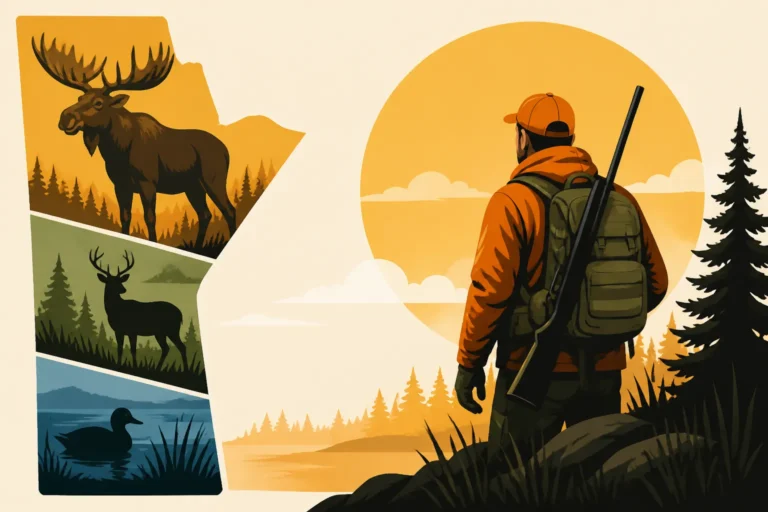
Manitoba is an incredible hunting destination, renowned for a few key species that draw hunters from all over the globe. The popularity of these hunts means that the prime times book up incredibly fast, often years in advance. Understanding which seasons are most coveted is the first step to planning your strategy.
Whitetail Rut Mania
Let's be honest, for many hunters, the ultimate draw to Manitoba is the chance to chase a world-class whitetail buck. The province is famous for producing heavy-bodied deer with impressive racks, and the absolute peak of this excitement falls squarely during the whitetail rut. This period, generally in early to mid-November, is when bucks are most active, less cautious, and far more responsive to calling and rattling.
Because of this heightened activity and the increased chances of encountering a trophy-class animal, these "rut weeks" are almost universally the first dates to disappear from an outfitter's calendar. Hunters know that this is their best shot at connecting with one of those legendary Manitoba bucks, so they plan meticulously. If you have your sights set on Hunting the Rut in Early to Mid November, you need to be thinking about your booking well into the future. Many outfitters will have repeat clients who re-book the same week year after year, sometimes for a decade or more, making new openings scarce.
Spring Bear Fever
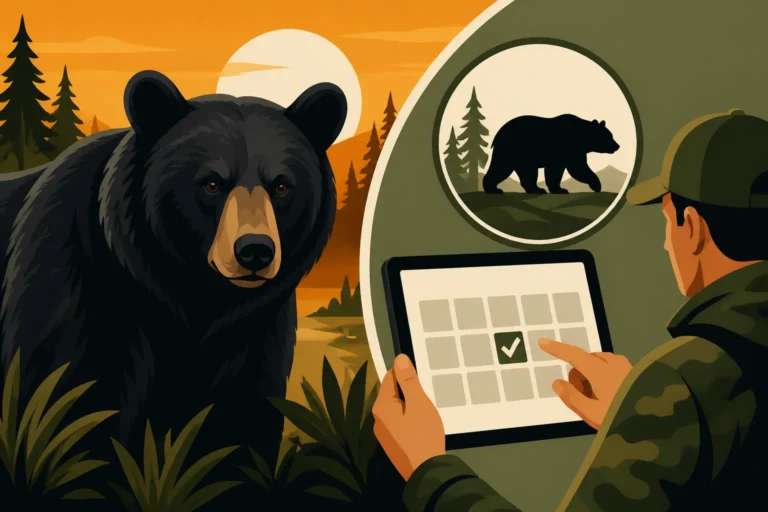
Another incredibly popular hunt in Manitoba is the spring black bear season. Hunters are drawn here for the chance to pursue mature bears coming out of hibernation, often in a lush, green landscape. What truly sets Manitoba apart for bear hunting, however, is the significant number of colour-phase bears – blonde, cinnamon, and chocolate bears that offer a truly unique trophy.
The allure of these magnificent animals, combined with the generally pleasant weather of late spring and early summer, makes spring bear hunts highly sought after. Spring Bear Hunting in Manitoba offers a thrilling experience, whether you're sitting over a bait site or spot-and-stalking. The season is relatively short compared to some other big game hunts, and outfitters often only have a limited number of bear tags, further concentrating demand into those prime weeks when bears are most active and visible.
Waterfowl Migration Madness
Manitoba sits right in the heart of the Central Flyway, making it an absolute mecca for waterfowl hunters. Millions of ducks and geese stage in the province's vast grain fields and marshes during their fall migration. The sheer volume of birds, combined with the opportunity to hunt multiple species in a single trip, creates an irresistible draw.
From the first Canada geese and specklebellies in September to the waves of snow geese later in the fall, every part of the waterfowl season has its dedicated followers. Waterfowl Hunting Manitoba's Grain Fields is an experience that hunters dream about, with spreads of hundreds or even thousands of decoys. Guide services that specialize in waterfowl often have very tight booking windows, with prime field hunting dates filling up incredibly quickly. The scouting required and the mobility of these operations mean outfitters can only handle so many groups, leading to a scramble for those top-tier weeks.
Typical Booking Timelines for Manitoba Outfitters
So, you know what hunts are popular, but when do you actually need to book? The answer, unfortunately, is often "sooner than you think." While there can be exceptions, thinking years in advance is not an exaggeration for securing a coveted spot with a top outfitter.
The "Book Ahead" Mindset
For many of Manitoba's premier hunting experiences, especially for whitetails during the rut, the booking window isn't measured in months, but in years. It's not uncommon for hunters to book their next hunt as they're leaving camp from their current one. This "next-year" mentality means that prime dates often never even hit the open market. They're simply rolled over by returning clients.
This dynamic creates a situation where new hunters entering the Manitoba market might feel like they're always a step behind. It's less about finding any opening and more about finding an opening for the best time. You'll hear seasoned hunters talk about how they've had the same rut week booked with their outfitter for five or even ten years. This loyalty and repeat business is a testament to the quality of Manitoba hunting, but it also means patience and proactive planning are absolute necessities.
Species-Specific Booking Cycles
While the general rule is "book early," different species sometimes have slightly different booking rhythms.
- Whitetail Deer: As discussed, the rut weeks (typically first two weeks of November) are often booked 2-3 years out, sometimes more. Archery season dates in September, or late-season rifle hunts after the rut, might have slightly more flexibility, perhaps requiring a 1-2 year lead time. If you're looking for a Hunting Manitoba's September Archery Opener, you might find better luck booking a year in advance than if you were targeting the rifle rut.
- Black Bear: Spring bear hunts, particularly for those desirable early-to-mid June dates when bears are active but bugs aren't overwhelming, often book 1-2 years out. Fall bear hunts can sometimes have shorter lead times, maybe 6-12 months, as they are less universally popular than the spring season.
- Waterfowl: Peak migration weeks for geese and ducks, usually late September through October, can book 1-2 years in advance, especially with highly regarded guides. Early season or late-season waterfowl hunts might be available with less notice, sometimes 6-9 months out.
- Moose & Elk: These are often draw hunts in Manitoba, making guaranteed booking a bit trickier, but guided opportunities tied to draw success can still require substantial lead time once you know you have a tag. For outfitters with guaranteed tags for non-residents (where applicable), booking could be 1-3 years out.
Deposit and Commitment
Outfitters operate on deposits for a reason – it secures your spot and allows them to plan their resources. When you commit to a hunt, you'll typically be asked for a non-refundable deposit, often a significant portion of the total hunt cost. This isn't just a formality; it's a solid commitment from both parties.
The deposit timeframe often mirrors the booking window. For a hunt booked two years out, you might pay a portion upfront, with subsequent payments due at specific intervals leading up to the hunt. Understanding these financial commitments and cancellation policies is crucial before you even start looking at dates. Outfitters are running businesses, and those deposits ensure their ability to secure leases, maintain equipment, and retain staff for your hunt.
Factors Influencing Outfitter Availability
Beyond the species and season, several other elements play a crucial role in how quickly a Manitoba outfitter's calendar fills up. Understanding these can help you fine-tune your search.
Reputation and Demand
Just like any business, some outfitters are simply more popular than others. Those with a long-standing reputation for incredible hunting experiences, high success rates, top-notch camps, and excellent guide services are always going to be in higher demand. Word-of-mouth travels fast in the hunting community, and a stellar reputation means a consistently full booking sheet.
If an outfitter is featured in prominent hunting magazines or TV shows, or consistently posts photos of happy clients with impressive trophies, you can bet their availability will be incredibly tight. Hunters want to hunt with the best, and they're willing to wait and plan far in advance to do so. This isn't just about trophy potential; it's about the entire experience, from the hospitality to the knowledge of the guides.
Hunt Style and Capacity
Outfitters also vary in their hunt style and the number of hunters they can accommodate at any given time. Some specialize in very intimate, one-on-one guided experiences, meaning they can only take a handful of clients per week. Others might run larger camps with a higher hunter-to-guide ratio.
| Hunt Style | Capacity Impact | Booking Speed |
|---|---|---|
| One-on-One Guided | Very limited spots (1-2 hunters per guide) | Extremely fast, often 2-3+ years in advance |
| Two-on-One Guided | More spots available, but still limited | Fast, typically 1-2 years in advance |
| Group/Semi-Guided | Higher capacity per week | Moderate, 6-18 months in advance |
| Drop Camps/DIY Access | Less common for fully outfitted trips, highly variable | Often require specific permits, less about outfitter booking |
The more personalized and exclusive the hunt, the fewer spots there will be, and therefore, the quicker they will book. If you're looking for a highly tailored experience, expect to book further out. Conversely, if you're open to a more communal camp or a two-on-one guiding scenario, your odds of finding an opening might improve slightly.
"Golden Weeks" and Weekends
Within any given season, there are always certain "golden weeks" or specific weekends that are universally considered the absolute best time to hunt. For whitetails, this is unequivocally the peak of the rut. For waterfowl, it might be a specific two-week window when a major migration wave is expected.
These are the dates that get snatched up first. Everyone wants to hunt when the odds are theoretically highest. If your schedule is rigid and you must hunt during one of these prime windows, you'll face the stiffest competition and need the longest lead time. Being flexible with your dates, even by a week or two, can open up significantly more possibilities. For example, the last week of rifle season might offer a very different but still successful hunt than the first week of the rut. Hunting the Late December Season might not be the rut, but it offers unique challenges and opportunities for a truly hardy hunter.
Cancellations and Last-Minute Openings
While rare, cancellations do happen. Life intervenes, plans change, and sometimes a booked spot becomes available on shorter notice. It's a long shot to rely on, but it's not impossible. Outfitters will often keep a waitlist for these situations.
If you have some flexibility and can drop everything for a last-minute hunt, it's worth inquiring about waitlists. Sometimes, an outfitter will have an opening due to unforeseen circumstances, and if you're ready to go, you might just snag that dream hunt. However, these spots usually disappear as quickly as they appear, often filled by someone already on a pre-existing list. Don't plan your entire year around hoping for a cancellation, but keep it in the back of your mind as a possibility.
Strategies for Securing Your Manitoba Hunt
Navigating the booking landscape for Manitoba outfitters requires a proactive and informed approach. You can significantly improve your chances of landing that coveted spot by employing a few key strategies.
Plan Early, Really Early
This cannot be stressed enough: if you have a specific season, species, or even a particular outfitter in mind, start planning now. Don't wait until spring to think about a fall hunt, or until fall for a spring hunt. For the most popular whitetail rut dates, you should be looking 2-3 years out, minimum. For bear and waterfowl, 1-2 years is a good baseline.
Think of it like booking a major vacation or a popular concert – the best seats and dates always go first. The hunting world is no different. Sit down, look at your calendar, talk to your hunting partners, and identify your ideal timeframe. Then, immediately start researching outfitters and reaching out. Even if you're just looking for preliminary information, getting on an outfitter's radar early can make a difference. Early planning also allows you to save up for the trip, as Manitoba Big Game Tag Costs and the outfitter fees can add up.
Be Flexible with Dates
While everyone wants to hunt the absolute peak of the rut or the height of migration, being flexible with your dates can significantly increase your options. Consider the shoulder seasons, which can still offer fantastic hunting experiences, often with fewer hunters and potentially slightly more relaxed booking schedules.
For whitetails, this might mean looking at the very beginning of archery season or the very end of the rifle season. Hunting the Late December Season can be incredibly tough, but it's a unique challenge and can still yield results. For bear, perhaps an earlier or later week in spring, or even considering a fall bear hunt, could open up possibilities. Waterfowl hunters might look at early September for local birds, or late November for hardened migrating geese. Flexibility is your friend in a competitive booking market.
Leverage Hunting Portals and Services
In today's digital age, there are fantastic resources available to help you find and connect with outfitters. Platforms like BookYourHunt and GoHunt are designed to streamline the process of finding available hunts, comparing outfitters, and sometimes even booking directly. These services aggregate information from numerous outfitters, allowing you to search by species, location, date, and other criteria.
Instead of calling dozens of individual outfitters, you can use these portals to see what's currently listed. While the most popular "golden weeks" might still be hard to find, you could discover hidden gems or less-advertised openings. Keep an eye on these sites regularly, as cancellations or new offerings might pop up. It's a proactive way to keep tabs on the market without constantly making phone calls. Booking a Manitoba Whitetail Hunt or Booking a Manitoba Black Bear Hunt becomes much more manageable when you can compare options side-by-side.
Direct Communication and Waitlists
Once you've identified a few potential outfitters, don't hesitate to reach out directly. Even if their website shows no availability for your desired dates, a direct email or phone call can sometimes yield surprising results. Introduce yourself, explain what you're looking for, and politely ask about their booking schedule for the coming years.
Crucially, ask to be put on a waitlist. Many outfitters maintain these lists for cancellations or new openings. While it doesn't guarantee a spot, it puts you in line if something comes up. Make sure you understand how their waitlist works – do they go down the list in order, or do they send out a general email to everyone? Being on a waitlist often requires you to be ready to commit quickly if a spot becomes available, so have your finances and schedule prepared.
Manitoba Outfitters: Booking Lead Times by Species
To help summarize, here's a general guide to typical booking lead times for popular Manitoba hunts. Remember, these are averages, and top-tier outfitters or prime dates might require even longer lead times.
| Species & Season | Typical Booking Lead Time (Estimate) | Notes |
|---|---|---|
| Whitetail Deer (Rut) | 2-3+ Years | Highly competitive; many repeat clients |
| Whitetail Deer (Archery) | 1-2 Years | Often slightly more flexible than rifle rut |
| Whitetail Deer (Late Season) | 1-2 Years | Can be less competitive, but weather dependent |
| Black Bear (Spring) | 1-2 Years | Especially for prime weeks and colour-phase opportunities |
| Black Bear (Fall) | 6-12 Months | Generally less demand than spring hunts |
| Waterfowl (Peak Migration) | 1-2 Years | Prime field hunting dates fill quickly |
| Waterfowl (Shoulder Season) | 6-12 Months | Early or late season hunts may offer more flexibility |
| Moose (Draw-Dependent) | 1-3 Years (post-draw success) | Often contingent on drawing a tag in Manitoba's Big Game Draws |
| Elk (Draw-Dependent) | 1-3 Years (post-draw success) | Also heavily reliant on draw success and specific GHA availability |
| Caribou (Northern Fly-in) | 1-2+ Years | Logistically complex, limited spots, specific seasons like Barren-Ground Caribou Hunting in Northern Manitoba |
When you're eyeing that incredible hunting trip to Manitoba, remember that patience and early planning are your biggest allies. By understanding the demand for different species and seasons, leveraging online resources like BookYourHunt or GoHunt, and being proactive with outfitters, you significantly increase your chances of securing the hunt of a lifetime. Happy hunting, and may your planning lead to full freezers and even fuller trophy rooms!
Disclaimer
This article is for general informational purposes only and does not constitute professional advice. Laws, prices and regulations vary by location and change over time. Consult a qualified professional for guidance on your specific situation.