What Is Never Included in a Package
Oh, the allure of a Manitoba hunting package! You see those stunning photos, read about the incredible success rates, and imagine yourself out there, chasing that dream buck or bear. It’s easy to get swept up in the excitement, but a common pitfall for many hunters is misunderstanding what's not actually included in that appealing "package price." This guide is here to shed light on those often-overlooked expenses, helping you plan your next Manitoba adventure without any nasty financial surprises.
The Essentials You Always Pay For Separately
When you book a guided hunt, you're primarily paying for the outfitter's expertise, access to prime hunting ground, accommodations, meals, and the hard work of scouting and guiding. But there are fundamental costs that, almost without exception, remain the hunter's responsibility. Failing to budget for these can turn an exciting trip into a budget headache.
Hunting Licences and Tags
This is probably the most common item hunters overlook when calculating their total trip cost. While your outfitter might assist with the process of acquiring your licences and tags, the actual fees for them are almost universally not included in the package price. Think about it: these are official government documents tied directly to you, the hunter, and vary based on your residency status (Manitoba resident, Canadian non-resident, or foreign non-resident) and the species you're pursuing.
For instance, a tag for a whitetail deer is a different cost than one for a black bear, and if you're hoping to add a second deer licence, that's another separate expense. These fees contribute to conservation efforts in Manitoba, and while necessary, they can add a significant amount to your overall budget. Always check the current Manitoba Hunting Licences and What They Cost well in advance of your trip. Don't forget that Manitoba Big Game Tag Costs also vary by species, so if you're planning a multi-species hunt, those costs can really add up.
Travel to and From Camp
Unless specifically advertised as an "all-inclusive" package that starts from your home airport, the cost of getting yourself and your gear to the outfitter's lodge or hunting camp falls squarely on you. This includes everything from the moment you leave your driveway to the moment you arrive. For many, this means booking airline tickets, dealing with baggage fees for firearms, and then potentially renting a vehicle to drive from the airport to the camp.
If your hunt is in a more remote region of Manitoba, particularly in the northern boreal forest or tundra transition country, your "travel to and from camp" might even involve chartering a float plane or utilizing other specialized transportation that comes with a hefty price tag. It's crucial to factor in all legs of your journey – whether it's fuel for your truck, bus tickets, or the cost of a domestic flight into Winnipeg Flying Into Winnipeg for a Hunt followed by a drive. These logistics are entirely your domain unless explicitly stated otherwise by the outfitter.
Gratuities for Guides and Camp Staff
While not a mandatory fee in the same way a license is, tipping is an expected and deeply appreciated part of the hunting industry, especially in North America. Guides, cooks, and other camp staff often work incredibly long hours, pouring their energy into making your hunt successful and comfortable. Their base wages might not always reflect the demanding nature of their work, and tips are a significant portion of their income.
Most outfitters don't include gratuities in their package price because the amount is, by tradition, left to your discretion based on the service you received. It's a way for you to express your appreciation for their effort, hospitality, and hard work. It's common practice to budget 10-20% of your hunt cost for tips, distributed among your guide and other camp personnel. Always inquire about the camp's tipping customs if you're unsure, and be sure to read our guide on How Tipping Works on a Guided Hunt to prepare.
Personal Gear, Supplies, and Field Necessities
A guided hunt package covers the core experience, but it doesn't transform you into a fully equipped hunter. You're still responsible for all the personal items that make your hunt possible and comfortable. This often includes your personal hunting equipment, the post-harvest care of your animal, and any unforeseen circumstances.
Your Hunting Equipment
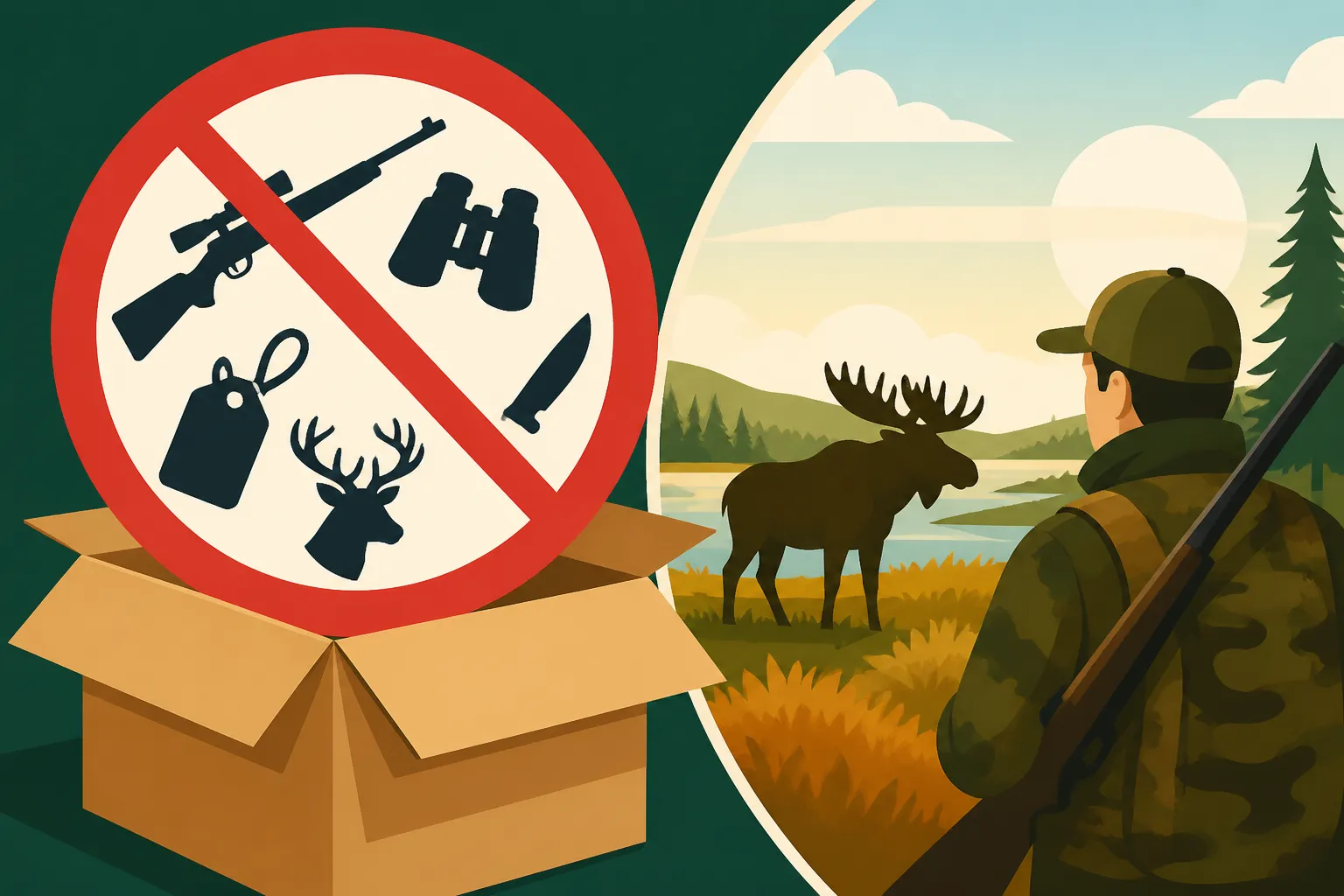
Imagine showing up to camp expecting a rifle to be handed to you! While some outfitters do offer rifle rentals, it's never assumed to be part of the standard package. You are responsible for bringing your own firearm or bow, along with all necessary ammunition, broadheads, and accessories. This isn't just about the weapon itself; it extends to your entire personal kit.
This means your hunting clothing, tailored to Manitoba's often unpredictable weather Dressing for Manitoba's November Cold, your boots (especially important for sitting still in cold temperatures!), binoculars, rangefinder, backpack, knife, and any other personal items you rely on in the field. Even small things like headlamps, calls, scent control products, or hand warmers are on you. Be sure your chosen weapon meets the Legal Firearms and Bows for Big Game requirements for Manitoba. If you are booking through platforms like BookYourHunt or GoHunt, they usually have sections where outfitters list what is included versus what you need to bring. These details are important for a successful trip!
Meat Processing, Taxidermy, and Shipping
The moment of truth arrives, and you've harvested a beautiful animal! Congratulations! However, the next steps—turning that animal into table fare or a trophy for your wall—are almost always separate costs. While your guide will typically assist with field dressing and getting the animal out of the bush, what happens after it reaches camp is usually up to you and your wallet.
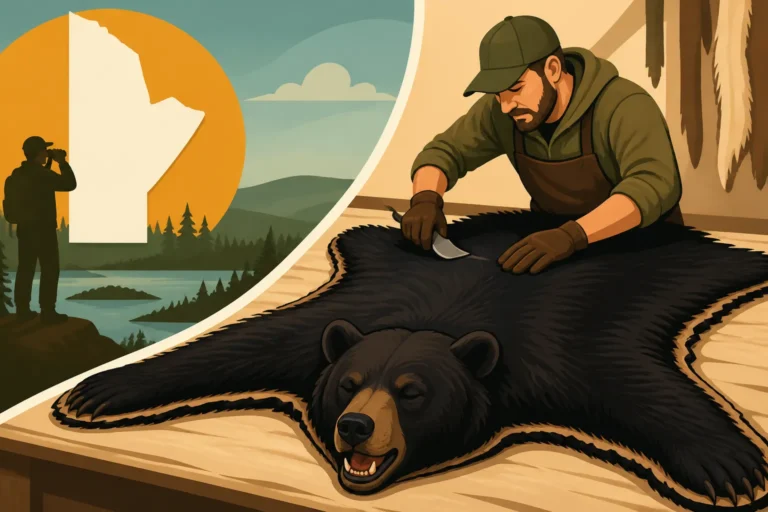
This includes the fees for professional meat processing, which can involve cutting, wrapping, and freezing your game. If you plan on a shoulder mount or a rug, the costs for a taxidermist to cape the animal and prepare it for shipment, and then the actual shipping fees to get it back home, are all additional. Depending on the size of your animal and your plans for it, these can be substantial expenses. Many hunters choose to get their meat processed locally Getting Meat Processed in Manitoba and then deal with the logistics of Shipping Meat Home From Manitoba themselves, which adds another layer to the budget.
Unexpected Costs and Contingencies
Life happens, and sometimes, even the best-laid plans go awry. Most hunting packages are designed to cover the specific days of your hunt and associated lodging. If you need to arrive a day early or stay a day late due to travel delays, weather, or simply wanting to relax, any additional nights of lodging or meals outside the package's specified duration will be an extra charge.
Furthermore, medical emergencies or unforeseen circumstances while in remote areas can incur significant costs not covered by your outfitter. This is where Travel Insurance for a Hunting Trip becomes not just a recommendation but almost a necessity. It can cover things like trip cancellation, medical evacuation, and lost luggage. Always read the fine print of any insurance policy and your outfitter agreement to understand what eventualities are not covered.
Understanding the Fine Print and Planning Ahead
No one likes a surprise bill, especially after a hunt that’s meant to be an enjoyable experience. Taking the time to understand the nuances of your hunting package and planning accordingly is key to a stress-free trip.
Taxes and Fees
Beyond your license and tag fees, sometimes there are other governmental taxes or administrative fees that might not be explicitly rolled into the quoted package price. This could include sales taxes on the services provided or specific conservation surcharges that the outfitter is required to collect. While reputable outfitters will usually be transparent about these, it's always wise to ask for a complete breakdown of all potential charges.
Understanding What Taxes Get Added to a Package can prevent that moment of sticker shock when you get the final invoice. These might seem like small percentages, but on a substantial hunt package, they can add up, pushing your total cost higher than anticipated. Always clarify if the advertised price is the final price, or if additional taxes or fees will be applied.
Permit Applications and Specific Regulations
Some hunts, especially for coveted species like moose or elk in certain areas, might require you to apply for a draw or a special permit in addition to your general hunting licence. While the outfitter will likely guide you through the application process, the application fees themselves are typically separate. Manitoba's Big Game Draws often have their own specific deadlines and costs.
It's also essential to be aware of any unique regulations that might pertain to your hunt. For instance, Manitoba's CWD Sampling Requirements in certain GHAs might require you to submit a sample, and while the sampling itself is usually free, any specific tools or procedures might have indirect costs if not provided by your outfitter. Always stay informed about Which Manitoba Rules Changed This Season to ensure compliance and avoid unexpected expenses or fines.
Planning Tools and Resources
In this digital age, hunters have more resources than ever to research and plan their trips effectively. Websites like BookYourHunt and GoHunt are fantastic platforms that often provide detailed breakdowns of what is included and excluded in various outfitter packages. Many outfitters use these sites to list their services, and a good listing will be very clear about costs. However, even with these resources, the onus is on you to thoroughly investigate.
Don't hesitate to reach out directly to outfitters and ask detailed Questions to Ask Before Booking. A reputable outfitter will be more than happy to provide a comprehensive list of what is and isn't covered. Ask for a written contract or an itemized quote. This proactive approach ensures that you're fully aware of all potential expenses before you commit, allowing you to budget accurately and enjoy your Manitoba hunting adventure without any unpleasant financial surprises.
Common Inclusions vs. Common Exclusions in a Guided Hunt Package
| Feature | Typically Included | Typically Excluded (Hunter's Responsibility) |
|---|---|---|
| Guiding Services | Professional guide(s) for the duration of the hunt | Tips/Gratuities for guides & camp staff |
| Accommodation | Lodge, cabin, or tent camp lodging | Extra nights lodging before/after package dates |
| Meals | Breakfast, lunch, dinner, snacks, non-alcoholic beverages | Alcoholic beverages, personal special snacks |
| Field Prep | Field dressing, quartering, initial game retrieval | Meat processing, taxidermy, shipping game/trophy home |
| Transportation (within hunt) | Transportation from camp to hunting areas | Travel to/from the outfitter's main camp (airfare, fuel) |
| Hunting Gear | Blinds, stands, basic camp equipment | Personal rifle/bow, ammunition, clothing, optics, boots |
| Permits & Fees | (Rarely) sometimes land access fees for private property | Hunting licences, tags, draw application fees, taxes |
| Emergency Prep | Basic first aid kit, emergency plan in camp | Personal travel/medical insurance |
Disclaimer
This article is for general informational purposes only and does not constitute professional advice. Laws, prices and regulations vary by location and change over time. Consult a qualified professional for guidance on your specific situation.