Manitoba Meat Processing and Cold Storage
One of the biggest anxieties after a successful hunt in Manitoba isn't the shot itself, but the overwhelming question of "What now?" You've put in the time, made a clean harvest, and now you're standing over your game, often far from home, wondering how on earth you're going to get that precious meat from the field to your freezer in prime condition. This guide is all about demystifying the process, offering practical advice on field dressing, understanding your processing options, ensuring proper cold storage, and navigating the sometimes-tricky rules for transporting your hard-earned venison, bear, or moose.
The Initial Field Dressing and Care Challenge
The first few minutes and hours after you've dropped an animal are absolutely critical for the quality of the meat. Many hunters, especially those new to Manitoba's vast expanses, underestimate just how quickly things can go wrong if proper field care isn't taken. The goal is always to get the animal cooled down as fast as possible, removing heat and moisture that can spoil meat or encourage bacterial growth. This isn't just about preserving flavour; it's about respecting the animal and ensuring you utilize every ounce of that harvest.
Keeping it Clean in the Field
Field dressing isn't glamorous, but it's a necessary skill that every hunter needs to master. The moment an animal is down, especially in warmer weather, its internal temperature starts to rise, and bacteria begin to multiply rapidly. Your first priority is to remove the entrails. This immediately allows the body cavity to begin cooling and prevents digestive enzymes from tainting the meat. Be meticulous here; a clean cut and careful removal of organs prevent accidental punctures that could contaminate the meat. Think about bringing surgical gloves and a sharp, dedicated gutting knife. After the organs are out, a quick wipe-down of the cavity with clean cloths or paper towels can remove any lingering fluids. Some hunters even carry a spray bottle with water or a mild vinegar solution, though this must be used sparingly and dried thoroughly, as introducing moisture without proper drying can sometimes exacerbate bacterial growth rather than prevent it. For small game like deer, you might be able to drag it a short distance to a clean spot, but for a large bull moose, you'll be working where it lies. Field Dressing in Manitoba's Deep Cold presents specific considerations for colder temperatures, but the principle of cleanliness remains paramount regardless of the mercury.
Rapid Cooling: The First Critical Step
Once field dressed, the next hurdle is rapid cooling. This is where Manitoba's climate can be both a blessing and a curse. In the early fall, temperatures can still be quite warm, demanding immediate action. If you're hunting in temperatures above freezing, propping the cavity open with sticks or a specialized gambrel, and allowing air to circulate, is essential. Get the animal into shade as quickly as possible. For smaller animals like deer, you might quarter it and place the meat in game bags, hanging them from a tree to allow air to flow around all surfaces. Game bags are an absolute must, protecting the meat from insects, dirt, and debris while still allowing it to breathe. They come in various sizes and materials, from simple cotton to more durable, breathable synthetic blends. If you're out late in the season, during those crisp November days, the cold air itself becomes your ally, essentially acting as a natural refrigerator. However, even then, don't just throw the carcass in the back of a truck, as trapped body heat can still cause spoilage. Air circulation is key. For larger animals like moose or elk, quartering and hanging the meat is often the only practical way to achieve rapid cooling, particularly if you're deep in the bush. This process not only cools the meat but also makes it manageable for transport. Meat Care in Manitoba's Cold Snaps offers more detailed advice on managing extreme temperatures.
Options for Meat Processing in Manitoba
Once you've done the crucial work in the field, you need to decide how to get your game from a field-dressed carcass or quarters into edible portions. Manitoba offers a few distinct pathways, each with its own benefits and drawbacks, depending on your skill, equipment, time, and budget. Knowing your options beforehand is part of responsible hunting preparation.
DIY: Processing Your Own Harvest
For many experienced hunters, processing their own game is a point of pride and a way to maintain complete control over their meat. It's also often the most economical choice. If you have the space—a clean garage, a dedicated processing room—and the right tools (sharp knives, a meat saw, grinder, vacuum sealer), doing it yourself can be incredibly rewarding. You get to decide exactly how thick your steaks are, what cuts you prefer for roasts, and what goes into your burger or sausage blend. It’s also an invaluable skill that deepens your connection to the harvest.
However, it's a significant time commitment, especially for larger animals. A deer can take several hours, and a moose could easily be an all-day or multi-day affair. You also need adequate cold storage throughout the process. If you're dealing with a large animal and don't have a walk-in cooler, you might need to process it quickly to get it into a home freezer. This option also demands a good understanding of anatomy to maximize your yield and minimize waste. There are countless online tutorials and books that can guide you through the process, but there's no substitute for hands-on experience or learning from a seasoned veteran.
Utilizing Local Butcher Shops
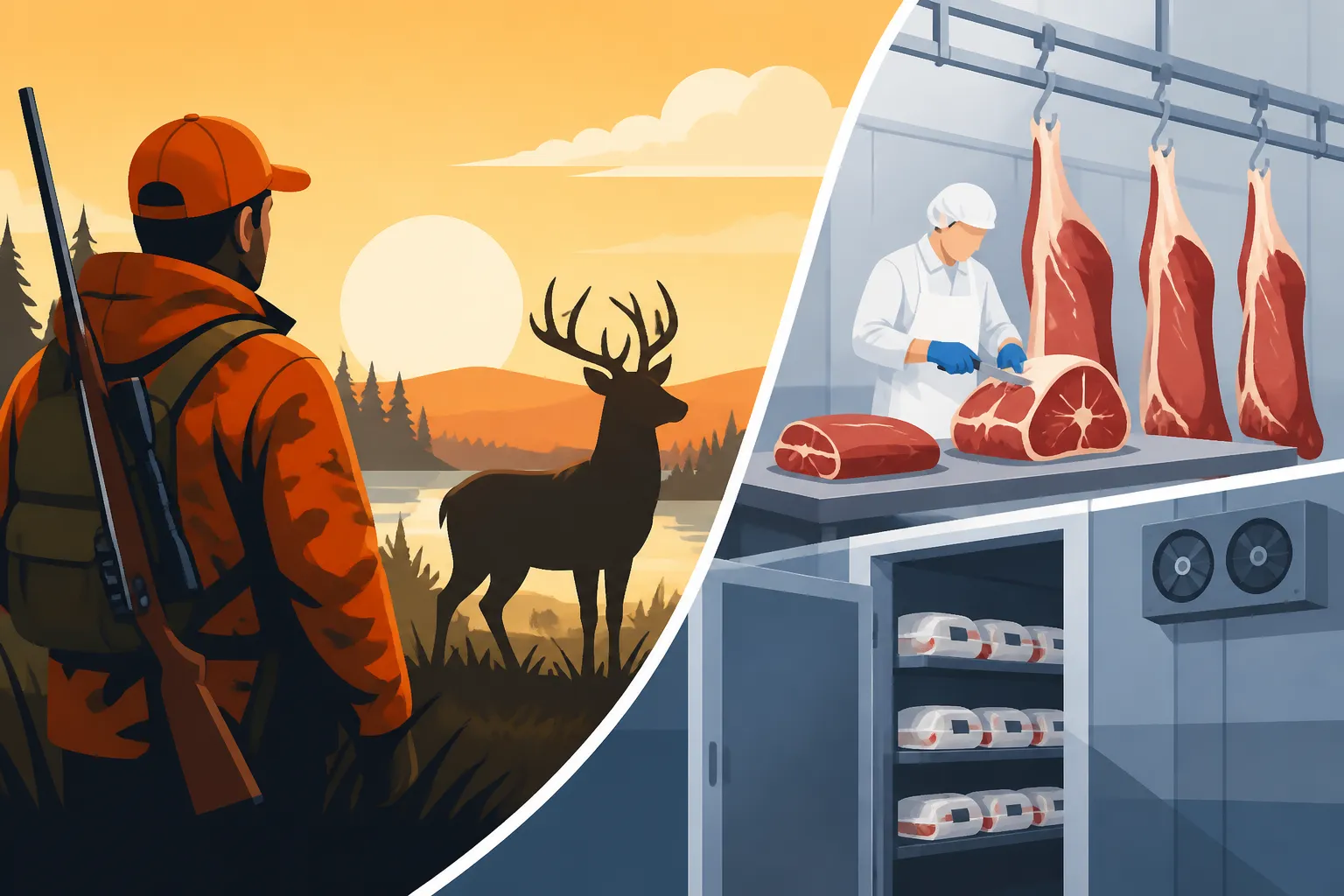
For many hunters, especially those without the space, time, or expertise for DIY processing, a local butcher shop is the go-to solution. Manitoba has a number of excellent butcher shops, particularly in rural communities, that are well-versed in handling wild game. These professionals can transform your field-dressed animal into neatly packaged cuts, ground meat, and often offer specialty products like sausages, jerky, and smokies. They have the proper equipment, including large coolers for aging the meat (which can significantly improve tenderness and flavour for species like deer and elk), and the expertise to ensure every cut is handled correctly.
The main drawback, of course, is the cost. Commercial processing comes with a fee, which can vary depending on the size of the animal, the cuts you request, and any specialty products. You also need to coordinate drop-off and pick-up, which can be tricky if you're hunting far from home or during busy periods like the peak of the deer rut. It's always a good idea to call ahead, discuss their services, and understand their pricing and lead times before your hunt. Some shops have specific requirements for how the animal must be presented (e.g., field dressed and skinned, or just field dressed). Many outfitters will have a preferred local processor they work with regularly, which can streamline the process significantly. If you're looking for a Finding a Butcher Near Your Camp, asking locals or your outfitter is often the best first step.
Outfitter-Provided Services
If you're booking a guided hunt in Manitoba, particularly for big game like moose or bear, your outfitter might offer processing and cold storage as part of their package or as an add-on service. This can be a huge convenience, especially for non-resident hunters who have logistics like border crossings and long drives to contend with. An outfitter's camp often has dedicated facilities, including walk-in coolers, and staff or contractors who can handle the initial breakdown of your animal. They understand the specific requirements for different game species and are usually adept at getting the meat cooled and prepared for further processing or transport.
This service usually comes with a cost, which will be built into the hunt package or charged separately. However, the peace of mind and convenience can be well worth it. It eliminates the immediate pressure of finding a local processor or scrambling to handle a large carcass yourself after a long day of hunting. For hunters coming from out of province or across the border, this can simplify the entire post-harvest logistics considerably. When planning your trip, it's vital to discuss these options with your outfitter early on. Platforms like BookYourHunt and GoHunt are excellent resources for finding outfitters, and when you're browsing, make sure to look at the services they list, or explicitly ask about meat handling capabilities. They often have established relationships with local butchers who can do the final cutting and wrapping, making it a seamless experience for you.
Understanding Cold Storage Requirements
Whether you're processing your own meat or relying on a professional, maintaining proper cold storage is non-negotiable for food safety and quality. Meat is perishable, and temperature control is the single most important factor in preventing spoilage.
Short-Term Storage: From Field to Processor
The clock starts ticking the moment an animal is down. As discussed, field dressing and initial cooling are vital. Once that's done, your immediate goal is to get the meat to a place where it can be properly processed and further cooled. For many hunters, this means transporting the field-dressed carcass or quarters back to a processing facility or their home. This short-term transport often involves a truck bed or trailer.
| Temperature Range | Risk Factor | Action Required |
|---|---|---|
| Above 10°C (50°F) | High | Immediate cooling. Pack cavity with ice, use game bags, get to cooler ASAP. Process within hours. |
| 0-10°C (32-50°F) | Medium | Critical cooling needed. Hang in shade, use game bags, avoid direct sun. Process within 24-48 hours. |
| Below 0°C (32°F) | Low | Ideal for natural cooling. Ensure air circulation. Meat can hang for several days if temperature remains stable. |
The key during this phase is to prevent the meat from reaching what's called the "danger zone" (between 4°C and 60°C or 40°F and 140°F), where bacteria multiply rapidly. If temperatures are warm, even after field dressing, you might need to strategically place bags of ice in the body cavity (inside a game bag to prevent saturation) or around quartered meat to keep it cool during transport. Never let meat sit exposed to direct sunlight or in a closed, unventilated space for extended periods. Even in colder weather, while the air helps, placing a carcass on a warm truck bed for hours without air circulation can create a warm pocket, leading to localized spoilage. Ensure proper airflow and protection from road grime.
Long-Term Storage: Freezing and Beyond
Once the meat is processed, whether by you or a butcher, it needs to be packaged and stored for the long haul. Freezing is the most common and effective method for long-term storage of wild game. Proper packaging is paramount to prevent freezer burn, which, while not making the meat unsafe, can significantly degrade its flavour and texture. Vacuum sealing is by far the best method, removing all air from around the meat and creating an airtight barrier. Heavy-duty freezer bags or butcher paper, wrapped tightly, can also work, but they are less effective than a vacuum seal.
Label every package with the type of meat, the cut, and the date it was processed. This simple step will save you endless frustration down the line. A properly frozen and packaged piece of game meat can last for a year or even longer without significant loss of quality. Beyond freezing, some hunters opt for canning, smoking, or curing certain cuts, which can extend shelf life and create delicious specialty items. These methods, however, require additional equipment and expertise. Having ample freezer space ready before your hunt is a crucial part of preparation, especially if you're targeting multiple animals or larger species.
Transporting Your Harvest within Manitoba and Beyond
Getting your processed meat home, or even just from the field to the processor, involves adhering to specific regulations, especially if you're crossing borders. No one wants to go through the effort of a successful hunt only to encounter legal issues with transport. Transporting Game Meat in Manitoba involves rules designed to prevent disease spread and ensure ethical harvesting.
Rules for Transporting Game Within the Province
Within Manitoba, the basic rules for transporting game meat are fairly straightforward, but they are crucial. Your animal or its parts must be accompanied by your valid hunting licence and the corresponding game tag, properly affixed and validated according to the regulations. You generally need to keep "evidence of sex" attached to the carcass or a major portion of the meat (often a visible part of the hide with the sex organs) until it reaches your home or a processor. This allows conservation officers to verify the sex of the animal harvested, especially for species where season dates or bag limits might differ between sexes.
The regulations are designed to prevent the unlawful killing or misidentification of animals. You cannot simply transport boned-out meat without proof of harvest. Always consult the current Manitoba Hunting Guide for precise details, as rules can change. When transporting quarters or a whole carcass, ensure it is covered and kept clean. While it's tempting to display your trophy, keeping it out of public view (especially if it's not fully processed) is often a good practice to prevent unnecessary attention or complaints, though not legally required in all circumstances. If you're utilizing a second deer licence, understanding Manitoba's Second Deer Licence Rules is also critical for proper tagging and transport.
Border Crossing Considerations for Non-Residents
This is where things can get complex, particularly for our friends hunting from the United States. Taking game meat, hides, and trophies across international borders requires meticulous planning and adherence to both Canadian and your home country's regulations.
For Meat:
- Proof of Legal Harvest: You must have your valid Manitoba hunting licence, game tags, and any permits. Keep these readily accessible.
- Processing and Packaging: All meat should be professionally processed, wrapped, and labelled. Boned-out cuts are generally preferred, as whole carcasses (especially those with bone) can pose a higher risk for disease transmission.
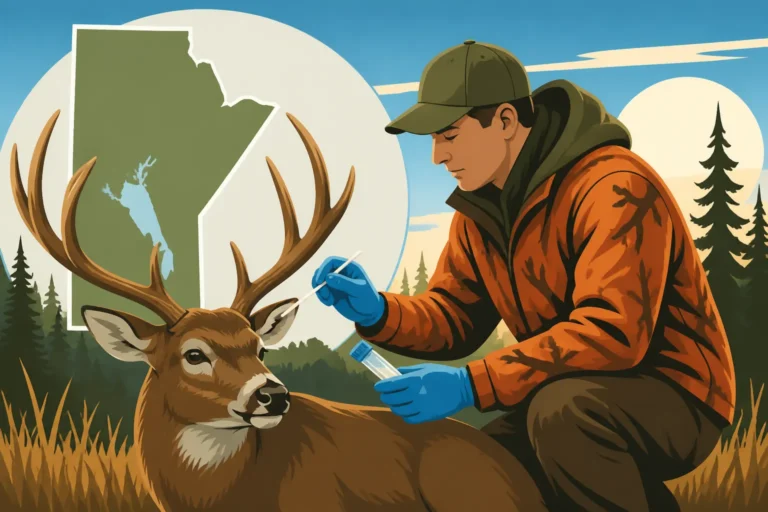
- CWD Concerns: Chronic Wasting Disease (CWD) is a major concern. If you've hunted in a CWD-designated zone in Manitoba, there might be specific restrictions on what parts of the animal you can take across the border. Typically, bone-in cuts of the spinal column and brain material are prohibited. You'll likely only be allowed to transport boned-out meat, capes (without skull plate), and antlers (cleaned of any brain tissue). Always check the latest regulations from both Canadian Border Services Agency (CBSA) and your home state's fish and wildlife agencies, as these rules are regularly updated. CWD Sampling on an Outfitted Manitoba Hunt may provide further details related to getting your sample submitted.
- Customs Declaration: You must declare all game meat and animal products at the border. Failure to do so can result in significant fines and confiscation of your harvest.
For Trophies (Antlers, Hides, Skulls):
- Export Permits: For certain species, or for full skull mounts, you may need CITES (Convention on International Trade in Endangered Species) permits, especially for bear parts, if you are a foreign resident. This is less common for deer, but always verify.
- Cleaning: Skulls and antlers should be thoroughly cleaned of any tissue. Hides should be properly salted or tanned.
- Veterinary Inspection: In some cases, or for certain species, a veterinary inspection certificate might be required. Again, check current regulations well in advance. Taking a Trophy Across the Border will elaborate on these specifics.
It's a serious headache to have your hard-earned meat or trophy seized at the border. The best advice is to over-prepare and contact border agencies on both sides well before your trip to get the most up-to-date information on import/export requirements. Many outfitters are experienced with these regulations and can help guide you through the process, but ultimately, the responsibility rests with the hunter.
Dealing with Large Game Challenges
Manitoba offers incredible opportunities for moose and elk hunting, but these magnificent animals come with their own set of challenges when it comes to field handling and processing due to their sheer size and weight. Unlike a deer, which can often be loaded whole or in halves by two strong individuals, a moose or elk almost always requires quartering in the field.
Quartering a Moose Alone in the Bush
Let's be real, a mature bull moose can weigh upwards of 1,200 pounds, and they often expire in the thickest, nastiest bush imaginable. Trying to move a whole moose is a fool's errand. Quartering it in the field is not just advisable, it's virtually mandatory. This isn't a task for the faint of heart or the unprepared. You'll need sturdy game bags, several very sharp knives, a bone saw or even a small hatchet, and ideally, some rope and a come-along or block and tackle system to help with lifting and positioning.
The basic process involves skinning the animal while it lies on its side, then separating the four major quarters (front shoulders and hindquarters) by cutting through the muscle and joints. The backstraps (loins) and tenderloins are also valuable cuts that can be removed. The rib cage can often be boned out, or the ribs can be taken in sections. The neck meat and other scraps are excellent for grinding. This is where meticulous cleanliness, as discussed earlier, becomes even more critical due to the amount of meat involved. You'll be working in the elements, and keeping dirt, leaves, and hair off the meat requires constant vigilance. For a detailed breakdown, Quartering a Moose Alone in the Bush is an essential read for anyone contemplating such a hunt. This physically demanding process can take hours, and doing it efficiently under pressure is a skill that improves with practice.
Specialized Equipment for Big Game Handling
Hauling out hundreds of pounds of meat from remote locations requires more than just strong shoulders. Specialized equipment can make the difference between an efficient extraction and an exhausting, potentially dangerous ordeal.
- Game Carts/Trailers: For areas with relatively clear trails or paths, a heavy-duty game cart can save your back for deer and even quartered elk. For moose, you'll likely need something more robust, perhaps a small trailer specifically designed for ATVs or UTVs.
- ATVs/UTVs: These are invaluable in Manitoba's diverse terrain. They can carry substantial loads and navigate rough bush trails, making the extraction of quartered moose or elk much more manageable. However, remember to check Quad and Side-by-Side Rules on Crown Land to ensure you're operating within legal guidelines.
- Winches/Come-alongs: When a large animal goes down in a deep ravine or an awkward spot, a portable winch or come-along can provide the mechanical advantage needed to drag the carcass or quarters to more accessible ground.
- Meat Hauler Packs: For truly remote, walk-in hunts, a sturdy internal or external frame pack designed for hauling meat is indispensable. These packs distribute the weight effectively, allowing you to carry heavy loads over long distances.
- Portable Scales: While not strictly necessary for meat care, having a portable scale can be useful for estimating the amount of meat you've harvested, especially if you plan to take it to a commercial processor who charges by weight.
Investing in some of this specialized gear, particularly if you regularly target large game or hunt in challenging terrain, can significantly reduce the physical toll of a successful hunt and ensure your valuable meat makes it out of the bush safely and efficiently. Remember, getting the animal down is only half the battle; getting it out and properly cared for is the true test of a dedicated hunter.
Disclaimer
This article is for general informational purposes only and does not constitute professional advice. Laws, prices and regulations vary by location and change over time. Consult a qualified professional for guidance on your specific situation.