Hunting a Willow Ring Around a Pothole
Manitoba's vast prairie and parkland landscape, dotted with countless potholes and sloughs, presents a unique challenge and opportunity for hunters. Many of us have driven past these seemingly innocuous depressions, perhaps dismissing them as mere wetlands. But for deer, especially the wily whitetail, a dense willow ring surrounding a pothole is often a hidden sanctuary, a perfect blend of food, water, and cover that can hold impressive bucks. This guide aims to pull back the curtain on hunting these specific, often overlooked havens, helping you understand their appeal to game and develop effective strategies to fill your freezer.
Understanding Willow Rings and Potholes in Manitoba
If you've spent any time driving through rural Manitoba, particularly in the spring or after a good rain, you've seen them: the countless potholes that dot the landscape. These aren't just puddles; they're vital ecosystems, and when ringed with dense willows, they become prime habitat for a variety of game animals, especially whitetails. Understanding why they're so attractive is the first step to successfully hunting them.
Why Potholes are Deer Magnets (and more)
Potholes, often called sloughs or wetlands, are depressions in the land that collect water. In Manitoba, our glacial history left us with an abundance of these formations. While they might seem like obstacles to us, for deer, they are life-giving oases. First and foremost, they provide reliable water sources, which is crucial throughout the year, especially in dry falls. But it's more than just a drink; the fertile soil around these potholes often supports a lush growth of vegetation. Think about all the native grasses, sedges, and forbs that grow in and around these wetlands – these are key browse species for whitetails.
Beyond food and water, potholes offer exceptional thermal cover. The dense, often tall grasses and reeds found within the watery depression itself, combined with the surrounding willow ring, create a microclimate. It's warmer in winter, providing shelter from biting winds and deep snow, and cooler in summer, offering respite from the heat and bugs. This makes them ideal bedding areas, especially during hunting season when deer are seeking refuge from pressure. Potholes also create natural funnels and travel corridors. Deer will often travel along their edges, using the cover for security, or cross through shallower parts to get from one food source to another. Hunting a Frozen Slough Crossing is a testament to how crucial these features can be.
The Unique Appeal of Willow Rings for Game
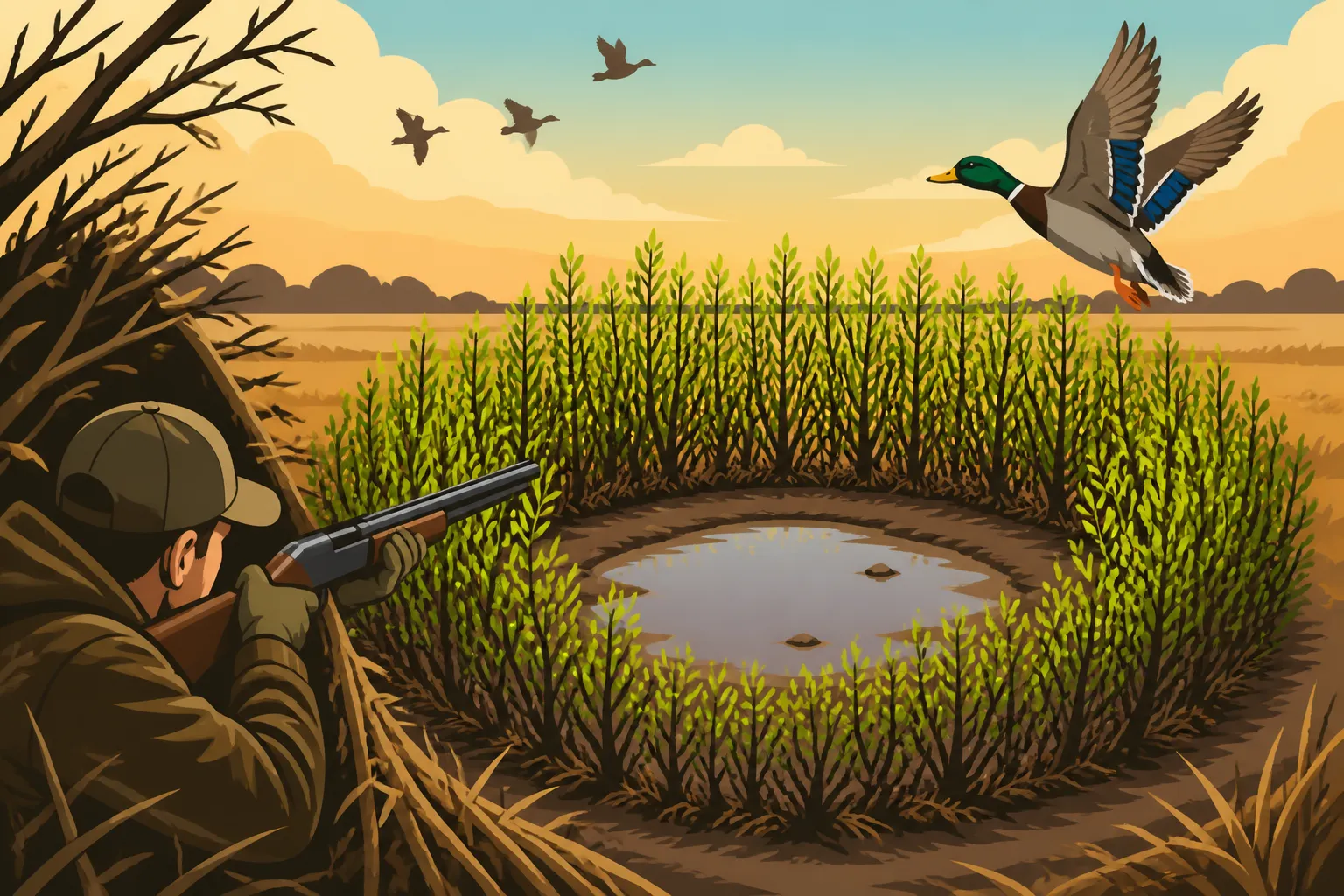
The "willow ring" is where the magic truly happens. These aren't just scattered bushes; they're often incredibly dense thickets of various willow species that thrive in the moist soil around the pothole's edge. This thick, almost impenetrable cover offers unparalleled security for game. A mature buck might feel completely invisible tucked into a willow ring, even if hunters are driving past on a nearby road.
For whitetails, these willow rings provide:
- Impenetrable Bedding Cover: It's tough for a predator (or a hunter) to move quietly through dense willows, giving deer a significant advantage to detect threats and slip away. They'll often bed just inside the thickest part of the ring, facing outwards to catch scent and sight.
- Thermal Regulation: As mentioned, the density offers protection from extreme weather. In a blizzard, a deer might be perfectly content in a willow ring while exposed deer struggle.
- Browse and Forage: While the interior of the pothole might offer specific forage, the willows themselves, and the transition zone between the willows and the adjacent uplands, provide a variety of palatable woody browse and herbaceous plants.
- Safe Travel Routes: Deer will often use the thick cover of a willow ring to move between feeding areas, agricultural fields, or other bedding locations. They can travel unseen and unheard, maximizing their sense of security.
- Concentrated Activity: In open prairie or farmland, where cover can be scarce, a willow ring around a pothole acts as an island of refuge. This concentrates deer activity into a smaller, more predictable area, making it a hotspot for hunting. Other species like coyotes, pheasants, and even ruffed grouse in suitable areas will also utilize these rings. Hunting a Willow Run for Whitetails is a related concept that speaks to how deer use these linear strips of cover.
Reading the Landscape: Identifying Promising Pothole Habitat
Identifying a good willow ring isn't just about spotting green in a field. It's about looking for specific characteristics that scream "deer here!" Start by looking for the size and density of the ring. Larger, thicker rings generally hold more deer and offer more secure cover. Pay attention to how the willow ring connects to other cover, like a larger bush line, a shelterbelt, or a creek bottom. Isolated rings can be great, but those that serve as a waypoint or extension of a larger travel corridor are often even better.
Consider the surrounding area. Is the pothole adjacent to active agricultural fields like corn, beans, or cereal grains? These provide rich food sources that will draw deer into the protective cover of the willow ring. Is there a natural draw or low spot that funnels deer towards it? Hunting a Bluff Between Two Fields is similar in its focus on how deer use topographical features.
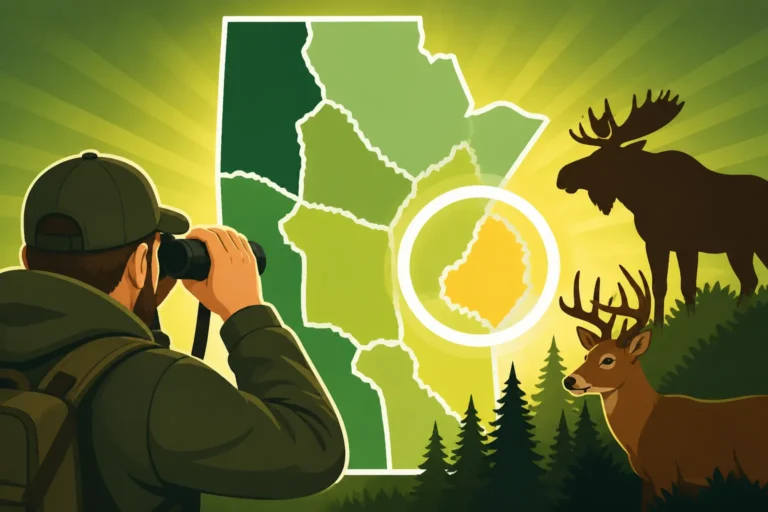
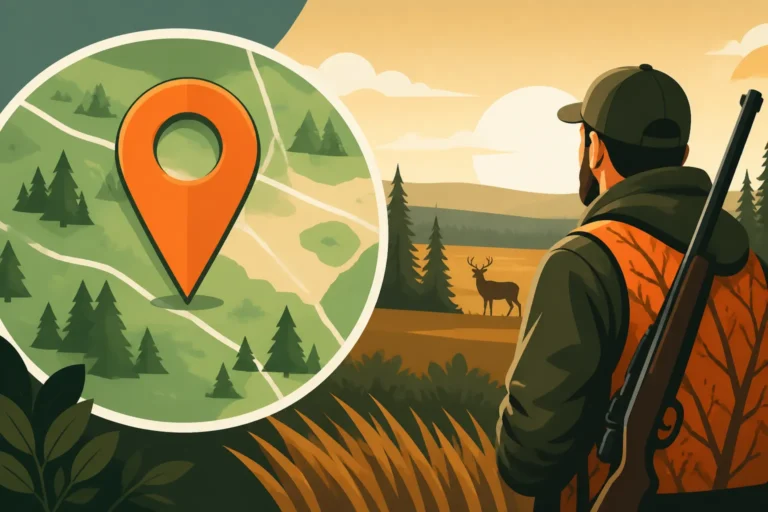
Tools like satellite imagery, which you can easily access through platforms like onX Hunt or GoHunt, are invaluable here. You can scan vast areas quickly, identifying potential willow rings, assessing their size, density, and proximity to food sources. Look for distinct circular or oval patterns of dark green vegetation contrasting with lighter fields. These digital tools allow you to spot features that might be hidden by a slight rise in the ground or simply too far to see from the road. Once you've identified a few promising spots digitally, then it's time for boots on the ground to confirm your suspicions. Scouting With Satellite Imagery in Manitoba provides even more detail on this crucial step.
Scouting and Strategy for Willow Ring Hunts
Once you've identified potential hot spots on the map, the real work begins. Effective scouting, both virtual and physical, is paramount to success when hunting willow rings. These pockets of cover can be deceptively tricky, and a well-thought-out strategy can make all the difference.
Pre-Season Scouting with Technology
Before you even step foot in the field, modern hunting apps have become absolute game-changers for willow ring scouting. Platforms like onX Hunt or GoHunt allow you to layer different maps and data, providing an incredible amount of information. You can zoom in and identify the exact boundaries of willow rings, estimate their size, and see how they relate to surrounding fields, tree lines, and roads.
Here's how to maximize your digital scouting:
- Identify Access Points: Look for existing trails, old farm lanes, or clearings that might provide quiet access. Remember, most of these potholes are on private land, so identifying access also means identifying landowners to contact. Manitoba Landowner Permission Law is critical to review.
- Pin Potential Bedding and Feeding Areas: Use your mapping tools to mark where the densest part of the willow ring is likely to be a bedding area, and note the types of agricultural fields nearby that could serve as feeding grounds.
- Wind and Topography Analysis: Many apps offer wind direction tools. Since deer rely heavily on their nose, understanding prevailing winds and how they might swirl around a specific willow ring is crucial for stand placement. Similarly, subtle changes in elevation, even slight ridges or draws leading into or out of the pothole, can act as deer travel corridors.
- Mark Historical Sign: If you've hunted the area before, or have notes from previous seasons, mark past rub lines, scrapes, or heavy trail crossings on your map. This helps build a historical picture of deer movement patterns.
By doing this detailed digital groundwork, you can prioritize which willow rings to physically scout, saving you valuable time and minimizing disturbance in less promising areas.
On-the-Ground Reconnaissance: What to Look For
There's no substitute for walking the ground, but you want to do it strategically and minimally. When you approach a willow ring for the first time, treat it like an actual hunt – approach quietly, play the wind, and assume deer are present.
Here’s what to focus on during your physical scout:
- Entry and Exit Trails: These are key. Look for well-worn paths leading into and out of the thick willows, especially trails that connect to agricultural fields or other blocks of cover. These are the highways deer use. Pay attention to the size of tracks and any drag marks indicating a large deer.
- Bedding Areas: While you might not want to bust into the thickest part of the willows, look for areas where the cover is particularly dense. Sometimes you’ll see deer sign (droppings, shed hair) concentrated at the edge of these thick pockets, indicating a preferred bedding spot.
- Rub Lines and Scrapes: Especially as fall approaches, look for rubs on willow stems or larger trees nearby, and scrapes along field edges or internal trails. These are signposts that bucks are active in the area. Reading Whitetail Sign in Manitoba Aspen can help, even though willows are different, the principles apply.
- Water and Food Sources: Confirm the presence of water within the pothole (is it dry, or still holding water?) and assess the surrounding crops. Are they still standing? Have they been harvested? This dictates when deer will use the willow ring.
- Identify Funnels and Pinch Points: Are there narrow sections of the willow ring, or areas where the cover narrows before opening up again? These natural funnels are perfect ambush points.
Planning Your Approach and Stand Placement
This is where your scouting pays off. Approaching a willow ring without spooking game is often the biggest hurdle. Always consider the wind, your scent, and quiet access.
- Wind is King: Never hunt a willow ring with a swirling or unfavorable wind. Your scent will be carried directly into the bedding areas, guaranteeing empty-handed results. Use your digital tools and a physical wind checker often. Wind Direction and Scent Control in Tight Cover is a must-read.
- Silent Entry and Exit: Plan your route to and from your stand or blind meticulously. Use natural terrain features, ditches, or existing trails that minimize noise and visibility. Avoid walking through open fields during daylight.
- Strategic Stand/Blind Placement:
- Downwind of Primary Trails: Position your stand or blind downwind of the main entry/exit trails leading into or out of the willow ring. This allows you to intercept deer as they move to and from feeding or bedding.
- Overlooking Feeding Edges: If the willow ring borders a prime agricultural field, consider setting up on the edge of the willows, allowing you to catch deer entering or exiting the field at dawn and dusk.
- Interior Ambush: For very large willow rings, an interior stand, strategically placed along a dominant trail within the thick cover, can be highly effective, but requires extreme stealth to get in and out undetected.
- Ground Blinds: Often, the lack of suitable trees makes ground blinds a preferred option. Brush them in well, use natural cover, and set them up far enough in advance to allow deer to get used to their presence.
Remember, the goal is to be in position before deer start moving, and to leave after they've settled, all without alerting them to your presence.
Hunting Techniques for Willow Rings
Hunting willow rings requires adaptability. Depending on the size of the ring, the density of the cover, and the time of year, different approaches will yield the best results. You need a mix of patience, stealth, and sometimes, a little controlled chaos.
Still-Hunting and Stalking the Edges
Still-hunting is perhaps the most personal and challenging way to hunt a willow ring, but it can be incredibly rewarding. This technique involves moving slowly and deliberately, stopping frequently to observe, listen, and glass for movement or parts of an animal. It’s not about covering ground quickly; it’s about becoming part of the landscape.
When still-hunting a willow ring:
- Play the Wind Religiously: This cannot be stressed enough. Move into the wind or with a slight crosswind. If the wind shifts, you must adapt or abandon the hunt.
- Focus on Edges: Deer often skirt the inside or outside edges of the densest cover. These are the transition zones where they feel secure but can still observe their surroundings. Look for subtle changes in the vegetation, faint trails, or areas where visibility might open up slightly.
- Use Binoculars Constantly: Even in thick cover, small openings can reveal a flicker of an ear, a patch of hide, or the curve of an antler. Pause, glass, and then take another few steps.
- Walk, Stop, Look, Listen: This is the mantra. Take a few silent steps, then stop for several minutes, scanning every possible detail. Let your eyes unfocus and look for patterns that seem "off" from the natural environment. Listen for subtle sounds: a twig snap, a rustle in the leaves, the soft crunch of hooves.
- Dress for Stealth: Quiet clothing is essential. Avoid anything that snags or makes noise against brush.
Stalking is an even more intense version of still-hunting, used when you've spotted a deer and are attempting to close the distance for a shot. It requires extreme patience, using every scrap of cover, and often involves moving at a snail's pace, sometimes crawling, to remain unseen and unheard. This is where your intimate knowledge of the ring's topography comes into play.
Setting Up a Stand or Blind for Ambush
For hunters who prefer to let the deer come to them, setting up a stand or ground blind is an excellent strategy for willow rings. This method relies heavily on good pre-season scouting and understanding deer movement patterns.
- Tree Stands (If Possible): If you're lucky enough to find a sturdy tree within or on the edge of the willow ring that offers a good vantage point, a tree stand can be ideal. It gets your scent above much of the ground-level thermals and gives you a wider field of view. Ensure your stand location allows for quiet entry and exit, and is positioned to capitalize on prevailing wind directions relative to known deer trails. Hanging a Stand on a Manitoba Bush Edge offers good principles that can be adapted here.
- Ground Blinds: More often, willow rings lack suitable trees for stands. This is where a well-placed, brushed-in ground blind shines.
- Concealment is Key: Place your blind several weeks before your hunt if possible, allowing deer to get accustomed to it. Brush it in heavily with natural vegetation from the area – willow branches, tall grasses, cattails.
- Strategic Placement: Position the blind downwind of known trails or funnel points where deer enter or exit the ring. Consider shooting lanes carefully; willows are dense, and you’ll need clear lines of sight for ethical shots.
- Comfort and Patience: A comfortable blind allows you to sit for longer periods, increasing your chances. Bring a good chair, warm clothing, and all necessary gear for an extended sit. The most successful ambush hunters are often the most patient.
Whether from a stand or a blind, the strategy is to intercept deer as they transition between bedding and feeding, or as they simply move through the cover of the willow ring. Early morning and late evening are often prime times, but don't discount midday movement, especially during the rut or on cold, blustery days when deer might shift bedding locations. Sitting All Day in a Manitoba Blind can be very effective in this type of habitat.
Driving or Pushing: When and How to Use It
Sometimes, especially in smaller to medium-sized willow rings that hold deer tight, a drive or push can be an incredibly effective strategy, particularly with a group of hunters. This method involves strategically pushing deer out of cover towards waiting standers.
- When to Drive: Drives are best suited for willow rings that are dense enough to hold deer but small enough to be pushed efficiently. They work well when you've confirmed deer are bedded inside and other methods haven't worked, or if you're trying to move deer from one patch of cover to another. This is often done later in the season when snow is on the ground, making tracking easier.
- Safety First: This is paramount. Clear communication, pre-determined stander locations, established shooting lanes, and strict adherence to safety rules are non-negotiable. Everyone must know the plan.
- Designated Drivers and Standers:
- Drivers: Usually start on one side of the willow ring, moving slowly and making noise (but not too much to make deer burst out wildly) through the thick cover. Their goal is to gently push deer towards the standers.
- Standers: Positioned strategically on the opposite side of the willow ring, ideally where deer are expected to exit. They should be concealed, alert, and ready for a quick, ethical shot. Position standers to have clear, safe shooting lanes into the direction of the expected deer movement, and away from where drivers will be.
- Understanding Deer Escape Routes: Prior scouting will help identify preferred exit points for deer. They'll often try to slip out the sides if possible, or bolt straight out the back if pressured hard. The drive should be designed to funnel them towards standers while covering these escape routes.
- Slow and Steady: A slow, deliberate push is often more effective than a frantic charge. It allows deer to feel pressured but not panicked, making them more likely to walk or trot out rather than run, offering better shot opportunities.
- Follow-Up: Even with a successful drive, always be prepared for game recovery, especially in thick willows. Getting a Deer Out on a Frozen Trail or through dense mud can be challenging.
Drives can be exciting and productive, but they demand careful planning, coordination, and a steadfast commitment to safety among all participants.
Overcoming Challenges and Maximizing Success
Hunting willow rings around potholes isn't always easy. The environment itself presents unique challenges that, if not addressed, can quickly derail your hunt. Knowing how to mitigate these issues will significantly increase your odds of success.
Dealing with Water and Mud
Potholes, by their very nature, involve water. And where there's water, there's often mud, sometimes deep, sticky, energy-sapping mud. This can be one of the biggest frustrations when trying to access or navigate these areas.
- Proper Footwear is Non-Negotiable: Invest in high-quality, waterproof boots that come up to at least your knees, if not hip waders for deeper potholes. Muck boots or good rubber boots are essential. There's nothing worse than cold, wet feet an hour into a hunt.
- Assess Water Levels Beforehand: During scouting, take note of how much water the pothole is holding. A dry fall might mean you can walk across it easily, while a wet year could mean it's impassable without a small boat or significant wading. Satellite imagery from different times of the year on tools like onX Hunt can give you a historical perspective on water levels.
- Plan Your Crossings: If you need to cross the pothole, identify the shallowest, firmest sections. Look for beaver dams or natural rises that might offer a more stable path. A sturdy walking stick can be invaluable for testing depth and stability.
- Mud is Energy-Sapping: Moving through deep mud is exhausting and noisy. Factor this into your approach time. If you're planning a push, drivers will need to be prepared for a tough slog. Consider routes that minimize mud exposure or seek out frozen conditions late in the season. Hunting Safely in Deep Winter Cold can bring its own challenges, but frozen ground often simplifies access to these wet areas.
- Vehicle Access: Be extremely cautious with vehicles, especially quads or side-by-sides, around soft edges. Getting stuck in the gumbo of a pothole is a common and miserable experience. Always know your limits and scout routes on foot first if unsure. Quad and Side-by-Side Rules on Crown Land should always be considered.
Wind Direction and Scent Control in Tight Cover
In any hunting scenario, wind is crucial, but in the confined, often swirling environment of a willow ring, it becomes an even more dominant factor. Dense cover can create unpredictable thermals and eddies, making scent control an absolute must.
- Microclimates and Swirls: While overall wind direction is important, understand that localized topography and dense vegetation can create mini-swirls. Your scent might drop into a low spot and then get carried back upwind. Be extra vigilant.
- Elevate Your Scent (If Possible): If hunting from a tree stand, your elevated position helps carry scent above deer level. However, if using a ground blind, your scent will be closer to the ground and more susceptible to swirls.
- Aggressive Scent Control: This is not the time to be casual. Shower with scent-eliminating soap, wear clean hunting clothes washed in scent-free detergent, and use scent sprays. Store your hunting clothes in airtight bags with natural elements like pine needles or cedar.
- Play the Wind Conservatively: Always err on the side of caution. If the wind is iffy, or you notice it swirling, it's often better to change your strategy, move to a different location, or simply wait for more stable conditions. A hunt ruined by scent is a lost opportunity.
- Entry and Exit Paths: Pay close attention to how your scent will carry on your walk in and out. Plan routes that keep your scent away from known bedding or travel areas, even if it means taking a longer path.
Ethical Considerations and Game Recovery
Hunting in thick cover, especially within a dense willow ring, brings heightened ethical responsibilities, particularly concerning shot placement and game recovery. Losing a wounded animal in such dense habitat is a hunter's worst nightmare.
- Shot Placement is Paramount: In willows, clear shooting lanes can be hard to come by. Never take a risky shot through brush that might deflect your bullet or arrow. Wait for a clean, broadside shot with a clear path to the vitals. Patience is key. If you don't have a clear shot, don't shoot.
- Thorough Tracking: Even with a perfect shot, deer often don't drop on the spot. If you shoot a deer in a willow ring, meticulously mark the last spot you saw the animal and the point of impact. Give the animal time (usually 30 minutes to an hour for a well-hit deer, longer for a questionable hit) before beginning to track.
- Follow Every Sign: Blood trails can be sparse in thick willows. Look for overturned leaves, broken twigs, hair, disturbed grass, and tracks. Go slowly, grid search, and take your time. If the blood trail peters out, expand your search in circles or straight lines from the last known sign.
- Bring Help: If you have any doubt about recovering a deer, don't hesitate to call a friend, family member, or fellow hunter to help. More eyes on the ground can make a huge difference. Meat Care in Manitoba's Cold Snaps is an important consideration once the animal is recovered, especially in late season.
- Respect the Habitat: Be mindful of the delicate wetland environment. Minimize disturbance, pack out everything you pack in, and avoid creating unnecessary trails or damage.
By being prepared for these challenges and committing to ethical practices, you can maximize your chances of a successful and satisfying hunt in Manitoba's unique willow ring habitat.
Hunting Strategies for Willow Rings: A Comparative Look
Different conditions call for different tactics when you're hunting those elusive willow rings. Here's a quick comparison to help you choose your approach:
| Condition | Recommended Strategy | Pros | Cons |
|---|---|---|---|
| Early Season (Warm, Dry) | Stand/Blind (Dawn/Dusk on field edges) or Still-Hunting | Less pressure, deer often predictable on food sources, pleasant weather. | Mosquitoes/bugs, deer less concentrated, thick leaves obscure view. |
| Mid-Season (Rut, Moderate Cold) | Stand/Blind (All day, interior trails) or Still-Hunting/Rattling | Bucks are actively seeking, increased midday movement, calling effective. | Deer are wary of increased pressure, wind can be unpredictable. |
| Late Season (Cold, Snow) | Still-Hunting (on fresh snow) or Small Drives (group) | Tracks are easy to follow, deer concentrated for thermal cover, less scent. | Extreme cold, deep snow limits mobility, short daylight hours. |
| Dense, Smaller Rings | Small Drives (with group) | Very effective at moving bedded deer, good for hard-to-access spots. | Requires multiple hunters, strict safety protocols, high potential for noise. |
| Large, Sparse Rings | Still-Hunting or Stand/Blind (strategic interior) | Minimal disturbance, covers more ground than a static stand. | Harder to spot deer, requires extreme stealth, can be exhausting. |
| Heavy Wind/Swirling Air | Relocate or Sit Tight & Wait | Avoids spooking deer with bad scent. | Misses out on hunting time, frustrating when you're keen to hunt. |
Hunting willow rings is a classic Manitoba experience, offering opportunities for both solo hunters and groups to engage with game in a distinctive, challenging environment. By understanding the habitat, employing diligent scouting, and adapting your techniques, you can unlock the secrets these pockets of cover hold and enjoy some truly memorable hunts.
Disclaimer
This article is for general informational purposes only and does not constitute professional advice. Laws, prices and regulations vary by location and change over time. Consult a qualified professional for guidance on your specific situation.