Hunting the Assiniboine River Corridor
Hunting the Assiniboine River corridor can be an incredibly rewarding experience, offering diverse opportunities from whitetails to waterfowl, but it often comes with the frustration of finding accessible ground and understanding the nuances of riverine habitat. This guide aims to break down the complexities of pursuing game along this vital Manitoba waterway, helping you navigate its unique challenges and maximize your chances of success.
Understanding the Assiniboine River Corridor as a Hunting Area
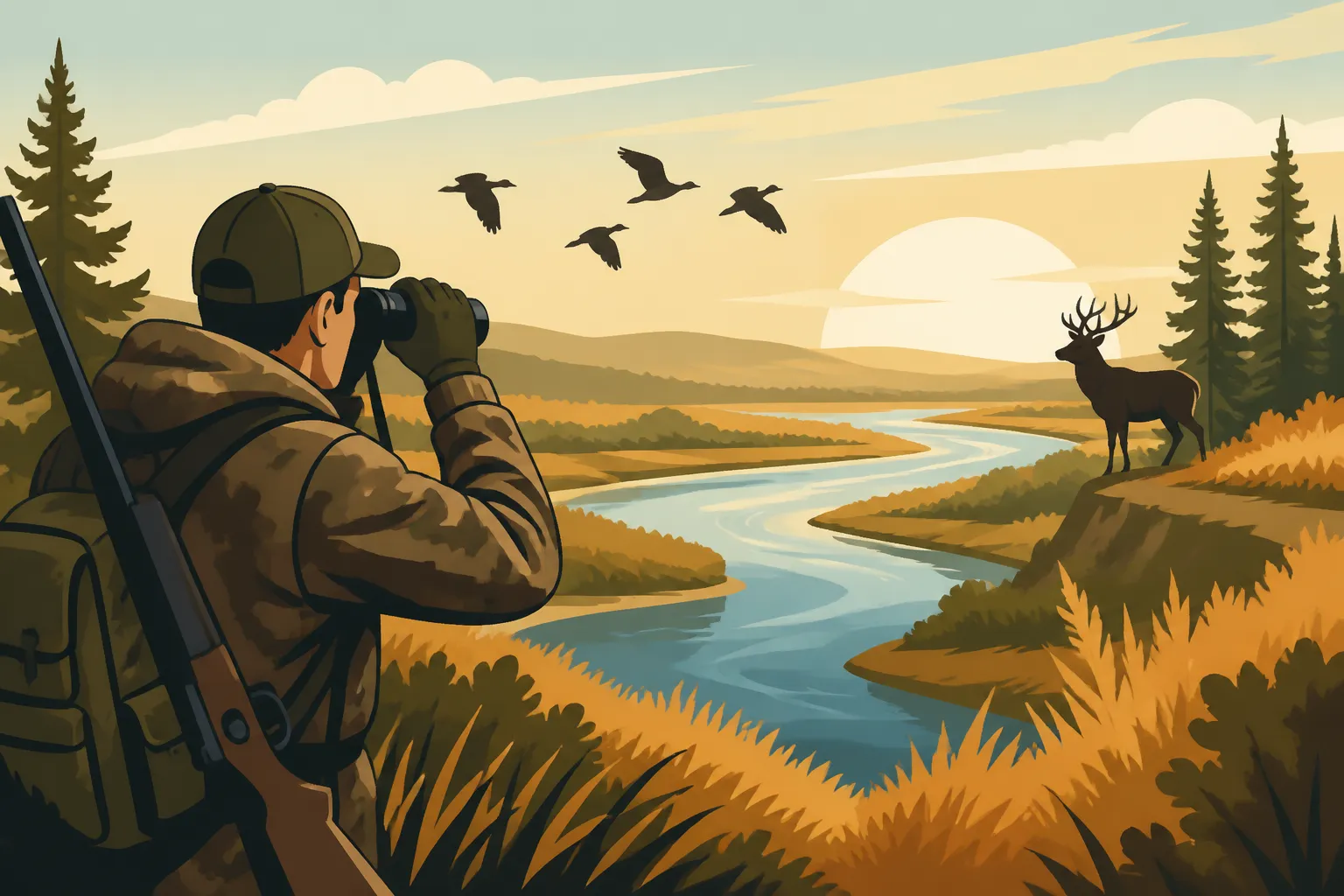
The Assiniboine River carves a significant path through southern Manitoba, from the western border all the way to its confluence with the Red River in Winnipeg. For hunters, this isn't just a geographical feature; it's a lifeline for wildlife, creating a linear oasis of cover, food, and water in often-agricultural landscapes. The river and its immediate banks offer a completely different hunting dynamic than the open prairie or dense boreal forest, presenting both unique opportunities and specific challenges that you need to be aware of.
Unique Features and Ecosystems
The Assiniboine River corridor isn't a monolithic environment; it's a dynamic ribbon of varied habitats. As the river meanders, it constantly reshapes the landscape, creating oxbows, sandbars, and small islands that provide isolated pockets of cover. The banks themselves can range from steep, brushy bluffs to gentler slopes featuring mature timber stands – think towering cottonwoods, Manitoba maple, and thick willow breaks. These forested strips, often just a few hundred yards wide, act as critical shelterbelts and travel corridors for a variety of game, especially in areas otherwise dominated by cropland. The river also frequently floods, depositing rich silt that supports lush vegetation in low-lying areas, which in turn offers prime forage. You'll often find dense tangles of thorn bushes and various undergrowth, providing perfect bedding and security cover for deer. Understanding these micro-ecosystems is key to unraveling the puzzle of where game might be holding.
The river's course itself also influences local climate, creating slightly more humid conditions and often a degree of thermal cover, particularly during harsh winter months. This can be a huge draw for animals seeking refuge from biting winds and deep snow. The presence of water, even when frozen, dictates travel routes for deer and predators, often funneling them into predictable crossings or along hardened banks. The mixture of mature timber, dense brush, and adjacent agricultural fields makes the Assiniboine corridor a classic "edge" habitat, which is notoriously productive for hunting. Think about how the river bends and creates inside corners or pinch points; these are often high-traffic areas.
Key Game Species to Expect
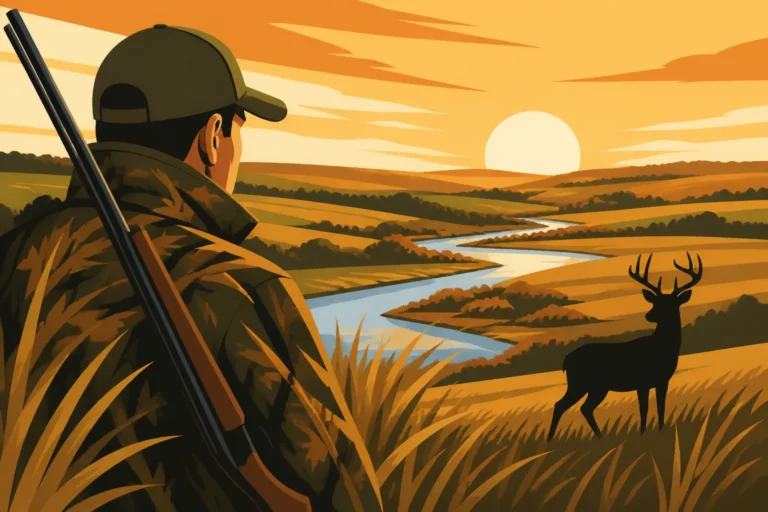
When you're looking to hunt the Assiniboine River corridor, white-tailed deer are undoubtedly the main attraction for most hunters. The dense cover along the river provides ideal bedding and escape routes, while the adjacent farm fields offer a continuous buffet of corn, soybeans, and other crops. Mature bucks especially utilize these river bottoms, often feeling secure enough to daylight during the rut. If you're targeting whitetails, understanding their movement patterns between bedding in the river bottom and feeding in the fields is paramount. These animals know the river's twists and turns like the back of their hoof.
Beyond deer, the river also supports a healthy population of predators like coyotes and, in some areas, even a few wolves, which are always a thrill to encounter or pursue. Coyote Hunting Rules Year-Round are important to know if you plan to hunt them. The abundance of small game, waterfowl, and deer makes these areas attractive for opportunistic predators. For bird hunters, the Assiniboine can be surprisingly productive. The river is a natural highway for migratory waterfowl, and while you might not find the vast marshes of the Interlake, smaller sloughs, oxbows, and even the main river channel can hold ducks and geese, particularly during staging periods. Manitoba's Ducks and Geese by Flyway provides a broader overview of the species you might encounter. Upland birds like sharp-tailed grouse and Hungarian partridge can also be found in the more open, grassy or shrubby areas bordering the river's immediate timber, often utilizing the thick cover for roosting.
Accessing and Navigating the Corridor
One of the biggest hurdles when hunting the Assiniboine River corridor is access. Much of the land bordering the river is privately owned, often farmland, which means securing permission is absolutely crucial. You can't just assume that because it's a river, it's public land. Even small patches of Crown Land might be nestled in difficult-to-reach areas. Overcoming this access challenge is often the difference between a successful hunt and a frustrating scouting trip.
Finding Public and Private Land Access
Identifying legal access points along the Assiniboine River requires diligent homework. Start by studying maps, specifically provincial Crown Land maps which you can often find online or at a local conservation office. These maps will highlight any public land that abuts the river, though be prepared for these parcels to be small, fragmented, or less accessible. Tools like onX Hunt are incredibly valuable here, as they overlay property lines and landowner information directly onto satellite imagery, making it much easier to pinpoint public access points and identify private landowners for permission. Reading Manitoba Crown Land Layers on onX can save you a lot of time.
For private land, knocking on doors is still the most effective method. Getting Private Land Permission in Manitoba outlines the best practices for approaching landowners. Be respectful, be prepared, and always ask well in advance of the season. Many farmers appreciate hunters who respect their land, close gates, and don't damage crops. Offer to help with nuisance animals if that's a problem they face. Some sections of the river might run through Wildlife Management Areas (WMAs) or Provincial Forests, which are generally open to hunting, but always double-check the specific regulations for that GHA and WMA as rules can vary. It's not uncommon to find that you have to hike a significant distance through a WMA or a sliver of Crown Land just to reach a productive river section, which often means less competition.
Navigating the Terrain
Once you've secured access, navigating the Assiniboine River corridor itself presents its own set of challenges. The terrain is often uneven, with steep banks, dense underbrush, and sometimes muddy or soft ground, especially after rain or during spring thaw. Good quality, waterproof footwear is non-negotiable. Wading across shallow sections might be an option during drier times, but always exercise extreme caution and know the river's depth and current. In colder weather, ice can be treacherous.
The dense riparian forest can quickly disorient you, even on short walks. A reliable GPS device or a smartphone app like onX Hunt or GoHunt with downloaded offline maps is essential to keep track of your position relative to property lines, roads, and your vehicle. Pay attention to landmarks such as distinct trees, sharp bends in the river, or unique erosion patterns. The river itself serves as a linear landmark, but knowing exactly where you are along its course is critical. In the fall, fallen leaves can mask hidden obstacles, and the footing can be slippery. During late season hunts, snow cover can make navigation easier by revealing game trails, but it can also obscure terrain features and make travel more strenuous. Hunting a Manitoba River Valley demands careful attention to topography.
Strategies for Hunting the River Banks
The Assiniboine River corridor, with its unique blend of water, cover, and adjacent food sources, offers specific advantages to hunters who understand how to capitalize on them. It's less about wide-open glassing and more about stealth, understanding movement patterns, and often, patience in thick cover.
Whitetail Hunting Tactics
When it comes to whitetails along the Assiniboine, the name of the game is understanding how deer use the river as both a sanctuary and a travel route. Deer will often bed down in the thickest brush right on the river banks during the day, feeling secure in the dense cover. As evening approaches, they'll often move out into the adjacent crop fields to feed. Your strategy should focus on intercepting them during these movements. Look for well-worn trails leading from the river bottom up into the fields or along the river's edge. Reading Whitetail Sign in Manitoba Aspen can offer insights, even if the trees are cottonwoods instead of aspen, as the principles of identifying rubs, scrapes, and tracks remain the same.
Tree stands or ground blinds placed strategically along these travel corridors can be incredibly effective. Pay close attention to wind direction, as the river valley can create swirling winds that make scent control challenging. Often, the best stand locations are on points or inside bends of the river, where deer are naturally funneled. During the rut, bucks will often cruise these river bottoms searching for does, making rattling and grunt calls highly effective. Consider using a rattling sequence or grunt calls to draw out a curious buck. Hunting the Rut in Early to Mid November highlights peak activity periods. Don't be afraid to hunt midday, especially during the rut, as bucks can be on their feet at any time in these secure environments. If you're still-hunting or stalking, move slowly and deliberately, pausing frequently to scan ahead and listen. The rustle of dry leaves can be a major giveaway, so pick your steps carefully.
Waterfowl and Upland Bird Opportunities
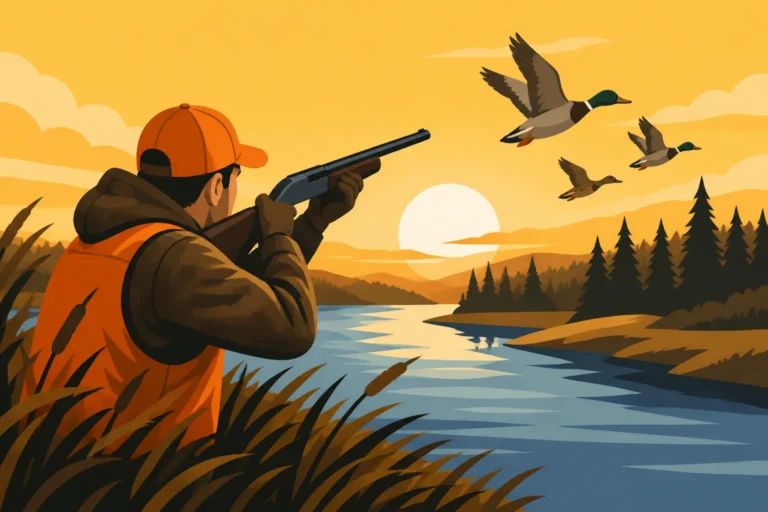
While the Assiniboine isn't a renowned waterfowl hotspot like some of Manitoba's larger marshes, it absolutely offers opportunities, especially for hunters willing to put in the effort. Ducks, particularly mallards and wood ducks, will often use the smaller oxbows, backwaters, and slow-moving sections of the river for resting and feeding. Geese will also follow the river during migration, sometimes dropping into open fields nearby or using larger stretches of the river itself. Scouting is key here; look for areas where birds are congregating, either on the water or in adjacent grain fields.
For duck hunting, setting out a small spread of decoys in a quiet backwater or along a river bend can be effective. If jump-shooting, approach quietly from downstream or through thick cover, always being aware of what's on the other side. Remember that Non-Toxic Shot for Manitoba Waterfowl is a requirement. Upland birds, like sharp-tailed grouse and Hungarian partridge, will often be found in the transitional zones between the heavy river timber and the open fields. Sharptails prefer more open, grassy areas with scattered shrubs, while Huns might hold tighter to the shelterbelts or field edges bordering the river. Walking these edges with a good flushing dog can be a very productive way to find them. Remember that Hungarian Partridge Season and Limits vary, so check current regulations. These birds often utilize the heavier cover of the river bottom as escape cover, so positioning yourself to cut off their escape can be a smart play.
Challenges and Considerations
Hunting the Assiniboine River corridor, like any specific habitat, comes with its own set of unique challenges that demand forethought and preparation. From navigating social dynamics to ensuring your own safety, being aware of these factors can greatly improve your overall hunting experience.
Pressure and Hunter Etiquette
Because the Assiniboine River corridor offers such prime habitat, it's often a popular area for local hunters. This can mean increased hunter pressure, especially on public land parcels or during peak times like the whitetail rut. You might encounter other hunters, and maintaining respectful etiquette is crucial for everyone's enjoyment and safety. If you arrive at an area and see another vehicle, consider moving on to another spot if possible, or at the very least, communicate with the other hunters to avoid conflict or dangerous situations. Never set up too close to another hunting party.
When hunting private land with permission, be an exemplary guest. Always respect the landowner's specific rules, whether that's regarding vehicle access, specific hunting zones, or even what time of day you can hunt. Leaving gates as you found them, picking up spent shell casings, and generally leaving no trace are small acts that build goodwill and can secure permission for future seasons. Remember, one hunter's misstep can ruin access for many. Be mindful of residences and farm buildings, always maintaining safe shooting distances and angles. Manitoba Landowner Permission Law makes it clear that you need explicit permission to hunt private land, and respecting that is non-negotiable.
Safety and Logistics
Hunting along a river, particularly one with varying depths and currents like the Assiniboine, introduces several safety considerations. Always be aware of the water. If you're on foot, watch for unstable banks, especially during periods of wet weather or rapid snowmelt. Hypothermia is a real risk if you accidentally fall into cold water, so dress in layers of appropriate clothing and have a plan for how you would get warm and dry. If crossing ice, confirm it's safe and thick enough; "when in doubt, stay out" is a wise mantra.
The density of cover that makes the Assiniboine so attractive to game also poses safety challenges for hunters. Visibility can be limited, so wearing plenty of blaze orange, even when not legally required for your specific season or species, is a smart choice. Always know what's beyond your target, especially when shooting through thick brush. Carry a fully charged cell phone, and consider a satellite communication device for areas where cell service is spotty or nonexistent, which can happen even surprisingly close to populated areas. What to Do If You Get Stuck in the Bush covers broader emergency preparedness, which is always relevant. Logistically, plan how you'll retrieve game from potentially difficult terrain. Getting a big whitetail out of a deep, brushy river valley can be a serious undertaking, so consider bringing a game cart, having a buddy to help, or planning routes that minimize steep climbs.
| Game Species | Typical Habitat Along Assiniboine | Best Time to Hunt | Key Tactics |
|---|---|---|---|
| White-tailed Deer | Dense riverine forest, adjacent crop fields | Early Archery, Rut (Nov), Late Season | Still-hunting, Stand hunting, Rattling, Spot & Stalk |
| Coyote | Field edges, dense brush, open river banks | Fall, Winter | Calling, Spot & Stalk, Over bait |
| Ducks (Mallard, Wood Duck) | Oxbows, backwaters, slow bends, adjacent ponds | Early Season (Sept), Late Fall | Decoys, Jump-shooting, Pass shooting |
| Geese (Canada, Snow) | Overflying river, staging in nearby fields | Fall Migration (Sept-Oct) | Field decoys, Pass shooting |
| Sharp-tailed Grouse | Grassy openings, shrubby edges, field borders | Early Fall (Sept-Oct) | Walking up with a dog, Spot & Stalk |
| Hungarian Partridge | Shelterbelts, field edges, farmsteads | Fall (Sept-Oct) | Walking up with a dog, Field hunting |
Disclaimer
This article is for general informational purposes only and does not constitute professional advice. Laws, prices and regulations vary by location and change over time. Consult a qualified professional for guidance on your specific situation.