Hunting the Turtle Mountain Bush
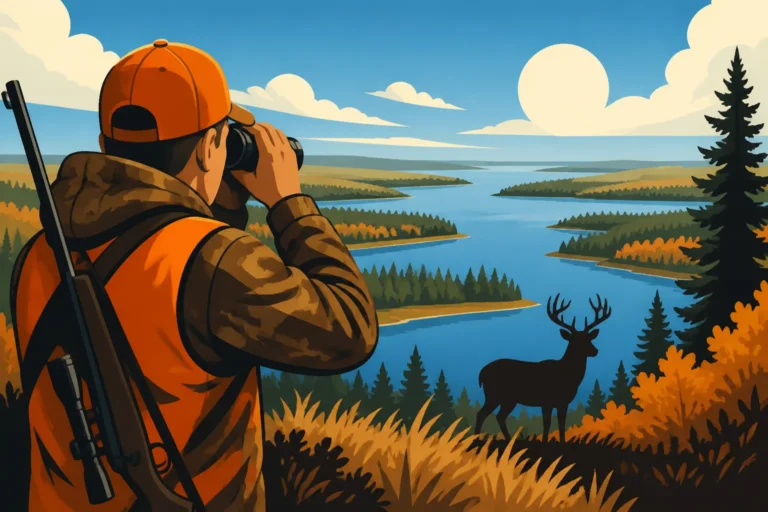
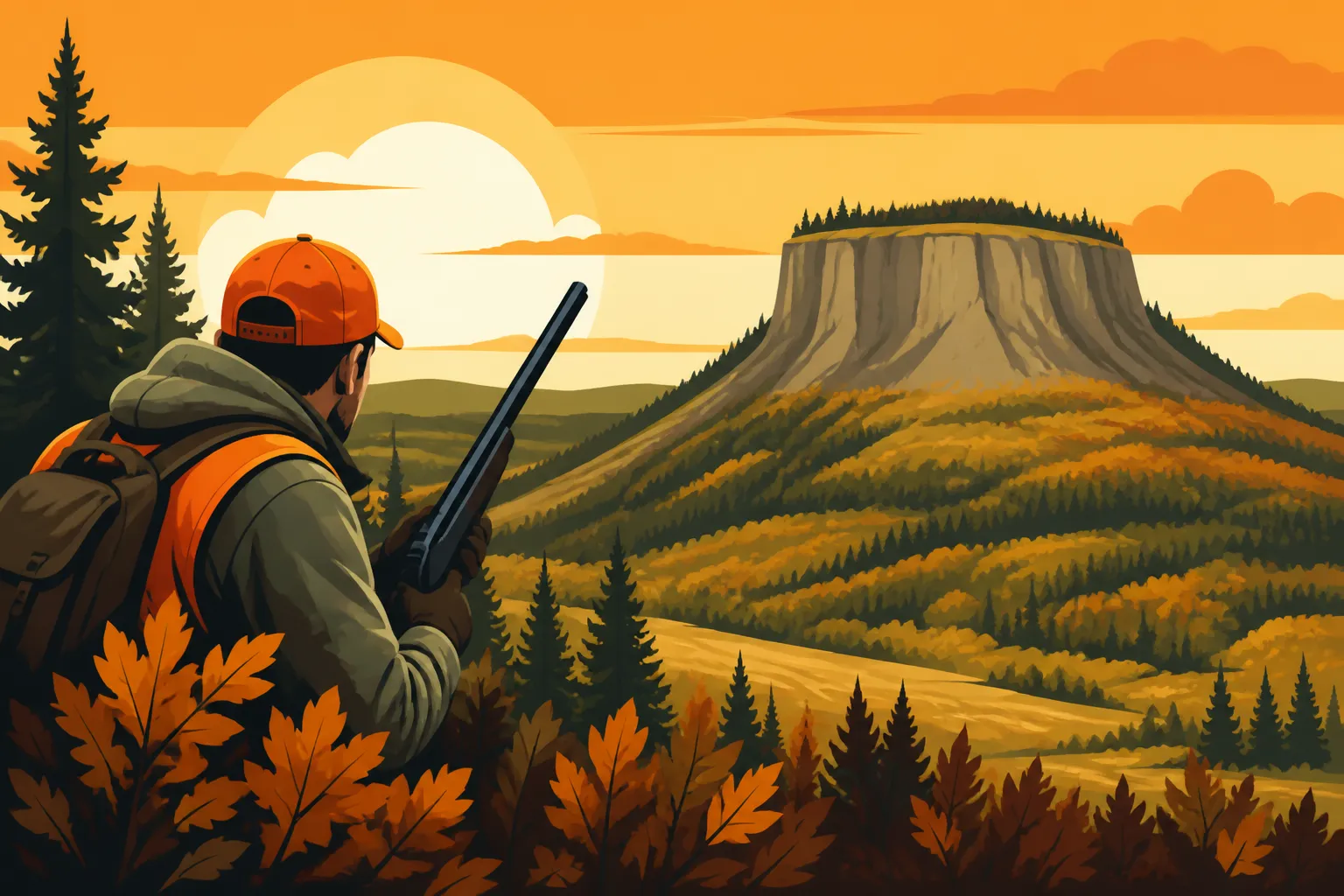
Hunting the dense, often challenging bush of Manitoba’s Turtle Mountain can feel like stepping into another world, especially if you're accustomed to the open prairie or more manicured forests. It’s a place where the terrain dictates the hunt, and hidden gems await those willing to put in the effort. This guide is designed to help you unravel the secrets of the Turtle Mountain bush, from understanding its unique environment to employing effective hunting strategies and preparing for a truly rewarding experience.
Understanding the Unique Landscape of Turtle Mountain
The Turtle Mountain Provincial Park and surrounding areas, often collectively referred to as the Turtle Mountain bush by local hunters, offer a distinct hunting environment unlike much of Manitoba. This isn't your typical flatland or boreal forest; it's a dynamic mix of rolling hills, thick timber, and countless water bodies that demand a specific approach.
The Rugged Terrain and Forest Cover
When you picture "bush" in Manitoba, you might think of endless stands of aspen and willow. While those are certainly present in Turtle Mountain, you'll also find a significant amount of oak, ash, and dense conifer stands, particularly spruce and balsam fir, creating a much thicker, darker canopy in many areas. The terrain itself is characterized by rolling hills, steep ravines, and countless low spots that collect water. This creates a mosaic of cover that deer and other game absolutely thrive in. They'll use these thickets for bedding, thermal cover in harsh weather, and as safe havens from hunting pressure.
Imagine trying to navigate a dense patch of tangled undergrowth, where visibility drops to mere yards, only to crest a small rise and find yourself looking down into a steep, timbered coulee. This is a common scenario. The challenge, and the reward, lies in understanding how animals move through this ruggedness. They'll follow the paths of least resistance, which often means worn trails along the edges of hills, through saddles, or along the banks of drainages. The sheer variety of trees and shrubs also means a diverse food source, from acorns in the fall to browse throughout the winter, keeping game well-fed and holding them in the area. Hunting the Turtle Mountain Country provides a broader overview of the region, but focusing on the bush within it reveals these granular details.
Water Features and Their Influence on Game
One of the most defining characteristics of the Turtle Mountain area is its abundance of small lakes, ponds, and sloughs. These aren't just pretty scenery; they are critical components of the ecosystem and significantly influence game movement. From large glacial potholes to seasonal depressions, water is everywhere. These water bodies often create natural barriers, forcing game to move around them or funneling them through narrow strips of dry land.
For hunters, this means identifying these pinch points becomes paramount. A deer isn't going to swim across a large, deep slough unless absolutely necessary; they'll walk the edge, or find a narrow crossing between two water bodies. These crossings, especially where cover is good, are absolute goldmines for stand placement. During early seasons, the edges of these water features often provide lush forage. As winter approaches, frozen sloughs can become travel corridors, allowing game to move more easily across terrain that was impassable just weeks before. Pay close attention to these water-laced landscapes, as they're often the key to unlocking game patterns.
Targeting Key Game Species in Turtle Mountain Bush
While Turtle Mountain is known for a variety of wildlife, most hunters venturing into its bush country are primarily after one species, though other opportunities certainly exist.
Pursuing Whitetail Deer: The Primary Quarry
Without a doubt, the whitetail deer is the king of the Turtle Mountain bush. This region consistently produces some fantastic deer, including mature bucks that have mastered the art of survival in its thick cover. White-Tailed Deer, Manitoba's Most Hunted Animal truly highlights their prevalence across the province, and Turtle Mountain is no exception. These deer use the dense timber as a sanctuary from pressure, only emerging into more open areas or field edges under the cover of darkness or during the rut.
Hunting mature whitetails here requires patience and a keen understanding of their habits. Bucks, especially the older ones, become incredibly nocturnal under pressure. They will bed down in the thickest, nastiest tangles you can imagine, often on a slight rise that offers a scent advantage and allows them to hear and see danger approaching. Finding their core areas, characterized by heavy trails, rubs, and scrapes, often means delving deep into the seemingly impenetrable bush. During the rut, however, these rules can change, and bucks will be on their feet cruising for does at all times of day, making rattling and calling very effective. Hunting the Rut in Early to Mid November describes this peak activity.
Opportunities for Black Bear and Other Wildlife
While deer are the main draw, the Turtle Mountain bush offers excellent opportunities for Black Bear Hunting in Manitoba. The diverse forest, abundant berries, and agricultural fringes provide an ideal habitat for bears. Hunters often target bears here in both the spring and fall, using bait sites strategically placed deep within the bush. The thick cover offers bears a sense of security and allows them to move relatively undetected. If you're planning a bear hunt, understanding their preferred food sources and travel patterns within the dense woods is crucial.
Beyond deer and bear, the area also holds smaller game and furbearers. Coyotes are common, often using the edges of the bush and nearby farmland for hunting. Coyote Hunting Rules Year-Round details the regulations if you wish to pursue them. Occasionally, hunters might encounter moose, especially in the northern reaches of the larger Turtle Mountain complex, though they are less common than in more northerly boreal forests. Upland birds like ruffed grouse and sharp-tailed grouse also call the varied cover home, offering a bonus opportunity if you’re still-hunting or walking through the bush.
Effective Hunting Strategies for Dense Bush
Hunting in the Turtle Mountain bush demands a blend of careful planning and adaptable tactics. It's less about long-range shots and more about intimate encounters in close quarters.
Pre-Season Scouting and E-Scouting Techniques
Success in the Turtle Mountain bush often begins long before you set foot in the woods. Pre-season scouting is absolutely critical. Walking the property, even outside of hunting season, helps you understand the terrain, identify bedding areas, natural funnels, and potential stand sites. Look for old rubs and scrapes from the previous season, well-used game trails, and preferred food sources.
In today's age, e-scouting with tools like onX Hunt or GoHunt has become an indispensable part of this process. Satellite imagery allows you to identify changes in vegetation density, locate small pockets of thick cover, pinpoint water sources, and map out potential travel corridors without physically being there. You can mark potential stand locations, access routes, and areas of high deer activity. For example, by looking at the satellite image, you might notice a thin strip of timber connecting two larger blocks of bush, flanked by a slough on one side and a field on the other – a perfect funnel. Overlaying property lines is also essential to avoid trespassing, especially in areas with a mix of Crown and private land. Scouting With Satellite Imagery in Manitoba is a great resource for refining these skills.
Stand Hunting vs. Still Hunting in Thick Cover
Both stand hunting and still hunting have their place in the Turtle Mountain bush, and often, a combination of both yields the best results.
Stand Hunting: This is perhaps the most common approach, especially for whitetails. Identifying key travel corridors, pinch points, or food sources and setting up a stand or ground blind offers a strategic advantage. Elevated stands, whether tree stands or tower blinds, are excellent for gaining visibility over the dense undergrowth and help keep your scent above the primary travel lanes. Placing a stand along a bush edge where deer transition from cover to an agricultural field, or within a known bedding-to-feeding corridor, can be highly effective. Hanging a Stand on a Manitoba Bush Edge offers specific tips for these setups. Be prepared for close shots, as deer can seemingly materialize out of nowhere in thick bush.
Still Hunting: For those who enjoy an active hunt, still hunting can be incredibly rewarding. This involves moving slowly, often just a few steps at a time, pausing frequently to observe and listen. The dense cover can actually work in your favor, as it forces deer to move slowly, and the rustling leaves or snapping twigs give away their position. This method is particularly effective when Reading Whitetail Sign in Manitoba Aspen or other hardwoods, allowing you to follow fresh tracks and subtle cues. Focus on moving into the wind or crosswind, utilizing natural contours and cover to break up your silhouette. It requires immense patience and an ability to pick apart the environment, but it often leads to exhilarating, close-range encounters.
Leveraging Natural Funnels and Game Trails
The topography of Turtle Mountain naturally creates funnels that game animals will use. These can be narrow strips of timber between two open fields, saddles between hills, drainage ditches, or the edges of dense sloughs. Deer, especially, are creatures of habit and will take the path of least resistance when moving between bedding and feeding areas.
Identifying and understanding these funnels is key. Look for well-worn game trails that converge in these areas. Sometimes, a subtle depression in the land or a slightly less dense section of bush will concentrate movement. Setting up a stand or ground blind downwind of such a funnel, especially during the rut or periods of high deer activity, significantly increases your odds. The success hinges on thorough scouting and observation to ensure your chosen funnel is truly active.
Here's a quick look at common game signs you might find in the Turtle Mountain bush:
| Sign Type | Description | What it Tells You | Best Time to Look |
|---|---|---|---|
| Deer Tracks | Fresh hoof prints, especially large ones, in mud or snow. | Recent deer activity, size of deer, direction of travel. | Year-round, best after rain/snow |
| Rubs | Scraped bark on trees from antler rubbing, typically 1-3 inches in diameter. | Buck presence, signpost for territorial display, recent activity. | Fall (pre-rut to post-rut) |
| Scrapes | Exposed bare earth, often with an overhanging branch, pawed by deer. | Buck communication hub, doe presence, active rut sign. | Fall (pre-rut to rut) |
| Droppings | Piles of deer pellets, size and consistency indicate diet and freshness. | Deer activity, preferred feeding/bedding areas. | Year-round |
| Bedding Areas | Flattened spots in thick cover, often surrounded by heavy browse. | Where deer rest and feel safe, typically in dense vegetation. | Year-round |
| Trails | Worn paths through vegetation, from subtle to heavily used. | Frequent travel corridors between food, water, and cover. | Year-round |
| Browse | Twigs or leaves that have been nipped or torn off by deer. | Preferred food sources, indicates deer presence. | Year-round, especially winter |
Navigating Access, Regulations, and Essential Gear
Before heading into the Turtle Mountain bush, understanding the rules, securing access, and having the right equipment is paramount for a safe and successful hunt.
Understanding Land Access and GHA Specifics
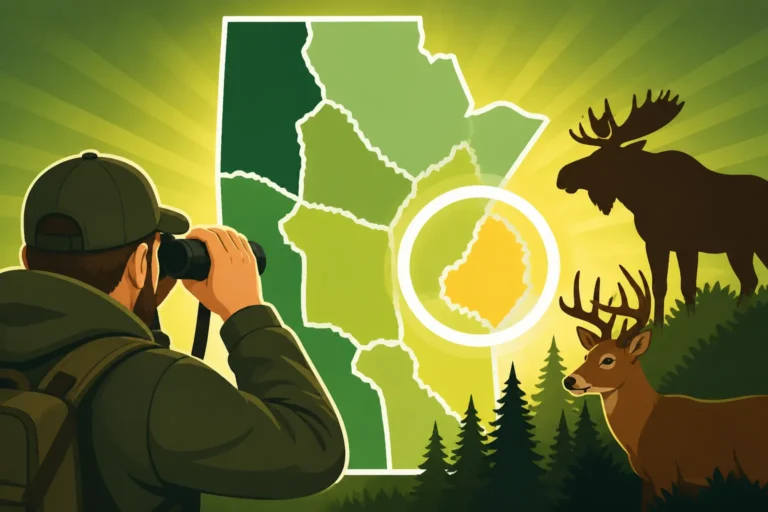
The Turtle Mountain area, like many parts of Manitoba, is a mosaic of Crown (public) land and private land. It's absolutely crucial to know whose land you're on at all times. While the Provincial Park itself generally prohibits hunting (always check the current regulations), surrounding Crown lands are typically open for hunting, though specific rules might apply. Manitoba's Game Hunting Areas are mapped out by the province, and you'll need to know which GHA you're in, as season dates and regulations can vary.
For private land, permission is always required. Never assume you can hunt on private property, even if it appears unposted. Knocking on doors and asking farmers or landowners well in advance is the respectful and legal way to gain access. Utilizing apps like onX Hunt that show property lines and landowner information can be invaluable for identifying who to ask. Understanding Manitoba Landowner Permission Law is critical for any hunter. Ensure you carry your valid Manitoba Hunting Licences and What They Cost and any necessary tags at all times.
Preparing Yourself and Your Gear for the Bush
Hunting the Turtle Mountain bush is physically demanding. The rolling terrain, combined with thick cover, means you'll be doing a lot of walking, climbing, and pushing through dense vegetation. Being in good physical condition will make your hunt much more enjoyable and safer.
Your gear needs to be robust and appropriate for the conditions.
- Clothing: Layers are key. Temperatures can fluctuate wildly, especially during the fall. Durable, quiet outerwear that can withstand thorns and brush is essential. Don't forget waterproof layers for rain or snow.
- Navigation: A reliable GPS unit or a smartphone with a mapping app like onX Hunt or GoHunt is non-negotiable. It's incredibly easy to get turned around in the thick bush, even in familiar areas. Carry a compass and physical map as a backup.
- Footwear: Sturdy, waterproof boots with good ankle support are a must. You'll be traversing uneven terrain, mud, and potentially snow.
- Other Essentials: A good quality knife, rope, headlamp, first-aid kit, fire-starting materials, and plenty of water are vital. A small saw or pruning shears can be helpful for clearing shooting lanes or trails. For late season hunts, remember that Hunting Safely in Deep Winter Cold requires specialized gear and precautions.
Always inform someone of your hunting plans, including your route and expected return time. Cell service can be spotty in remote areas of Turtle Mountain, so don't rely on it for emergencies. Preparing properly ensures you can focus on the hunt, not on unforeseen challenges.
Disclaimer
This article is for general informational purposes only and does not constitute professional advice. Laws, prices and regulations vary by location and change over time. Consult a qualified professional for guidance on your specific situation.