Hunting the Delta Marsh Wildlife Area
For many hunters, the quest for prime public land can be a real struggle, especially when you're dreaming of epic waterfowl hunts. It's frustrating to pore over maps, wondering where to find productive ground that isn't already overrun or tied up in private leases. But fear not, because Manitoba offers some truly incredible public opportunities, and one of the crown jewels for waterfowlers is the Delta Marsh Wildlife Area. This guide will take a deep dive into what makes Delta Marsh such a special place, how to navigate its unique challenges, and the best ways to approach hunting this legendary wetland.
What Makes Delta Marsh So Special for Waterfowlers
Delta Marsh isn't just another patch of wet ground; it's an ecological powerhouse, a vast freshwater wetland that has been shaping migratory bird patterns for centuries. Located on the southern shore of Lake Manitoba, it’s one of North America's most significant staging and breeding grounds for waterfowl. This place just breathes tradition and incredible hunting opportunities, making it a bucket list destination for many.
A Haven for Migratory Birds
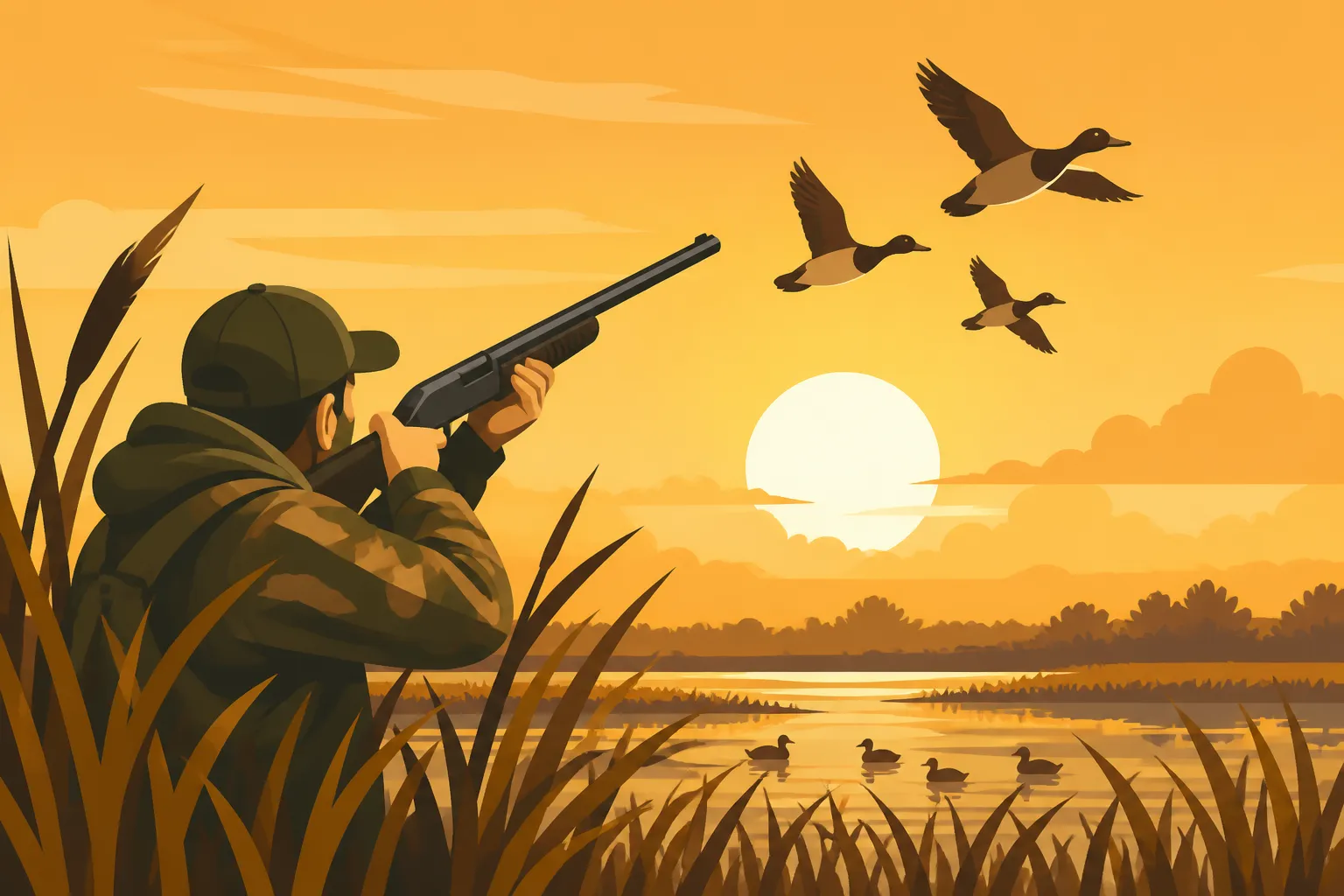
The sheer volume of birds that pass through or call Delta Marsh home during the migration periods is simply astounding. We're talking about millions of ducks and geese using this critical habitat to rest, refuel, and breed. It’s like a superhighway and a bustling hotel all rolled into one for our feathered friends. You'll find everything from mallards, pintails, and wigeon to canvasbacks, redheads, and bluebills. The big honkers, Canada geese, are here in force, often joined by immense flocks of snow geese and smaller numbers of specklebellies. This diversity means that no matter what your preferred duck or goose, there's a good chance you'll find it here, making it an incredibly rich hunting experience. The abundance is a direct result of the marsh's immense food resources and secure cover.
Unique Habitat Features
What sets Delta Marsh apart ecologically is its dynamic blend of open water, emergent vegetation, and surrounding agricultural fields. Picture vast beds of cattails, bulrushes, and phragmites, creating an intricate maze of cover and concealment. These dense stands are interspersed with pockets of open water, often shallow and rich with submerged aquatic vegetation – prime feeding grounds for dabbling and diving ducks alike. Around the fringes of the marsh, you'll find fertile agricultural land, primarily grain fields, which draw geese and often provide additional feeding opportunities for ducks. This interface between wetland and cultivated land is a powerful magnet for waterfowl, especially during fall migration when birds are gorging themselves to prepare for the long journey south. It's a complex system, and understanding these different habitat types is key to success.
A Storied History of Waterfowl Research
Delta Marsh isn't just famous among hunters; it's globally recognized for its long and distinguished history in waterfowl research. For over 80 years, the Delta Waterfowl Research Station has been operating here, making it the oldest continuous waterfowl research station in the world. Generations of scientists have studied everything from duckling survival to predator-prey dynamics, all within the marsh's diverse ecosystem. This history means that the marsh has been carefully monitored and managed, contributing to its sustained health and incredible waterfowl populations. Hunters benefit directly from this legacy, as conservation efforts rooted in this research help ensure that healthy numbers of birds continue to migrate through. When you're out there, you're walking in the footsteps of conservation giants.
Navigating the Delta Marsh Wildlife Area
Hunting Delta Marsh is an adventure, but it's one that demands preparation and a good understanding of the area's layout and challenges. This isn't your average roadside duck pond; it's a sprawling, complex wetland, and knowing how to get around effectively is crucial for a successful and safe hunt.
Understanding Access Points and Zones
The Delta Marsh Wildlife Area is massive, spanning tens of thousands of acres. Access generally involves launching a boat from one of the designated access points along the southern edge, often off Provincial Road 240 or other municipal roads. There are public boat launches that provide entry into the marsh's network of channels and bays. However, not all areas are created equal, and some might be easier to reach than others depending on water levels and vegetation density. It’s always a good idea to scout these access points in advance, perhaps even taking a drive out there before the season, to get a feel for the terrain and potential launch conditions. Don't just assume every path leads to a clear launch; some might be overgrown or too shallow for larger boats. Being familiar with the primary arteries of the marsh's waterways will greatly enhance your ability to navigate.
Challenges of the Terrain and Water Levels
Delta Marsh can be a tricky beast, and its character changes dramatically with water levels. In high-water years, you might be able to motor deep into the marsh, exploring hidden pockets and sloughs. In low-water years, however, extensive areas can become too shallow for outboard motors, forcing you to push a canoe or layout boat through thick mud and vegetation, or even walk considerable distances. This variability means that adaptability is key. A GPS unit or a mapping app like onX Hunt can be an absolute lifesaver here, allowing you to mark your path, identify potential dead ends, and find your way back in the dark, which happens more often than you'd think when you're focused on retrieving birds. Wind is another major factor; strong winds can make open water crossings treacherous and create choppy conditions, while also affecting how ducks and geese fly and decoy. Always check the forecast before heading out.
Using Technology for Navigation
In such a vast and often featureless landscape, relying solely on your memory or a paper map can be risky, especially in the pre-dawn darkness or fog. This is where modern navigation tools truly shine. Apps like onX Hunt allow you to download offline maps, so you're never without critical information, even if cell service drops. You can pinpoint your vehicle, mark your hunting spot, track your route, and identify private land boundaries (though the vast majority of Delta Marsh is public wildlife area). Similarly, platforms like GoHunt might not be as focused on specific land mapping, but their tools for scouting and understanding game movements can be invaluable if you're looking for patterns beyond just the immediate marsh. Using satellite imagery to identify open water pockets, dense cover, or even subtle changes in vegetation before you ever step foot in the marsh can give you a significant advantage. Don't be afraid to embrace technology to make your hunt safer and more efficient.
Hunting Strategies for Delta Marsh
Once you understand the lay of the land, it's time to talk strategy. Delta Marsh offers a variety of hunting scenarios, from classic duck boat hunts to field edge goose opportunities, and success often comes down to knowing your quarry and adapting to the conditions.
Targeting Ducks and Geese
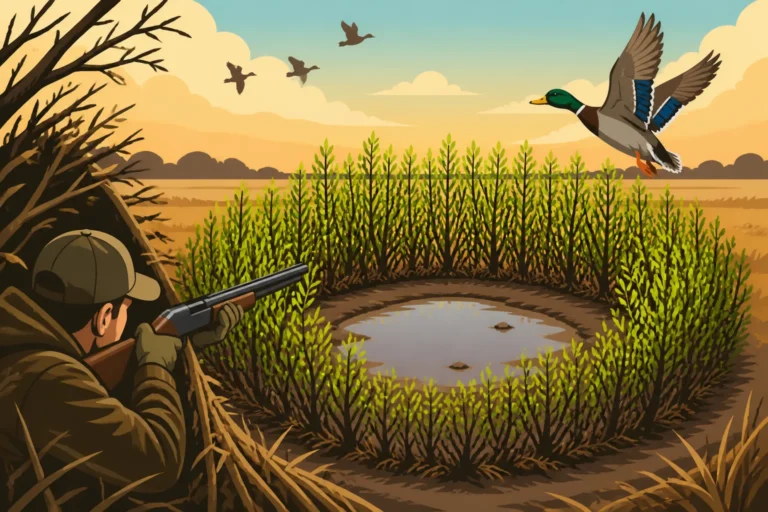
The primary draw of Delta Marsh is, without a doubt, its incredible waterfowl hunting. Most hunters focus on ducks, setting up decoy spreads in pockets of open water, along natural channels, or within the emergent vegetation where ducks prefer to feed and rest. Mallards, pintails, and teal are often found in the shallower, vegetated areas, while divers like canvasbacks and redheads prefer deeper, more open water. For geese, while many will use the marsh for roosting, the most productive hunting often occurs in the surrounding agricultural fields. Scouting is paramount here. You'll need to spend time before your hunt, and often each day, driving around the perimeter of the marsh, glassing fields to identify where the geese are feeding. Once you've located a hot field, securing permission from the landowner (if it's private land) is the next critical step. Remember, field hunting geese in Manitoba stubble often means large decoy spreads and patient calling. Don't be afraid to spread out your decoys and use plenty of motion if you're targeting those big honkers. Hunting a Delta Marsh Style Wetland often involves a combination of boat work and blind building.
Hunting Upland Birds on the Fringe
While waterfowl are the main event, Delta Marsh and its adjacent lands can also offer opportunities for upland birds. Along the drier edges of the marsh, particularly where there are stands of aspen or willow bluffs and native grasslands, you might find sharp-tailed grouse and ruffed grouse. These areas often provide great cover and food sources for upland birds, especially later in the season after the leaves have fallen. Hungarian partridge can also be found in the adjacent farmlands, particularly along shelterbelts and field edges. It's not a primary upland hunting destination, but if you're looking to combine a morning duck hunt with an afternoon walk for grouse, it's certainly possible. Just be mindful of all hunting regulations for both species and ensure you're in an area open to upland hunting. You'll need different gear and different strategies for upland birds compared to waterfowl, so plan accordingly.
Calling and Decoy Spreads
Effective calling and well-placed decoy spreads are essential for success in Delta Marsh. For ducks, a spread that mixes dabblers and divers can be effective, mimicking a natural feeding and resting area. Motion decoys, like spinning wing decoys, can add realism and draw distant birds. When Marsh Hunting Ducks in the Interlake – a similar region – hunters often find success by focusing on natural funnel points and keeping their spreads realistic. For geese, especially Canada geese, large spreads of full-body decoys are often the ticket. Aggressive calling, especially early in the morning or when new flights appear, can pull birds off the main flock. You need to read the birds and adjust your calling and spread dynamically. The weather also dictates tactics; on calm days, birds can be warier, demanding more subtle calling and perfectly set decoys. On windy days, more aggressive calling can cut through the noise, and birds might commit harder to your spread as they seek shelter. Don't forget your Manitoba Migratory Bird Permits before you head out!
Rules, Regulations, and Responsible Hunting
Hunting in a world-renowned area like Delta Marsh comes with a responsibility to uphold ethical hunting practices and adhere strictly to all provincial and federal regulations. Understanding these rules isn't just about avoiding fines; it's about preserving the resource for future generations and ensuring positive public perception of hunting.
Essential Permits and Licences
Before you even think about setting foot in Delta Marsh with a shotgun, you need to ensure all your paperwork is in order. For waterfowl, this means a valid provincial hunting licence, a federal migratory game bird permit, and the Canadian Wildlife Habitat Conservation Stamp. These are non-negotiable. Don't forget your Manitoba Duck Season Dates and Goose Season Dates by Zone—they vary by area and species. Each species also has specific Duck Daily Bag Limit by Species that you must adhere to. It's a good idea to carry physical copies of your licences or have them readily accessible on a smartphone, along with government-issued photo identification. Conservation officers are often present in popular hunting areas like Delta Marsh, and they are there to ensure everyone is following the rules. Being prepared and compliant makes their job, and your hunt, much smoother.
Non-Toxic Shot and Other Requirements
One of the most critical regulations for waterfowl hunting, particularly in wetlands like Delta Marsh, is the mandatory use of non-toxic shot. Steel, bismuth, or tungsten-based alternatives are required, as lead shot is prohibited for all migratory game bird hunting throughout Canada to protect waterfowl from lead poisoning. Make sure you're using the correct shot type and size for the birds you're targeting. There are also specific rules regarding shooting hours, typically from half an hour before sunrise to half an hour after sunset. Review the current Manitoba Hunting Guide or federal migratory bird regulations for the precise shooting hours each season. Additionally, know your Non-Toxic Shot Requirements for Waterfowl and always use appropriate loads for safety and clean kills.
Minimizing Impact and Respecting Others
Delta Marsh is a shared resource, and responsible hunting means minimizing your impact on the environment and showing respect for other users. This includes retrieving all your spent shotgun shells and any trash you might generate; leave no trace. If you're building a blind, use natural materials sparingly and ensure it's removed or deteriorates naturally. Be mindful of other hunters in the area; give them plenty of space and avoid "sky-busting" (shooting at birds outside of effective range), which can flare birds for everyone. Noise discipline is also important, particularly in the early morning. Remember, Delta Marsh is also a place for birdwatchers, photographers, and other outdoor enthusiasts. A courteous wave and a friendly demeanor go a long way in fostering a positive image for hunters. By practicing good etiquette and adhering to conservation principles, we help ensure Delta Marsh remains a premier hunting destination for generations to come.
Planning Your Delta Marsh Adventure
Successfully hunting Delta Marsh requires more than just showing up with a shotgun. It's about meticulous planning, adapting to conditions, and understanding the nuances of this incredible wetland. Think of it as a chess game against the elements and the instincts of migratory birds.
Essential Gear for Delta Marsh
Your gear list for Delta Marsh should be robust and tailored to the conditions. A reliable boat – whether a sturdy Jon boat, a deep-V aluminum, or a specialized duck boat – is often critical for accessing prime hunting spots. Don't forget a dependable motor, extra fuel, paddles, and all required safety equipment (life jackets, sound signaling device, throw rope, etc.). Waders are a must, preferably chest waders, as you'll often be wading in muddy, sometimes deep, water to set decoys or retrieve birds. Camouflage clothing appropriate for the marsh environment (reeds, cattails, open water) is essential, along with warm, waterproof layers, especially if you're hunting later in the fall when the temperatures can plummet. A good headlamp with extra batteries is invaluable for navigating in the dark. For your shotgun, ensure it's capable of handling non-toxic shot and practice shooting with those loads before your hunt. For those looking to Scouting a Manitoba Game Hunting Area, don't forget binoculars or a spotting scope for field scouting, and a sturdy decoy bag.
The Importance of Scouting and Adaptability
Scouting is absolutely non-negotiable for Delta Marsh. Birds move, water levels change, and what was hot last week might be cold this week. Pre-season scouting, driving the access roads, and observing bird activity from a distance can give you an edge. Once the season opens, daily scouting, especially in the afternoons for the next morning's hunt, is even more crucial. Look for concentrations of birds, observe their flight paths, and identify preferred feeding and resting areas. Water levels will dictate where ducks can land and feed, so pay close attention to accessible pockets. Be ready to adapt your plans on the fly. If your chosen spot isn't producing, don't be afraid to pull up stakes and try a different area. The marsh is dynamic, and successful hunters are those who can read the conditions and adjust their strategy accordingly. Remember to leverage tools like onX Hunt for marking potential hotspots during scouting.
Respecting the Wildlife and the Land
Hunting in Delta Marsh is a privilege, not a right. Every hunter has a responsibility to act as a steward of this incredible natural resource. This means making ethical shots, ensuring quick and humane kills, and making every effort to retrieve downed birds, even if it means getting wet and muddy. Understanding the local ecology, such as Why the Interlake Concentrates Birds, helps you appreciate the resource even more. Be aware of private land boundaries that might abut the wildlife area and always obtain permission before entering. Manitoba Landowner Permission Law is clear on this. Properly disposing of all game remains and ensuring no waste of game meat are also critical components of responsible hunting. By upholding these principles, we contribute to the long-term health of the marsh and ensure that future generations can also experience the thrill of a Delta Marsh waterfowl hunt. This commitment to conservation is what truly defines a successful hunter in these hallowed grounds.
| Species Targeted | Primary Habitat in Delta Marsh | Common Hunting Methods | Special Considerations |
|---|---|---|---|
| Mallard | Shallow vegetated bays, sloughs, field edges | Decoy spreads in vegetated water, jump-shooting | Excellent table fare, respond well to calling |
| Pintail | Open shallow water, mudflats, grain fields | Decoy spreads, field hunting | Fast flyers, often wary, less responsive to calling |
| Canvasback | Deeper, open water with submerged vegetation | Large diver decoy spreads | Require strong winds for movement, often fly in large rafts |
| Redhead | Open water, areas with submerged vegetation | Diver decoy spreads, pass shooting | Similar to canvasbacks, can be less wary |
| Canada Goose | Grain fields, open water roosts | Large field spreads, blinds, calling | Require landowner permission for field hunting, often decoy in large groups |
| Snow Goose | Large open fields, open marsh water | Massive field spreads, white rags, electronic calls (where legal) | Can be very wary, huge flocks, late season often better |
| Sharp-tailed Grouse | Drier grassland fringes, aspen bluffs | Walking up with dogs, flushing | Primarily an upland hunt, less common in marsh interior |
| Ruffed Grouse | Dense willow/aspen thickets on high ground | Walking bush trails, flushing | Often an incidental harvest when exploring fringes |
Disclaimer
This article is for general informational purposes only and does not constitute professional advice. Laws, prices and regulations vary by location and change over time. Consult a qualified professional for guidance on your specific situation.