When the Elk Rut Peaks
Manitoba elk rut activity peaks between the third week of September and early October, driven by shorter daylight and temperatures.
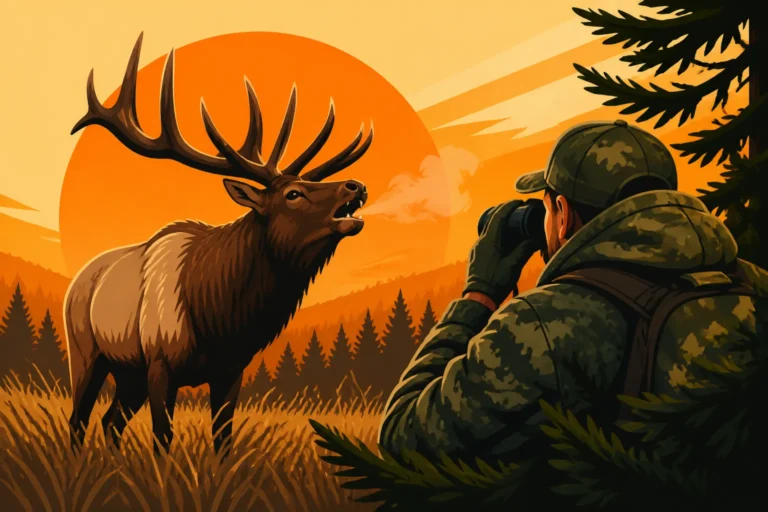
Manitoba elk rut activity peaks between the third week of September and early October, driven by shorter daylight and temperatures.

Mature bull elk in Manitoba weigh six to eight hundred pounds, with exceptional individuals reaching upwards of nine hundred pounds.
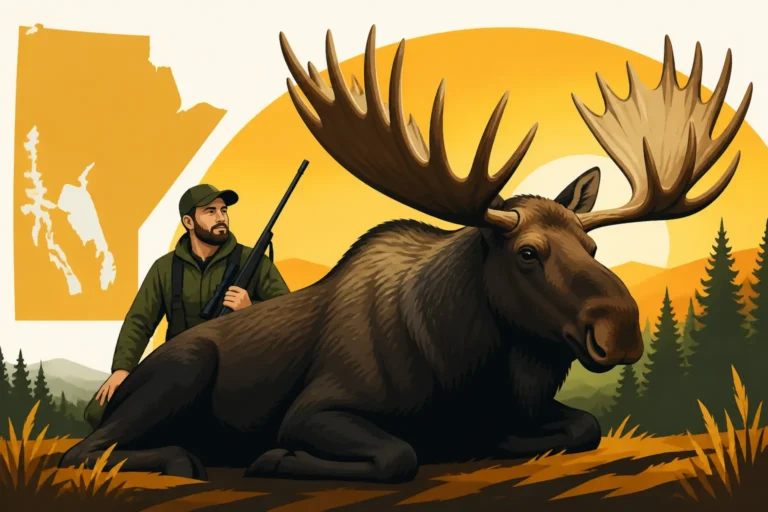
Manitoba record moose details include massive antler spreads, unique configurations, and the boreal forest habitats that produce them.

Manitoba moose population estimates rely on systematic aerial surveys using aircraft flying along predetermined transects over remote wilderness terrain.
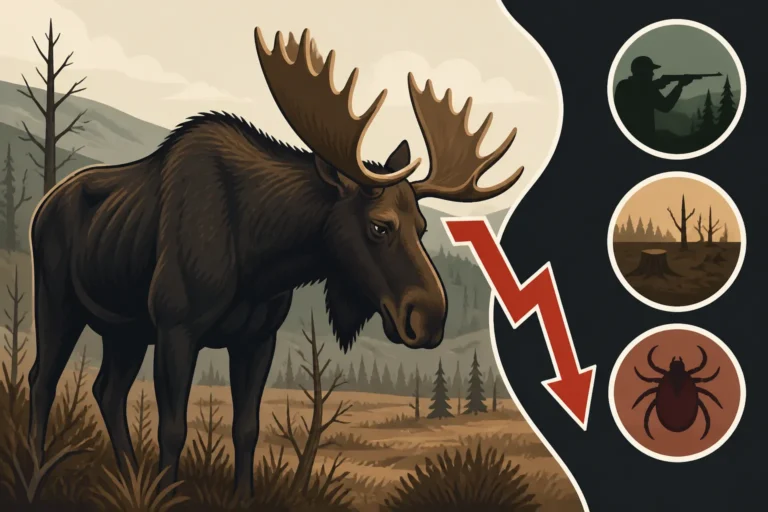
Duck Mountain moose population decline stems from habitat loss, winter ticks, disease, and human impacts in the Manitoba region.
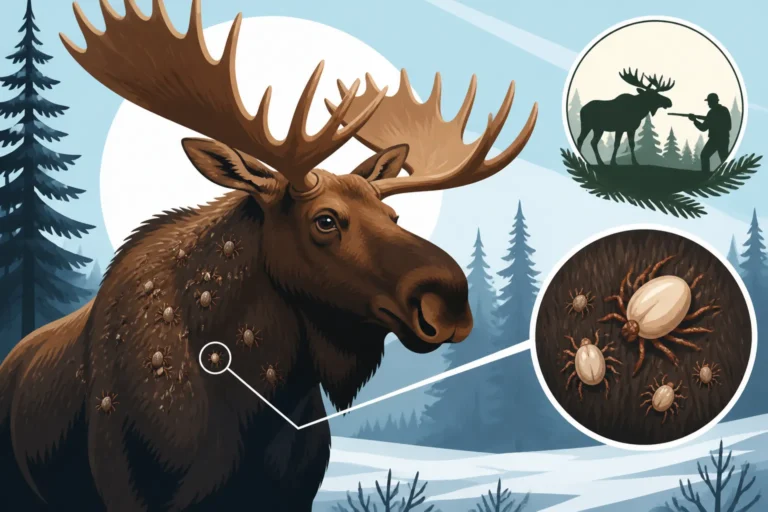
Winter ticks feed on boreal moose in Manitoba by the tens of thousands, causing severe blood loss, anemia, and fatal hypothermia.

Northern Manitoba boreal forests and rich forage areas with natural mineral licks produce the province’s biggest trophy moose bulls.

The seasonal diet of Manitoba moose explains their changing nutritional needs, movements, and behaviors across the year.
Manitoba moose rut timing in mid-October, driven by photoperiod and temperature, reveals peak breeding activity for hunters.
Manitoba bull moose typically weigh between one thousand and fourteen hundred pounds, reaching up to fifteen hundred pounds.