Wolverine in the Northern Bush
Venturing deep into Manitoba's northern bush country can be an awe-inspiring experience, but it also brings you face-to-face with the province's wildest and most elusive inhabitants. Many hunters and trappers dream of catching a glimpse of a wolverine, an animal shrouded in mystery and legend, but few ever do. This guide will peel back some of that mystique, helping you understand where these incredible creatures live, what signs they leave behind, and what to expect (or not expect) if you're lucky enough to cross paths with one in Manitoba's vast northern wilderness.
The Elusive Phantom of the Northern Forest: Wolverine Characteristics
When we talk about wolverines, we're discussing one of Manitoba's most fascinating yet rarely seen mammals. These aren't your everyday critters; they are built for survival in some of the harshest environments on earth, and their presence in the northern bush is a true testament to the wildness of our province. Many people confuse them with badgers or even small bears due to their stocky build and dark fur, but a wolverine is truly unique. They have a distinctive appearance, a powerful stride, and a reputation that precedes them.
What Makes a Wolverine Unique
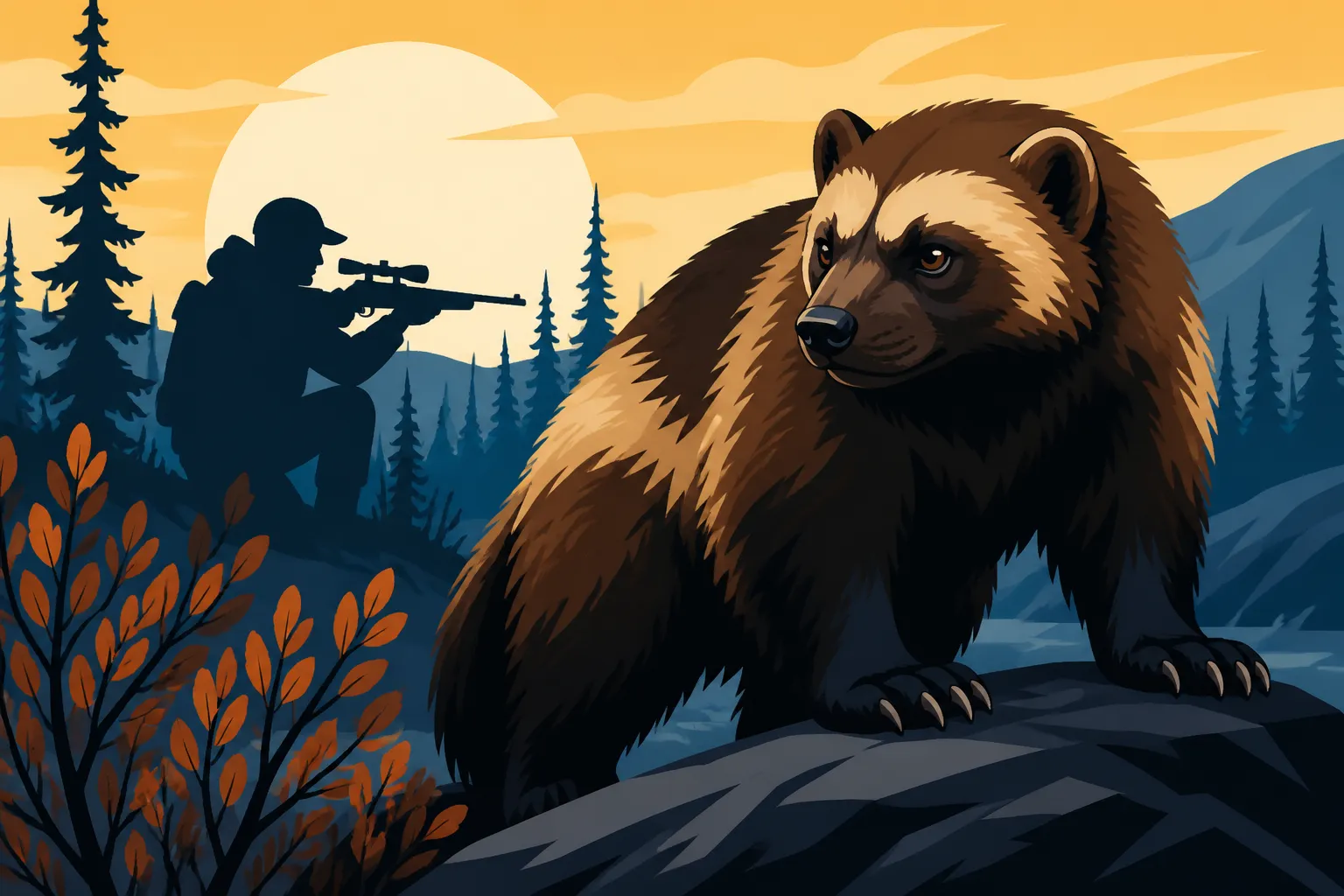
Wolverines (Gulo gulo) are the largest terrestrial member of the weasel family, Mustelidae. Think of a super-sized, incredibly robust version of a fisher or a marten, but with an attitude to match its formidable strength. They typically sport dark brown fur with a distinctive broad, light-coloured stripe (often a yellowish-brown or tan) running from the shoulders along their sides, meeting at the tail. This "mask" gives them a somewhat ominous, yet striking, appearance. Their stocky, muscular build is deceptive; they are remarkably agile and capable of feats of strength that belie their size. A fully grown wolverine might weigh anywhere from 20 to 50 pounds, with males generally being larger than females, but they can bring down prey much larger than themselves. Their large paws with semi-retractable claws act like snowshoes, allowing them to traverse deep snow with relative ease, a crucial adaptation for their northern habitat.
Their jaws are incredibly powerful, capable of crushing bone and tearing through frozen meat, which is essential for surviving the lean times in the boreal forest. They possess specialized teeth for shearing flesh, a clear indicator of their carnivorous diet. Beyond their physical prowess, wolverines are also incredibly intelligent and adaptable. They are known for their strong will and fearlessness, qualities that have cemented their legendary status among northern inhabitants. It’s no wonder they evoke such awe and respect from those who understand the challenges of their existence.
Where to Expect Them (and Why It's Rare)
In Manitoba, wolverines are primarily found in the far northern reaches, deep within the boreal forest and extending into the forest-tundra transition zone. This means vast tracts of wilderness, characterized by dense conifer stands, extensive muskegs, scattered lakes, and rocky outcrops of the Canadian Shield. These are areas with minimal human disturbance, plenty of space for large territories, and a healthy prey base, even if it's spread out. You're most likely to find them north of the settled agricultural zones, venturing into remote GHAs where the landscape truly defines "wild." Manitoba's Northern Boreal offers the kind of rugged terrain and isolation these animals need to thrive.
The reason they are so rarely seen, even by seasoned woodsmen, boils down to a few key factors. First, their population densities are naturally very low; they require immense territories to find enough food, meaning there just aren't many of them per square mile. Second, they are incredibly shy and reclusive, masters of stealth and evasion. They actively avoid human contact and possess an uncanny ability to vanish into the landscape long before you'd ever know they were there. Their nocturnal habits also contribute to their elusive nature, as much of their activity occurs under the cover of darkness. Don't expect to just stumble upon one while out for a stroll; a wolverine encounter is a true privilege, a rare stroke of luck that speaks volumes about the remoteness of your location. For those truly exploring the far northern reaches, utilizing a robust mapping application for navigation is absolutely critical, even if you're not tracking wolverines specifically.
Understanding Wolverine Behavior and Signs
While actually seeing a wolverine is akin to winning the wildlife lottery, understanding their behavior and the signs they leave behind can enhance your appreciation for these incredible animals and even help you identify their presence in a given area. They are constantly on the move, covering vast distances in their daily search for food, making them true endurance athletes of the north. Their habits are largely dictated by the availability of prey and the harsh realities of their environment.
Diet and Hunting Habits
Wolverines are opportunistic carnivores, and their diet is incredibly varied, reflecting their adaptability. They are not picky eaters when it comes to survival in the north. They'll readily scavenge carrion, especially large ungulate carcasses left by wolves, other predators, or even winter kill. This ability to exploit carrion is critical, particularly during the harsh winter months when live prey is scarce and covered by deep snow. Their powerful jaws and robust teeth allow them to break through frozen hides and bones, accessing nutrients that other scavengers might miss. This scavenging often brings them into contact with Wolves in Manitoba's North.
Beyond scavenging, wolverines are also formidable hunters. They prey on a range of smaller mammals like snowshoe hares, porcupines, squirrels, and various rodents. They're known to raid traplines for animals caught in snares or traps, showcasing their intelligence and resourcefulness. They can also take down larger animals like deer or caribou, especially if the prey is young, old, injured, or bogged down in deep snow. They often use their endurance and strength to run down prey in deep snow, where their large paws give them an advantage. When food is plentiful, they'll cache it for later, burying it in snow or under debris, a smart strategy for ensuring survival through lean periods. This resourceful hunting and scavenging is what allows them to maintain their vast territories and survive where other predators might struggle.
Tracks, Scat, and Other Clues
Since direct sightings are so rare, keen observers in the northern bush rely heavily on indirect signs to confirm the presence of wolverines. Their tracks are perhaps the most common indicator. Wolverine tracks are distinctive: large, with five toes (though the fifth toe often doesn't register clearly), showing strong claw marks. Their gait is typically a bounding trot, leaving a characteristic pattern in the snow or soft ground. The print itself can be quite broad, especially the front paws, and larger than you might expect for an animal of their body size, sometimes resembling a small bear cub's print, but with clear claw marks and a more defined toe spread. You might also confuse their tracks with those of a large fisher, but wolverine prints are generally much bulkier.
Their scat, or droppings, can also provide clues. Wolverine scat is often rope-like and contains hair, bone fragments, and other undigested remains of their meals. It will often be found along trails, ridges, or at kill sites. Another sign of their presence might be evidence of their powerful digging. Wolverines are excellent diggers and will excavate dens, raid caches, or even dig under snow to access carrion. Look for disturbed earth or snow, often with associated tracks. They also possess powerful scent glands and will mark their territories with scent, though this is not something humans are likely to detect without specialized training or equipment. Knowing what to look for can turn a walk in the remote bush into a detective mission. When exploring areas with Hunting a Boreal Muskeg Edge or Hunting a Hydro Line Right-of-Way, keep an eye out for these subtle indicators.
What to Do If You Encounter a Wolverine in the Bush
Let's be clear: an actual encounter with a wolverine in the wild is incredibly rare. If it happens, consider yourself exceptionally fortunate. These animals are shy and prefer to avoid humans. However, their reputation for ferocity isn't entirely unfounded; they are powerful animals that command respect. Understanding how to react can help ensure both your safety and the animal's.
Respecting Their Space
Should you be one of the very few to actually see a wolverine, the first and most important rule is to maintain a respectful distance. Do not approach it, no matter how curious you might be. Wolverines are intensely focused on survival and will fiercely defend themselves, their territory, or a food cache if they feel threatened. They are not animals to be trifled with. Their "ferocity" is often a display of extreme confidence and self-preservation. They'd rather fight than flee, especially if cornered or protecting young.
If a wolverine is aware of your presence, it will likely observe you for a moment before disappearing into the dense cover. If it doesn't immediately flee, remain calm. Avoid making direct eye contact, which can be perceived as a challenge. Do not make sudden movements or loud noises that could startle or provoke it. The best course of action is typically to slowly and calmly back away, giving the animal ample space to move off. Make sure it has an escape route. Remember, you are in their home, and respecting their wildness is paramount. This isn't an animal you want to try to photograph up close with your cell phone; cherish the distant glimpse you might get.
Reporting Sightings (and Why It Matters)
Given their rarity, any confirmed sighting of a wolverine in Manitoba is valuable information for wildlife management and conservation efforts. While you might not be hunting them, documenting their presence helps biologists understand their distribution, population health, and habitat needs. There are very few opportunities to study these animals in their natural habitat, so every data point counts.
If you are lucky enough to spot a wolverine, make a mental note of the date, time, and precise location (GPS coordinates if possible). Note any details about the animal itself – its size, color, what it was doing, and how it reacted to your presence. Then, report your sighting to Manitoba's provincial wildlife authorities. This information contributes to a broader understanding of wolverine populations, which are often difficult and expensive to survey scientifically. Your observation, however brief, can be a small but significant piece of the puzzle in ensuring the long-term health of this iconic northern species. Even in modern times, with mapping tools that pinpoint exact locations, like GoHunt's detailed satellite imagery for Manitoba's Game Hunting Areas, documenting wildlife encounters in remote areas remains a critical contribution from hunters and outdoor enthusiasts.
Wolverine's Role in the Northern Ecosystem
Wolverines are much more than just reclusive carnivores; they play a vital, if often overlooked, role in the health and balance of Manitoba's northern ecosystems. As apex predators and scavengers, they help regulate prey populations and clean up carrion, contributing to the overall functioning of the food web. Their very presence is an indicator of a healthy, intact wilderness.
Impact on Prey Species and Scavenging
While wolverines are certainly capable hunters, their primary impact on prey populations is often underestimated compared to larger predators like wolves or bears. They are more generalist in their hunting approach, often targeting the weak, the old, or the opportunistically available. Their real ecological niche often shines through their scavenging prowess. By consuming carrion, especially the remains of large ungulates like moose or caribou, wolverines help cycle nutrients back into the ecosystem, preventing the spread of disease and reducing potential attractants for other scavengers. They are incredibly efficient at consuming an entire carcass, bone and all, leaving very little to waste.
Their tenacity and strength allow them to dominate kill sites, even in the presence of much larger animals, though they typically avoid direct confrontation when possible. This ability to access and utilize a wide range of food sources, from small rodents to large carcasses, is a key reason for their success in a challenging environment. They are essentially nature's clean-up crew, ensuring that nothing goes to waste in the unforgiving northern bush. Understanding their contribution helps us appreciate the intricate web of life in the boreal forest.
Conservation Status and Challenges
Globally, wolverine populations are relatively stable but are considered sensitive due to their low population densities and specific habitat requirements. In Manitoba, they are generally found in areas with vast, undisturbed wilderness. However, like many large carnivores, wolverines face a number of challenges, even in remote areas. Habitat fragmentation, primarily from industrial activities such as logging, mining, and road development, can shrink their large territories and isolate populations. While GoHunt might help you navigate through established forestry roads, increasing access can inadvertently impact species that thrive on isolation.
Climate change also poses a potential long-term threat. Wolverines rely on deep, persistent snowpack for denning sites, which are critical for raising their young. A warming climate could reduce the availability of these crucial denning habitats. Historically, trapping also impacted populations, but modern management practices have generally sought to ensure sustainable harvest where it occurs. Conservation efforts often focus on protecting large, contiguous blocks of northern wilderness, maintaining connectivity between habitats, and conducting research to better understand their ecology. Protecting these elusive animals means protecting the wild spaces they call home, which ultimately benefits a host of other Manitoba's Northern Species Hunters Rarely See that share their habitat.
| Characteristic | Wolverine | Fisher | Badger | Small Black Bear (cub) |
|---|---|---|---|---|
| Size/Weight | 20-50 lbs, stocky, low to ground | 5-15 lbs, long, slender, agile | 15-30 lbs, flat, wide body, powerful front | 30-100 lbs+, higher off ground, rounder |
| Colour Pattern | Dark brown with tan stripe along sides | Dark brown/black, lighter face | Grey/brown body, white stripe face, dark legs | Black, sometimes brown/cinnamon, no stripes |
| Tail | Bushy, medium length | Long, bushy, conical | Short, stubby | Very short, almost non-existent |
| Movement | Powerful, bounding trot, covers distance | Quick, fluid, climbs well | Digs, slow lumbering walk | Ambling walk, can run quickly |
| Footprints | Large, 5 toes (4 often clear), strong claws | Smaller, 5 toes, sharper claws, plantigrade | 5 long claws (front), 5 shorter (back) | 5 toes, short claws, plantigrade, rounder |
| Habitat in MB | Far northern boreal forest, tundra edge | Boreal forest, mixed wood | Southern prairie, open grasslands | Boreal forest, mixed woods, parkland |
| Threat Level | Will defend fiercely if threatened | Can be aggressive if cornered | Aggressive if threatened | Can be dangerous if cubs are present |
Disclaimer
This article is for general informational purposes only and does not constitute professional advice. Laws, prices and regulations vary by location and change over time. Consult a qualified professional for guidance on your specific situation.