What a Mature Bull Elk Weighs
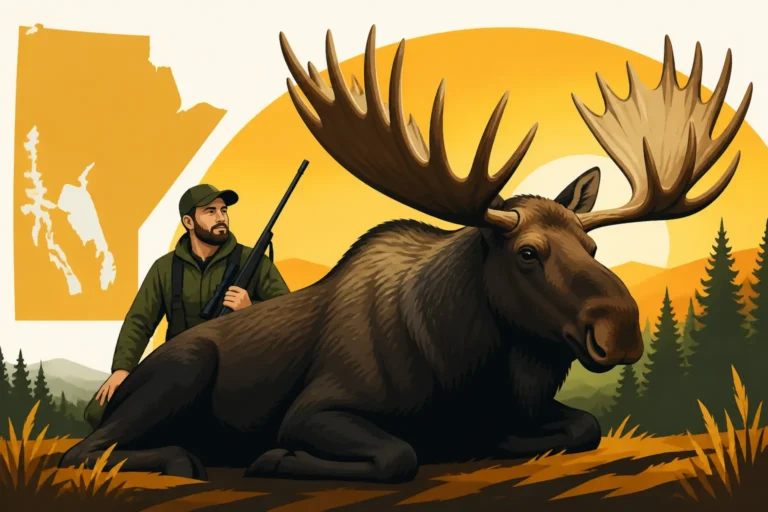
You're out there, glassing a distant bluff, and suddenly, a massive shadow detaches from the treeline. It's a bull elk, majestic and imposing, but how big is he really? Beyond the impressive rack, many hunters often wonder about the sheer physical mass of these magnificent animals, especially when planning for the recovery and processing. This guide is here to unravel the mystery of what a mature bull elk in Manitoba truly weighs, offering insights into their size, the factors that influence it, and practical tips for estimating weight in the field.
Understanding Elk Size and Weight in Manitoba
Manitoba's elk herds, particularly those thriving in areas like the Duck Mountain and Riding Mountain regions, are known for producing some seriously impressive animals. Unlike their smaller cousins, the deer, elk are giants of the North American cervid world. A mature bull elk is a formidable creature, and their weight can be quite significant, impacting everything from how you hunt them to how you get them out of the bush.
Manitoba's diverse landscapes, from dense boreal forests to rich agricultural fringes, provide excellent habitat that supports healthy elk populations. The availability of quality forage, especially during crucial growth periods, directly contributes to the robust size and weight of these bulls. It's not just about the antlers; it's about the entire animal. If you're looking to understand more about these incredible animals, our comprehensive guide on Elk in Manitoba's Parkland and Mountains delves into their specific ranges and habits.
The Typical Range for a Mature Bull Elk
When we talk about a "mature" bull elk in Manitoba, we're generally looking at animals that are at least 4.5 to 5.5 years old, though some can continue to pack on weight and antler mass for several more years. These are the bulls that have survived several winters, learned the ropes, and are typically at their prime physically. Their skeletal structure is fully developed, and they're carrying significant muscle and fat reserves, especially heading into the rut and winter.
A good, mature bull elk in Manitoba can easily weigh between 600 to 800 pounds live weight. Some truly exceptional individuals, those big old brutes that have had access to prime nutrition and avoided predation and hunter pressure, can push the scales even further, potentially reaching upwards of 900 pounds or more. It's important to remember that these are live weights. Once you factor in field dressing, the weight you're actually dealing with on the ground will be substantially less, but still incredibly heavy.
Factors Influencing a Bull's Weight
Several factors play a critical role in determining just how heavy a bull elk will get. It's not simply a matter of age; it's a complex interplay of genetics, nutrition, habitat, and even the stress levels throughout their life.
- Age and Genetics: While a bull needs to reach maturity to hit its peak weight, genetics lay the groundwork. Some elk bloodlines are simply predisposed to larger body sizes. A young bull, even one with good genetics, won't typically carry the same mass as a 6-year-old bull in his prime. Understanding their lifecycle and growth patterns is key to appreciating their potential.
- Nutrition and Habitat Quality: This is arguably the biggest external factor. Elk in areas with abundant, high-quality forage throughout the year will consistently be heavier and healthier. Think about the rich agricultural lands adjacent to timber blocks, or lush forest clearings providing diverse browse. Areas with consistent water sources and less competition for food contribute significantly to heavier animals. When they face a severe winter or a prolonged drought, their body condition can suffer, impacting their weight for the following year. Learning about What Moose Eat Through the Year can give you an idea of the types of forage that support large cervids, as there's some overlap with elk.
- Seasonal Fluctuations: Elk, like all cervids, experience significant weight fluctuations throughout the year. Bulls are at their heaviest just before the rut (mating season) in late summer and early fall. During the rut, they expend an enormous amount of energy chasing cows, fighting other bulls, and rarely eating. It's not uncommon for a bull to lose 100-200 pounds or more during this intense period. By late winter, after facing deep snow and scarce food, their weight will be at its lowest point.
- Health and Stress: Disease, parasites, or injuries can all negatively impact an elk's ability to forage, store fat, and maintain body mass. A bull constantly harassed by predators or under high stress from overpopulation might also not reach its full weight potential.
Estimating Weight in the Field: What to Look For
Judging the weight of a bull elk in the field is a skill that comes with experience, but there are definitely some key indicators you can look for. It's not just about the size of the antlers, though that often correlates with a mature, heavy-bodied animal. Being able to make an educated guess about an animal's weight is crucial for logistical planning, especially when you're deep in the bush in Manitoba.
When you're out there, scouting a Manitoba Game Hunting Area or actually on the hunt, take the time to really observe the animals you see. Don't just focus on the rack; look at the entire animal's build. This practice will not only help you in the field but also enhance your overall understanding of elk biology and behaviour.
Body Mass Indicators Beyond Antlers
While impressive antlers are often the visual cue that draws our eyes, a bull's body tells the real story of its weight and maturity.
- Deep Chest and Brisket: A truly mature, heavy bull will have a very deep chest, often appearing "barrel-chested." The brisket (the area between the front legs and under the chest) will hang low and be well-developed, indicating substantial muscle and fat. Younger bulls, even those with decent racks, often have a more slender, athletic build here.
- Thick Neck and Shoulders: Leading up to and during the rut, a bull's neck will swell considerably due, in part, to hormonal changes and increased musculature from fighting and bugling. Look for a thick, robust neck that blends seamlessly into powerful shoulders. This is a tell-tale sign of a mature, heavy animal. After the rut, this swelling will subside, but the underlying musculature will still be evident.
- Heavy Rear Quarters: The hindquarters are where a significant portion of the animal's meat and mass reside. A heavy bull will have thick, well-muscled rear quarters that appear full and rounded. Avoid confusing this with a swollen belly, which can be due to a full rumen after feeding, rather than overall body mass.
- Sagging Belly Line: In older, mature bulls, you'll often see a slight "sag" in the belly line. This isn't just about food; it's a characteristic of their age and accumulated body mass. Younger bulls tend to have a tighter, more athletic tuck in their belly.
- Overall Proportions: Step back and look at the animal as a whole. Does he look "blocky" and powerful? Or more streamlined and agile? A mature, heavy bull will appear substantial and solid. This holistic view is critical when you're trying to quickly judge an animal's size.
Field Dressing and Carcass Weight vs. Live Weight
So, you've successfully harvested your bull. Congratulations! Now comes the real work, and understanding the difference between live weight and field dressed weight is essential for planning. Live weight is what the animal weighs when it's alive and intact. Field dressed weight, also known as "gutted weight," is the weight of the animal after the internal organs (stomach, intestines, heart, lungs, liver, etc.) have been removed.
On average, field dressing an elk will remove about 25-35% of its live weight. This can vary depending on how much the animal had eaten recently. For a bull that weighed 750 pounds live, you might be looking at a field dressed weight in the range of 485 to 560 pounds. That's still a substantial amount of weight to handle! After field dressing, you're primarily left with bone, muscle, and hide. Most hunters will then quarter the animal for easier transport, which further reduces the individual pieces' weight. Knowing how to efficiently quarter an animal in the field is a skill every big game hunter should possess, especially for large animals like elk and moose. Consider reading up on Quartering a Moose Alone in the Bush for tips that can be applied to elk.
Here's a quick reference table to illustrate the difference:
| Elk Age/Size Class | Estimated Live Weight (lbs) | Estimated Field Dressed Weight (lbs) | Notes |
|---|---|---|---|
| Yearling Bull | 400 – 550 | 260 – 360 | Still growing, more slender build |
| Young Bull (2.5-3.5 yrs) | 550 – 650 | 360 – 420 | Developing, but not fully mature |
| Mature Bull (4.5-7.5 yrs) | 600 – 800 | 390 – 520 | Prime body mass, robust build |
| Exceptional Bull (>7.5 yrs) | 800 – 900+ | 520 – 600+ | Large, heavy-boned, potentially old |
Note: These are estimates. Individual animals can vary widely based on health, nutrition, and genetics.
Why Knowing the Weight Matters for Hunters
Beyond satisfying a hunter's curiosity, having a good understanding of a bull elk's weight is incredibly practical. It's not just about the bragging rights of a heavy animal; it's about preparation, safety, and making sure you can properly care for your hard-earned harvest. Manitoba's elk country can be rugged, and underestimating the physical demands of recovery can quickly turn a successful hunt into a real challenge.
From ensuring you have the right gear to properly caring for the meat, weight knowledge is power. It informs your decisions from the moment you consider taking a shot to the moment the meat is in your freezer.
Logistics: Getting Your Bull Out of the Bush
Let's be real: getting a 500-pound field-dressed animal out of the bush is no small feat. This isn't like dragging a whitetail deer. This is where knowing the estimated weight becomes crucial for your recovery plan.
- Manpower and Equipment: Are you hunting alone, or do you have a few strong buddies with you? For a large bull, even with quartering, you'll need multiple trips or a team of people. Consider investing in a good game cart, a sled for winter hunts, or even packing frames. In some remote areas, the only way to get a bull out might be by utilizing an ATV or side-by-side on approved trails, or even a horse pack string. Our article on Getting a Moose Out With a Quad offers excellent advice on heavy animal extraction using vehicles, much of which applies to elk.
- Distance and Terrain: The further you are from a road or trail, and the tougher the terrain (swamps, hills, thick bush), the more challenging the extraction becomes. A 700-pound bull will feel like 1000 pounds when you're dragging it uphill through thick cover. Always have a plan B, and maybe even a plan C, for recovery.
- Time of Day and Weather: A heavy animal takes time to process and extract. If you shoot a bull late in the day, you might be working well into the night. Cold weather is your friend for meat preservation, but it can make field dressing and handling cold meat more uncomfortable. Conversely, warm weather demands speed to prevent spoilage. Being prepared for varying conditions is essential for Meat Care in Manitoba's Cold Snaps or warmer conditions.
Meat Yield and Processing Expectations
One of the primary motivations for many hunters, beyond the thrill of the chase, is the high-quality table fare that elk provides. Knowing the live weight and field-dressed weight helps you set realistic expectations for your meat yield and plan your processing.
- Meat Yield: While a 750-pound bull might field dress at around 500 pounds, not all of that is edible meat. Once you remove bone, trim fat, and account for minor losses, you can expect to get roughly 40-60% of the field-dressed weight in boneless, packaged meat. So, that 500-pound field-dressed bull might yield anywhere from 200 to 300 pounds of delicious elk meat. That's a freezer full!
- Butcher or DIY: If you're planning to take your elk to a professional butcher, knowing the approximate weight helps them give you a more accurate quote. If you're doing it yourself, you'll need enough space, the right tools, and plenty of time. Processing an entire elk can be a multi-day affair for one person.
- Storage Space: A couple hundred pounds of meat takes up a lot of freezer space! Make sure you have adequate freezer capacity before you head out. There's nothing worse than a successful hunt followed by a scramble for storage.
Hunting a mature bull elk in Manitoba is an incredible experience, offering both a challenging pursuit and a significant reward. By understanding their potential weight and what it means for your hunt, you'll be better prepared for every step, from the moment you spot him to the moment you're enjoying a fantastic elk steak back home. It's all part of the adventure!
Disclaimer
This article is for general informational purposes only and does not constitute professional advice. Laws, prices and regulations vary by location and change over time. Consult a qualified professional for guidance on your specific situation.