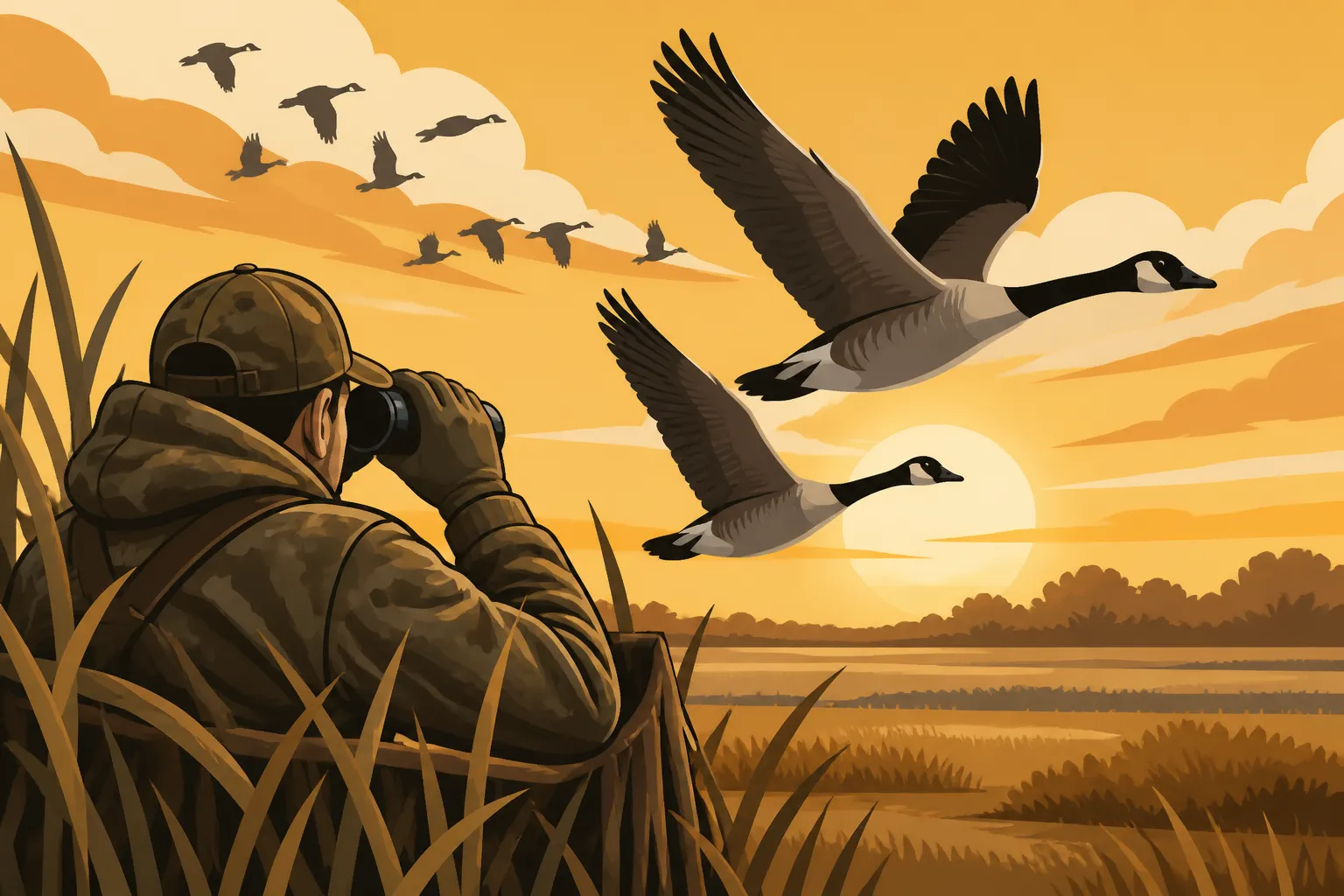
Geese That Stage in Manitoba
For any waterfowl hunter in Manitoba, few things are as awe-inspiring, and frankly, as perplexing, as the sheer number of geese that descend upon our province each fall. It can feel overwhelming trying to figure out which flocks are just passing through, which are sticking around, and where on earth to find them when they do. This guide aims to demystify the incredible phenomenon of goose staging in Manitoba, helping you understand the species you'll encounter, their patterns, and how to successfully hunt them.
The Unmatched Migration Magnet: Why Manitoba is a Goose Hub
It’s no secret that Manitoba is a hunter's paradise, but for waterfowl, it's nothing short of a five-star resort along the avian superhighway. We're talking millions of birds passing through, often resting and feeding here for extended periods. This isn't by accident; it's a combination of geography and incredible habitat that makes our province such a critical staging area for geese.
The Central Flyway Advantage: A Bottleneck of Birds
Manitoba sits squarely within the Central Flyway, one of North America's four major migratory routes. Think of it like a massive highway system, and our province is a bustling truck stop at a crucial junction. Birds from the high arctic and northern boreal forests converge here, finding the perfect conditions to refuel before their long journey south. The sheer funneling effect means that at peak times, the sky can literally be darkened by thousands upon thousands of geese moving overhead. It's a spectacle that never gets old, and it also means incredible hunting opportunities if you know where to be. The volume of birds moving through here is staggering, and it's this natural bottleneck that brings so many species of geese right into our hunting grounds.
This geographical placement means that hunters in Manitoba get access to birds that have summered across a massive range, from the tundra to the vast wilderness north of us. They arrive here fat and healthy, seeking the bounty our agricultural lands and wetlands provide. It's this strategic location that dictates why we see such a diverse and abundant goose population every year. Understanding this flyway dynamic is key to predicting when and where these feathered travelers will appear, and it's a huge part of what makes Waterfowl Hunting Manitoba's Grain Fields such a celebrated experience.
Habitat Abundance: Fueling the Journey
Beyond our prime location, Manitoba offers an unrivaled smorgasbord of habitat that makes it an irresistible pit stop for migrating geese. We have hundreds of thousands of acres of grain fields – wheat, barley, canola, peas, corn – that provide an easily accessible, high-energy food source. These fields are absolutely crucial for birds that need to pack on fat reserves for the thousands of miles ahead. When you combine this with the extensive network of shallow lakes, marshes, and river systems that crisscross the province, you've got perfect conditions for both feeding and roosting.
These diverse habitats are what allow such vast numbers of geese to stage here without completely depleting resources. The birds can switch between feeding in a stubble field during the day and resting safely on a large body of water or a secluded marsh at night. This abundance and variety mean that geese can stay in Manitoba for weeks, sometimes even months, depending on the weather and food availability, offering prolonged hunting seasons and multiple opportunities for hunters. It's this incredible ecosystem that truly sets Manitoba apart as a premier destination for goose hunting, ensuring that there are always new flocks arriving to take advantage of the bounty.
Knowing Your Quarry: Identifying Manitoba's Staging Geese
When you're out in the field, it's not just about "geese"; it's about which geese. Different species have different habits, calls, and even preferences for decoys and field setups. Knowing who you're looking at will make you a much more effective hunter, helping you adapt your strategies to what the birds are telling you.
Canada Geese: Familiar Faces and Far Travelers
Canada Geese are perhaps the most recognized goose species, and in Manitoba, we see a mix of resident birds that nest here and migratory flocks that pass through. These are your classic "honkers," known for their distinct V-formation flights and loud, resonant calls. They come in various sizes, from the smaller "Cacklers" to the impressive "Giants" that can be nearly as big as a small dog. Many of our local Canada Geese will simply move to nearby fields for feeding, while the migratory birds will join them, sometimes creating immense super-flocks.
Hunting Canada Geese often involves setting up large, realistic decoy spreads in harvested grain fields, especially barley or pea stubble where they love to feed. Their keen eyesight makes camouflage and proper hide placement critical. You'll often find them working fields early in the morning and again in the late afternoon. Understanding their daily patterns, from roosting on large lakes to feeding in specific fields, is paramount. Many hunters spend countless hours scouting to pinpoint these prime feeding locations.
Snow Geese: The White Tsunami
Oh, the Snow Goose! If you've ever witnessed a "snowstorm" of these birds descending on a field, you know it's an experience unlike any other. Snow Geese migrate in massive numbers, often in flocks numbering in the tens of thousands, sometimes hundreds of thousands. They are typically pure white with black wingtips, though you'll also see the "blue phase" which is a dark grey body with a white head. They are incredibly vocal, creating a cacophony of high-pitched yelps and honks that can be heard for miles. Their sheer numbers mean that Hunting Manitoba's Snow Goose Migration offers an incredible, fast-paced experience, but it also means they can be challenging to fool.
Snow Geese are primarily grazers, preferring to feed on the tender shoots and waste grain in fields. Their metabolism is so high that they need to feed almost constantly, which is why they hit fields with such intensity. Decoying for Snow Geese often requires massive spreads – sometimes hundreds or even thousands of decoys – to appear natural and draw them in. E-callers are also a popular and effective tool, mimicking the roar of a huge feeding flock. They are notoriously wary, however, and will quickly flare if they spot anything out of place. Many hunters find that "GoHunt" satellite imagery can be a real game-changer for scouting the huge areas these birds might utilize, helping to identify large concentrations or promising fields.
Greater White-fronted Geese: The "Specklebellies" and Their Charm
Affectionately known as "Specklebellies" due to the dark barring on their white bellies (which becomes more pronounced with age), Greater White-fronted Geese are a highly prized bird among waterfowl hunters. They have a distinctive, high-pitched "kia-lark" call that is easily distinguishable from Canada Geese. While they don't migrate in the same overwhelming numbers as Snow Geese, they form good-sized flocks and are renowned for their incredible table fare.
Specklebellies are intelligent birds, often approaching decoy spreads cautiously. They prefer grain fields, particularly those with pea or wheat stubble, and often mix with Canada Geese. Decoy spreads for Specklebellies don't need to be as large as for Snow Geese, but realism and natural presentation are key. Their distinctive call is paramount for luring them in, as they often respond enthusiastically. It's truly rewarding to work a flock of Specklebellies, and their discerning nature makes a successful hunt feel like a significant accomplishment.
Ross's Geese and Brant: Less Common, Still Exciting
While not as abundant as Canada, Snow, or White-fronted Geese, Manitoba does see a smaller number of Ross's Geese and, on rare occasions, Brant. Ross's Geese look like miniature Snow Geese, but with a smaller, stubbier bill and a more rounded head. They often travel with Snow Geese, so if you're hunting a large white goose spread, keep an eye out for these smaller counterparts. They offer a unique trophy and are a fun addition to the bag.
Brant, on the other hand, are coastal birds and are far less common inland, but they do occasionally get blown off course and appear in Manitoba. They are smaller than Canada Geese, with a dark head and neck, a small white patch on the side of the neck, and a very dark body. If you happen to encounter a Brant in Manitoba, consider yourself incredibly lucky – it's a rare treat for an inland hunter and always a memorable experience. While not a primary target for most Manitoba goose hunts, knowing these species means you're prepared for any surprise that might fly into your spread.
Timing is Everything: When Geese Grace Manitoba Skies
Manitoba's goose season isn't just one long, continuous event; it's a dynamic progression of arrivals, peaks, and departures. Understanding this timeline is crucial for planning your hunting trips and maximizing your success. The weather plays a huge role, often dictating when birds move and how long they stay.
Early Birds: August and September Arrivals
The first geese to really start staging in Manitoba are often our resident Canada Geese, who begin to gather in larger flocks in late August and early September as their young mature and local birds consolidate. This often coincides with the earliest open seasons for Canada Geese in some areas. Soon after, the initial waves of migratory Canada Geese and some early Snow Geese and Specklebellies will begin to appear, usually in mid-September. These early migrants are often coming from the northern reaches of Manitoba and the high arctic, eager to find the fresh stubble fields.
Hunting in September means dealing with warmer temperatures and often more active insects, but the advantage is that the birds are less pressured and haven't seen as many decoy spreads. They're usually quite eager to hit the abundant, newly harvested fields. It's a fantastic time for hunters who prefer milder weather and want to get an early start on the season. You'll often find these birds in freshly combined pea, barley, or wheat fields. This early window provides unique opportunities before the major pushes begin.
The October Peak: A Symphony of Wings
October, without a doubt, is the undisputed peak of goose migration in Manitoba. This is when the true spectacle unfolds. Wave after wave of Snow Geese, Canada Geese, and Specklebellies pour into the province, sometimes by the hundreds of thousands daily. The combination of cooling temperatures up north and the dwindling food supply there pushes these birds south with incredible urgency. Our vast agricultural landscape, brimming with leftover grain, becomes a crucial feeding ground. You'll see massive V-formations stretching for miles across the sky, and the sound of distant geese becomes a constant soundtrack to the autumn days.
During this period, hunting pressure is often at its highest, but so are the opportunities. Fields that were empty one day can be teeming with birds the next. Hunters need to be diligent in their scouting, as flocks will move from field to field as food sources are depleted. This is the time for big decoy spreads and aggressive calling, trying to stand out in a sky full of competition. For those seeking the ultimate migratory experience, planning a hunt around the Goose Season Dates by Zone in October is absolutely key.
Late Season Lingerers: November's Final Push
As October turns into November, the pace of migration starts to slow, but the hunting isn't over. While many Snow Geese will have already pushed south, large numbers of Canada Geese and Specklebellies will often remain in Manitoba until the bitter cold sets in and snow blankets the ground, making feeding difficult. These late-season birds are often the most wary, having been pressured for weeks, but they are also the most desperate for food. Hunters who brave the colder temperatures can be rewarded with truly memorable hunts.
Late-season hunting often means focusing on corn fields, which provide a reliable food source even after light snowfalls, or finding pockets of exposed stubble. Birds will concentrate in smaller, more defined areas, making scouting even more important. Hunters need to be prepared for harsh weather conditions, including freezing temperatures and strong winds. Sitting in a heated blind or having warm gear is essential. These late-season opportunities can extend well into November, offering a challenging but deeply satisfying end to the waterfowl season, especially for those pursuing the hard-earned trophy honker.
Where the Flocks Gather: Prime Staging Areas in Manitoba
Knowing when the geese are here is only half the battle; knowing where they're going to be is the other, equally critical, piece of the puzzle. Manitoba has several key regions that consistently attract massive numbers of staging geese, each with its own characteristics and hunting opportunities.
The Interlake: A Waterfowl Wonderland
The Interlake region, nestled between Lake Manitoba and Lake Winnipeg, is often considered the heart of Manitoba's waterfowl country. This area is a mosaic of rich agricultural lands, vast cattail marshes, and numerous shallow lakes, creating an ideal environment for staging geese. The combination of abundant food in the fields and safe roosting areas on the water makes it an irresistible draw. This unique landscape explains Why the Interlake Concentrates Birds so effectively, creating some of the best hunting opportunities in the province.
Throughout the fall, fields in the Interlake, particularly around communities like Ashern, Fisher Branch, and Stonewall, will hold massive concentrations of Canada Geese, Snow Geese, and Specklebellies. The marshlands provide critical protection, allowing birds to rest undisturbed before heading out to feed. Hunters in this region often focus on field hunting, but there are also opportunities for pass shooting or hunting over water in designated areas. Access can be a mix of private land (requiring permission) and some Crown Land or Wildlife Management Areas.
Western and Southwestern Farmlands: Stubble Field Havens
Moving west and southwest, Manitoba's extensive farmlands become another critical staging area, especially for Canada Geese and Specklebellies. Regions around Brandon, Neepawa, Dauphin, and the entire Red River Valley offer countless acres of grain production. After harvest, these fields are littered with waste grain, providing an energy-rich buffet for hungry migrants. This area is particularly renowned for its Canada Goose hunting.
The hunting here often revolves around "Field Hunting Geese in Manitoba Stubble]." Hunters will scout religiously, often driving backroads at dawn and dusk to locate feeding flocks. Once a pattern is established, permission from landowners is sought, and then it's a matter of setting up a killer spread and hunkering down. The sheer scale of the agricultural landscape means birds have ample room to spread out, so effective scouting is absolutely paramount. Using tools like "GoHunt" for overlaying satellite imagery with property lines can save you a ton of time and legwork in these vast farming regions.
Remote Northern Staging: Untouched Opportunities
While much of the focus is often on the southern agricultural belt, it’s important not to forget about Manitoba’s northern reaches. As the geese begin their migration from the Arctic, many will make initial staging stops in the vast boreal forest and transition zones before heading further south. These areas are often wilder, more remote, and see significantly less hunting pressure. Large, shallow lakes and river systems, interspersed with patches of agriculture or natural feeding grounds, can hold significant numbers of geese, especially early in the season.
Hunting in these northern areas often requires a more adventurous spirit and potentially greater logistical planning, perhaps even involving fly-in access to truly remote camps. However, the reward can be an incredible experience with less competition and birds that are less wary. The type of geese found here might lean more towards Canada Geese and some earlier migrating Snow Geese. For those seeking a truly unique and challenging hunt away from the crowds, exploring these remote northern staging grounds can be an unforgettable adventure, showcasing a different facet of Moose Hunting Manitoba's Boreal Country.
Strategizing for Success: Hunting Staging Geese
Okay, you've got your licence, you know your species, and you've got a handle on the timing and locations. Now, how do you actually get those birds into range? Hunting staging geese in Manitoba is an art and a science, combining keen observation, smart setup, and effective communication with the birds themselves.
Decoy Deployments for Different Species
The type and size of your decoy spread will largely depend on the species you're targeting. For Canada Geese, realism is often key. A spread of a few dozen full-body or shell decoys, mimicking a small feeding flock, can be highly effective. Place them in family groups, with some sentries standing upright and others in feeding positions. The key is to make it look natural and inviting. Wind direction is also crucial, as geese typically land into the wind, so position your decoys to funnel birds into your shooting zone.
Snow Geese, on the other hand, often require a completely different approach. Their massive flocks demand massive decoy spreads. We're talking hundreds, sometimes thousands, of white rags, wind socks, or silo decoys to create the illusion of a huge feeding frenzy. Movement is also vital for Snow Geese, so incorporating some motion decoys or flagging can draw their attention from a distance. Setting a Goose Spread in Swathed Barley] specifically for Snows involves creating a giant white blob that screams "safe food!" from above. For Specklebellies, a mid-sized spread of realistic full-body decoys, often mixed with a few Canada Goose decoys, can work wonders. They are often more interested in realism than overwhelming numbers.
The Art of the Call: From Honks to Squawks
Calling is arguably one of the most rewarding aspects of goose hunting, and it's absolutely critical for bringing staging birds into range. For Canada Geese, mastering the basic honk, cluck, and moan, as well as the greeting call, will serve you well. It's about sounding like a contented flock and building trust. Don't overcall; let the birds respond, then adjust your calling to mimic their conversation.
Snow Geese require a different vocal strategy. Their calls are high-pitched, chaotic, and loud. E-callers are very popular and effective for Snow Geese, as they can broadcast the sheer volume of a feeding flock that you simply can't achieve with mouth calls alone. If using mouth calls, focus on sharp, rapid yelps and chattering to create that feeding frenzy sound. Specklebellies have a distinct "kia-lark" call, and a good Specklebelly call can be a game-changer. They respond well to realistic calls that mimic their specific vocalizations, often finishing their approach directly into the decoys once convinced. Remember, effective calling is about attracting attention and then reassuring the birds as they get closer.
Smart Scouting and Adaptation
No matter how good your gear or your calling, consistent success goose hunting in Manitoba boils down to one thing: scouting. Geese are creatures of habit, but those habits can change daily based on food availability, weather, and hunting pressure. You need to be out there, putting in the miles, observing flight paths, identifying feeding fields, and watching roosting areas. Don't rely on old information; what was good yesterday might be empty today.
This is where tools like "GoHunt" can really shine, allowing you to visually scout vast areas from your home, identifying potential feeding fields, water bodies, and access points. Combine this digital scouting with boots-on-the-ground reconnaissance. Drive around, look for birds, knock on doors for permission, and observe how birds are reacting to pressure. Be prepared to adapt your plans – if birds aren't working one field, they're certainly somewhere else nearby. Scouting Fields for Manitoba Waterfowl is a continuous process, and the hunters who are most dedicated to it are consistently the most successful. Also, remember that a Federal Migratory Game Bird Permit] is required to hunt these birds, in addition to your provincial license.
| Goose Species | Primary Call Sound | Preferred Habitat | Typical Decoy Strategy | Key Hunting Challenge |
|---|---|---|---|---|
| Canada Goose | Honks, clucks, moans | Grain fields, large waters | Realistic full-body/shell, family groups, some sentries (2-6 doz) | Wary eyesight, realistic calling |
| Snow Goose | High-pitched yelps, chatter | Grain fields, open water | Mass spreads, white rags/windsocks/silos, motion decoys (100s-1000s) | Sheer numbers, wariness, noise |
| Greater White-fronted Goose | "Kia-lark" call | Grain fields, shallow marshes | Realistic full-body/shell, often mixed with Canadas (3-8 doz) | Intelligent, distinct calling needed |
| Ross's Goose | High-pitched squeaks | Grain fields, often with Snows | Typically hunted with Snow Goose spreads | Small size, identifying in large flocks |
| Brant | Rolling "r-r-ronk" | Coastal, occasionally inland | Not typically targeted in Manitoba, rarely seen | Extremely rare inland |
Disclaimer
This article is for general informational purposes only and does not constitute professional advice. Laws, prices and regulations vary by location and change over time. Consult a qualified professional for guidance on your specific situation.