Woodland Caribou and Their Status
It’s a tough pill to swallow when a species you admire and deeply connect with the wild spirit of Manitoba is facing an uphill battle for survival. For those of us who spend our seasons in the bush, the health of our wildlife populations is paramount, and few species highlight this more acutely than the woodland caribou. This guide will walk you through the precarious status of Manitoba’s woodland caribou, why they’re struggling, and what’s being done to protect these iconic symbols of our northern wilderness.
The Quiet Crisis: Understanding Woodland Caribou Status in Manitoba
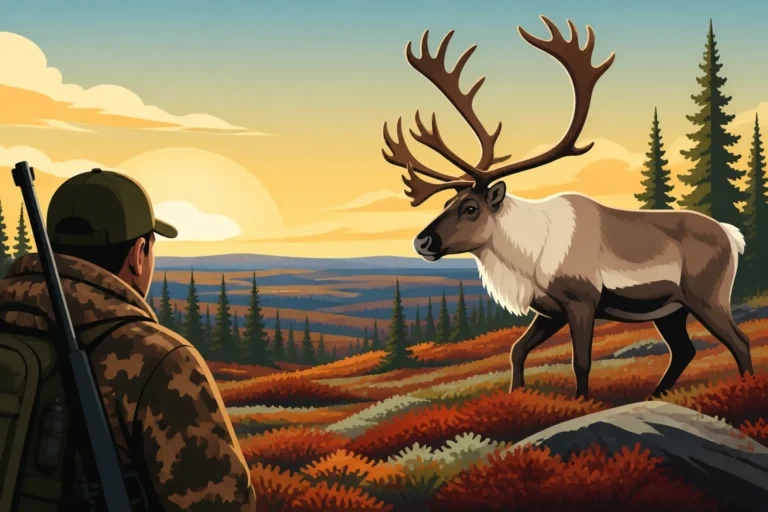
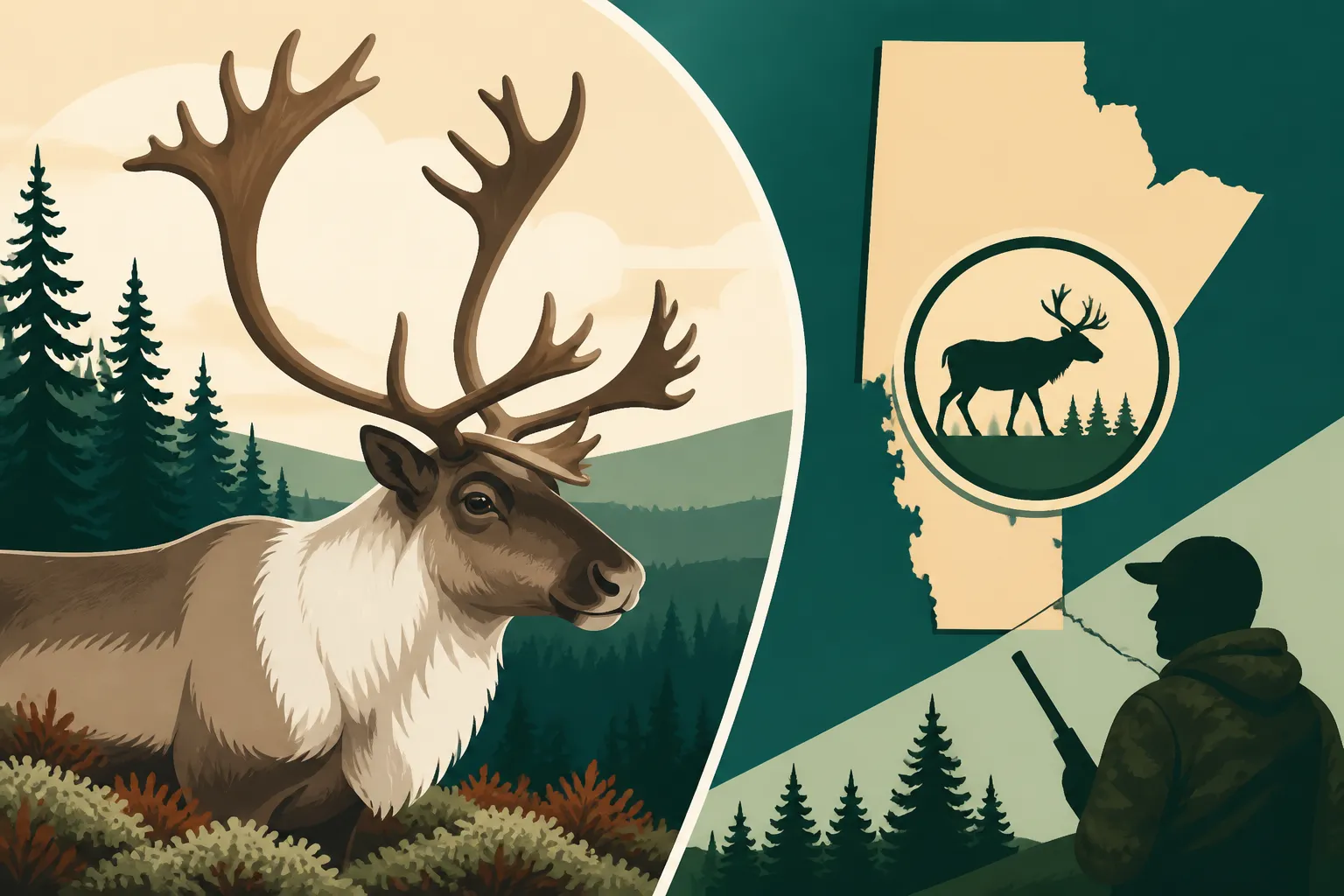
When we think of caribou, many hunters immediately picture the vast herds of barren-ground caribou migrating across the tundra. But Manitoba is also home to a different, more elusive type: the woodland caribou ( Rangifer tarandus caribou ). These aren't the migrating masses of the far north; instead, they are creatures of the deep, undisturbed boreal forest. And sadly, their story in Manitoba, and indeed across much of Canada, is one of decline and serious conservation concern.
For years, those of us who cherish Manitoba's wild spaces have watched with growing unease as their numbers dwindled. Unlike their tundra-dwelling cousins, woodland caribou don't form massive herds. They prefer solitude, scattered across vast tracts of old-growth coniferous forest. This makes them particularly vulnerable to disturbances, and their current status reflects a long history of habitat alteration and other pressures. It’s a stark reminder that even in a province as wild as ours, some species are fighting for every inch.
Provincial and Federal Conservation Status
The conservation status of woodland caribou in Manitoba is a serious matter, reflecting both provincial and federal concern for their future. Federally, they are listed as Threatened under the Species at Risk Act (SARA), which means they are likely to become endangered if nothing is done to reverse the factors threatening them. This listing applies to most populations across Canada, including Manitoba.
Here in Manitoba, the situation is similarly dire. The provincial government recognizes woodland caribou as a species of conservation concern. While specific provincial listings might fluctuate or be refined for different populations (or "ranges" as they are called), the overarching message is clear: these animals are in trouble. This dual recognition means there are legal obligations and management efforts at both levels of government aimed at preventing further declines and, hopefully, fostering recovery. For hunters and outdoor enthusiasts, this translates into strict regulations – most importantly, no hunting season for woodland caribou. It’s a species that needs all the help it can get, and direct pressure from hunting is simply not an option. We are talking about protecting a precious resource, not harvesting it.
The Importance of a Healthy Boreal Ecosystem
To truly understand the plight of woodland caribou, we have to look at their home: the vast, interconnected boreal forest. This isn't just a collection of trees; it's a complex ecosystem that supports an incredible diversity of life, from moose and black bears to countless bird species and, of course, the caribou themselves. Woodland caribou are often considered an "umbrella species," meaning that protecting their habitat indirectly protects many other species that share the same environment.
Their survival is intimately tied to the health of old-growth coniferous forests, particularly those with plenty of lichen, which is a critical winter food source. When this ecosystem is healthy and intact, caribou thrive. When it's fragmented, disturbed, or altered by human activity or natural events like wildfires, their populations suffer. This is why discussions around forestry practices, mining developments, and even climate change are so central to caribou conservation. It's about preserving an entire way of life, not just one animal. Many of us appreciate how intricately linked everything is when we're out scouting, perhaps even using a tool like GoHunt to understand the terrain and wildlife corridors better. It’s impossible to ignore the interconnectedness of a healthy boreal forest.
Defining the Woodland Caribou: What Makes Them Unique?
When we talk about caribou in Manitoba, it's easy to get them mixed up, especially if you're not deeply familiar with the nuances of our northern wildlife. But there's a significant difference between the woodland caribou we're discussing and the more commonly known barren-ground caribou. These differences aren't just academic; they dictate everything from their habitat preferences to their migratory patterns and, critically, their conservation needs. Understanding what makes woodland caribou unique is the first step toward appreciating their struggle and supporting their recovery.
They are truly magnificent creatures, perfectly adapted to their specialized niche in the boreal forest. Unlike some other deer species that might frequent open fields or agricultural fringes, woodland caribou are truly wilderness animals, preferring the dense cover and abundant forage found deep within the northern woods.
Differentiating from Barren-Ground Caribou
Let's clear up some common confusion right away. Many people associate "caribou" with the vast, migrating herds of the Arctic tundra, often featured in nature documentaries. Those are the barren-ground caribou. While they do extend into northern Manitoba, the woodland caribou are a distinct ecotype, often found much further south, within the contiguous boreal forest.
The most striking differences are in their physical characteristics and behavior. Woodland caribou tend to be darker in coloration, often a rich chocolate brown, and are generally larger and stockier than their barren-ground counterparts. Their antlers are also typically broader and more palmate, with unique characteristics that often feature a "shovel" point. Behaviorally, barren-ground caribou undertake epic, long-distance migrations, forming massive herds across open, treeless landscapes. Woodland caribou, on the other hand, are often called "forest caribou" for a reason. They live a more solitary, sedentary life within the forest, moving in much smaller groups and generally not undertaking extensive migrations. Their home is the shelter of the trees, not the open plains.
Here’s a quick comparison to help keep them straight:
| Feature | Woodland Caribou | Barren-Ground Caribou |
|---|---|---|
| Habitat | Dense, mature boreal forest, peatlands | Arctic tundra, open barren lands |
| Herd Size | Small groups, often solitary | Large, migratory herds |
| Migration | Shorter, more localized movements | Long-distance, extensive migrations |
| Appearance | Darker brown, stockier, broad/palmate antlers | Lighter tan/grey, leaner, more slender antlers |
| Primary Diet | Terrestrial and arboreal lichens | Ground lichens, sedges, grasses |
| Conservation | Threatened (Federal & Provincial) | Varies by herd, some declining, some stable |
| Hunting | No hunting season in Manitoba | Huntable in some northern jurisdictions (not Manitoba) |
Habitat and Diet of Woodland Caribou
The choice of habitat for woodland caribou isn't just a preference; it's a survival strategy. They are specialists, intricately linked to old-growth coniferous forests, particularly black spruce and jack pine stands. Why these specific areas? Because these forests provide a steady supply of terrestrial and arboreal lichens – their primary food source, especially during the long, cold Manitoba winters. These slow-growing lichens are highly nutritious and available even when snow covers other vegetation, making them critical for caribou survival.
Beyond food, the dense forest offers crucial protection. It provides thermal cover from harsh weather, minimizes detection by predators like wolves and bears, and offers refuge for calving. They often seek out peatlands, bogs, and islands within larger lakes for calving, leveraging these isolated spots for added security against predators. These areas, particularly the larger, undisturbed tracts of forest, are their sanctuaries. When we talk about protecting Manitoba's Northern Boreal, we are inherently talking about protecting woodland caribou habitat. Their reliance on specific forest types means that any significant disturbance to these areas has a direct, detrimental impact on their ability to find food, shelter, and raise their young.
The Silent Threats: Why Woodland Caribou Are Struggling
The decline of woodland caribou isn't due to a single, easily identifiable problem. Instead, it's a complex web of interconnected factors, often exacerbated by human activity. It’s a classic "death by a thousand cuts" scenario, where each small encroachment or change chips away at their ability to survive and reproduce. For those of us who spend time in the wilderness, understanding these threats helps us grasp the magnitude of the challenge facing these animals. It’s not about pointing fingers, but about recognizing the reality of an evolving landscape and our impact on it.
From the relentless march of industrial development to the subtle shifts brought by climate change, every aspect of their world is under pressure. This is a species that thrives on solitude and stability, and unfortunately, those are two things becoming increasingly scarce in their historic range.
Habitat Loss and Fragmentation
Without a doubt, habitat loss and fragmentation stand as the most significant threats to woodland caribou. Their preference for large, undisturbed tracts of mature boreal forest means they are incredibly sensitive to any changes in their environment. When we talk about "habitat loss," it's not always about outright destruction, but often about fragmentation – breaking up large, continuous forests into smaller, isolated patches.
Industrial activities like forestry, mining, and oil and gas exploration are major contributors to this problem. Logging roads, seismic lines, and transmission corridors slice through the forest, creating linear features that act like highways for predators such as wolves, giving them easier access to caribou ranges. These disturbances also open up the canopy, altering vegetation and reducing the abundance of the slow-growing lichens caribou depend on. Even seemingly small-scale developments accumulate over time, turning once-pristine wilderness into a mosaic of disturbed and isolated pockets. This makes it harder for individual caribou to move between areas safely, find mates, and access sufficient food sources. The continuous push for resource extraction, while economically beneficial, creates significant challenges for these sensitive creatures.
Increased Predation Pressure
Another critical factor in the caribou's decline is increased predation pressure, primarily from wolves. Now, wolves have always been a natural predator of caribou; it’s part of the wild balance. However, human activities can inadvertently tip this balance heavily in the predators' favor. When we create those linear features – roads, seismic lines, cutlines for energy infrastructure – we make it much easier for wolves to travel through what was once dense, impeding terrain. They use these clearings like expressways, allowing them to cover more ground and more easily encounter caribou.
Furthermore, habitat changes can sometimes lead to an increase in other prey species, like moose and white-tailed deer, in caribou ranges. These species benefit from younger forests and disturbed areas. More moose and deer mean more wolves, which then puts even greater pressure on the already vulnerable caribou, who often cannot reproduce fast enough to offset these elevated predation rates. It’s a grim cycle where human-made changes enhance predator access and density, making life incredibly difficult for the caribou. Understanding this complex dynamic is vital when considering conservation strategies, even when hunting other species like Moose Across Manitoba's Boreal Forest.
Climate Change and Other Environmental Factors
While habitat loss and predation are immediate and tangible threats, climate change presents a more insidious, long-term challenge to woodland caribou survival. The boreal forest ecosystem is sensitive to shifts in temperature and precipitation, and these changes can directly impact caribou. Warmer winters, for instance, can lead to more freezing rain, which creates layers of ice on snow. This makes it incredibly difficult for caribou to access their critical lichen food source, as the ice essentially locks it away under a hard crust.
Changes in vegetation patterns, increased frequency and intensity of wildfires, and shifts in insect populations are all potential consequences of a changing climate that can further degrade caribou habitat. Wildfires, while a natural part of the boreal cycle, can become too frequent or severe, destroying large tracts of old-growth forest that can take decades, even centuries, to recover the lichen communities caribou need. On top of this, diseases or parasites, sometimes brought by warmer conditions or interactions with other species moving into their range, could also pose new threats. The combined effect of these environmental shifts adds another layer of complexity to an already fragile situation for our woodland caribou.
Manitoba's Lifeline: Conservation Efforts and Management Strategies
Despite the significant challenges, there is hope. Dedicated individuals, Indigenous communities, government agencies, and conservation organizations are working tirelessly to give Manitoba’s woodland caribou a fighting chance. It’s a monumental undertaking that requires long-term commitment, scientific research, and innovative approaches, but it’s a fight many believe is essential for the health of our boreal ecosystem and for future generations to experience these magnificent animals.
These efforts are multi-faceted, recognizing that there's no single magic bullet for caribou recovery. It involves everything from on-the-ground habitat work to complex policy decisions and fostering a deeper understanding among the public.
Protecting and Restoring Habitat
One of the most critical avenues for caribou conservation revolves around protecting and restoring their vital habitat. This means identifying and safeguarding large, intact blocks of mature boreal forest where caribou populations are still relatively stable. These areas often receive designations that restrict industrial development, ensuring the core caribou range remains undisturbed.
Beyond protection, active restoration is also crucial. This involves efforts to rehabilitate disturbed areas, such as old logging roads and seismic lines, by deactivating them (making them impassable to vehicles) and replanting native vegetation. The goal is to encourage these linear features to naturally revert to forest, reducing predator access and restoring the caribou's preferred dense cover. This work is often long-term and labor-intensive, but vital for repairing the fragmented landscape. Many different groups are involved in these efforts, sometimes even using modern mapping technology to identify priority areas for restoration.
Population Monitoring and Research
You can't manage what you don't measure, and that's precisely why extensive population monitoring and research are cornerstones of caribou conservation. Scientists and conservation managers conduct regular aerial surveys to estimate caribou numbers, track population trends, and map their distribution within specific ranges. This data helps them understand if populations are increasing, decreasing, or remaining stable, and to identify areas of particular concern.
Beyond head counts, research delves into various aspects of caribou ecology, including their diet, movement patterns, reproductive success, and interactions with predators. GPS telemetry collars are often used on a sample of animals to gather detailed information on where they travel, how they use their habitat, and what challenges they face. This scientific understanding is crucial for developing effective management strategies, allowing decisions to be based on robust data rather than guesswork. Knowing Where Manitoba's Moose Are Recovering gives us clues about how other boreal species respond to habitat changes, and caribou research builds on similar principles.
Indigenous Involvement and Co-Management
Indigenous communities have lived alongside woodland caribou for millennia, holding deep traditional knowledge and a profound respect for these animals. Their insights and participation are absolutely essential for effective caribou conservation. Modern conservation approaches increasingly recognize the value of co-management models, where Indigenous communities work hand-in-hand with government agencies to develop and implement recovery strategies.
This partnership often involves combining scientific data with traditional ecological knowledge to create more holistic and culturally appropriate management plans. Indigenous communities are often on the front lines of monitoring caribou health, observing changes in their territories, and advocating for their protection. Their involvement ensures that conservation efforts are not only ecologically sound but also respectful of traditional land uses and cultural values. The principles behind How Shared Management Changed Moose Seasons are very much applicable here, fostering collaboration and mutual respect.
A Hunter's Role: Respecting and Supporting Caribou Conservation
As hunters and outdoor enthusiasts, we have a significant role to play in the conservation of all wildlife, and woodland caribou are no exception. While we cannot directly hunt them in Manitoba, our actions, awareness, and advocacy can make a tangible difference in their struggle for survival. It's about being responsible stewards of the land and understanding that our passion for hunting is deeply intertwined with the health of the broader ecosystem.
Our presence in the bush gives us a unique perspective, and our ethics guide our interactions with the natural world. This extends beyond just the species we pursue to all the wildlife that calls Manitoba home.
No Hunting for Woodland Caribou
This cannot be stressed enough: there is absolutely no hunting season for woodland caribou in Manitoba. These animals are protected provincially and federally due to their precarious status. Any sighting of a caribou should be a moment of awe and respect, not an opportunity to pursue game. It is paramount that every hunter understands this and adheres to it without question.
Accidentally harvesting a caribou could lead to severe penalties, including hefty fines, loss of hunting privileges, and even jail time. It’s also a significant setback for conservation efforts. When you're out in the bush, especially in northern regions where caribou might occasionally overlap with moose or elk habitat, always be sure of your target. Misidentification could have devastating consequences for these already struggling populations. Educating ourselves and others about this crucial regulation is a fundamental responsibility for every ethical hunter. Before heading out, especially to more remote areas, it’s always a good idea to refresh your memory on regulations by Reading a Manitoba GHA Map Before You Go and checking the latest hunting guide.
Being a Responsible Land User
Our responsibility extends beyond simply not hunting caribou; it's about minimizing our impact on their habitat and being a respectful land user in general. When you’re Hunting Manitoba's Northern Boreal, remember that you're in sensitive territory. This means:
- Staying on Designated Trails: Avoid creating new trails or cutting through dense bush, especially with ATVs or other vehicles. These linear features can aid predator access and fragment habitat.
- Practicing Leave No Trace Principles: Pack out everything you pack in. Minimize noise and disturbance. Leave the land as you found it, or better.
- Respecting Remote Areas: Caribou need solitude. If you venture into very remote areas, be especially mindful of your presence and avoid unnecessary disturbance.
- Reporting Sightings: While rare, if you do observe woodland caribou, reporting your sighting (with location and date) to Manitoba Conservation can be valuable for monitoring efforts. Just be sure to do so after your hunt to avoid disturbing the animals.
Many of us use digital tools like GoHunt for scouting and navigation. These tools often have layers that can show protected areas or potential caribou range, making it easier to be a responsible and informed land user. Being aware and proactive helps ensure that our outdoor pursuits don't inadvertently harm these vulnerable populations.
Advocating for Conservation
Finally, one of the most powerful roles hunters can play is advocating for caribou conservation. We are often the eyes and ears of the wilderness, and our voices carry weight. This advocacy can take many forms:
- Support Conservation Organizations: Join or donate to organizations dedicated to caribou and boreal forest conservation. Groups like the Manitoba Wildlife Federation often engage in advocacy for healthy ecosystems which benefits all species.
- Engage in Informed Discussions: Speak up in your local communities, with elected officials, and among fellow hunters about the importance of caribou conservation. Base your arguments on facts and demonstrate a clear understanding of the challenges.
- Promote Sustainable Resource Management: Support policies that balance resource extraction with strong environmental protections, especially concerning critical caribou habitat. This might mean advocating for better forestry practices, responsible mining, or stricter land-use planning.
- Educate Others: Share your knowledge with friends, family, and new hunters. Help dispel misinformation and foster a deeper appreciation for all of Manitoba's wildlife, especially those facing conservation challenges.
By being informed, responsible, and vocal, we can contribute significantly to the long-term survival of woodland caribou, ensuring that these majestic symbols of our northern wilderness continue to roam the boreal forest for generations to come.
Disclaimer
The information provided in this article is for general guidance and informational purposes only. Hunting regulations, species status, and conservation efforts are subject to change. Always consult the most current Manitoba Hunting Guide, relevant provincial and federal legislation, and local authorities before undertaking any hunting or outdoor activities.