How Shared Management Changed Moose Seasons
It's tough when you've planned your moose hunt for months, maybe even years, only to hear whispers or, worse, definitive news that seasons are changing or, in some cases, closing entirely. For many Manitoba hunters, the moose population has always been a cornerstone of our heritage, and seeing access shift can be frustrating and confusing. This guide aims to shed some light on how Manitoba's shared management framework has brought about these changes to moose hunting seasons, helping you understand the rationale and navigate the evolving landscape.
Understanding Shared Management in Manitoba
For decades, wildlife management in Manitoba, like many other jurisdictions, operated largely from a top-down government approach. However, as moose populations faced increasing pressures from disease, habitat loss, and predation, it became clear that a new, more collaborative strategy was needed. This led to the implementation of the shared management framework, a significant shift that reshaped how decisions about our precious wildlife resources, particularly moose, are made.
What is Shared Management?
At its heart, shared management is a collaborative approach to wildlife conservation and harvesting that involves various stakeholders, most notably Indigenous communities, alongside government bodies, conservation groups, and the hunting public. It recognizes that Indigenous peoples have deep, historical connections to the land and its wildlife, along with traditional ecological knowledge that is invaluable for sustainable management. The goal isn't just about setting seasons and limits; it's about fostering a deeper understanding of ecosystem health, sharing responsibilities, and making decisions that reflect a wider range of perspectives and knowledge systems.
This framework acknowledges treaty rights and aims to integrate Indigenous perspectives into policy-making, moving beyond consultation to true partnership. For moose, this has meant forming co-management boards and working groups that bring together diverse voices to assess population health, habitat conditions, and hunting pressures. The conversations around these tables are often complex, balancing cultural traditions, conservation imperatives, and recreational hunting opportunities. It's a proactive measure designed to ensure the long-term health and sustainability of moose populations for future generations, rather than simply reacting to declines after they've become critical.
The Rationale Behind the Policy
The genesis of shared management for moose in Manitoba stems from a stark reality: moose numbers in many areas were in serious decline. This wasn't a single issue, but a complex web of factors contributing to the struggle. Habitat loss due to industrial activity, forestry, and agricultural expansion played a significant role. Increased predation from wolves, particularly in areas where moose were already stressed, also contributed. Perhaps one of the most insidious threats has been disease, specifically winter tick infestations and brainworm, which can decimate moose populations, especially calves. Climate change, leading to warmer winters and increased stress on moose, further compounds these challenges.
Beyond biological factors, there was a growing recognition of the need to reconcile modern wildlife management practices with Indigenous rights and traditional harvesting. Legal challenges and a desire for more equitable and effective conservation led to the push for a framework that acknowledged Indigenous peoples as partners, not just stakeholders. The "Safe Hunting and Shared Management Act" that came into effect was a direct response to these pressures, aiming to address the declining moose populations while also recognizing Indigenous hunting rights and fostering collaboration. It's a fundamental belief that by working together, and by integrating all forms of knowledge – scientific and traditional – we stand a better chance of reversing negative trends and ensuring a thriving moose population for everyone. This policy isn't about taking away hunting opportunities arbitrarily; it's about making tough decisions today for the health of the herd tomorrow.
Direct Impacts on Moose Seasons
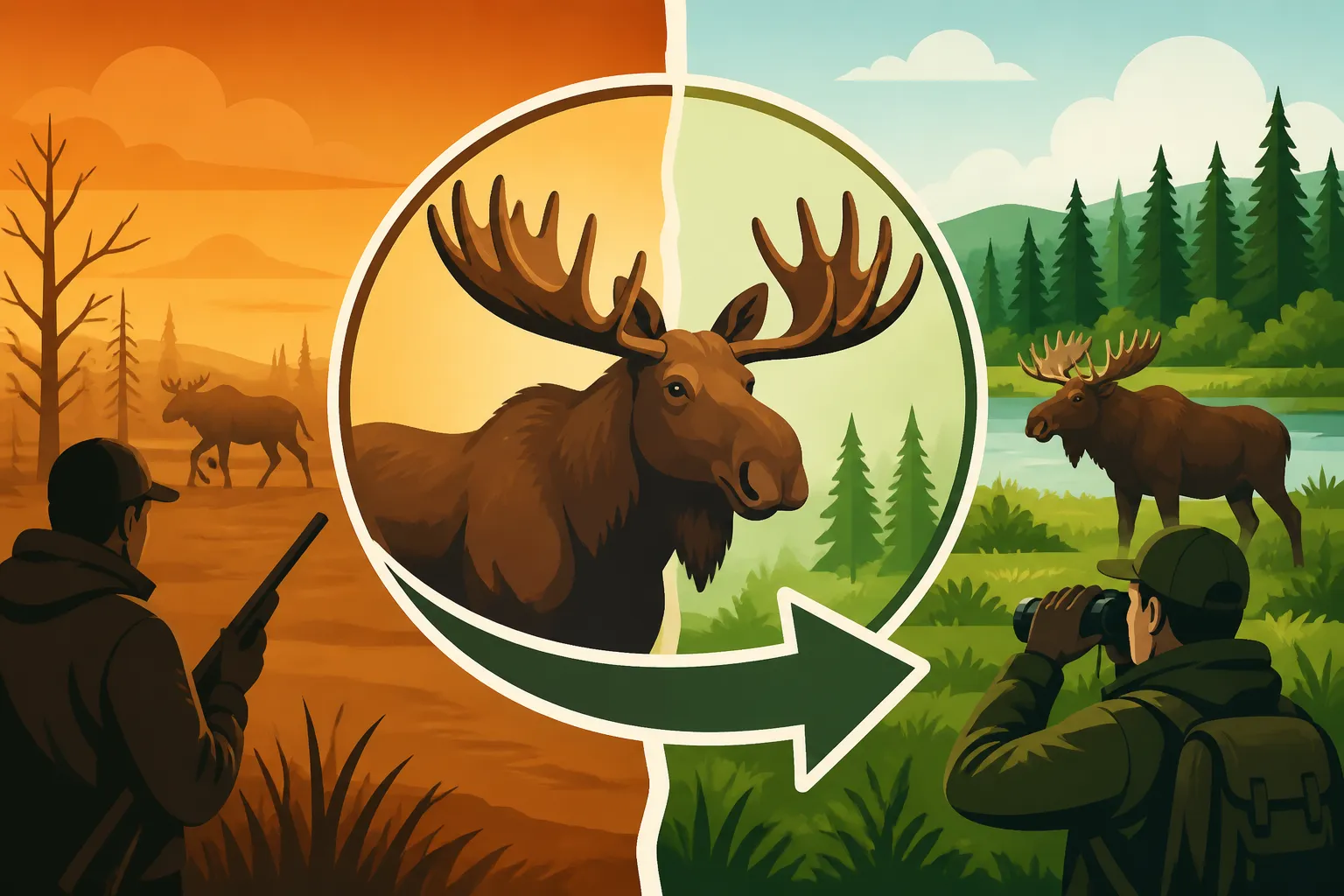
The shift to a shared management model has undeniably led to tangible changes for moose hunters in Manitoba. These aren't minor tweaks; for many, they've meant a complete re-evaluation of where and how they pursue moose. It’s important to understand these impacts to adapt and continue participating responsibly in Manitoba's hunting culture.
Season Closures and Restrictions
One of the most noticeable and impactful changes has been the closure or significant restriction of moose hunting seasons in certain Game Hunting Areas (GHAs). These decisions are not made lightly and are often the result of extensive biological surveys, local knowledge, and collaborative discussions within the shared management framework. The goal is to provide moose populations with a much-needed reprieve, allowing them to recover from various stressors.
A prime example of this is the Duck Mountain Provincial Forest and surrounding GHAs. Years ago, this area was known for its robust moose population, a draw for many hunters. However, due to significant population declines, largely attributed to disease and habitat pressures, the moose hunting season in these GHAs has been completely closed for several years now. You can find detailed information on Manitoba's Moose Conservation Closures which outlines these specific areas. Similarly, other regions have seen seasons shortened, bag limits reduced, or specific weapon types restricted to further reduce pressure on the herd. It’s a bitter pill for many, especially those who grew up hunting these specific spots, but it's a necessary step if we hope to see moose numbers rebound. Regularly checking the official Manitoba hunting guide is crucial, as these closures and restrictions can change based on ongoing population assessments.
Changes for Resident and Non-Resident Hunters
The impact of shared management extends to both resident and non-resident hunters, though often in different ways. For residents, the most direct effect is the loss of hunting opportunities in historically productive areas, necessitating a shift to other GHAs or species. This means more scouting, more research, and potentially longer travel distances to find open seasons. The pressure on the remaining open GHAs can also increase, making for a more competitive hunting experience. While residents still have access to a wider range of options, the choices for moose have certainly become more limited than in the past.
Non-resident hunters face even stricter regulations under the shared management model. In Manitoba, foreign residents (those from outside Canada) are often required to hunt with a licensed outfitter or guide for certain species, including moose. This isn't entirely new, but with fewer available tags and a greater focus on conservation, the cost and availability of these guided hunts can be significantly affected. When moose populations decline, the number of tags allocated to outfitters also often decreases, making it harder for non-residents to secure a spot. Canadian non-residents, who traditionally had more flexibility, also see their options shrink alongside residents as open GHAs become scarcer. The overall message is clear: if you’re a non-resident looking to hunt moose in Manitoba, planning well in advance and understanding Rules for Non-Residents Hunting Manitoba is more critical than ever.
Draw System Adjustments
With reduced moose populations and a greater emphasis on conservation, the draw system for moose tags has also seen significant adjustments. For many GHAs that still offer moose hunting, the opportunities are now predominantly allocated through a limited draw system, which helps control harvest numbers precisely. This means that securing a moose tag has become considerably more challenging and competitive.
Hunters often find themselves applying for the draw year after year, sometimes for a decade or more, hoping their luck will eventually turn. The odds for drawing a tag vary widely depending on the GHA, with some prime areas having exceptionally long waits. Information on Manitoba Moose Draw Odds by GHA can offer insights into these challenges. The shared management framework has influenced these draws by prioritizing conservation needs. When populations are struggling, the number of available tags is immediately reduced, directly impacting draw success rates. This can be particularly frustrating, especially for multi-generational hunting groups who used to reliably secure tags. The system now demands patience, persistence, and a willingness to adapt your hunting plans if you don't draw a tag.
Here's a simplified overview of some key changes and common situations related to moose seasons in Manitoba under shared management:
| Aspect of Moose Season | Pre-Shared Management (General Trend) | Post-Shared Management (General Trend) | Impact on Hunters |
|---|---|---|---|
| GHA Closures | Rare, localized | More frequent, significant GHAs (e.g., Duck Mountain) | Loss of traditional hunting grounds, reduced overall opportunity |
| Season Length | Generally longer | Shorter, more restrictive | Fewer hunting days, less flexibility |
| Bag Limits | Often more generous | Reduced, specific to population health | Lower harvest potential, emphasis on selective harvest |
| Draw System | Accessible in many GHAs | Highly competitive, fewer tags, longer wait times | Increased difficulty in securing a tag |
| Non-Resident Access | Broader options for guided/unguided | More stringent requirements, fewer tags for outfitters | Higher costs, reduced availability for non-residents |
| Conservation Focus | Government-led | Collaborative, Indigenous knowledge integrated | More holistic approach, but tighter regulations |
Navigating the New Landscape for Moose Hunters
The changes brought about by shared management can feel daunting, but they don't mean the end of moose hunting in Manitoba. Instead, they call for a new level of diligence, adaptability, and commitment to conservation from every hunter.
Staying Informed About Current Regulations
In a landscape where seasons and regulations can evolve, staying meticulously informed is no longer just good practice – it's absolutely essential. The official Manitoba hunting guide is your primary, authoritative source for all regulations, season dates, GHA boundaries, and any special draw requirements. You absolutely must consult this document every year, thoroughly, before making any plans. Don't rely on outdated information or hearsay from a buddy. Regulations for species like moose are particularly dynamic.
Beyond the official guide, provincial government websites often provide updates, advisories, and detailed maps of specific Manitoba's Game Hunting Areas. Many hunters find platforms like GoHunt invaluable for keeping tabs on changes to regulations, draw deadlines, and even scouting new areas if their traditional spots are affected. While GoHunt can be a fantastic tool for research and planning, always double-check any critical information against the official government sources to ensure accuracy. It's also wise to subscribe to email newsletters from relevant government departments or hunter organizations in Manitoba, as they often disseminate crucial updates directly to their members. Being proactive in gathering current information can save you a lot of disappointment and ensure you're hunting legally and ethically.
Alternative Hunting Opportunities
With moose hunting becoming more restricted, many hunters are exploring other opportunities within Manitoba's diverse wildlife landscape. This adaptability is key to continuing to enjoy the rich hunting heritage of the province. While moose may be off the table in some traditional areas, other big game species, such as white-tailed deer and black bear, offer fantastic hunting experiences. For instance, Whitetail Hunting in Manitoba provides abundant opportunities across a wide range of GHAs, with varying terrain and hunting styles, from bush to farmland.
Black bear hunting is another excellent option, often managed through baiting seasons in the spring and fall, providing thrilling close-range encounters. You can learn more about Black Bear Hunting in Manitoba and consider if it aligns with your hunting interests. For those who enjoy big game but are looking for a less competitive option than drawn moose tags, these species can provide rewarding hunts. Furthermore, Manitoba is renowned for its world-class waterfowl hunting and excellent upland bird opportunities. Switching gears to pursue ducks, geese, or grouse can be a fantastic way to experience different aspects of the province's natural beauty and hunting challenges. Expanding your horizons beyond just moose ensures that your passion for hunting can continue to thrive, even as certain specific opportunities change.
The Role of Conservation Efforts
As hunters, we have a vital role to play in conservation, especially when dealing with species like moose that are facing challenges. Shared management is fundamentally about conservation, and our actions directly contribute to its success or failure. This means being acutely aware of and strictly adhering to all regulations, even if they feel restrictive. Reporting any poaching or suspicious activity is paramount; the "Turn In Poachers" line is a critical resource for conservation officers.
Beyond compliance, hunters can contribute through active participation in conservation efforts. This could mean volunteering with local wildlife federations, participating in habitat enhancement projects, or contributing to organizations dedicated to moose research and habitat protection. Financial contributions through licence purchases and conservation stamps directly fund these efforts. Furthermore, practicing ethical hunting, ensuring clean kills, and utilizing all harvested meat demonstrates respect for the animal and the resource. As hunters, we are often the first to notice changes in wildlife populations and habitat. By sharing our observations with wildlife managers and participating in surveys (like CWD sampling, even if not directly for moose), we provide valuable data that informs management decisions. Our commitment to conservation ensures that Manitoba's wildlife, including its majestic moose, will endure for generations to come.
Disclaimer
The information provided in this article is for general guidance and informational purposes only. Hunting regulations in Manitoba can change frequently. It is the sole responsibility of the hunter to consult and comply with the most current official Manitoba Hunting Guide and all applicable federal, provincial, and local laws and regulations before engaging in any hunting activities.