When Manitoba Found Its First CWD Case
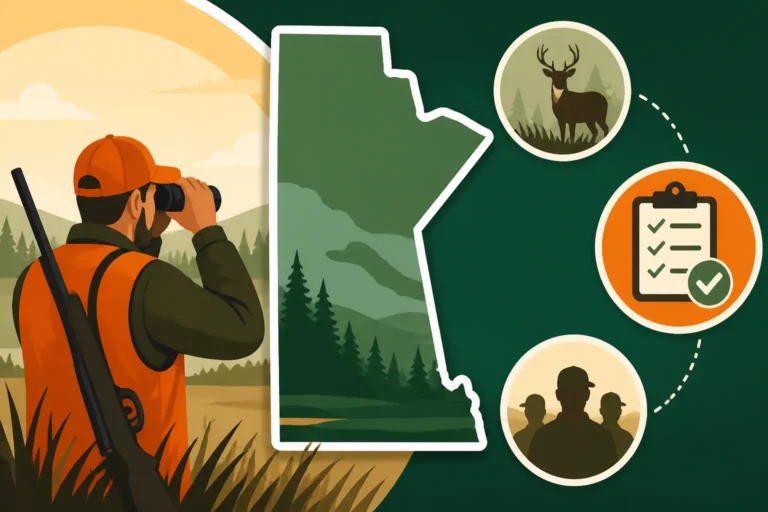
It’s a gut-wrenching feeling for any hunter when you hear news that could impact the health of our herds and the future of hunting itself. For years, we watched as Chronic Wasting Disease (CWD) crept closer to our borders, a shadow looming large from neighbouring provinces and states. Then, the inevitable happened, and a new era for Manitoba hunting began. This guide aims to shed light on when Manitoba recorded its first CWD case, what it means for deer, elk, and moose, and how we, as responsible hunters, can play a critical role in its management.
The Moment CWD Arrived in Manitoba
The news we all hoped would never come finally did in October 2021, marking a pivotal moment in Manitoba's wildlife management history. It was a concerning development that brought a new level of vigilance to our hunting community, shifting our focus to a disease that demands serious attention.
The Discovery and Initial Response
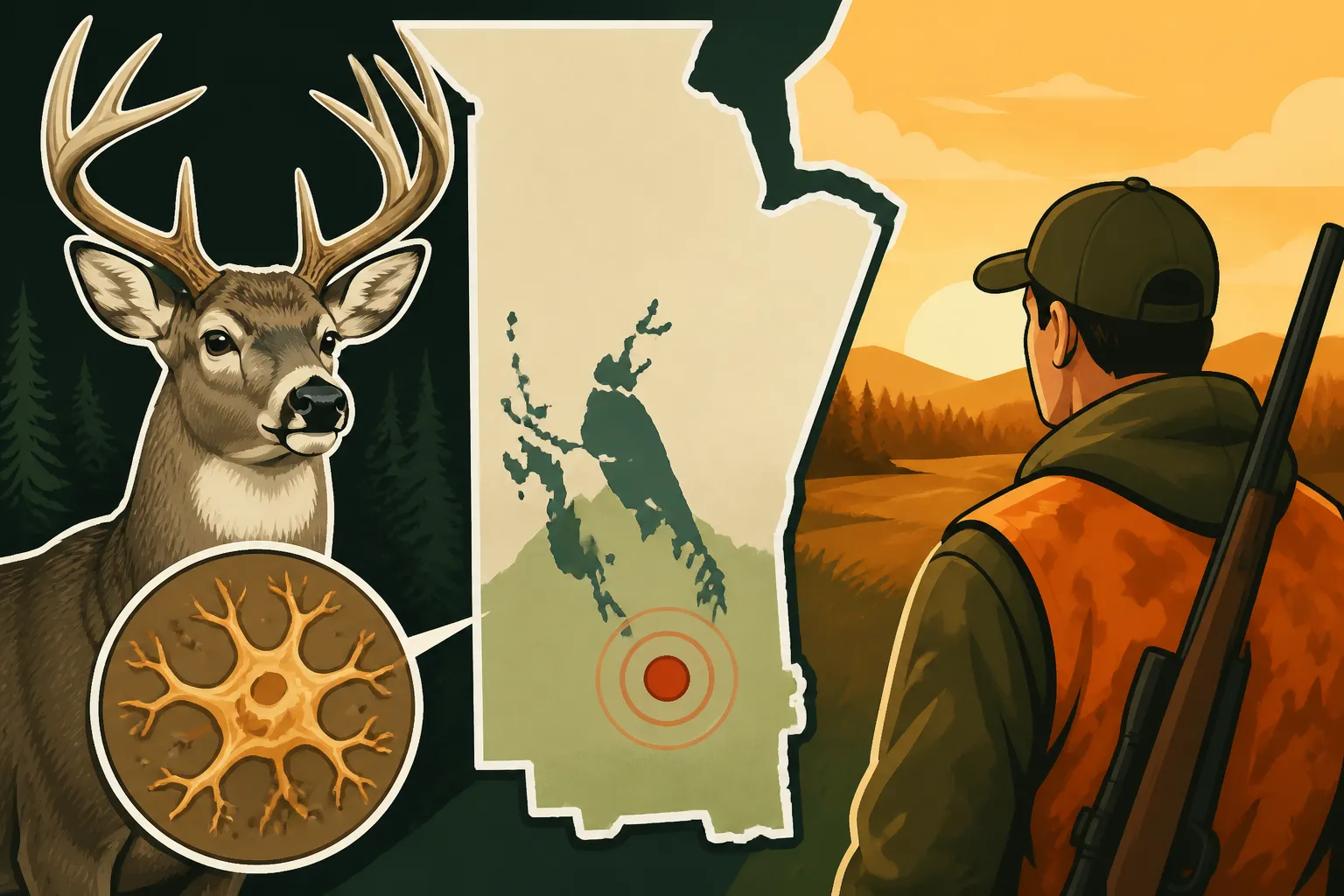
Manitoba confirmed its very first case of Chronic Wasting Disease in October 2021. The initial detection was made in a mule deer buck harvested by a hunter during the archery season. This pivotal moment occurred in Game Hunting Area (GHA) 22, a region situated along the Saskatchewan border, which unfortunately wasn't entirely surprising given the disease's established presence in that province. The discovery validated the fears many of us had harboured for years, proving that CWD wasn't just a distant problem anymore; it was now a local reality.
Upon confirmation, the province acted quickly, as you'd expect. The immediate response involved a heightened surveillance program, focusing heavily on the area where the positive case was found and surrounding GHAs. Hunters in these regions were, and still are, asked to submit heads for mandatory CWD sampling, a crucial step in understanding the prevalence and spread of the disease. It’s a call to action that might feel like an extra chore after a long hunt, but it’s absolutely essential for protecting our cherished wildlife. This initial discovery highlighted the effectiveness of ongoing surveillance efforts and the critical role hunters play in reporting and submitting samples. It really underscored that we’re all in this together, from wildlife biologists to the individual hunter out in the field.
Understanding Chronic Wasting Disease
Chronic Wasting Disease is a transmissible neurological disease affecting cervids, which include deer, elk, moose, and caribou. It's caused by abnormal proteins called prions, not a virus or bacteria, and these prions accumulate in the brain and other tissues, slowly destroying nerve cells. Think of it as a slow, progressive wasting away, which is how it got its name. Animals infected with CWD might exhibit symptoms like extreme weight loss, stumbling, listlessness, excessive salivation, and a marked change in behaviour, losing their natural fear of humans. It’s a cruel disease that’s always fatal for the infected animal.
The insidious nature of CWD lies in its ability to spread both directly, through animal-to-animal contact, and indirectly, through environmental contamination. Infected animals shed prions through saliva, urine, and feces, contaminating the soil, plants, and water where other cervids feed and congregate. These prions are incredibly persistent, remaining infectious in the environment for years, even decades. This environmental persistence makes CWD incredibly challenging to manage and contain, unlike diseases that can be eradicated by removing infected animals alone. It’s why understanding How CWD Reached Manitoba From the West is so important, as it often follows deer movements and hunter-transported carcasses across landscapes.
Immediate Impacts on Hunters and Management
The confirmation of CWD in Manitoba sent ripples through the hunting community. Suddenly, conversations around deer camps weren't just about big bucks or successful harvests; they included concerns about health risks and the future of game populations. For hunters in the affected GHAs, the most immediate impact was the introduction of mandatory CWD sampling. This meant that every hunter harvesting a deer in certain designated areas was required to submit the animal's head for testing. While some found this inconvenient, most understood the necessity, knowing that accurate data is our best defense against the spread.
Furthermore, the province implemented strict regulations regarding carcass movement. To prevent the further spread of prions, hunters were generally prohibited from moving whole carcasses out of the designated CWD surveillance zones. Only deboned meat, cleaned skulls, antlers, and hides were typically allowed to cross these boundaries. These rules might seem like an overreach to some, but they are a direct measure to prevent infected material from contaminating new areas. For anyone planning a hunt in the affected regions, it became absolutely vital to understand Manitoba's CWD Sampling Requirements and the associated carcass transportation rules. Websites like GoHunt and the provincial wildlife department became indispensable resources for staying informed about these ever-evolving regulations.
CWD Surveillance and Management Efforts in Manitoba
Since the initial detection, Manitoba has been actively engaged in a multi-pronged approach to CWD surveillance and management. It's a long-term battle, and success hinges on a combination of scientific monitoring, strict regulations, and active participation from the hunting community.
Mandatory Sampling and Designated CWD Areas
One of the cornerstones of Manitoba's CWD strategy is its mandatory sampling program. When a CWD positive case is identified, or if there's a heightened risk due to proximity to infected areas, specific Game Hunting Areas are designated as CWD priority surveillance zones. In these zones, it becomes mandatory for hunters who harvest deer, and sometimes elk or moose, to submit samples from their animals. The goal is simple: collect as much data as possible to understand the disease's presence, prevalence, and geographical spread.
You can imagine the logistical challenge this presents. Hunters have to be aware of which GHAs are part of the program, understand Which Manitoba GHAs Require CWD Sampling, and know where and how to drop off their samples. The province has set up various drop-off locations, often at designated depots or provincial parks, making it as accessible as possible. This data is critical for wildlife biologists to map the disease, identify hot spots, and make informed decisions about future management strategies, including potential changes to hunting seasons or limits. Missing samples means missing data, which ultimately harms our collective effort to keep our cervid populations healthy.
| Game Hunting Area (GHA) | Species Under Mandatory CWD Sampling (as of latest updates) | Current Status (Informational) |
|---|---|---|
| GHA 22 | Deer (Whitetail, Mule Deer) | Priority Surveillance Zone |
| GHA 22A | Deer (Whitetail, Mule Deer) | Priority Surveillance Zone |
| GHA 23A | Deer (Whitetail, Mule Deer) | Priority Surveillance Zone |
| GHA 23 | Deer (Whitetail, Mule Deer) | Priority Surveillance Zone |
| GHA 29 | Deer (Whitetail, Mule Deer) | Surveillance Zone |
| GHA 29A | Deer (Whitetail, Mule Deer) | Surveillance Zone |
| GHA 18 | Deer (Whitetail, Mule Deer) | Surveillance Zone |
| GHA 18A | Deer (Whitetail, Mule Deer) | Surveillance Zone |
Note: This table is for general information and hunters must always verify the most current CWD regulations and designated GHAs directly from Manitoba Environment and Climate website before hunting.
Carcass Movement Restrictions and Hunter Responsibility
Beyond sampling, one of the most significant and often frustrating aspects of CWD management for hunters is the regulation surrounding carcass movement. When you harvest an animal in a CWD-affected GHA, you generally cannot transport the entire carcass out of that zone. This regulation is in place to prevent the physical spread of prions to new, uninfected areas. Prions can be found in various tissues, including the brain, spinal cord, lymph nodes, and spleen, all of which are part of a whole carcass.
So, what does this mean for you, the hunter? It means you need to be prepared to process your animal in the field or within the CWD zone. This typically involves deboning the meat, separating the skull (if you want to keep the antlers), and removing the spinal cord and other high-risk tissues. Only deboned meat, cleaned skull plates, antlers, and hides are usually permitted to leave the zone. This requires extra planning, equipment, and sometimes more time in the field. Understanding these rules is paramount, as failure to comply can lead to serious penalties. It's also vital to know How Long You Have to Submit a Sample and Where to Drop a CWD Sample in Manitoba to ensure your part in the process is completed correctly and promptly. Resources like GoHunt often have features that help visualize GHA boundaries, which can be immensely helpful when planning your hunt and understanding these restrictions.
Ongoing Research and Future Outlook
The fight against CWD isn't static; it's an ongoing process of research, adaptation, and collaboration. Wildlife researchers and veterinarians in Manitoba are continually studying the disease, trying to understand its local epidemiology, how rapidly it might be spreading, and what factors contribute to its persistence in the environment. This includes genetic studies of cervid populations to identify any natural resistance, as well as ecological studies on prion persistence in various soil types. This scientific backbone is crucial for developing effective long-term management strategies.
The future outlook for CWD in Manitoba hinges on several factors, including the effectiveness of current surveillance, the level of hunter compliance, and ultimately, whether a viable solution for eradication or control emerges. The hope is to contain the spread and reduce prevalence, rather than allowing it to become widespread. This will involve continued investment in research, public education, and adaptive management strategies that may evolve as new information comes to light. The situation is dynamic, and hunters will need to stay engaged and informed, checking for updates annually. It's not just about today's hunt; it's about safeguarding the health of our herds for generations to come.
What This Means for Hunters Today
The presence of CWD in Manitoba fundamentally changes certain aspects of our hunting practices. It adds layers of responsibility and vigilance, but it doesn't diminish the passion we have for being out in the field. Instead, it calls us to be even more mindful stewards of the land and its wildlife.
How to Stay Informed and Participate in CWD Management
Staying informed is perhaps the most crucial responsibility a hunter has in the face of CWD. Regulations can change, new GHAs might be added to surveillance zones, and understanding Manitoba's Big Game Season Dates is only part of the equation now. The primary source for accurate and up-to-date information is the Manitoba Environment and Climate department's official website. They publish annual hunting guides and specific CWD advisories that detail current surveillance areas, sampling requirements, and carcass transportation rules. You can also get updates on Getting Your Manitoba CWD Result directly from them.
Beyond official sources, engaging with hunter education programs and local wildlife federations can provide valuable insights and keep you connected to the broader conservation effort. These organizations often disseminate information and host discussions that help translate the science into practical advice for hunters. Furthermore, actively participating by submitting samples when required is non-negotiable. Every sample submitted contributes to a more complete picture of the disease, directly aiding wildlife managers in their efforts to control its spread. Tools and apps like GoHunt can be excellent supplementary resources for mapping, GHA boundaries, and staying organized with regulations, but always cross-reference with official provincial sources.
Personal Precautions and Meat Handling
While the scientific consensus is that there's no strong evidence CWD can be transmitted to humans, health agencies like Health Canada and the World Health Organization advise against consuming meat from animals known to be infected with CWD. This means taking personal precautions when handling and processing your harvest, especially in CWD-affected areas. The first step is to be aware of the symptoms of CWD; if an animal appears visibly sick or behaves unusually, it's wise to avoid harvesting it and report its condition to wildlife authorities.
When processing an animal in a CWD zone, it's recommended to wear gloves, minimize contact with high-risk tissues like the brain, spinal cord, and lymph nodes, and dispose of these parts appropriately. For animals harvested in a mandatory sampling zone, you should wait for the CWD test results before consuming the meat. If the test comes back positive, the recommendation is to discard the meat. This might be a tough pill to swallow after all your effort, but it's a vital step for your safety and to prevent further environmental contamination. Understanding Whether CWD Meat Is Safe to Eat is a question many hunters grapple with, and it's best to err on the side of caution. If you're wondering about Moving a Carcass Out of a Sampling Area, remember the strict rules apply to limit prion spread.
Impact on Hunting Seasons and Licences
The presence of CWD can also have implications for future hunting seasons and licence structures, although this is usually a reactive measure taken after careful assessment of the disease's prevalence and spread. Wildlife managers might consider changes to antlerless deer licences, extended seasons in specific GHAs, or even special hunt opportunities to target specific populations in an attempt to reduce deer densities and thus slow CWD transmission. While these measures can be controversial, they are tools in the management toolbox aimed at protecting the overall health of the herd.
For now, the primary impact on licences is the requirement to obtain them and then potentially submit samples from animals harvested in designated zones. It’s important to stay current with Manitoba Hunting Licences and What They Cost and how CWD regulations might affect your specific hunting plans, especially if you're pursuing a Manitoba's Second Deer Licence Rules. The long-term goal is to mitigate What CWD Has Done to Manitoba Deer populations in other jurisdictions and prevent similar outcomes here. This often means adapting our hunting practices and being prepared for potential shifts in regulations as the province continues its efforts to manage this challenging wildlife disease.
Disclaimer
The information provided in this article is for general guidance and informational purposes only. Hunting regulations, CWD management zones, and public health advisories are subject to change by official government bodies. Always consult the most current Manitoba hunting regulations and public health guidelines from the provincial government website before planning or engaging in any hunting activity.