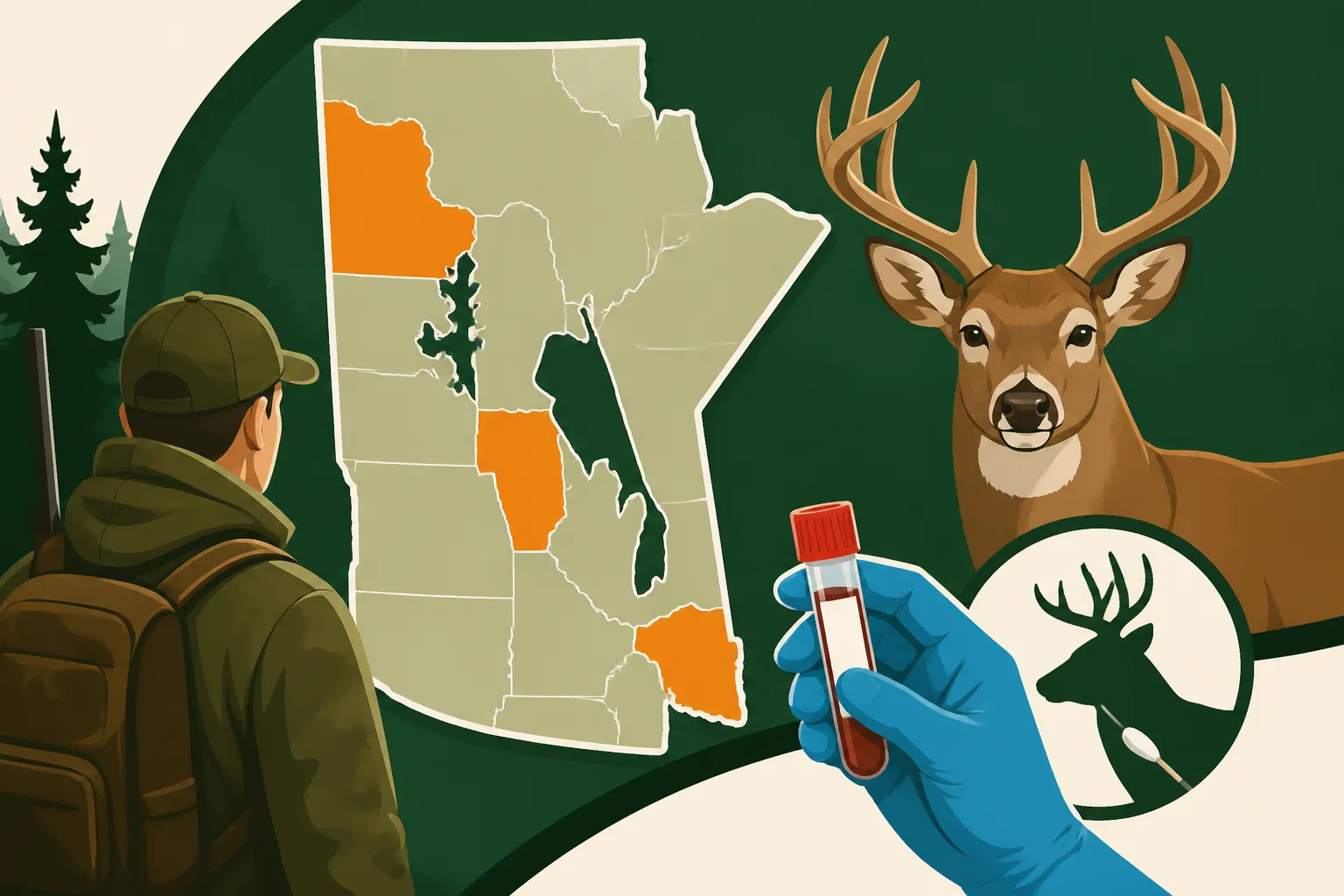
Which Manitoba GHAs Require CWD Sampling
One of the biggest anxieties for hunters today, especially those pursuing deer in areas where Chronic Wasting Disease (CWD) is a concern, is knowing what's expected of them regarding sampling. It can feel like a moving target, with rules and designated zones shifting as wildlife officials work to monitor and manage this serious issue. This comprehensive guide will walk you through exactly which Game Hunting Areas (GHAs) in Manitoba currently require mandatory CWD sampling, demystifying the process and helping you hunt responsibly.
Understanding CWD and Manitoba's Response
Chronic Wasting Disease (CWD) is a topic that weighs heavily on the minds of anyone who cares about wild cervids – that’s deer, elk, and moose, for us hunters. It’s not just a passing fad; it’s a very real threat, and understanding it is the first step to being a responsible conservationist and hunter in Manitoba.
What is Chronic Wasting Disease?
At its core, CWD is a fatal, progressive neurological disease that affects cervids. It’s caused by abnormal proteins called prions, which slowly accumulate in the brain and other tissues. Think of it like a slow-motion degenerative disease, similar to Mad Cow Disease in cattle or Creutzfeldt-Jakob disease in humans, though there's no evidence CWD can transmit to humans. The scary part is that it’s always fatal for the animal, and there’s no known cure or vaccine.
Animals infected with CWD might not show symptoms for a long time, often a year or more. When they do, they can appear emaciated (hence "wasting"), display abnormal behavior like staggering, drooling, or a lack of fear of humans, and eventually, they will die. The prions are incredibly persistent and can remain infectious in the environment for years, even after an infected animal has decomposed. This means contaminated soil or plants can continue to be a source of infection. This persistence is why CWD is such a headache for wildlife management and why we, as hunters, play a crucial role in its surveillance. The disease spreads through direct animal-to-animal contact, as well as indirectly through contact with infected saliva, urine, feces, or carcass parts.
Why Mandatory Sampling?
Manitoba’s mandatory CWD sampling program isn't just about collecting data for the sake of it; it's a critical tool in the province's strategy to detect, monitor, and hopefully contain the spread of this devastating disease. Imagine trying to fight an invisible enemy – that's what CWD can feel like. Because infected animals can look perfectly healthy for so long, we can't rely on visual cues alone.
Mandatory sampling allows wildlife officials to get a clear picture of where CWD is, if it's spreading, and how prevalent it is within specific populations. Early detection is paramount. If CWD can be identified in a GHA early on, before it takes a firm hold, there's a much better chance of implementing targeted management strategies to slow its progression. This could include things like special hunt seasons for antlerless deer to reduce population density, or further restrictions on carcass movement. Without mandatory sampling, the disease could spread silently and extensively, only to be discovered when it’s already widespread and much harder to manage.
For hunters, participating in the sampling program is an essential part of our ethical responsibility. We are on the front lines, so to speak, in the field, harvesting animals that might otherwise go undetected. By submitting samples, we contribute directly to the health of the deer herd and the future of hunting in Manitoba. It's a proactive measure to protect the very resource we cherish.
Identifying CWD Surveillance Zones and Affected GHAs
Navigating the landscape of CWD surveillance zones can sometimes feel a bit like reading a complicated map – you know there are boundaries, but figuring out exactly where yours falls is the trick. Manitoba has specific areas designated for mandatory sampling, and it’s critical for every hunter to know these.
The Current CWD Surveillance Zones
Manitoba has established CWD surveillance zones primarily in the southwestern part of the province, particularly along the Saskatchewan and US borders, where the risk of CWD entering from adjacent jurisdictions is highest. These zones are typically defined by specific Game Hunting Areas (GHAs). For the 2023-2024 season, hunters who successfully harvest a white-tailed deer or mule deer in specific GHAs are required to submit a CWD sample.
The key GHAs that fall under mandatory CWD sampling requirements are:
- GHA 15
- GHA 18
- GHA 22
- GHA 23A
- GHA 29
- GHA 29A
- GHA 30
- GHA 31
- GHA 31A
These GHAs are located in the region where CWD has been detected in wild deer, or where the risk of introduction is considered high due to proximity to infected areas in neighboring provinces and states. It’s in these areas that Manitoba wildlife officials are particularly vigilant, and your participation is crucial. Remember, these zones are subject to change, so always check the latest Manitoba Hunting Guide before heading afield.
How to Confirm Your GHA's Status
Before you even step foot in the bush, verifying the CWD sampling requirements for your chosen hunting grounds is a non-negotiable step. There’s nothing worse than harvesting a fantastic animal only to realize you’ve missed a critical regulation.
Here’s how you can confirm your GHA's status:
- Consult the Official Manitoba Hunting Guide: This is your bible. Each year, Manitoba Sustainable Development (now Manitoba Environment and Climate Change) publishes an updated hunting guide. It clearly outlines all regulations, including specific CWD surveillance zones and mandatory sampling GHAs. You can find this online on the provincial government’s website, or pick up a hard copy at most licence vendors. Always go with the most current year's guide.
- Check the Manitoba Wildlife Federation (MWF) Resources: The MWF often provides excellent summaries and updates on hunting regulations, including CWD information, on their website. They are a great resource for Manitoba Resident Licence Options and other local hunting information.
- Utilize Online Mapping Tools: Many hunters now rely on digital mapping applications like GoHunt or other similar platforms. These tools often have GHA overlays, allowing you to visually confirm which GHA you're in. While these apps are fantastic for scouting and navigation, always cross-reference their GHA boundaries with the official provincial maps, especially when it comes to regulatory requirements like CWD sampling. Make sure the map layers are up-to-date for the current hunting season.
- Contact a Conservation Officer: If you’re ever in doubt, the best course of action is to contact your local Manitoba Conservation Officer. They are the ultimate authority and can provide accurate, up-to-the-minute information on any GHA’s specific requirements. It’s always better to ask than to unknowingly violate a regulation.
By taking these steps, you’ll be fully informed and ready to comply with all CWD sampling requirements, contributing to the province's vital monitoring efforts.
Here's a quick reference table for the current mandatory CWD sampling GHAs:
| GHA Name | Region | Mandatory CWD Sampling | Notes |
|---|---|---|---|
| GHA 15 | Southwest (Border) | Yes | High-risk zone near Saskatchewan border. |
| GHA 18 | Southwest (Border) | Yes | High-risk zone near Saskatchewan and US borders. |
| GHA 22 | Southwest | Yes | Included in expanded surveillance efforts. |
| GHA 23A | Southwest | Yes | Specific zone within the broader southwest region. |
| GHA 29 | Southwest (Border) | Yes | Adjacent to high-prevalence areas in other jurisdictions. |
| GHA 29A | Southwest (Border) | Yes | Part of the border-adjacent surveillance. |
| GHA 30 | Southwest | Yes | Expanded surveillance area. |
| GHA 31 | Southwest | Yes | Historically significant for CWD management. |
| GHA 31A | Southwest | Yes | Key surveillance zone. |
Note: This table is current for the 2023-2024 hunting season but always verify with the latest official Manitoba Hunting Guide.
The CWD Sampling Process for Hunters
Alright, you’ve done your homework, found your GHA, and successfully harvested a deer within a mandatory CWD sampling zone. Now what? The actual sampling process might seem daunting at first, but it’s designed to be straightforward for hunters, ensuring valuable data is collected efficiently.
Step-by-Step for Submitting a Sample
The process of submitting a CWD sample in Manitoba is critical, and thankfully, it’s not overly complicated. Here’s a breakdown of what you need to do:
- Harvest and Field Dress Your Deer: After a successful hunt, perform your field dressing as usual. However, for CWD sampling, it's generally recommended to leave the head and upper neck intact, as the sample involves the lymph nodes in that area.
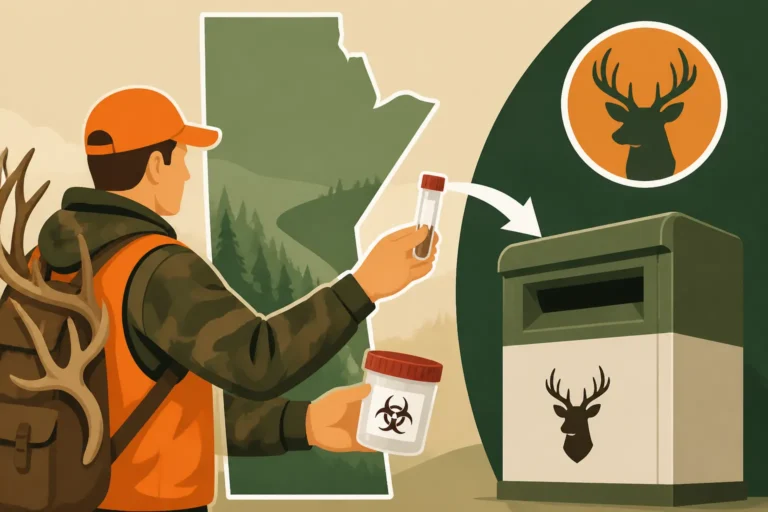
- Locate a Drop-Off Depot: Manitoba Environment and Climate Change establishes CWD sample drop-off depots throughout the mandatory sampling zones, usually in conjunction with local businesses, Conservation Offices, or designated collection sites. You can find a list of these locations in the annual Manitoba Hunting Guide or on the provincial government's wildlife website. You can also look up Where to Drop a CWD Sample in Manitoba for more localized information.
- Complete the Hunter Information Form: At each depot, you'll find a CWD submission kit, which includes a form. This form typically asks for your name, licence number, contact information, the date of harvest, the GHA where the animal was taken, and a description of the animal (species, sex, age if known). Be as accurate as possible.
- Tag Your Sample: The kit will also contain a unique identification tag. You'll attach this tag to the head (or the specific sample if you’ve taken it yourself) to ensure it’s correctly linked to your submission form.
- Submit the Head (or Sample):
- Full Head Submission: The most common and preferred method is to submit the entire head (with about 4-6 inches of neck attached). This allows trained staff to extract the retropharyngeal lymph nodes, which are the primary tissue tested for CWD.
- Self-Sampling (if permitted): In some cases, and with proper instruction, hunters may be permitted to extract the lymph nodes themselves. However, this requires specific knowledge and tools and isn't the standard recommendation unless you've been trained. For the vast majority of hunters, submitting the head is the way to go.
- Maintain Proper Care: Keep the head cool, ideally refrigerated or frozen, until you can drop it off. This prevents decomposition and ensures the sample remains viable for testing.
Remember, this isn’t just a suggestion; it’s a mandatory requirement in the designated GHAs. Your prompt and accurate submission is vital for the provincial CWD surveillance program.
Key Deadlines and Carcass Movement Restrictions
Beyond the submission process itself, there are crucial deadlines and rules regarding carcass movement that every hunter in a CWD-affected GHA needs to be aware of. Ignoring these can lead to significant issues, including fines and penalties.
- Submission Deadlines: Typically, samples must be submitted within a specified timeframe after harvest. For instance, in recent seasons, the deadline has been around 72 hours after harvest, or by a specific date, often in mid-December for late-season hunts. Always consult the Manitoba Hunting Guide for the exact dates for the current season. Missing this deadline compromises the integrity of the data and the overall effectiveness of the program.
- Carcass Movement Restrictions: This is a big one. To prevent the further spread of CWD, strict rules are in place regarding the movement of deer carcasses harvested within CWD surveillance zones. You cannot simply take an entire deer carcass out of a designated GHA and transport it across the province.
- Allowed Parts: Generally, you are only allowed to transport deboned meat, skull caps (antlers), hides, and cleaned skull plates (for taxidermy) out of a CWD restricted zone.
- Prohibited Parts: The brain, spinal cord, eyes, spleen, and lymph nodes (which are the parts that hold the CWD prions) are not allowed to be transported out of the zone.
- Why These Rules? The goal is to leave the high-risk parts of the animal in the area where it was harvested, preventing the prions from potentially contaminating new areas. This means if you harvest a deer in GHA 29, for example, you must process it down to the allowed parts before leaving that CWD surveillance zone. This is a critical point that can sometimes catch new hunters off guard. Understanding these rules is essential for responsible meat care in Manitoba's cold snaps, and for compliance with all regulations regarding Transporting Game Meat in Manitoba.
These restrictions mean you might need to adjust your post-harvest plans, perhaps by processing your deer closer to your hunting location if it’s within a restricted GHA, rather than bringing a whole carcass home to a different part of the province. Plan ahead, and make sure your processing plans align with the CWD carcass movement rules.
What Happens After Submission and Future Implications
You’ve done your part, submitted your sample, and followed all the rules. Now what? The waiting game can be a bit nerve-wracking, but understanding the follow-up process and the broader implications of CWD for Manitoba hunting is important.
Getting Your CWD Result
Once your sample is submitted, it goes into the provincial laboratory system for testing. This isn't an instant process, so don't expect results the next day. The typical turnaround time for CWD test results in Manitoba can vary, often taking several weeks, or even a couple of months, depending on the volume of samples being processed.
- Notification Process: If your sample tests negative for CWD, you typically won't receive a direct notification. The lack of a call is usually good news! However, if your sample tests positive for CWD, you will be contacted directly by a Conservation Officer or a provincial wildlife official. This direct contact is crucial for them to gather more information, explain the implications, and advise you on what steps to take next.
- What to do with a Positive Result: If your deer tests positive, you will be advised not to consume the meat. While there's no direct evidence of CWD transmitting to humans, health agencies like Health Canada and the World Health Organization recommend against eating meat from CWD-positive animals. You will likely be asked to dispose of the carcass remains in a specific, approved manner to prevent further environmental contamination. This often involves specific landfill sites or other secure disposal methods, as outlined in the provincial guidelines for Moving a Carcass Out of a Sampling Area.
Knowing how to get your Manitoba CWD result, or what to expect if you don't hear anything, helps manage expectations and ensures you're prepared for any outcome.
Long-Term Outlook for CWD in Manitoba
The fight against CWD is a marathon, not a sprint. Manitoba has unfortunately seen CWD Positive Numbers increase slightly in recent years, particularly in areas near the Saskatchewan border, which has been a hotbed for the disease for some time. This unfortunate reality highlights the critical need for continued vigilance and hunter participation.
The provincial government, in collaboration with hunters and conservation groups, is committed to ongoing surveillance and management efforts. This includes:
- Adaptive Management: CWD regulations, including sampling zones and carcass movement rules, are not static. They are reviewed and adjusted annually based on the latest scientific data, new detections, and the overall spread of the disease. This means the GHAs requiring CWD sampling could change in future seasons.
- Research and Monitoring: Continuous research into CWD transmission, ecological impacts, and potential mitigation strategies is ongoing. Manitoba is also tracking how CWD Reached Manitoba From the West, learning from neighbouring jurisdictions.
- Public Education: Ensuring hunters and the general public are well-informed about CWD is a cornerstone of the strategy. Informed hunters are better equipped to comply with regulations and act as crucial partners in monitoring.
- Cooperation: Collaboration with neighboring provinces and states is essential, as CWD knows no jurisdictional boundaries. Shared knowledge and coordinated efforts are vital for regional control.
For hunters, the long-term outlook means that CWD will likely remain a factor in planning future hunts, especially in the southwestern regions of Manitoba. It underscores the importance of staying informed, checking the Manitoba's CWD Sampling Requirements annually, and doing our part. While it adds an extra step to our cherished hunting traditions, it's a necessary one to safeguard Manitoba’s wild cervid populations for generations to come.
Disclaimer
The information provided in this article is intended for general guidance and informational purposes only. While every effort has been made to ensure accuracy, hunting regulations, CWD surveillance zones, and sampling requirements in Manitoba are subject to change. Always consult the most current official Manitoba Hunting Guide published by Manitoba Environment and Climate Change, or contact a Manitoba Conservation Officer directly, for the most up-to-date and legally binding information before participating in any hunting activity.