What a Non-Resident Licence Costs
Planning a hunting adventure in Manitoba can be incredibly exciting, but let's be honest, figuring out all the rules and, more importantly, the costs as a non-resident can feel like trying to track a ghost in a blizzard. You're trying to budget, plan your trip, and all you want is a clear breakdown of what you'll actually pay for your hunting licence and tags. This guide is here to cut through the confusion and give you a clear, realistic picture of what a non-resident licence in Manitoba will cost you, helping you plan your next unforgettable experience in our wild province.
Demystifying the Base Non-Resident Hunting Licence
For anyone looking to experience the incredible hunting opportunities Manitoba offers, the journey always starts with the base non-resident hunting licence. This isn't just a formality; it's your entry ticket to everything else. Understanding what it covers and why it carries a different price tag than a resident licence is the first step in building your hunting budget.
The Essential Foundation: What It Covers and Why It Costs More
First things first, every non-resident hunter in Manitoba, whether you're coming from another Canadian province or further afield, needs to purchase a base non-resident hunting licence. This foundational licence allows you to participate in hunting activities in the province and is a prerequisite for purchasing any big game or game bird tags. Think of it as your general admission pass. Without it, you can't buy anything else. This licence is typically valid for a full hunting year, running from April 1st to March 31st. You'll want to check the specific dates when Manitoba licences expire as the season approaches.
The reason non-resident fees are higher than those for residents isn't just about making extra money; it's a common practice across hunting jurisdictions. A significant portion of these fees directly funds wildlife conservation programs, habitat restoration, enforcement, and research right here in Manitoba. It also reflects the provincial priority of providing hunting opportunities and managing wildlife for its own citizens, with non-residents contributing to the sustainability of these resources. While it might feel like a pinch, knowing your money goes back into the wildlife you're pursuing can be a small comfort. The base non-resident hunting licence typically costs somewhere in the range of $150 to $170 CAD.
Navigating the Canadian vs. Foreign Non-Resident Distinction
It's crucial to understand that Manitoba makes a distinction between "Canadian non-residents" (those from other provinces or territories in Canada) and "foreign non-residents" (typically those from the United States or overseas). This distinction primarily impacts big game hunting and the requirement for a licensed guide. For Canadian non-residents, the process is largely similar to residents, allowing them to hunt unaccompanied. They can apply for draws and purchase tags directly, just like a Manitoba resident.
However, for foreign non-residents, the rules are different, especially for big game. With few exceptions, if you're coming from outside Canada, you are generally required to hire a licensed Manitoba outfitter or guide for big game species like deer, moose, elk, bear, and caribou. This adds a significant cost beyond just the licence and tag fees, as outfitter services include not only guiding but often accommodation, food, transportation within the hunting area, and trophy care. This rule is in place to ensure ethical hunting practices, proper wildlife management, and to support Manitoba's hunting tourism industry. For more details on this, you might want to look into the full Rules for Non-Residents Hunting Manitoba.
Unpacking the Costs of Big Game Tags in Manitoba
Once you have your base non-resident hunting licence, the next step is acquiring tags for the specific big game species you wish to pursue. Manitoba offers some incredible big game opportunities, from trophy whitetails to majestic moose and bears, but each comes with its own price tag and often, its own set of rules.
Whitetail Deer: Your Most Accessible Big Game Option
White-tailed deer are Manitoba's most popular big game animal, offering fantastic hunting opportunities across much of the province. For non-residents, acquiring a whitetail deer tag is generally straightforward compared to other big game species. You typically don't need to enter a draw for your initial whitetail tag; it can be purchased directly once you have your base licence. This accessibility makes Manitoba a prime destination for deer hunters from all over.
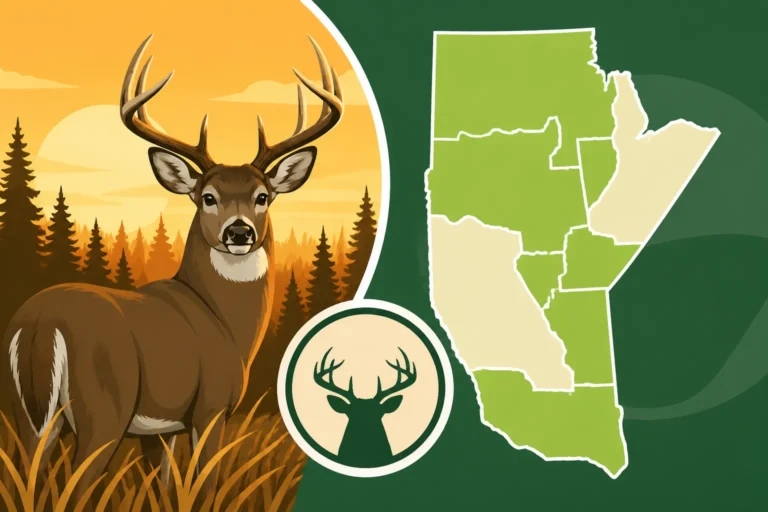
A non-resident whitetail deer tag will usually cost in the range of $270 to $300 CAD. It's important to remember that this is for a single tag, typically allowing you to harvest one deer, often restricted to an antlered deer in many Game Hunting Areas (GHAs). However, some GHAs, particularly in areas where deer populations are robust, might offer a "second deer licence" option. This is a highly sought-after opportunity that allows you to harvest an additional deer, often an antlerless animal, and comes with its own separate cost, usually similar to the first tag. If you're looking to fill a second tag, make sure to check the specific GHA regulations as you plan your hunt, as these opportunities are not universal. Learning about Manitoba's Second Deer Licence Rules can help you maximize your hunt.
Black Bear: Baiting, Stalking, and the Price of the Tag
Manitoba boasts a healthy black bear population, and pursuing these animals, whether through baiting or spot-and-stalk methods, is a thrilling experience for many non-residents. Similar to whitetail deer, non-resident black bear tags are generally purchased directly without the need to enter a draw. This makes bear hunting another relatively accessible big game option for visitors.
The cost for a non-resident black bear tag is typically in the same ballpark as a whitetail tag, ranging from approximately $270 to $300 CAD. As mentioned earlier, if you're a foreign non-resident (from outside Canada), you will almost certainly be required to hunt black bear with a licensed outfitter. These outfitters typically offer comprehensive packages that include guiding services, setting up bait sites, accommodation, and often multiple tags (if the regulations allow for a second bear). When you are Booking a Manitoba Black Bear Hunt, be sure to clarify what the outfitter's package includes versus what you need to purchase separately. This can vary widely, but the tag fee itself is a consistent provincial cost.
The Draw System: Moose, Elk, and Caribou Tag Expenses
For those dreaming of pursuing Manitoba's larger, more elusive big game species like moose, elk, and barren-ground caribou, the process involves a draw system. This means you don't simply purchase a tag; you apply for a chance to win one. The draw system is in place to manage harvest levels sustainably for these species, which have smaller or more sensitive populations in certain areas. Understanding Manitoba's Big Game Draws is critical for anyone hoping to pursue these animals.
The first cost associated with these species is a non-refundable application fee for the draw. This fee is typically modest, around $10 to $15 CAD per species applied for. If you are successful in the draw, then you will pay the much higher cost for the actual tag. For non-residents, a successful draw for a moose, elk, or barren-ground caribou tag will cost significantly more than a deer or bear tag, usually in the range of $550 to $700 CAD per species. These are premium tags for premium hunts, and the costs reflect the incredible experience they offer. Remember, foreign non-residents are almost always required to hunt these species with a licensed guide, further adding to the overall cost of the hunt.
Essential Add-Ons: Migratory Birds, Firearms, and Hidden Fees
Beyond your base licence and big game tags, there are several other costs and considerations that non-residents need to factor into their Manitoba hunting budget. These include federal permits for certain game birds and fees related to bringing your firearms into the country.
Federal Permits for Feathered Game: Ducks, Geese, and Cranes
If your Manitoba hunting plans include waterfowl, such as ducks and geese, or sandhill cranes, you'll need more than just your provincial non-resident hunting licence. These migratory birds fall under federal jurisdiction in Canada, meaning you'll need to purchase federal permits in addition to any provincial requirements.
First, you'll need the Federal Migratory Game Bird Hunting Permit. This permit is required across Canada for hunting most species of migratory game birds. It typically costs around $17 to $20 CAD. Second, you'll also need to purchase a Canadian Wildlife Habitat Conservation Stamp. This stamp, often purchased alongside the federal permit, contributes directly to wetland and wildlife habitat conservation projects across Canada. It usually costs around $8 to $10 CAD. Both of these federal requirements are crucial for legal waterfowl hunting and represent important contributions to conservation efforts. If you're coming to Manitoba specifically for Waterfowl Hunting Manitoba's Grain Fields, make sure these are on your checklist!
Bringing Your Firearm Across the Border
For many non-resident hunters, bringing their own firearms is a crucial part of the trip. Canada has specific regulations regarding the importation of firearms, and there's a fee associated with the required declaration process. To bring a hunting rifle or shotgun into Manitoba (and Canada), you'll need to complete a Non-Resident Firearm Declaration Form (RCMP 5589).
This form needs to be presented in triplicate and confirmed by a Canadian Border Services Agency (CBSA) officer upon entry. There is a fee of $25 CAD for this declaration, and it's valid for 60 days. If you plan an extended stay or multiple trips within a year, you might consider renewing it annually. It's highly recommended to fill out this form in advance, but do not sign it until you are in the presence of a CBSA officer. This helps ensure a smooth process at the border and avoids potential delays or complications. Understanding The Non-Resident Firearm Declaration fully is critical to avoid issues.
Other Costs to Keep on Your Radar
While not strictly licence or tag fees, several other potential costs and considerations can significantly impact a non-resident's hunting budget:
- Hunter Education: If you're a first-time hunter or can't prove previous hunter education from your home jurisdiction, Manitoba might require you to complete its hunter education course. While parts might be available online, there could be fees for the course or an equivalency test. Checking Manitoba Hunter Education Requirements well in advance is a good idea.
- Guide Fees: As highlighted, for foreign non-residents hunting big game, guide fees are often the largest single expense. These can range from a few thousand dollars for a deer or bear hunt to significantly more for a guided moose or caribou expedition. This is a critical budget item to research thoroughly with potential outfitters.
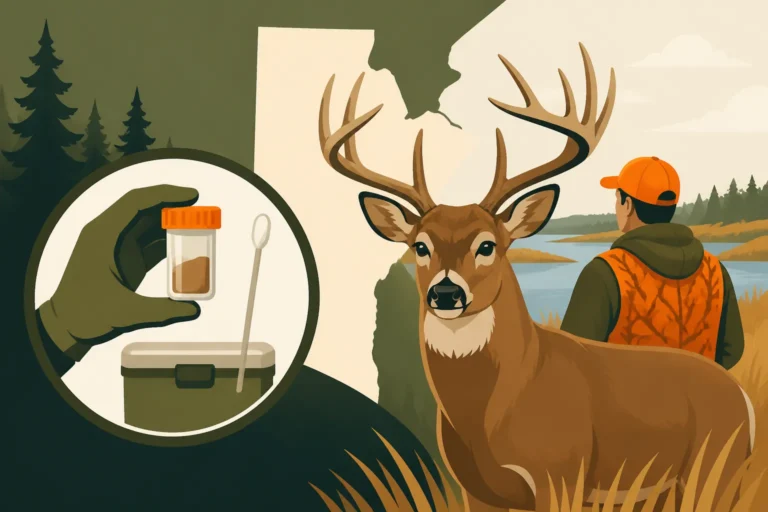
- CWD Sampling: Chronic Wasting Disease (CWD) is a serious concern, and Manitoba has mandatory CWD sampling requirements for certain species in specific Game Hunting Areas. While the sampling itself is typically free, there are rules around moving carcasses out of designated sampling areas, which could incur processing or transportation costs if you're not prepared. For example, you might need to leave the head for sampling and only transport boned-out meat. It's wise to be aware of Manitoba's CWD Sampling Requirements.
- Export Permits: If you plan to take your trophy (antlers, hide, skull) or even large quantities of meat across international borders, you may need additional permits, particularly for CITES-listed species, though this is rare for common game in Manitoba. Check with your home country's regulations and the Canadian Border Services Agency.
Smart Planning and Budgeting for Your Manitoba Hunt
Navigating the costs of a non-resident hunt in Manitoba doesn't have to be overwhelming. With a clear understanding of the fees involved and a realistic approach to budgeting, you can ensure your focus remains on the thrill of the hunt rather than unexpected expenses.
The Practicalities of Purchasing Your Licences and Tags
Manitoba has an efficient online e-licensing portal that makes purchasing your base hunting licence and most tags quite straightforward. This system allows you to manage your profile, apply for draws, and purchase available tags from the comfort of your home. It’s definitely the easiest way to go about it. Once purchased, you can often print your licences and tags or carry them digitally on your smartphone, though carrying a physical copy is always a good backup, especially in remote areas where cell service is non-existent.
It's always a good idea to purchase your general hunting licence and any over-the-counter tags well in advance of your trip. For draw species like moose, elk, and caribou, pay close attention to the application deadlines – they are firm! You can also check your draw results and purchase successful tags through the same online portal. Many hunters find platforms like GoHunt invaluable for planning, as they compile season dates and often link directly to provincial resources, making it easier to confirm costs before you buy and streamline your preparation process. This can save you time and prevent last-minute scrambling.
Beyond the Tags: Building a Realistic Hunt Budget
While this guide focuses on licence and tag costs, it’s critical to understand that these are just one piece of the overall financial puzzle for a non-resident hunting trip to Manitoba. To truly avoid stress, you need to budget for the entire experience. This means looking at the bigger picture and including all potential expenses.
Here’s a snapshot of typical non-resident licence and tag costs, along with a reminder of other significant expenses to consider:
| Expense Category | Item | Approximate Cost (CAD) |
|---|---|---|
| Provincial Licences/Tags | Non-Resident Base Hunting Licence | $150 – $170 |
| Whitetail Deer Tag | $270 – $300 | |
| Second Deer Licence (if available) | $270 – $300 | |
| Black Bear Tag | $270 – $300 | |
| Moose/Elk/Caribou Draw Application | $10 – $15 (per species, non-refundable) | |
| Moose/Elk/Caribou Tag (if successful) | $550 – $700 (each) | |
| Federal Permits | Migratory Game Bird Hunting Permit | $17 – $20 |
| Canadian Wildlife Habitat Stamp | $8 – $10 | |
| Firearms | Non-Resident Firearm Declaration | $25 |
| Major Travel Costs | Flights/Fuel for Driving | Varies wildly (often hundreds to thousands) |
| Vehicle Rental | Varies (daily rates, mileage) | |
| Accommodation | Hotels/Motels | Varies (can be $100-$200+ per night) |
| Outfitter Lodge (package price) | Varies (often thousands, includes lodging, food, guide, etc.) | |
| Food & Supplies | Groceries/Restaurant Meals | Varies (hundreds of dollars) |
| Gear & Equipment | New Clothing, Boots, Optics, Ammo | Varies (can be significant initial investment) |
| Services | Guide Fees (if not in package) | Varies (hundreds to thousands per day/hunt) |
| Meat Processing | Varies ($100-$300+ per animal) | |
| Taxidermy/Trophy Shipping | Varies (hundreds to thousands) | |
| Contingency | Unexpected Expenses | Always budget an extra 10-15% for the unforeseen |
Beyond just the hard costs, remember to factor in time for travel, scouting, and actual hunting days. A trip could also be enriched by side activities, or perhaps you're combining your hunt with a fishing trip. Using tools like GoHunt to research potential outfitters can also help you understand the full financial commitment beyond just tags, as many outfitters offer all-inclusive packages that bundle several of these costs. Being prepared financially allows you to fully immerse yourself in the Manitoba hunting experience, creating memories that are truly priceless.
Disclaimer
Please remember that hunting regulations and fees in Manitoba are subject to change. While this guide aims to provide accurate and up-to-date information, it is always your responsibility to consult the official Manitoba Hunting Guide and relevant government websites for the most current regulations and pricing before planning and undertaking any hunting activities.