Manitoba Trapping and Furbearer Licences
Navigating the world of trapping in Manitoba can feel like trying to untangle a particularly stubborn snarl in your snare line, especially if you're new to the furbearer scene or just trying to stay current with ever-evolving regulations. From understanding the different types of licences required to knowing the specific seasons for each furbearer, it's a lot to keep track of. This comprehensive guide aims to clear up the confusion, walking you through everything you need to know about Manitoba trapping and furbearer licences.
Understanding Manitoba's Trapping Landscape
Trapping in Manitoba isn't just a recreational pursuit; it's a deeply rooted tradition and a vital component of wildlife management. It connects us to the land, provides a sustainable harvest, and plays a crucial role in maintaining ecological balance across the province. But like any activity involving natural resources, it's carefully managed to ensure healthy populations for generations to come.
The Importance of Regulated Trapping
The regulations surrounding trapping are not designed to complicate your life, but rather to ensure the ethical and sustainable harvest of furbearer populations. Manitoba's rich history of trapping, going back centuries with Indigenous communities and later European settlers, has always relied on a deep understanding of animal cycles and habitat. Today, modern regulations build upon this traditional knowledge with scientific data to prevent overharvesting and promote humane practices. Trappers are essentially on the front lines of wildlife monitoring, providing invaluable data on furbearer health, population trends, and habitat conditions that help inform provincial management strategies. Without regulated trapping, we could see localized overpopulation of certain species leading to habitat degradation or, conversely, unregulated harvesting leading to declines.
Distinguishing Between Trappers
Before you even think about setting a trap, it's essential to understand who is allowed to trap and under what conditions. Manitoba distinguishes between several categories of trappers, each with specific rights and responsibilities.
Firstly, there's the clear distinction between resident and non-resident trappers. Manitoba's furbearer management system is primarily designed for its residents, reflecting the long-standing community and economic benefits trapping provides locally. Non-resident trapping opportunities are extremely limited, bordering on non-existent for the general public, primarily focusing on resident participation.
Secondly, you have the difference between those holding a general trapping licence and those who manage a registered trapline. A general trapping licence allows a trapper to operate in designated general trapping areas, which are essentially Crown land regions not allocated as registered traplines. These areas often have more competition and require extensive scouting. In contrast, a registered trapline holder is allocated an exclusive geographic area for trapping, offering a more stable and often generational opportunity. This system is crucial for managing territories and ensuring individual trappers have a vested interest in the long-term health of their specific area.
Types of Manitoba Trapping Licences and Their Requirements
Getting the right licence is the absolute first step. It's more than just a piece of paper; it's your legal permission to engage in this age-old practice, ensuring you operate within the province's conservation framework.
Resident Trapping Licences
For most folks looking to get into trapping in Manitoba, you'll be looking at one of three primary resident licences. The province makes it relatively accessible for residents, but there are strict requirements to uphold the integrity of the system.
The General Trapping Licence is often the entry point for many new trappers. This licence allows you to trap in designated General Trapping Areas (GTAs), which are essentially blocks of Crown land that aren't part of the registered trapline system. To be eligible, you generally need to be a Manitoba resident, meet age requirements (often 12 years or older, with specific rules for minors), and, crucially, possess a valid Manitoba Trapper Education certificate or an approved equivalent from another jurisdiction. The flexibility of a general licence means you can move between different GTAs, but it also means you might face competition from other general licence holders. For those wondering about the broader context of hunting costs, it’s useful to note that a Manitoba Resident Hunting Licence Cost will typically differ significantly from trapping licences, as they cater to distinct activities and management systems.
For those with a more serious, long-term commitment to trapping, there's the Registered Trapline Licence. This licence grants exclusive trapping rights to a specific, geographically defined area, known as a Registered Trapline. These lines are passed down, sometimes generationally, and acquiring one usually involves either inheritance, purchase from a retiring trapper, or applying for an unallocated line (which is rare). Holders of these licences have a responsibility to manage their trapline sustainably, often becoming intimately familiar with the local wildlife populations and habitat. They must still adhere to all provincial regulations, including season dates and humane trapping practices. The detailed management of these lines ensures consistent monitoring and sustainable harvest in dedicated areas.
Finally, the Apprentice Trapping Licence is a fantastic option for newcomers who want to learn the ropes under the guidance of an experienced mentor. This licence allows an individual, often a youth or a new adult trapper, to trap on the registered trapline of a qualified mentor. The apprentice gains invaluable hands-on experience, learning ethical practices, furbearer identification, and trap setting from someone with years of expertise. This structured mentorship is key to passing on traditional knowledge and ensuring high standards of trapping are maintained. The requirements for an apprentice licence include being a resident and usually require the mentor to also be a registered trapline holder in good standing.
Non-Resident Trapping Restrictions
Manitoba's trapping regulations are quite clear on this point: generally, non-residents are not permitted to trap furbearers in the province. This is a significant difference compared to big game hunting, where non-residents have structured opportunities, often through outfitters. The policy for trapping prioritizes Manitoba residents, aiming to support local economies and ensure that the benefits and responsibilities of furbearer management remain within the province's communities.
There aren't readily available "non-resident trapping licences" in the same way there are for hunting. This means if you're not a Manitoba resident, it's highly unlikely you'll be able to legally engage in furbearer trapping within the province. This approach helps maintain the integrity of the registered trapline system and ensures that local trappers, who often depend on this activity for a portion of their livelihood, have priority access. For those keen on participating in furbearer management, becoming a resident and completing the necessary education is typically the pathway.
The Application Process and Important Considerations
Once you know which licence type suits your situation, the next hurdle is the application process itself. It's straightforward, but requires attention to detail, especially regarding documentation and certifications.
How to Acquire a Trapping Licence
Acquiring a trapping licence in Manitoba has become increasingly streamlined, primarily through the provincial wildlife licensing system. The easiest way for most residents is through the online GoHunt portal. This platform is designed to handle a variety of hunting and trapping licences, making the process fairly convenient. You'll create an account, provide your personal details, and verify your Manitoba residency. Crucially, you'll need to upload or have on file your Manitoba Trapper Education certificate number. Without this, you cannot proceed with a trapping licence purchase.
If you prefer an in-person approach, you can visit a designated vendor, such as specific hardware stores, sporting goods retailers, or a Manitoba Conservation and Climate office. They can assist you with the application, but you’ll still need all your documentation, including proof of residency and your Trapper Education certification, ready. The costs for different licences can vary, so it's always best to check the current year's hunting and trapping guide or the GoHunt portal directly for the most up-to-date pricing. For example, a general trapping licence typically has an annual fee, while registered trapline licences might have additional administrative costs associated with their specific tenure system.
Trapper Education and Safety
This isn't an optional extra; it's a mandatory prerequisite for anyone looking to trap furbearers in Manitoba, akin to Manitoba Hunter Education Requirements for big game. The Manitoba Trapper Education course is comprehensive, covering far more than just how to set a trap. It delves deep into the ethical treatment of animals, emphasizing humane trapping methods and the use of certified humane traps. You'll learn about furbearer biology, identification, and ecology for species like Beaver and Muskrat Numbers Up North or Marten and Fisher in the Boreal, understanding their life cycles and habitat needs.
The course also covers crucial safety protocols, not just for the trapper but also for the general public who might encounter traps. This includes proper trap placement, visibility, and minimizing non-target catches. Understanding provincial regulations, including season dates, bag limits, and specific trap types allowed, is a huge component. This foundational education ensures that every trapper entering the field possesses the knowledge and skills to harvest furbearers responsibly, ethically, and safely, contributing positively to wildlife conservation efforts. It's a commitment to the craft and to the animals you pursue.
Deadlines, Renewals, and Validation
Trapping licences in Manitoba typically operate on a specific licence year, often running from September 1st to August 31st. It's vital to be aware of these dates for renewals. For general trapping licences, it's usually a straightforward annual purchase through GoHunt. However, for registered trapline holders, the renewal process can be a bit more involved, requiring adherence to specific deadlines to maintain tenure on their lines. Failing to renew a registered trapline by the stipulated date can lead to its forfeiture, a serious consequence for those who have invested years or even generations into their line.
Once you’ve successfully harvested an animal, immediate validation of your tag or licence is a non-negotiable step. This often involves notching or signing your licence in a specific way as soon as the animal is taken, especially for species that might have individual tags. This practice helps ensure accurate harvest reporting and prevents the illegal reuse of licences. Manitoba's regulations are very clear on these validation requirements, and non-compliance can result in fines or penalties. Always double-check the current hunting and trapping guide for species-specific validation rules, as they can sometimes vary.
Furbearer Seasons, Quotas, and Regulations
Knowing when and where you can legally trap a specific furbearer is paramount. Manitoba has a diverse range of furbearer species, each with its own set of rules tailored to its unique biology and population dynamics.
Key Furbearer Species and Seasons
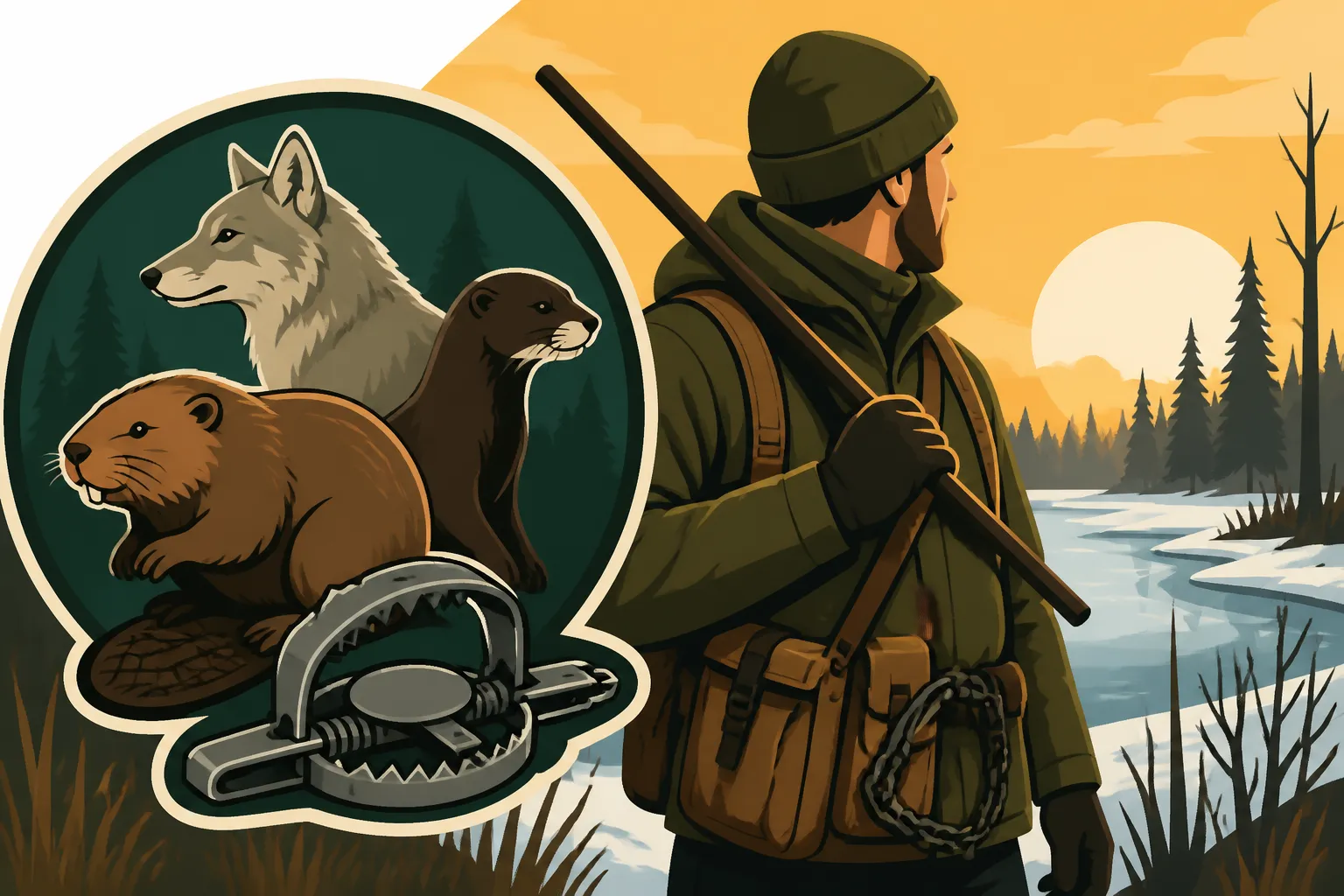
Manitoba is home to an incredible array of furbearers, from common species like beaver and muskrat to elusive predators such as wolves and lynx. Understanding the season dates for each is non-negotiable. For instance, the general furbearer season for many species, like marten and fisher, typically opens in late fall, when their pelts are prime, and often extends through the winter months. Other species, like beaver and muskrat, can have more extended seasons, sometimes even including spring trapping opportunities to manage populations and prevent damage. For a detailed breakdown, it's always best to consult the official Trapping Season Dates by Species in the current Manitoba Hunting Guide, as these can be subject to change based on population assessments.
More specifically, species like Wolves in Manitoba's North and Coyotes Across the Farmland Belt often have very liberal seasons, sometimes open year-round in certain zones, reflecting their adaptability and population levels. Lynx and the Snowshoe Hare Cycle are often intrinsically linked; lynx seasons are carefully managed and may have quotas or specific reporting requirements due to their more sensitive population dynamics which fluctuate with their primary prey, the snowshoe hare. Otters are another valuable furbearer with specific seasons, often targeting the colder months when their fur is at its best. Meanwhile, Red Fox and Arctic Fox in Manitoba are found across different habitats, from agricultural land to the far north, and their seasons are set to align with prime fur conditions.
Trap Regulations and Humane Trapping Practices
Modern trapping is built on a foundation of ethical and humane practices. This isn't just about legality; it's about respect for the animals we harvest and ensuring minimal suffering. Manitoba's regulations strictly control the types of traps that can be used and how they are deployed. For example, specific sizes and designs of conibear (body-grip) traps are permitted for different species to ensure a quick, humane dispatch. Foothold traps, while legal, also have strict size limitations and often require laminated or offset jaws to minimize injury. The use of snares is also regulated, with specific cable diameter, loop size, and break-away device requirements.
Furthermore, there are crucial rules regarding trap placement. Setback distances from public roads, dwellings, and recreational areas are often stipulated to ensure public safety and prevent non-target catches. Traps must also be checked regularly – typically every 24 to 48 hours, depending on the trap type and species targeted – to ensure animals are dispatched quickly or released if caught unintentionally. Many of these regulations align with Certified Humane Trapping (CHT) standards, which are internationally recognized guidelines for humane trap design and use, ensuring Manitoba's trapping practices meet high ethical benchmarks.
Reporting and Record Keeping
Trapping is a privilege, and with that comes the responsibility of accurate harvest reporting and meticulous record keeping. Every trapper in Manitoba is required to report their annual furbearer harvest. This data is absolutely crucial for wildlife managers to assess population health, track trends, and make informed decisions about future seasons and quotas. Without this information, it's much harder to manage species sustainably.
For certain species, particularly those with higher value or more sensitive populations, individual tagging might be required. This means each pelt might need a physical tag attached, provided by the province, before it can be sold or transported. These tags help track the origin of the fur and ensure it was legally harvested. Beyond mandatory reporting, many experienced trappers keep their own detailed records: date of catch, location, trap type, weather conditions, and even observations about furbearer sign. This personal data not only improves their own trapping success over time but also contributes to their deeper understanding of the local ecosystem. Accurate records and honest reporting are cornerstones of responsible furbearer management.
Registered Traplines vs. General Trapping Areas
Understanding the distinction between registered traplines and general trapping areas is fundamental to planning your trapping activities in Manitoba. Each offers a different experience and set of responsibilities.
The Registered Trapline System
Manitoba's registered trapline system is a long-standing model of furbearer management that assigns exclusive trapping rights to specific geographic areas. Imagine having your own dedicated territory, sometimes thousands of acres, where you are the sole authorized trapper. This exclusivity is a huge benefit, offering certainty and security for the trapper, allowing them to invest time and resources into managing the furbearers and habitat within their specific zone without fear of competition from other trappers. These lines are not temporary; they often represent a long-term tenure, and can even be passed down through families, fostering a deep, generational connection to the land and its wildlife.
Along with the benefits come significant responsibilities. A registered trapline holder is expected to actively manage their line, which includes monitoring furbearer populations, implementing sustainable harvest strategies, and maintaining access routes. They often act as unofficial stewards of their area, reporting unusual wildlife activity or environmental concerns. This system ensures that specific blocks of land have a dedicated individual whose livelihood and legacy are tied to the health of the furbearer populations there, creating a strong incentive for responsible, sustainable practices.
Opportunities in General Trapping Areas
For those without access to a registered trapline, the General Trapping Areas (GTAs) offer a viable and often challenging alternative. These are areas of Crown land that are not allocated as registered traplines and are open to any resident holding a valid General Trapping Licence. This means that while you have the freedom to move and explore different areas, you also face the potential for competition from other trappers. This can be a double-edged sword: you might find less pressure in remote areas, but more accessible GTAs, especially those close to population centers, can see significant activity.
The key to success in GTAs often lies in extensive scouting and being adaptable. You'll need to spend time in the field, identifying furbearer sign, understanding travel corridors, and finding prime trapping locations that might be overlooked by others. While you don't have the exclusive tenure of a registered trapline, the Manitoba's Crown Land Access means you can legally explore vast amounts of public land. Furthermore, don't overlook private land opportunities; establishing good relationships with landowners can open up excellent trapping spots, especially for nuisance animals like coyotes or beaver. Remember, Manitoba Landowner Permission Law dictates that you absolutely must have permission before setting foot or trap on private property. This proactive approach and strong ethical conduct are essential for successful and responsible trapping in GTAs.
Challenges and Future Outlook for Trappers
Trapping, like any traditional industry tied to natural resources, faces its share of unique challenges and is continually evolving. From global markets to public perception, trappers navigate a complex landscape.
Market Fluctuations and Sustainability
One of the biggest realities facing trappers today is the inherent volatility of the global fur market. The value of pelts can swing dramatically from year to year, influenced by fashion trends, international economic conditions, and even geopolitical events. A trapper might invest considerable time and effort into their season, only to find that market prices for certain pelts are low, impacting their financial returns. This uncertainty can make it difficult to rely solely on trapping for income, often pushing trappers to diversify or view it as a supplementary activity.
Despite these market challenges, the core principle of sustainable harvest remains paramount. Trappers are arguably some of the most dedicated conservationists, as their livelihood directly depends on healthy, robust furbearer populations. They are deeply invested in monitoring the land and species, quickly noticing changes in population dynamics or habitat quality. This inherent connection ensures that most trappers operate with long-term sustainability in mind, advocating for sound management practices that protect the very resource they rely upon. Organizations like the Manitoba Trappers Association play a crucial role in advocating for trappers, promoting humane practices, and supporting market development.
Coexistence and Public Perception
In an increasingly urbanized world, trapping often faces scrutiny from a public that may not fully understand its role or practices. There's sometimes a disconnect between rural realities and urban perceptions, leading to misconceptions about animal welfare and conservation. Trappers frequently find themselves needing to explain their methods, the ethical standards they adhere to, and the vital role trapping plays in wildlife management, such as controlling nuisance animals or managing disease.
This need for education and outreach is becoming more important than ever. Responsible trappers understand that coexistence with both wildlife and the broader public means being transparent and advocating for humane practices. They often engage with landowners experiencing wildlife conflicts, offering solutions that benefit both people and animals. As stewards of the land, trappers contribute significantly to maintaining ecological balance, from managing beaver populations that impact water levels to controlling predator numbers in certain areas. The future of trapping in Manitoba will likely involve continued efforts to educate the public, adapt to evolving best practices, and emphasize the essential conservation contributions of the trapping community.
| Furbearer Species | Typical Prime Fur Season | Common Trapping Methods | Specific Regulations/Notes |
|---|---|---|---|
| Beaver | Late Fall – Early Spring | Conibear (body-grip), Foothold, Snare, Live Trap | Often target of nuisance control; can be trapped in water or on land. |
| Muskrat | Late Fall – Early Spring | Conibear, Foothold (smaller), Snare, Live Trap | Often harvested in conjunction with beaver; aquatic habitat. |
| Marten | Late Fall – Mid-Winter | Conibear (smaller), Snare, Live Trap | Primarily boreal forest species; often trapped in cubbies. |
| Fisher | Late Fall – Mid-Winter | Conibear, Snare | Larger relative of marten; also boreal forest, more aggressive. |
| Coyote | Fall – Late Winter | Foothold, Snare | Widespread, often targeted for predator control; liberal seasons. |
| Red Fox | Fall – Mid-Winter | Foothold, Snare | Found across many habitats; general furbearer regulations apply. |
| Wolf | Late Fall – Late Winter | Foothold, Snare | Northern regions; often managed through quotas or specific zones. |
| Lynx | Mid-Winter | Conibear, Snare | Population cycles tied to snowshoe hare; often strict quotas. |
| Otter | Late Fall – Mid-Winter | Conibear, Foothold, Snare | Aquatic habitats; specific set methods for water bodies. |
Disclaimer
The information provided in this guide is intended for general informational purposes only and does not constitute legal advice. Hunting and trapping regulations in Manitoba are subject to change. Always consult the official, most current Manitoba Hunting and Trapping Guide and relevant provincial legislation before engaging in any hunting or trapping activities. It is your responsibility to know and abide by all applicable laws and regulations.