Which GHAs Are Closed to Moose
It's incredibly frustrating when you’ve got your heart set on a Manitoba moose hunt, you’ve put in the time scouting, maybe even applied for a draw, only to realize that your prime Game Hunting Area (GHA) is now under a closure. These changes can feel sudden and confusing, leaving dedicated hunters wondering where they can actually go to pursue their passion for moose. This guide aims to clear up the confusion around which GHAs are currently closed to moose hunting in Manitoba, why these critical closures are in place, and how you can navigate the ever-evolving regulations to still find incredible hunting opportunities in our beautiful province.
Understanding Manitoba's Moose Management Strategy
Manitoba's approach to moose management has undergone significant changes over the past few decades, driven by fluctuating populations and a growing understanding of ecological challenges and Indigenous rights. It's a complex picture, and understanding the overarching strategy helps to make sense of specific GHA closures. This isn't just about conservation; it's about balancing multiple interests and ensuring the long-term health of our moose herds.
Historical Context of Moose Declines
For many years, moose populations in various regions of Manitoba were on a concerning downward trend. We've seen significant drops, particularly in southern and central parts of the province, where hunters once enjoyed more abundant opportunities. This wasn't a sudden crash but rather a gradual decline influenced by a combination of factors that slowly eroded the health and numbers of our moose.
Habitat fragmentation, increased disease prevalence, and predation pressures all played a role in these declines. Hunters who remember the "good old days" can vividly recall areas that once held strong moose numbers now being eerily quiet. It's tough to witness, and these historical trends are a big part of why current management decisions, including GHA closures, have become so necessary.
The Role of Conservation and Treaty Rights
Moose conservation in Manitoba isn't just a provincial mandate; it's deeply intertwined with the recognition of Indigenous hunting rights and the principles of shared management. These are not separate issues but rather complementary forces that shape how seasons are set and where hunting is permitted. Ignoring either aspect would lead to an incomplete and ultimately ineffective management strategy.
The provincial government works in conjunction with Indigenous communities to make decisions that respect both traditional practices and the need for population recovery. This collaborative approach recognizes that Indigenous communities have long-standing relationships with the land and its wildlife, offering invaluable traditional ecological knowledge to the conservation effort. The goal is a truly sustainable future for moose, benefiting all Manitobans. For more on this, you might find our article on How Shared Management Changed Moose Seasons particularly insightful.
How Shared Management Changed Moose Seasons
The shift from a more traditional, provincially-driven management system to one of shared management with Indigenous communities has profoundly altered how moose seasons are structured and enforced. This isn't just a bureaucratic change; it’s a fundamental rethinking of how wildlife resources are managed in Manitoba. It acknowledges Indigenous Peoples' inherent right to harvest, often leading to more localized and nuanced decisions about hunting access.
This collaborative approach often results in specific GHAs having different regulations, sometimes even within the same broad region. For instance, some areas might see general closures to licensed hunters while still allowing for Treaty harvesting, or have seasons restricted to specific dates or weapon types that reflect shared conservation goals. It requires all hunters to be more diligent in understanding the specific rules for their intended hunting ground, as general provincial rules might not apply everywhere.
Specific GHAs Currently Closed to Moose Hunting
One of the most pressing questions for any aspiring moose hunter in Manitoba is, "Where can I actually go?" The answer, unfortunately, is that several areas are off-limits, either permanently or with significant restrictions. Staying informed about these specific closures is paramount for ethical and legal hunting.
Current List of Permanently Closed GHAs
Manitoba has enacted several permanent moose hunting closures in Game Hunting Areas where populations have reached critically low levels, making recovery the absolute priority. These closures are not arbitrary; they are the result of extensive aerial surveys, population modeling, and ongoing monitoring indicating severe declines. It’s tough news for hunters, but essential for the species.
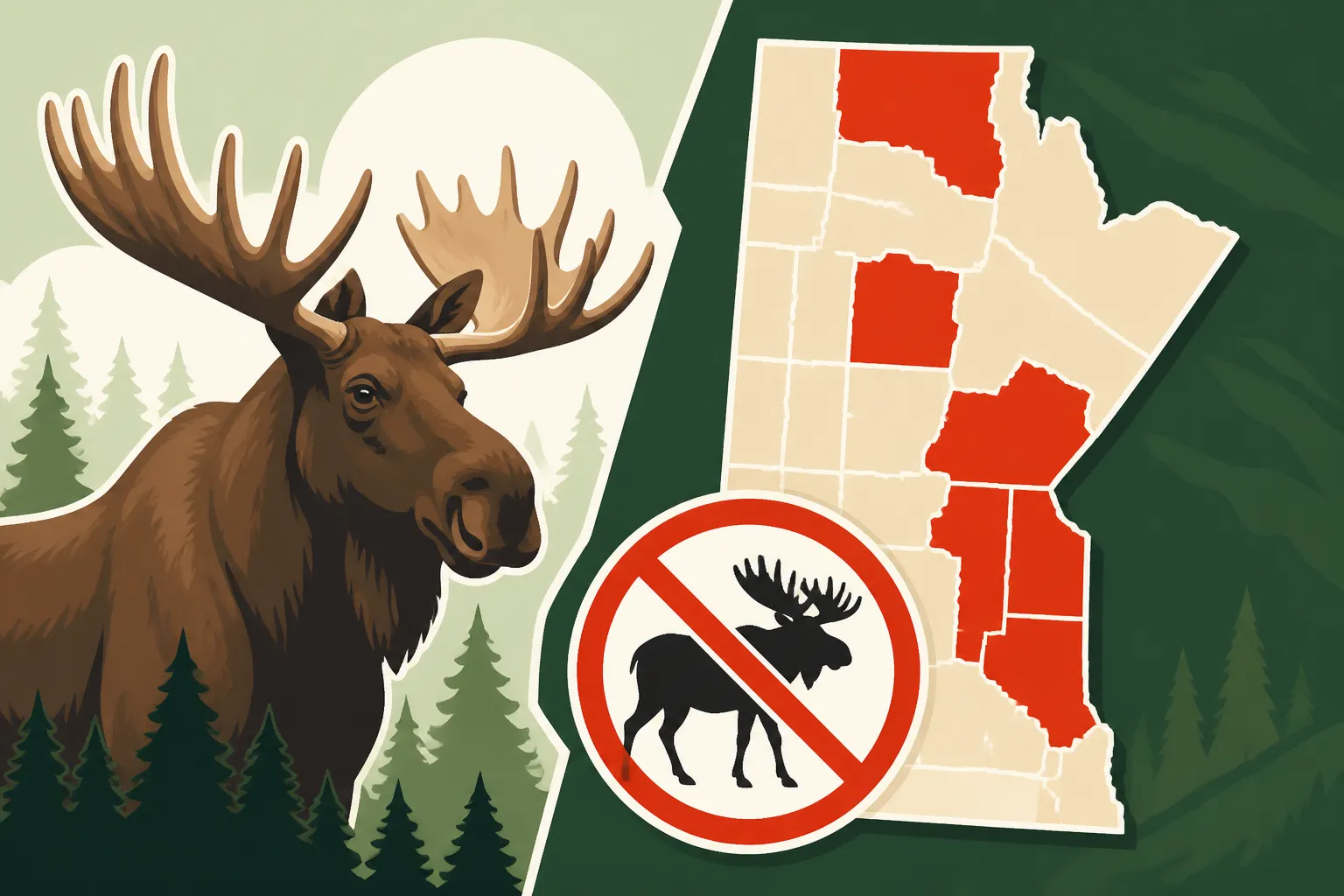
As of current regulations, several GHAs remain entirely closed to all licensed moose hunting. These typically include GHAs 13, 13A, 14, 14A, 18, 18A, 18B, and 26. This means no licensed hunting is permitted in these areas, regardless of weapon type or season. These GHAs represent some of the hardest-hit regions, where even a small amount of additional pressure could hinder recovery efforts. For a complete and up-to-date list, always consult the official Manitoba hunting guide, as specific boundaries and regulations can occasionally be adjusted. You can learn more about these specific restrictions in our guide on Where Moose Hunting Is Closed Entirely.
GHAs with Temporary or Restricted Closures
Beyond the permanently closed GHAs, other areas might experience temporary closures, shorter seasons, or specific restrictions designed to protect vulnerable segments of the moose population. These are often dynamic situations, reacting to immediate population data or conservation needs. For example, some GHAs might have antlerless moose closures, meaning only bulls can be harvested, or the season might be significantly shortened compared to historical norms.
The Duck Mountain region, for instance, has been a significant area of focus. It experienced a major decline, leading to long-term conservation measures. You might recall when the moose season there was completely shut down. While some limited opportunities might eventually return as populations rebound, the history of severe restrictions underscores the fragility of these herds. Our article on Why the Duck Mountain Moose Season Closed delves deeper into that specific situation. These nuanced restrictions require careful attention to the specific GHA regulations before planning any hunt.
Reading GHA Maps for Moose Zones
Understanding which areas are open or closed for moose hunting necessitates a thorough familiarity with Manitoba's Game Hunting Area (GHA) maps. These maps are your absolute best friend when planning any hunt in the province, especially for a species as regulated as moose. The GHA boundaries aren't always intuitive; they often follow natural features like rivers or lakes, but just as often rely on survey lines or road networks.
It's not enough to just know the number; you need to visualize the exact boundaries. A good, up-to-date GHA map will clearly delineate the specific zones where moose hunting is permitted, where it's restricted, and where it's entirely prohibited. Many hunters find digital mapping tools invaluable for this, as they allow for zooming in and layering different information. For instance, tools like GoHunt can provide detailed topographic maps overlaid with GHA boundaries, making it much easier to confirm you're within a legal hunting zone. Our guide on Finding a Manitoba GHA Map offers excellent advice on where to access these essential planning tools.
Reasons Behind Moose Hunting Closures
It’s natural to feel frustrated by closures, especially if you’ve been hunting the same area for years. But understanding the complex, often overlapping reasons behind these decisions can help put them into perspective. Moose are facing an array of challenges, and the closures are a direct response to ensure their long-term survival in Manitoba.
Population Declines and Their Causes
The primary driver behind nearly all moose hunting closures is a documented decline in population numbers. This isn't just anecdotal; it's backed by scientific surveys and monitoring. The causes are rarely singular and often involve a complicated interplay of environmental and biological factors. We're talking about everything from habitat degradation due to industrial activity or changing land use, to increased predation by wolves, which can have a significant impact on calf survival.
Another major factor contributing to these declines has been the prevalence of diseases and parasites. Brain worm (Parelaphostrongylus tenuis), carried by white-tailed deer, can be fatal to moose, especially as deer ranges expand. Winter ticks are another persistent problem, causing moose to rub off their hair, leading to significant blood loss, emaciation, and sometimes even death, particularly in calves. These combined pressures simply make it incredibly difficult for moose populations to sustain themselves, let alone grow, under traditional hunting pressure. Our article Why Manitoba Moose Numbers Fell explores these factors in much greater detail.
The Impact of Chronic Wasting Disease CWD on Closures
While Chronic Wasting Disease (CWD) has primarily been a concern for white-tailed deer populations in Manitoba, its potential impact on other cervids, including moose, is a looming consideration for wildlife managers. CWD is a fatal neurological disease, and while cases in moose are rare in Manitoba currently, the concern is that if it were to become established in local moose populations, it could further exacerbate existing challenges.
Although CWD hasn't been a primary direct cause for widespread moose hunting closures in Manitoba yet, the ongoing monitoring and management of this disease across the province are crucial. Managers must consider the potential for disease transmission and its long-term effects when making any decisions about wildlife populations and hunting seasons. It’s a constant vigilance to protect all our big game species.
Conservation Efforts and Recovery Goals
Ultimately, the closures are a tough but necessary component of broader conservation efforts aimed at allowing moose populations to stabilize and eventually rebound. The provincial government and its partners have clear recovery goals: to increase moose numbers, improve age and sex ratios within herds, and ensure a healthy, sustainable future for the species in Manitoba. These are not short-term fixes but long-term commitments.
By reducing hunting pressure, particularly on cows and calves, these closed GHAs act as vital refuges. They provide a space where moose can reproduce and grow without the added stress of human harvesting. It's an investment in the future of moose hunting, sacrificing short-term opportunities for the chance to see robust populations return. These efforts are often accompanied by habitat improvement projects and further research into disease prevention and management.
Impact of Closures on Moose Populations and Hunters
While closures are tough for hunters to accept, their implementation has significant implications, both ecologically for the moose themselves and practically for the hunting community and surrounding rural economies. It’s a classic balancing act between conservation needs and the desires of those who cherish the tradition of moose hunting.
Ecological Benefits of Resting Areas
The creation of "resting areas" through GHA closures offers substantial ecological benefits to moose populations. When an area is closed to hunting, it immediately reduces human-induced mortality, especially on reproductive females and younger animals. This allows cows to breed and raise calves with less disturbance and pressure, which is critical for increasing recruitment rates.
Over time, this reduction in pressure can lead to an improvement in the overall age structure of the herd, allowing more bulls to reach maturity and cows to have multiple productive years. Healthier age and sex ratios contribute to more robust breeding success and a more resilient population capable of withstanding other natural stressors like disease or harsh winters. These areas become vital breeding grounds, slowly replenishing surrounding GHAs as populations grow.
Challenges Faced by Moose Hunters
For hunters, especially those who have invested years scouting and hunting specific GHAs, these closures present significant challenges and, let’s be honest, a lot of disappointment. Many hunters have deep-rooted traditions of moose hunting with family and friends in particular areas, and losing access to those spots can feel like losing a piece of their heritage. The emotional connection to these landscapes runs deep.
Beyond the emotional impact, closures mean hunters must often travel further, explore unfamiliar territories, and invest more time and resources into scouting and learning new areas. This can be costly and time-consuming, making a dream hunt feel more like an arduous task. It often requires a complete shift in hunting strategy, from familiar bush country to perhaps more remote boreal regions. This shift, while opening new adventures, also means departing from established routines and knowledge.
Economic Ripple Effects on Rural Communities
The impact of moose hunting closures extends beyond individual hunters and into the economic fabric of rural Manitoba communities that depend on hunting tourism. Local gas stations, small town diners, hardware stores, and general outfitters often see a significant boost in business during hunting season. When moose hunting is restricted or closed, that economic injection dwindles.
Outfitters and guides who specialize in moose hunts are directly affected, sometimes having to scale back operations or shift their focus entirely to other species. This can lead to job losses or reduced income for those who rely on the hunting season for their livelihood. While conservation is paramount, the economic ripple effect is a tangible reality for these communities, highlighting the delicate balance required in wildlife management.
| GHA Status | Typical GHAs (Examples) | Primary Reason for Closure/Restriction | Potential Alternatives/Considerations |
|---|---|---|---|
| Permanently Closed | 13, 13A, 14, 14A, 18, 18A, 18B, 26 | Critically low populations, severe declines, habitat loss, disease | Focus on northern GHAs or other big game species. |
| Restricted Seasons (e.g., bull-only, limited dates) | 16, 17, 19, 19A, 20, 21, 21A, 21B, 22, 22A, 23 | Population recovery efforts, specific management goals, shared management agreements | Consult latest regulations carefully; consider draw applications. |
| Generally Open (subject to draw/quotas) | Northern GHAs (e.g., 2, 3, 4, 5, 5A, 6, 6A, 7, 7A, 8) | More stable populations, less human pressure, vast boreal habitat | High demand for draw tags; requires extensive scouting and travel. |
Note: This table provides general examples and is not an exhaustive list. Always consult the most current Manitoba Hunting Guide for definitive and up-to-date regulations.
Alternative Moose Hunting Opportunities in Manitoba
While facing a closed GHA for moose can be disheartening, it doesn’t mean the end of your moose hunting aspirations in Manitoba. The province is vast, and there are still viable opportunities for those willing to adapt their plans, explore new areas, or consider different approaches. It often requires a bit more research and flexibility, but the rewards can be incredible.
Exploring Open GHAs and Draw Hunts
Even with numerous closures, there are still GHAs in Manitoba where moose hunting is permitted, particularly in the northern and more remote regions. These areas, often characterized by dense boreal forest and less human pressure, tend to have more stable moose populations. However, access can be more challenging, frequently requiring more extensive travel and planning.
Many of these open GHAs, especially those with limited quotas, are managed through Manitoba's Big Game Draws. Applying for these draws is a yearly ritual for many dedicated moose hunters. It’s a chance to secure a coveted tag in areas like the northern Interlake or vast tracts of boreal forest. While draw odds can be challenging, persistence pays off. Our article on Manitoba Moose Draw Odds by GHA can help you understand your chances in various regions and plan your application strategy. Remember to check the Manitoba's Big Game Draws guidelines well in advance of the application deadline.
Focusing on Other Big Game Species
If moose hunting isn't panning out in your preferred areas, or if you're looking for a new challenge, Manitoba offers fantastic opportunities for other big game species. Shifting your focus can open up new hunting experiences and allow you to explore different parts of the province. It's a great way to stay active in the field and fill your freezer.
White-tailed deer are abundant across much of Manitoba, from the agricultural fields to the thick bush. The province is renowned for its trophy whitetails, making it a compelling alternative. For an exciting spring or fall hunt, black bears offer a thrilling challenge, particularly in the forested regions. And let's not forget about elk, found in specific parkland regions. Each species offers a unique hunt, demanding different strategies and skills. Our guides on White-Tailed Deer, Manitoba's Most Hunted Animal and Black Bear Hunting in Manitoba are excellent starting points to explore these options.
Guided Hunt Options for Moose
For those who prioritize a moose hunt experience and may not have the time or resources for extensive DIY scouting in remote, open GHAs, a guided hunt can be an excellent option. Licensed Manitoba outfitters operate in areas with viable moose populations, often in more remote northern regions or specific zones where they have exclusive access or permits.
These guided trips take much of the logistical headache out of the equation. Outfitters provide expert guides, knowledge of prime moose country, accommodation, and often help with game retrieval and processing. This can be particularly beneficial for non-resident hunters who are required to hunt with a guide for certain species, but many residents also opt for guided hunts for the expertise and increased success rates.
Staying Informed About GHA Changes
The landscape of hunting regulations in Manitoba is dynamic, especially concerning species like moose that are under intensive management. What might be open one season could be restricted the next, or vice versa. Therefore, actively seeking out and verifying information is not just a good idea—it’s absolutely essential for any responsible hunter.
Official Government Resources and Updates
When it comes to hunting regulations, there is no substitute for the official word. The Manitoba government's Department of Natural Resources and Northern Development is the authoritative source for all GHA boundaries, season dates, bag limits, and specific closures. Every hunter must consult the current year’s Manitoba Hunting Guide and check the provincial government’s website for any in-season updates or critical advisories.
These resources provide the most accurate and up-to-date information, detailing every GHA's specific rules. Trying to rely on outdated information or hearsay can lead to serious legal troubles, not to mention compromising conservation efforts. Make it a habit to review these official channels thoroughly before and during your hunting season preparations.
Hunter Education and Community Involvement
Beyond simply reading the regulations, engaging with the broader hunting community and participating in hunter education initiatives can provide invaluable context and insight into GHA changes. Local wildlife federations, conservation organizations, and even online forums where experienced Manitoba hunters share information can be great places to learn. These communities often discuss the rationale behind closures, share observations on moose populations, and offer advice on navigating new regulations.
Hunter education courses, whether for new hunters or refresher programs, often include segments on current regulations and conservation efforts. Staying involved helps ensure you're not just compliant, but also an informed advocate for responsible hunting and wildlife management in the province.
Utilizing Mapping Tools
In today's digital age, advanced mapping tools have become indispensable for planning and executing a hunt, especially when dealing with complex GHA boundaries and varied regulations. While a paper map is still a good backup, digital platforms offer a level of detail and real-time information that makes them incredibly powerful.
Apps like GoHunt are excellent examples, allowing hunters to overlay GHA boundaries onto satellite imagery, topographic maps, and even private land ownership data. This visual aid makes it much easier to understand precisely where an open season ends and a closed or restricted zone begins. Many of these tools also incorporate public land designations, helping you identify accessible hunting grounds. Leveraging such technology can significantly reduce the guesswork and stress of hunting in areas with fluctuating regulations, ensuring you’re always hunting legally and responsibly. It’s an investment that pays dividends in confidence and compliance.
Disclaimer
The information provided in this article is for general guidance and informational purposes only and does not constitute legal advice. Hunting regulations in Manitoba can change, and it is the hunter's sole responsibility to consult the most current Manitoba Hunting Guide and official government resources before engaging in any hunting activities. Always ensure you are fully compliant with all provincial and federal laws.