How Manitoba GHA Numbers Work
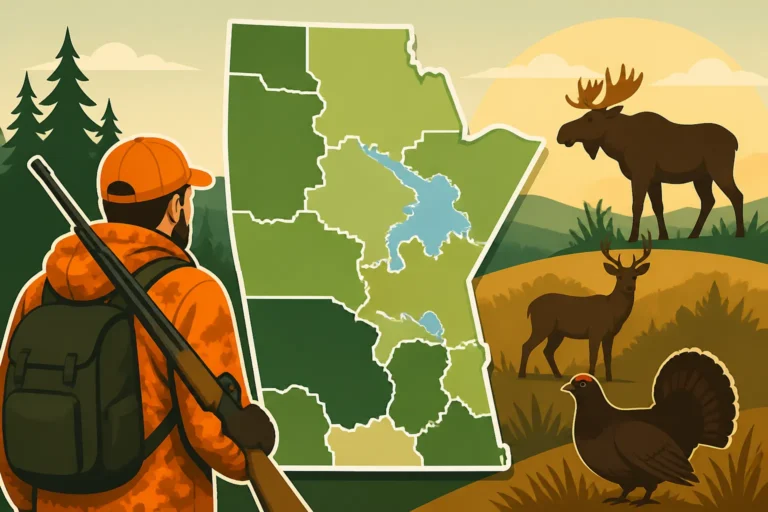
Many hunters, especially those new to Manitoba or exploring a different region, find themselves scratching their heads when trying to decipher the complex system of Game Hunting Areas, or GHAs. It’s not just a collection of numbers on a map; these designations dictate everything from what you can hunt to when and where. This comprehensive guide will break down exactly how Manitoba GHA numbers work, helping you navigate the provincial regulations with confidence and plan your next successful hunt.
Understanding the Manitoba GHA System
When you look at a provincial hunting map in Manitoba, you’ll immediately notice that the entire landscape isn't just one big free-for-all. Instead, it's meticulously carved up into distinct sections, each with its own set of rules and opportunities. These are Manitoba’s Game Hunting Areas, and understanding their purpose and structure is the foundational step for any hunter in the province. Without this knowledge, you're essentially trying to play a game without knowing the rules, which can lead to missed opportunities or, worse, unintended violations.
What Exactly Are Game Hunting Areas?
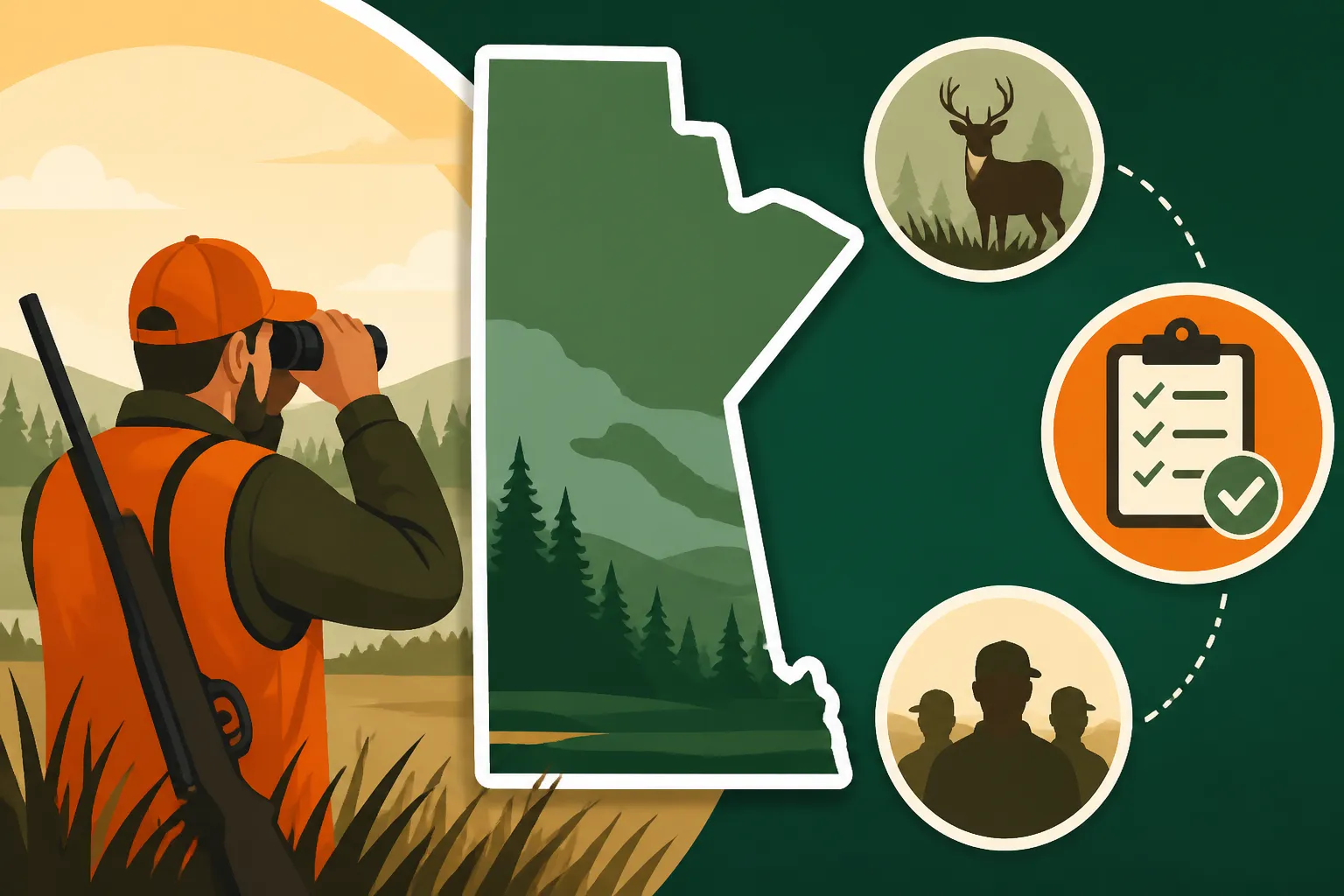
Game Hunting Areas, or GHAs, are geographically defined zones across Manitoba that the provincial government uses to manage wildlife populations and hunting activities. Think of them as administrative districts for wildlife. Each GHA is assigned a unique number, and sometimes a letter suffix, like GHA 13 or GHA 29A. These aren't arbitrary lines on a map; they are carefully drawn boundaries, often following natural features like rivers and lakes, or man-made ones such as roads, railway lines, and municipal boundaries. The main goal is to allow wildlife managers to implement specific regulations tailored to the ecological conditions and wildlife populations within that particular area.
For instance, a GHA in the agricultural parkland might have very different deer densities and hunting pressure compared to a GHA deep in the boreal forest. By segmenting the province this way, Manitoba's conservation efforts can be much more precise and effective. It allows for targeted management strategies, whether that means adjusting bag limits, shortening or extending seasons, or even closing specific areas to certain types of hunting to allow populations to recover. It's a dynamic system, constantly being reviewed and updated to ensure sustainable hunting for generations to come.
Why Manitoba Divides the Province into GHAs
The rationale behind creating and maintaining a GHA system is multifaceted and critical for responsible wildlife management. First and foremost, it allows for localized management. Wildlife populations aren't uniform across such a vast province. What might be a healthy, robust deer population in the southwest might be a struggling, over-hunted one in the central Interlake, or a thriving moose herd in the remote north. By segmenting the province, regulations can be adjusted to reflect these local conditions. For example, some GHAs might have specific antlerless deer seasons to help manage herd numbers and agricultural damage, while others might be buck-only to protect breeding stock.
Secondly, GHAs are essential for managing hunter access and pressure. Certain areas might be more accessible and thus attract more hunters. By setting specific tag allocations or draw systems within individual GHAs, the province can distribute hunting pressure more evenly and prevent localized overharvesting. This is particularly relevant for species like moose and elk, where tags are often limited and allocated through a lottery system tied directly to specific GHAs. Finally, GHAs help facilitate data collection. When hunters report their harvest, they do so by GHA, providing valuable information on success rates and population trends within those specific zones. This data is vital for wildlife biologists to assess the health of game populations and make informed decisions for future hunting seasons.
The Basic Structure of GHA Numbers and Letters
Manitoba’s GHAs are identified primarily by numerical designations, typically ranging from 1 to 73. These numbers generally progress from west to east and south to north, though there are some exceptions due to historical designations and ecological considerations. You'll notice, for example, GHAs 1 through 18 covering much of the agricultural and parkland regions in the south and west, while higher numbers move into the central and northern boreal zones.
Beyond the numbers, some GHAs also carry an alphabetical suffix, like 29A, 29B, or 34A, 34B. These suffixes usually denote smaller subdivisions within a larger GHA. Often, these sub-GHAs were created to implement more granular management strategies. For example, GHA 29, which encompasses a large area, might have sub-GHAs 29A and 29B to differentiate between specific types of habitat or land access, or to apply slightly different season dates or bag limits within those smaller pockets. This allows for even finer-tuned management, addressing very localized issues without overhauling regulations for the entire larger GHA. Understanding this numbering system, including the meaning of letters, is crucial when you're trying to figure out "Manitoba's Game Hunting Areas" and which regulations apply to your chosen spot.
Navigating GHA Specifics for Your Hunt
Once you grasp the basic concept of GHAs, the next step is learning how to use them effectively to plan and execute your hunts. This involves more than just knowing a number; it means understanding how these boundaries directly impact your hunting opportunities, the specific rules you must follow, and how to accurately locate yourself within them, especially when you're out in the field. Ignoring these details can quickly turn an exciting hunt into a frustrating, or even legally problematic, experience.
How GHA Boundaries Affect Species and Seasons
The most direct impact of GHA boundaries on your hunt is how they dictate which species you can pursue and during what specific dates. It's not uncommon for adjacent GHAs to have entirely different season structures for the same species. For example, while the general deer rifle season might open province-wide on a certain date, specific GHAs, particularly those with higher populations or unique management needs, might have earlier archery-only seasons or extended late seasons. You can find detailed breakdowns of these variances in documents like the "Manitoba Whitetail Season Dates by GHA".
Moose and elk hunting are even more GHA-specific. These animals are often managed on a herd-by-herd basis, meaning that a GHA might be open for moose hunting, while a neighbouring one could be completely closed due to conservation efforts. This is particularly evident with "Manitoba's Moose Conservation Closures" in certain areas. For draw species, your success in obtaining a tag is directly tied to the GHA you apply for, as each GHA has its own quota and draw odds. It’s absolutely vital to confirm the specific GHA you intend to hunt and cross-reference it with the current provincial hunting guide to ensure that the species you're after is in season and legally accessible in that particular zone.
The Importance of Knowing Your GHA for Regulations
Beyond season dates, GHAs are the primary mechanism for implementing a host of other hunting regulations. Bag limits, for instance, can vary significantly from one GHA to another. One area might allow for multiple deer tags, including "Manitoba's Second Deer Licence Rules", while another might be strictly one animal per hunter, or even buck-only. Weapon restrictions can also be GHA-specific; certain areas might have limitations on rifle calibers, or be designated as shotgun or muzzleloader-only zones.
Furthermore, special permits or conditions often apply to specific GHAs. This could include mandatory Chronic Wasting Disease (CWD) sampling requirements in certain zones or restrictions on baiting. Understanding these nuances is not just about compliance; it's about ethical hunting and contributing to sound wildlife management. If you mistakenly hunt outside the designated GHA for your tag, or harvest an animal that isn't legal for that GHA, you could face hefty fines and lose your hunting privileges. Always double-check the regulations for your specific GHA before heading afield.
Using Maps and Digital Tools to Identify GHAs
In today's hunting world, relying solely on a paper map can be challenging, especially in areas with subtle GHA boundaries. While a physical map is a great backup, digital tools have become indispensable. Apps like GoHunt, for example, are fantastic resources for "Finding a Manitoba GHA Map" right on your phone or tablet. These platforms overlay GHA boundaries onto topographic maps, satellite imagery, and even show land ownership, making it incredibly easy to pinpoint exactly where you are in relation to GHA lines.
Many of these apps allow you to download maps for offline use, which is critical in Manitoba’s vast wilderness where cell service can be spotty or non-existent. Before you even leave home, use these tools to zoom in on your target hunting area. Study the boundaries, note any nearby roads, rivers, or other landmarks that define the GHA edge. When you’re in the field, use your GPS-enabled device to constantly monitor your position. This proactive approach ensures you stay within legal hunting zones and confidently navigate the landscape, preventing accidental boundary crossings that could lead to issues. For those looking at "Reading Manitoba Crown Land Layers on onX", a similar approach applies to understanding GHA overlays.
Common Challenges and Misconceptions About GHAs
Even experienced hunters can sometimes trip up when it comes to Manitoba's GHA system. It's not always as straightforward as looking at a number on a map. There are complexities, misunderstandings, and real-world challenges that can make compliance and planning tricky. Acknowledging these issues is the first step toward overcoming them and ensuring a smooth, legal, and enjoyable hunting experience.
Dealing with Overlapping or Confusing Boundaries
One of the most common frustrations hunters face is navigating GHA boundaries that might seem unclear on the ground, or where different regulations appear to overlap. Sometimes, a GHA boundary follows a small creek, a faint trail, or even an invisible grid line that isn't marked in the field. This can be particularly confusing in dense bush or remote areas without clear landmarks. For example, "How Manitoba Zone Boundaries Are Set" often involves using surveys that don't always translate into obvious physical markers.
Another potential area of confusion arises when GHAs meet the boundaries of provincial parks, wildlife refuges, or private lands that have their own restrictions. It’s imperative to remember that a GHA designation does not automatically grant you access or override other land-use rules. A common misconception is that if an area is within a valid GHA, it's fair game. This isn't always true. You must also consider whether you're on Crown Land, private land with permission, or within an area like a Wildlife Management Area (WMA) or provincial forest, which may have additional rules or closures. Always consult all relevant maps and regulations, not just the GHA boundaries, to ensure you're in a legal and accessible hunting location.
GHAs and Private vs. Crown Land Access
GHAs delineate hunting zones, but they don't necessarily define land ownership. Within any given GHA, you're likely to find a mix of Crown Land (public land) and private land. This distinction is paramount, as hunting on private land without permission is considered trespassing and is illegal. Many hunters make the mistake of assuming that because a GHA is open, all land within it is accessible. This is a dangerous assumption.
If you plan to hunt within a GHA that contains a significant amount of private property, obtaining landowner permission is not just good etiquette, it's a legal requirement. Websites and apps like GoHunt can often show property lines and landowner information, which is incredibly helpful. For those specifically hunting "Public Hunting Land in Manitoba", the GHA map needs to be cross-referenced with Crown Land maps to ensure you're not inadvertently straying onto private holdings. Always carry proof of permission when hunting private land. The responsibility falls squarely on the hunter to know where they are and whose land they are on at all times.
How GHA Rules Can Change Season to Season
Wildlife management is not static; it's a dynamic process that responds to changing environmental conditions, wildlife populations, and hunter pressure. This means that GHA rules and boundaries, while generally stable, can and do change from one hunting season to the next. What was open last year might be closed this year, or a bag limit might be adjusted up or down. These changes are typically announced in the annual Manitoba Hunting Guide and other provincial publications.
A common oversight is for hunters to rely on outdated information from previous seasons. Just because you hunted GHA 34A last year with a certain set of rules doesn't mean those exact rules will apply again. Always, without exception, consult the most current version of the Manitoba Hunting Guide before planning your hunt and heading into the field. Pay close attention to any GHA-specific amendments for species like deer, moose, or bear, as these are often the first to see adjustments based on local population assessments. Staying informed about these potential changes is a crucial part of responsible hunting and ensures you remain within the bounds of the law.
Practical Tips for GHA Success in Manitoba
Navigating Manitoba's GHA system might seem like a lot to take in, but with a strategic approach and the right tools, it becomes second nature. It's about proactive planning, leveraging modern technology, and understanding that local knowledge can be just as valuable as the official regulations. These practical tips will help you move from simply understanding GHAs to confidently applying that knowledge in the field, leading to more rewarding and compliant hunts.
Planning Your Hunt Based on GHA Specifics
Successful hunting in Manitoba starts long before you ever step foot in the bush, and a huge part of that planning involves GHA specifics. Begin by identifying the species you want to hunt and then research the GHAs known to hold healthy populations of that animal. For instance, if you're after "Moose Across Manitoba's Boreal Forest", you'll be looking at entirely different GHAs than if you're targeting "White-Tailed Deer, Manitoba's Most Hunted Animal" in the agricultural belt.
Once you’ve narrowed down potential GHAs, deep dive into their specific regulations. Check the season dates, bag limits, and any special draw requirements for those zones. Don't forget to consider factors like "Manitoba Resident Hunting Licence Cost" and ensure your chosen GHA matches your licence type. It's also wise to consider access. Some GHAs might be easily accessible by vehicle, while others might require a quad or even a boat or plane. Use tools like GoHunt or other mapping resources to scout potential hunting locations within your chosen GHA, identifying public land access points, likely travel corridors, and bedding areas. This detailed pre-planning is the cornerstone of a successful and legal hunt.
Leveraging Technology to Stay Compliant
The advent of GPS-enabled smartphones and robust hunting apps has revolutionized how hunters interact with GHAs. These tools are no longer just a luxury; they're an essential part of staying compliant and efficient. Apps like GoHunt are invaluable for real-time GHA boundary display, allowing you to see your exact location relative to the lines on the map. Before you go, download the relevant GHA maps for offline use – cell service can be non-existent in many prime hunting areas in Manitoba.
Beyond GHA boundaries, these apps often provide layers for Crown Land, private property, and even features like trails, topo lines, and historical weather data. Use them to mark your vehicle, potential stand locations, game sightings, and recovery points. Regularly checking your position against GHA boundaries throughout the day is a simple but effective habit that prevents accidental trespass or hunting in a restricted zone. Think of your phone or GPS device as your constant GHA guide, ensuring every shot you take is within legal parameters.
The Role of Local Knowledge and Scouting
While maps and apps are incredibly powerful, they can't replace boots-on-the-ground scouting and the invaluable wisdom of local knowledge. Talking to other hunters, local landowners, or even conservation officers in an area can provide insights into GHA nuances that aren't printed in a guide. They might know about subtle boundary markers, common game movements specific to that GHA, or particular access challenges. Combining this local insight with your digital tools creates a much more robust understanding of your hunting grounds.
Scouting is another critical component. "Scouting a Manitoba Game Hunting Area" involves physically exploring the GHA you intend to hunt. Look for fresh sign, identify pinch points, food sources, and bedding areas. Pay attention to how the actual terrain conforms to or differs from what you see on your maps. Sometimes, a creek marked as a boundary might be completely dry, or a road might be overgrown. This firsthand knowledge allows you to confirm GHA boundaries in the field, find suitable hunting spots, and adapt your strategy based on current conditions, significantly increasing your chances of success.
Species-Specific GHA Considerations
While the overarching GHA system applies to all hunting in Manitoba, specific species often come with their own unique GHA-related rules and management strategies. These nuances are crucial for hunters to understand, as they can heavily influence your hunting opportunities and required permits. Whether you're chasing big game or setting up for waterfowl, paying attention to these distinctions within the GHA framework is essential.
Whitetail Deer and GHA Management
Whitetail deer are the most widely distributed and pursued big game animal in Manitoba, and their management through GHAs reflects this popularity. Deer seasons, including archery, rifle, and muzzleloader, can vary in length and timing from one GHA to another. For example, some GHAs in southern Manitoba might have extended seasons, while others in the north might be shorter due to lower populations or harsher winter conditions. You'll find specific details on "Manitoba Whitetail Season Dates by GHA" in the provincial regulations.
Perhaps the most significant GHA-specific regulation for whitetails is the availability of "Manitoba's Second Deer Licence Rules". In certain GHAs, usually those with healthy or overabundant populations, hunters may be eligible to purchase an additional antlerless deer tag. This is a targeted management tool to help control herd numbers and mitigate agricultural damage. It’s vital to confirm which GHAs allow for a second licence and to ensure that you are strictly hunting an antlerless deer if you possess one of these tags. Hunting an antlered deer with an antlerless tag, even accidentally, is a serious violation.
Moose and Elk GHAs for Draw Hunts
When it comes to moose and elk, the GHA system takes on an even more critical role, primarily due to their more limited populations and the implementation of draw (lottery) systems for tags. Unlike general deer tags, which are often over-the-counter, "Manitoba's Elk and Moose Draws" are highly competitive and specific to individual GHAs. You don't just apply for a moose tag; you apply for a moose tag in a specific GHA.
Each GHA that is open for moose or elk hunting will have a predetermined quota of tags, and these tags are often further broken down by weapon type (e.g., archery, rifle) or animal type (e.g., bull only, cow only). This localized management is essential for species recovery and maintaining sustainable populations. For example, some GHAs might have very low draw odds for moose, reflecting a recovering herd, while others might have slightly better odds. Hunters often spend years building preference points or applying strategically to specific GHAs known for producing large animals or offering unique hunting experiences. You must confirm that the GHA you apply for is indeed open for the species you intend to hunt, as some GHAs are permanently or temporarily closed for conservation, such as those covered by "Manitoba's Moose Conservation Closures".
Waterfowl and Upland Bird GHA Nuances
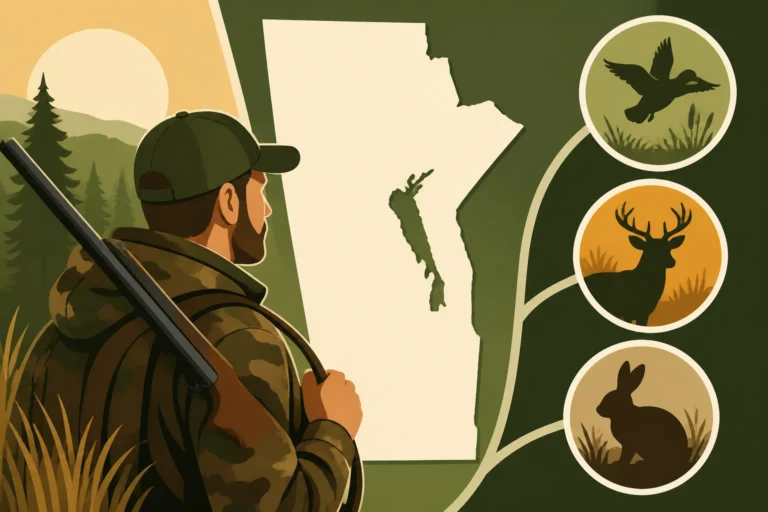
While big game hunting often sees the most pronounced GHA-specific regulations, waterfowl and upland bird hunters also need to be aware of how these zones influence their pursuit. For waterfowl, Manitoba is divided into zones (often aligning with GHA boundaries or groups of GHAs) that dictate specific season dates and bag limits for ducks and geese. "Manitoba Game Bird Seasons and Limits" will outline these zone-specific dates. For example, the season for Canada geese might open earlier in the Northern Zone than in the Southern Zone, reflecting migratory patterns.
Upland birds like sharp-tailed grouse, ruffed grouse, and Hungarian partridge also have season dates and bag limits that can vary slightly across different GHAs or broader regions. While not as granular as big game, knowing your GHA is still important for ensuring you comply with daily and possession limits, and for understanding specific hunting restrictions that might be in place for certain sensitive areas within a GHA. Always check the current year’s migratory bird hunting regulations from the federal government, in conjunction with Manitoba’s provincial guide, as federal rules govern migratory birds like ducks and geese.
Disclaimer
The information provided in this guide is intended for general informational purposes only and does not constitute legal advice. Hunting regulations in Manitoba can change annually, and it is the hunter's sole responsibility to consult the most current official Manitoba Hunting Guide and any other relevant provincial or federal regulations before engaging in any hunting activities. Always ensure you have the appropriate licenses, tags, and permissions, and adhere strictly to all safety protocols and ethical hunting practices.