Manitoba Big Game Tag Costs
Trying to figure out the exact costs associated with hunting in Manitoba can feel like deciphering a complex puzzle, especially when you're just trying to plan your next adventure without any hidden surprises. Between the general licences, specific tags, and all the little fees that add up, it’s easy to get overwhelmed. This comprehensive guide is here to demystify the financial side of pursuing big game in Manitoba, breaking down all the tag costs and other essential expenses you’ll need to budget for a successful and stress-free hunt.
Understanding the Foundation: Manitoba Hunting Licences
Before you even think about specific big game tags, it's crucial to understand the foundational licences required to hunt in Manitoba. These are the entry tickets that allow you to participate in hunting activities in the province, and they come with their own set of costs and regulations. Think of these as your basic hunting permit; without it, no tags are valid.
Resident vs. Non-Resident General Licence Fees
The first major distinction in Manitoba hunting costs lies in whether you are a resident of Manitoba, a resident of another Canadian province, or a non-resident of Canada. Manitoba residents typically enjoy lower base licence fees, a reflection of their ongoing contributions to the province's conservation efforts through taxes and other means. For instance, a general resident hunting licence is relatively affordable, paving the way for purchasing various game tags. It's designed to encourage local participation and provide access for those who live here year-round.
For non-residents, both from other Canadian provinces and especially from outside Canada, the general licence fees are significantly higher. This difference often helps fund the extensive wildlife management and enforcement programs that benefit all hunters. Canadian non-residents, while paying more than Manitoba residents, still often have a different fee structure than international non-residents, reflecting reciprocity agreements or different logistical considerations. You might find yourself paying a few hundred dollars just for the general hunting licence before you even consider specific big game tags, so make sure you factor this in right from the start.
The Essential Wildlife Habitat & Conservation Stamp
Regardless of your residency status, every hunter pursuing migratory game birds, upland game birds, or big game in Manitoba must purchase a Wildlife Habitat and Conservation Stamp. This stamp isn't just a formality; it's a vital contribution to habitat preservation and conservation initiatives across the province. The funds generated from these stamps go directly back into projects that enhance wildlife populations and secure critical habitats, ensuring there are healthy ecosystems for generations of hunters and wildlife enthusiasts.
This stamp is a mandatory purchase, usually a nominal fee, but one that is absolutely non-negotiable for anyone carrying a hunting licence in Manitoba. It's often purchased alongside your general hunting licence and specific tags through the same system. Missing this small but mighty detail could invalidate your entire hunt, so always double-check that you've added it to your cart when purchasing your licences online via the Manitoba e-Licensing Portal. It's a small price to pay for the incredible landscapes and diverse wildlife we're privileged to enjoy here.
The Role of Hunter Education
Before you can even apply for any hunting licence or tag in Manitoba, you must have successfully completed a recognized hunter education course. This is not a cost in terms of a tag, but an essential upfront investment of both time and money. For first-time hunters, or those who haven't completed a certified program, this course covers everything from firearm safety and wildlife identification to ethical hunting practices and Manitoba's specific hunting regulations. This foundational education is paramount to ensuring safe and responsible hunting practices across the province.
The cost of a hunter education course can vary depending on the provider and format, but it's a one-time expense that yields a lifetime of knowledge and access to hunting. Many local hunting organizations and community colleges offer these courses, and some might even be available online for the theoretical portion. Make sure you check the specific requirements outlined by Manitoba's Department of Natural Resources and Northern Development to ensure the course you take is recognized. This is often the first hurdle for new hunters, and rightfully so, as it sets the stage for a safe and ethical hunting career. You can learn more about these requirements in our guide on Manitoba Hunter Education Requirements.
Breaking Down the Big Game Tag Costs by Species
Once your general hunting licence and conservation stamp are sorted, your next step is to acquire the specific big game tags for the animals you plan to pursue. This is where the costs truly vary, reflecting the species' management, population status, and the demand for hunting opportunities.
Whitetail Deer Tag Costs
Whitetail deer are, without a doubt, Manitoba's most popular big game animal. Their widespread distribution and healthy populations make them an accessible target for many hunters. The cost of a whitetail deer tag is generally one of the more affordable big game tags available, especially for Manitoba residents. This makes whitetail hunting a fantastic entry point for new hunters and a consistent pursuit for seasoned veterans. The tag price for a resident whitetail deer can be quite reasonable, often in the range of tens of dollars, providing excellent value for the hunting experience.
For non-residents, the whitetail deer tag will naturally come with a higher price tag. This premium helps manage hunter pressure and ensures that opportunities remain robust for both residents and visitors. When planning your whitetail hunt, particularly if you're coming from outside the province, it's wise to budget a few hundred dollars for your general licence and then another significant amount for the whitetail tag itself. Remember, some Game Hunting Areas (GHAs) might offer options like an antlerless tag in addition to an antlered tag, which could be part of a second licence opportunity, adding another layer to your planning and potential costs. You can explore these further in Manitoba's Second Deer Licence Rules.
Moose and Elk Tag Investments
Moose and elk tags represent a significant step up in cost and often in demand. These animals are iconic symbols of the Manitoba wilderness, and their populations require careful management, leading to more controlled hunting opportunities and consequently, higher tag prices. Moose tags, particularly for non-residents, can be among the most expensive, reflecting the extensive efforts in moose conservation, habitat protection, and the often remote, challenging nature of moose hunting. Residents, too, will find these tags are a more substantial investment than a whitetail tag, often hundreds of dollars.
Elk tags are also a premium purchase, with costs reflecting the limited draw opportunities and the specific management zones where elk thrive, such as around Riding Mountain National Park. Both moose and elk tags are frequently allocated through a draw system due to limited quotas, meaning there's no guarantee of drawing a tag even if you can afford it. The application fees for these draws are separate from the tag cost itself, so you'll pay a small fee just to enter the lottery. If you are successful in the draw, then you will pay the full tag cost. These species represent a truly committed hunting experience, both in terms of financial outlay and the dedication required for a successful hunt. For more details on the draw process, check out Manitoba's Elk and Moose Draws.
Bear and Caribou Tag Expenses
Black bear and barren-ground caribou tags offer unique and thrilling hunting experiences in Manitoba, and their associated costs reflect their specialized nature. Black bear tags are generally more accessible than moose or elk tags, though still a notable expense, especially for non-residents. Manitoba boasts healthy black bear populations across its vast boreal forests, making bear hunting a popular choice. Residents can typically acquire a bear tag for a moderate fee, while non-residents will face a higher cost, often bundled into guided hunt packages. Remember, you might also have the option for a second bear tag in certain areas, increasing your potential harvest and, of course, your expenses.
Barren-ground caribou hunting, primarily a fly-in experience in Manitoba's far north, carries a premium price tag that reflects the immense logistical challenges and the unique nature of the hunt itself. Caribou tags are among the most expensive big game tags, and for non-residents, these hunts almost always require booking with a licensed outfitter, where the tag cost is just one component of a much larger package. The value proposition here isn't just the tag, but the adventure of a lifetime in some of Canada's most remote wilderness. When planning these high-end hunts, tools like GoHunt can be invaluable for researching outfitters and understanding all-inclusive costs beyond just the tag. For season dates, refer to our Manitoba Bear Season Dates and Manitoba Caribou Licence Rules.
Here's a simplified breakdown of typical Manitoba big game tag costs, though these are subject to change and specific residency status:
| Species | Manitoba Resident Tag Cost (CAD) | Non-Resident Tag Cost (CAD) | Notes |
|---|---|---|---|
| White-tailed Deer | ~$60-80 | ~$250-350 | Excludes general licence. Second deer tags often available. |
| Moose | ~$250-350 | ~$1000-1500 | Draw required. Excludes general licence & draw application fee. |
| Elk | ~$150-250 | ~$500-800 | Draw required. Excludes general licence & draw application fee. |
| Black Bear | ~$60-80 | ~$250-350 | Excludes general licence. Second bear tags possible. |
| Barren-Ground Caribou | ~$200-300 | ~$1000-1500 | Excludes general licence. Often part of guided packages. |
Note: These figures are approximate and can change annually. Always verify current prices through the official Manitoba e-Licensing Portal.
Additional Costs and Considerations for Your Manitoba Hunt
Beyond the basic licence and specific big game tags, there are several other financial aspects to consider that can significantly impact the overall cost of your Manitoba hunting trip. Ignoring these details can lead to budget shortfalls and unnecessary stress.
Draw Application Fees and Chances
For highly sought-after species like moose and elk, Manitoba utilizes a draw system to allocate tags fairly. This means that merely being eligible to hunt isn't enough; you must apply for a chance to win a tag. Each application typically comes with a non-refundable fee, regardless of whether you are successful in the draw. While this fee is often nominal, it's an upfront cost that needs to be factored into your budget, especially if you apply for multiple species or GHAs. This fee covers the administrative costs of running the draw system.
It's also important to understand your draw odds. Some GHAs, particularly those known for trophy animals or high success rates, can be incredibly competitive, meaning your chances of drawing a tag might be slim. Tools and resources, like those provided by GoHunt or similar platforms, can sometimes offer insights into historical draw odds, helping you make informed decisions on where to apply. While the application fee isn't part of the tag cost, it's the gateway to potentially acquiring one of those coveted tags, so it's an unavoidable part of the process for certain big game.
Second Deer Licences and Special Permits
Manitoba offers opportunities for hunters to pursue a second deer licence in specific Game Hunting Areas, primarily for whitetail deer. This program is typically implemented in areas with healthy or overpopulated deer numbers, allowing hunters to fill their freezer with additional meat or to pursue another animal if their first tag was filled early in the season. The cost of a second deer licence is usually similar to the first tag, meaning you'll double your tag expenditure if you plan to utilize this option. These second licences are a fantastic opportunity for residents and sometimes non-residents to maximize their hunting experience, but it’s an optional added cost.
Beyond second licences, there might be other special permits or endorsements required depending on the specific hunting activity or area. For instance, if you're interested in night hunting for predators in approved areas, you'll need a special permit for that, which also carries a fee. Always consult the current Manitoba Hunting Guide or the e-Licensing Portal to identify any such requirements that apply to your planned hunt. These can often be overlooked in initial budget planning but are critical for legal and ethical hunting.
Non-Resident Requirements and Guided Hunt Premiums
For non-residents of Canada, Manitoba has specific requirements that often include booking with a licensed outfitter for certain big game species, such as moose, elk, and caribou. This mandate is in place to ensure proper management, provide economic benefits to local communities, and ensure a high-quality, safe hunting experience for visitors. While the tag cost itself is outlined, the overarching cost of a guided hunt package will be substantially higher, encompassing the outfitter's fees for lodging, food, guiding services, transportation, and often the processing and care of your game.
The tag cost for a non-resident is typically included in the overall outfitter package, but it's important to understand this distinction. When booking, ask for a detailed breakdown of what's included and what's extra. These guided hunts can range from several thousand to tens of thousands of dollars, making the tag cost a smaller percentage of the total investment. For Canadian non-residents, some species allow unguided hunts, which significantly reduces the overall cost, though the tag price remains higher than for Manitoba residents. Understanding these differences is crucial for any hunter coming from outside the province, and our guide on Rules for Non-Residents Hunting Manitoba provides further clarity.
Navigating the Purchase Process: Where and How to Buy
Once you’ve got your budget figured out, the next step is actually acquiring your licences and tags. Thankfully, Manitoba has streamlined this process significantly over the years, primarily through its online e-Licensing portal.
The Manitoba e-Licensing Portal Experience
The most convenient and efficient way to purchase your Manitoba hunting licences, big game tags, and stamps is through the official Manitoba e-Licensing Portal. This online system is designed to be user-friendly, allowing you to create an account, manage your profile, and purchase all necessary documentation from the comfort of your home. It’s a vast improvement over the old days of tracking down vendors, and it ensures you have access to the most up-to-date information and pricing. When you log in, you'll see a clear list of available licences and tags based on your residency and past purchases.
The portal also keeps a digital record of your hunting history, making future purchases and draw applications simpler. You can print your licences at home or carry a digital copy on your mobile device, though it's always a good idea to have a physical backup, especially in remote areas where cell service is unreliable. Be sure to purchase well in advance of your hunt, as technical glitches, while rare, can happen, and you don't want to be scrambling the day before opening season. The system walks you through each step, ensuring you select the correct general licence, the Wildlife Habitat and Conservation Stamp, and any specific big game tags like your whitetail or bear licence. Platforms like GoHunt complement this by helping you plan which tags to buy, but the official purchase always happens through the provincial portal. For a full breakdown, check out Buying a Manitoba Licence Online.
Understanding License Expiration and Validation
It's absolutely critical to understand the expiration dates for your licences and tags, as well as the validation process. Most general hunting licences in Manitoba are valid for a specific hunting season, typically from spring (April 1st) to the following spring (March 31st). However, individual big game tags, while tied to the general licence, have their own specific season dates for the species and GHA you've selected. For instance, your whitetail tag might only be valid for a specific archery, rifle, or muzzleloader season, and only in the GHA printed on the tag.
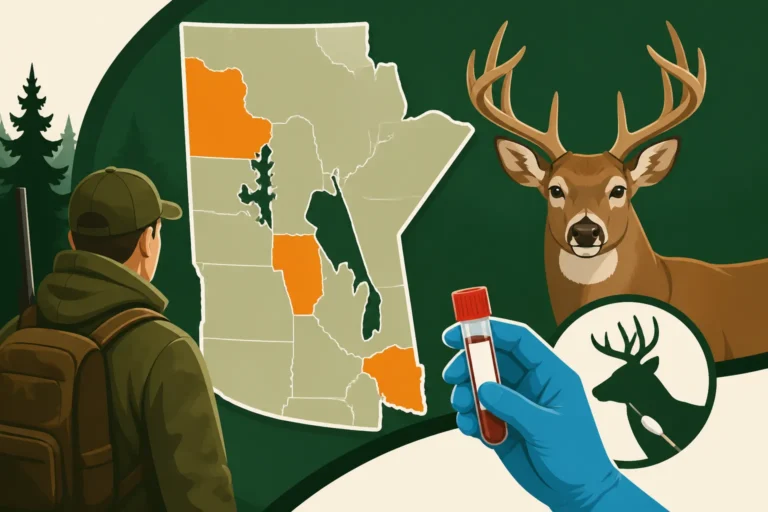
Upon harvesting an animal, you are legally required to immediately validate your tag by notching or otherwise marking it according to the instructions provided. This validation process is crucial for proper game management and adherence to regulations. Failure to validate a tag immediately after harvest is a serious offense. Additionally, some species, particularly those acquired through a draw, might require specific reporting or submission of biological samples (like CWD samples for deer). Always double-check the specific rules for your tag type and species to ensure compliance.
What to Do If Rules Change Mid-Season
While Manitoba's hunting regulations are generally stable, sometimes unforeseen circumstances, such as severe weather, disease outbreaks, or population fluctuations, can lead to in-season changes. This could involve GHA closures, adjustments to bag limits, or changes to season dates. It's rare for big game tag costs to change mid-season once purchased, but the validity of your existing tag might be affected.
The best way to stay informed is to regularly check the official Manitoba Hunting Guide, especially the "What's New" section, and to monitor announcements from the Department of Natural Resources and Northern Development. If a change impacts your specific GHA or species, official channels will provide clear instructions on what steps hunters need to take, which might include refunds or alternative tag options. Always err on the side of caution and verify any information from unofficial sources against the provincial regulations. Being proactive and informed is key to navigating any potential in-season adjustments seamlessly.
Budgeting Beyond the Tag: A Realistic Look at Total Hunt Expenses
While big game tag costs are a central piece of your hunting budget, they are by no means the only expenses. A truly successful and enjoyable hunt requires careful consideration of many other factors that contribute to the overall cost.
Travel, Accommodation, and Gear Considerations
Unless you're lucky enough to have prime hunting land in your backyard, travel will be a significant part of your hunting budget. This includes fuel for your vehicle, or plane tickets if you're traveling a great distance or flying into a remote camp for a caribou or moose hunt. Manitoba is a large province, and covering ground to scout or access hunting areas can consume a lot of gas. Accommodation costs can range from pitching a tent on Crown Land (which is free, but requires your own gear) to booking hotels, renting cabins, or paying for lodging at an outfitter's camp. These choices dramatically influence your bottom line.
Then there's the gear. While you might already own a rifle or bow, good quality hunting gear – appropriate clothing layers for Manitoba's often harsh weather, optics, boots, backpacks, and safety equipment like a GPS or satellite messenger – represents a substantial investment. Don't skimp on essential gear to save a few dollars; reliable equipment can make or break a hunt and, more importantly, ensure your safety. For those planning hunts in remote areas, specialized cold weather gear is a must, especially if you're considering Hunting Safely in Deep Winter Cold.
Meat Processing, Taxidermy, and Trophy Transport
After a successful harvest, the work isn't over, and neither are the expenses. Meat processing is a crucial next step. You can process the animal yourself, saving money but investing significant time and effort, or you can take it to a professional butcher. Professional processing costs vary by species and how you want the meat cut, but it’s a necessary expense to turn your game into delicious table fare. For large animals like moose or elk, this can run into the hundreds of dollars. Proper Meat Care in Manitoba's Cold Snaps is vital to ensure the meat doesn't spoil before processing.
If you've harvested a trophy animal and wish to preserve it, taxidermy is another significant expense. Mounts, rugs, or European skulls all come with a price tag that can easily exceed the cost of your tag. Furthermore, if you're a non-resident, you'll need to consider the costs and logistics of transporting your meat, cape, and antlers across provincial or international borders, which can involve specialized shipping, CITES permits for certain species, and additional paperwork. These post-harvest expenses are often overlooked when budgeting but are an integral part of the overall hunting experience.
Unexpected Costs and Emergency Planning
No matter how meticulously you plan, unexpected costs can arise on any hunting trip. A flat tire on a remote logging road, a piece of essential gear breaking, or an unforeseen medical emergency are all possibilities. Having a contingency fund or emergency savings is a smart move. This could be a few hundred dollars set aside specifically for "what if" scenarios.
Additionally, consider travel insurance, especially if you're traveling from a different country. This can cover medical emergencies, trip cancellations, or lost gear. In Manitoba's vast and wild landscape, being prepared for the unexpected isn't just about money; it's about safety. Ensure your vehicle is well-maintained, carry a comprehensive first-aid kit, and always let someone know your hunting plans and expected return. A small investment in emergency preparedness can save you a lot of grief and money in the long run.
Disclaimer
Please remember that hunting regulations, licence fees, and tag costs in Manitoba can change. While every effort has been made to provide accurate and up-to-date information in this guide, it is your responsibility as a hunter to consult the official Manitoba Hunting Guide and the provincial e-Licensing Portal for the most current and authoritative details before planning or embarking on any hunt. Ignorance of the law is not a defence.