Hunting a Swathed Grain Field at Dusk
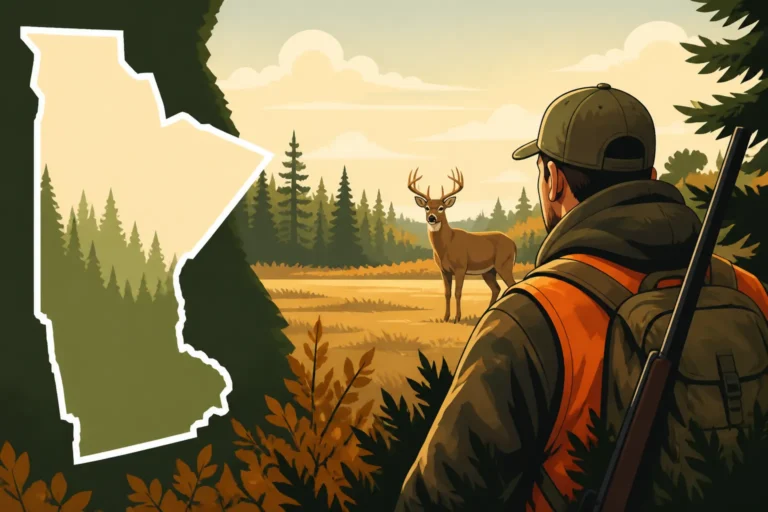
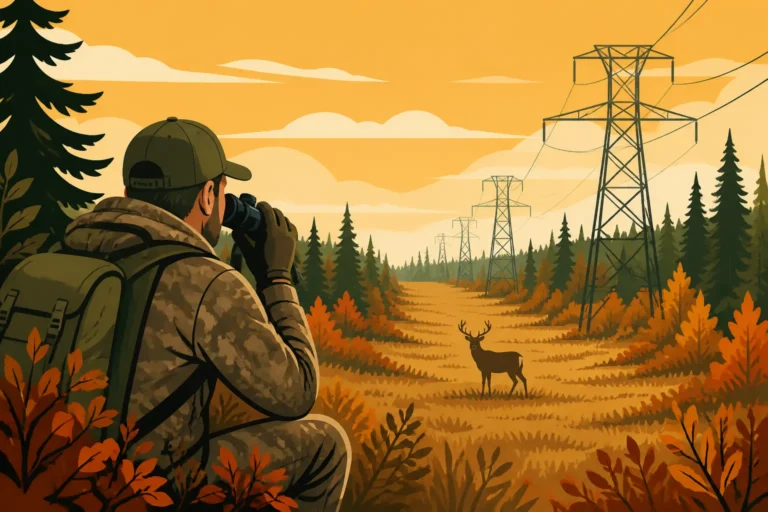
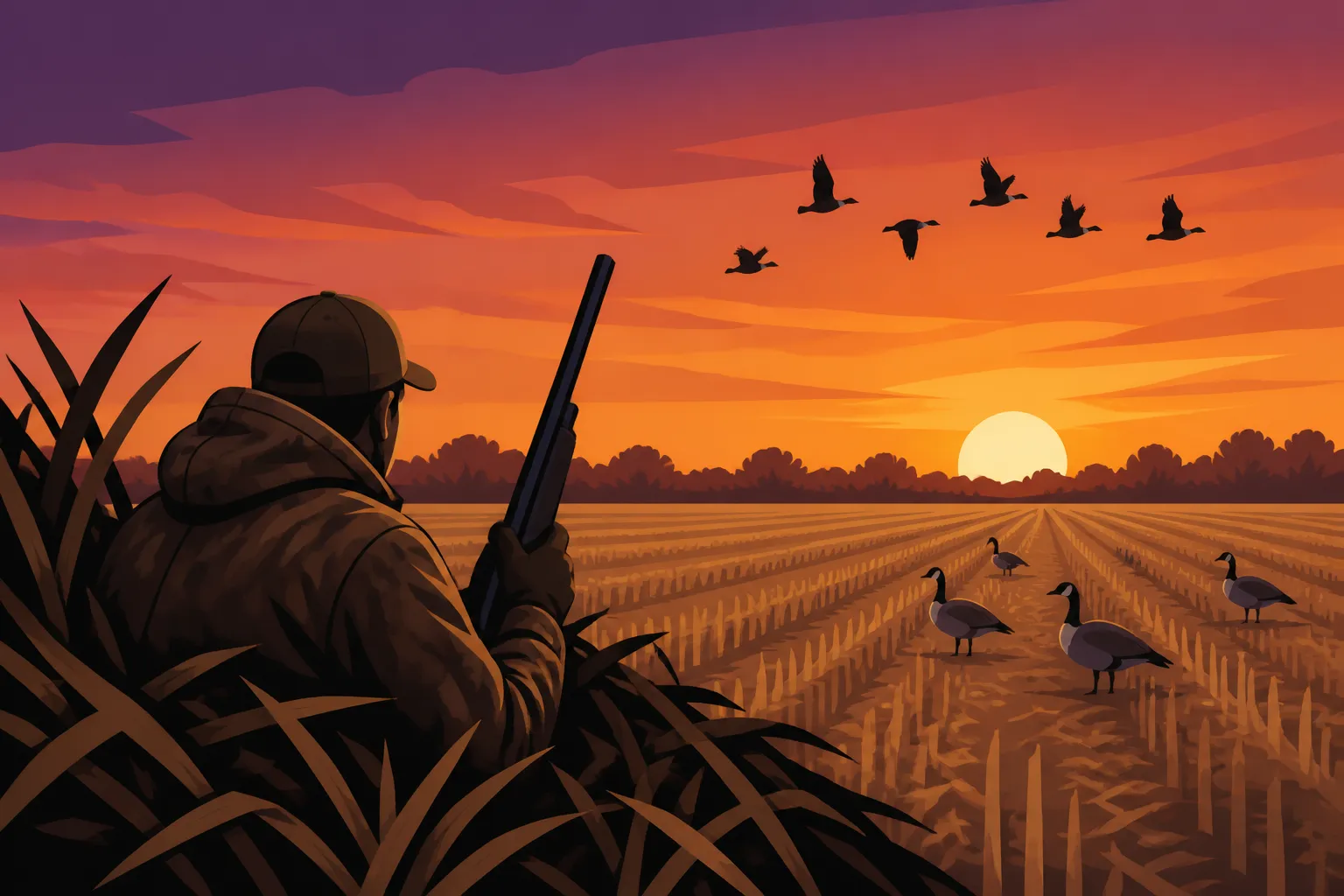
There’s nothing quite like the fading light of a Manitoba autumn day, the air growing crisp, and the anticipation building as you watch a vast field. Many hunters feel a rush as the sun dips below the horizon, but they also know the frustration of deer seemingly vanishing into thin air once that golden hour hits. This guide is all about honing your strategy for hunting a swathed grain field at dusk, helping you understand why these areas are prime real estate for game and how to capitalize on those precious last minutes of legal shooting light.
Why Swathed Grain Fields Are a Dusk Magnet for Game
Hunting a swathed grain field at dusk in Manitoba offers a unique advantage because these fields are absolute magnets for various game animals, especially whitetail deer, and even some waterfowl. Unlike standing crops, which provide more cover but can be harder to hunt, swathed fields lay the grain down, creating an irresistible combination of readily available food and a certain level of security. It's an environment that encourages deer to drop their guard slightly as they feed, making those twilight hours incredibly productive if you know how to approach them.
The Buffet Line Effect
Imagine a deer’s perspective: a vast expanse where food is literally laid out for them, easy to access without having to fight through tough stalks. Swathed fields, whether it's wheat, barley, oats, or peas, are essentially a huge, open-air buffet. The grain is already cut and drying, making it incredibly easy for deer to browse through the rows, often picking up spilled kernels or nibbling on the remaining stalks. This ease of access is a huge draw, particularly as the deer begin to really feel the need to build up fat reserves before the rut and the colder winter months ahead. They can move slowly, methodically, and with less effort than foraging in thick bush. This creates predictable patterns where deer will often emerge from bedding areas and head straight for these easy meals as the day winds down.
Furthermore, these fields offer a transitional feeding ground. Deer might spend the middle of the day bedded down in a nearby bush, perhaps a dense willow run or a thick patch of aspen, and then, as evening approaches, they’ll start to filter out into the adjacent swathed fields. This movement pattern makes the edges of these fields, and even small islands of cover within them, crucial areas to focus your efforts. The combination of food, minimal effort, and often overlooked edges can make for some incredible action, especially when hunting the Parkland Fringe for Big Bucks.
Safety and Seclusion
While a swathed field might appear open, it actually offers a surprising amount of perceived safety for deer at dusk. The rows of laid-down grain, even when relatively flat, can provide just enough visual breakup to make a deer feel less exposed than in a freshly tilled field. They can move through these rows, their bodies partially obscured, giving them a sense of seclusion while they feed. It’s not dense cover, but it’s enough to make them feel comfortable, especially as the light fades and their natural camouflage becomes even more effective. This is particularly true if the field is adjacent to thicker cover, like a river bottom, a treeline, or even a deep bluffy draw.
Another aspect of safety for game is the relative quietness of these fields compared to, say, a standing corn field where every rustle can be heard. In a swathed field, their movements are quieter, and the gentle evening breeze rustling through the stubble can help mask any slight noise they make. This allows them to focus on feeding without constantly being on high alert, making them slightly more relaxed targets. Predators, including human hunters, rely on sight in these open conditions, but as dusk settles, both sight and sound become equally important, and the subtle cover of the swathe plays into the deer's favour. Understanding this dynamic is key to predicting their movements and setting up effectively.
Scouting Your Swathed Field for Success
You can’t just walk into any swathed field and expect immediate success. The magic happens when you pair a desirable food source with diligent scouting. Before you even think about setting up a stand or ground blind, you need to put in the legwork to understand how deer are using the specific field you’re interested in. This isn't just about finding tracks; it's about understanding the entire ecosystem of that field and the surrounding areas. Using tools like GoHunt can be incredibly beneficial here, as it allows you to visualize property lines and terrain features from a bird's-eye view, helping you identify potential travel corridors or hidden pockets of cover.
Reading the Lay of the Land
When you’re scouting a swathed field, you’re looking for more than just a big area of food. You need to identify the subtle features that funnel deer movement. Look for natural funnels like shelterbelts between two fields, small drainage ditches, or even subtle changes in elevation that might create a natural travel path. Often, deer will use the easiest path between their bedding area and their feeding ground. This might be a fence line, a slight depression, or even a well-worn path right through the middle of the swathed rows. Pay close attention to where deer enter and exit the field. Are they coming from a specific bush edge, crossing a particular point, or following an old farm track? Fresh tracks, droppings, and even rubs or scrapes along these edges will tell you exactly where the deer prefer to move.
Don't forget to examine the field's perimeter. Often, deer will stage in the thicker cover just inside the treeline or brush until they feel secure enough to venture out into the open. The edges where the swathed field meets thicker bush or a creek bottom are often prime locations. These edge habitats provide deer with a sense of security while still allowing them quick access to the food. You might find a well-used trail leading from a dense treeline, often where you might consider Hunting a Bush Edge, directly into the swathed grain. This "staging area" is critical, as deer will often wait here for optimal low light conditions before committing to the open field.
Timing is Everything
Observing game movement patterns isn't a one-time thing; it's an ongoing process. You need to spend time glassing these fields, preferably a few evenings before your hunt, from a discreet distance. Use quality binoculars or a spotting scope to watch where deer emerge, how long they stay, and which parts of the field they favor. Do they come out exactly at 6:30 PM every night, or does it vary with weather conditions? Are they hitting the oats first, or do they prefer the barley swaths? Understanding these nuances will dramatically increase your chances of success.
Look for a consistent pattern. If you see deer routinely appearing in the same corner of the field, or using a specific trail, that’s your cue. Pay attention to how the wind affects their entry and exit points. Deer are incredibly sensitive to wind direction, and they will almost always approach a feeding area from downwind to scent-check for danger. This information is vital for planning your setup. For example, if deer consistently enter a field from the west side with an east wind, you know you need to be set up on the west side, with the wind in your face as they approach. This kind of detailed observation can make the difference between a frustrating evening and a successful hunt.
| Scouting Element | What to Look For | Why it Matters | Actionable Tip |
|---|---|---|---|
| Deer Trails | Well-worn paths, fresh tracks. | Indicates consistent travel routes. | Pinpoint entry/exit points to the swathed field. |
| Droppings/Pee | Fresh piles, distinct urine spots. | Confirms recent deer presence and feeding activity. | Focus on areas with the freshest sign. |
| Rubs/Scrapes | Rubbed saplings, pawed ground with overhanging branch. | Bucks marking territory, indicates buck activity. | Note location relative to trails and field edges. |
| Bedding Areas | Depressions in tall grass, thickets, dense bush near field. | Where deer rest during the day. Predicts evening travel. | Identify adjacent cover, use GoHunt for satellite views. |
| Preferred Grain | Signs of feeding on specific swathed crop (e.g., peas, wheat). | Deer preference for certain food sources. | Prioritize scouting fields with favoured crops. |
| Wind Direction | Prevailing winds, how deer approach/depart. | Crucial for remaining undetected. | Plan your stand/blind location based on common winds. |
| Time of Appearance | Consistent emergence times in evening. | Predicts optimal hunting window. | Observe for multiple evenings from a distance. |
Setting Up for the Perfect Dusk Ambush
Once you've done your diligent scouting and identified key areas within or around the swathed field, it's time to plan your ambush. Setting up correctly for a dusk hunt is critical, as you're dealing with limited light and potentially wary animals. Your goal is to be invisible, silent, and positioned for an ethical shot within the fleeting window of opportunity. Whether you're hunting a Manitoba Quarter Section or a larger expanse, careful planning makes all the difference.
Concealment and Wind Direction
This cannot be stressed enough: wind direction is your absolute number one priority. Deer rely heavily on their sense of smell, especially in open country like a swathed field. If they catch your scent, the game is over before it even begins. Always approach and set up with the wind in your face or quartering. This might mean walking a much longer route to get to your stand, but it’s a non-negotiable step. Check the wind constantly using a wind checker. Even a slight shift can compromise your hunt. If the wind changes direction unexpectedly, you might need to quietly relocate or abort the hunt for the evening.
For concealment, you need to blend seamlessly into your surroundings. If you’re hunting from a treestand, choose a tree that offers good cover and a clear shooting lane into the field. Ensure your silhouette is broken up against the sky. For ground blinds, either natural or manufactured, make sure they are brushed in thoroughly. A common mistake is setting up a ground blind too late, leaving it stark against the landscape. Deploy it days in advance if possible, or use plenty of natural vegetation to break up its outline. Sometimes, simply finding a natural depression, a large bale, or even the edge of a small willow clump within the field can offer enough cover. Remember that as the light fades, your outline becomes less distinct, but careful planning ensures you're a part of the landscape from the start.
Shot Placement and Ethical Harvesting
As the light fades, judging distance and identifying your target can become challenging. This is where your preparations truly pay off. Know your firearm or bow, and practice shooting in various low-light conditions. When a deer steps out, take your time to confirm it's the animal you're after and that you have a clear, ethical shot opportunity. Never rush. Wait for the deer to present a broadside or slightly quartering-away shot, aiming for the vitals behind the shoulder. In the dim light of dusk, it’s easy to misjudge a shot, so patience is key.
Before you even step into the field, have a plan for retrieving your animal. If you make a shot right at the end of legal shooting light, you might have to track in the dark. Carry a powerful flashlight and even a headlamp. Mark the spot where the deer was standing when you shot, and the direction it ran. If you're not absolutely certain of your shot placement or if the trail is tough to follow, back out and return in the morning with fresh eyes and possibly a tracking dog, if allowed. There’s nothing worse than losing an animal due to impatience or poor preparation. Ethical harvesting isn't just about the shot; it's about the entire process from trigger pull to recovery.
Gear and Tactics for Swathed Field Hunting
Hunting a swathed grain field at dusk presents unique challenges and opportunities that specific gear and tactics can help you leverage. The conditions—open terrain, fading light, and potentially distant shots—demand careful consideration of what you bring and how you use it. This is where investing in quality equipment truly pays off.
Optics and Rangefinders
In those last minutes of daylight, good optics are your best friend. A high-quality pair of binoculars (10×42 or 10×50 are excellent choices) will allow you to scan the field and pick out deer in the shadows long before they become visible to the naked eye. Look for binoculars with excellent light-gathering capabilities to make the most of the low-light conditions. This is especially important for identifying deer at a distance and ensuring they are indeed legal game. Brands like Maven, Vortex, or Leupold offer excellent performance for the price.
A reliable rangefinder is also non-negotiable. Judging distance accurately in an open field, especially as dusk deepens, is incredibly difficult. What looks like 200 yards might easily be 300, and that can mean the difference between a clean kill and a missed shot. Before the hunt begins, range several landmarks in the field – a hay bale, a clump of weeds, a fence post – so you have reference points. This practice, combined with using your rangefinder when a deer appears, ensures you know the exact distance and can make the necessary adjustments to your shot. For instance, if you're set up on a slight rise, using a mapping application like GoHunt can help you pre-range distances from your intended setup spot to various points in the field, making in-the-moment decisions much easier.
Calling and Decoying Strategies
While not always necessary for hunting swathed fields, calling and decoying can be incredibly effective, particularly if you're targeting whitetails during the rut or even early season when they're establishing territories. For whitetails, soft grunts, doe bleats, or even light rattling can pique a curious buck’s interest. In open fields, sound travels well, so don't be overly aggressive with your calls, especially at dusk when animals are already wary. A subtle call might be just enough to turn a deer towards you or stop it for a shot opportunity.
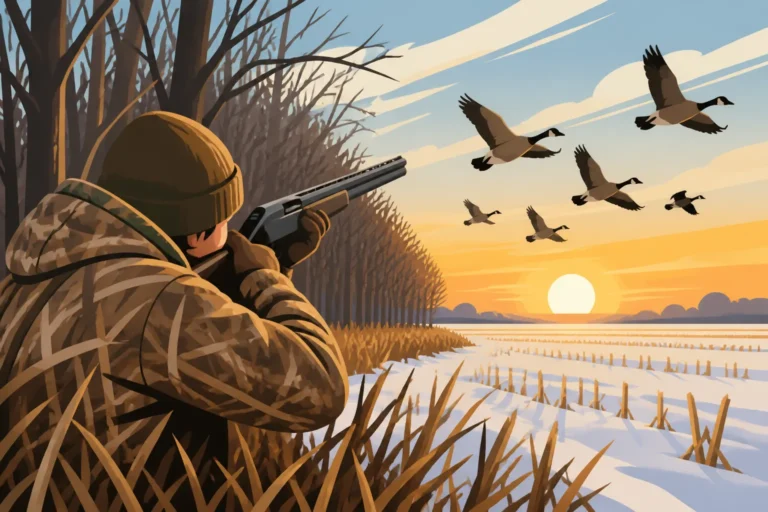
For certain species, like geese or cranes, swathed fields are absolutely prime real estate, and decoying is a critical component. If you’re scouting fields for Manitoba Waterfowl, a good spread of decoys, especially full-body Canada goose or snow goose decoys, can bring birds right into your landing zone. Combine this with expert calling, and you can create an irresistible scene for migrating birds. For deer, a single buck or doe decoy can sometimes draw in a dominant buck looking for a challenge, or a curious doe. Ensure the decoy is set up to face away from you, as approaching deer will often look at the decoy and present a broadside shot for you. Remember that decoy placement should always consider wind direction, as animals will almost always approach from downwind to scent-check the "intruder."
Hunting a swathed grain field at dusk in Manitoba can be one of the most rewarding experiences you can have in the fall. It combines the thrill of watching deer emerge from cover with the challenge of making a precise shot in fading light. By understanding why these fields attract game, meticulously scouting your chosen spot, and preparing your setup and gear, you’re not just hoping for luck; you're stacking the odds in your favor. It’s about being patient, being precise, and respecting the animals and the environment. Take the time to observe, plan, and execute, and you'll find that the magic of those twilight moments in a Manitoba grain field is truly unparalleled.
Disclaimer
The information provided in this article is for general guidance and informational purposes only. Hunting regulations and conditions can change rapidly. Always consult the latest Manitoba hunting regulations and acquire the necessary licences and permits before engaging in any hunting activity. Safety should always be your top priority.