Whether Drop Camps Are Allowed
The thought of truly getting away from it all, setting up a remote camp in the wilderness, and hunting on your own terms is incredibly appealing to many hunters. It conjures images of rugged self-reliance and deep connection with nature. But for those looking at Manitoba, the rules around "drop camps" aren't always straightforward, especially if you're not a resident. This guide will help clarify whether traditional drop camps are allowed in Manitoba and explore viable alternatives to achieve that desired backcountry hunting experience within provincial regulations.
Understanding Drop Camps in the Hunting World
When we talk about "drop camps" in hunting, we're usually picturing a very specific kind of adventure. It's about getting deposited into a remote area, often by air or boat, with your gear and supplies, and then being left to your own devices for the duration of the hunt. There’s no guide actively leading you; it's just you, your hunting partners, and the wild.
What Exactly is a Drop Camp?
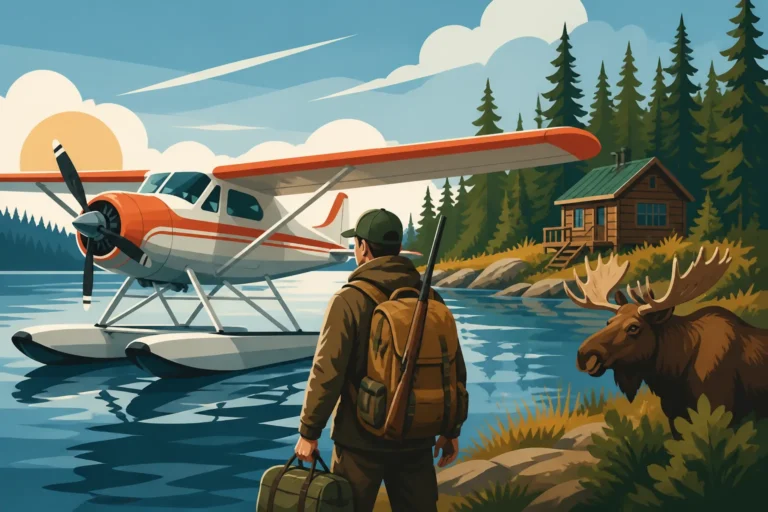
At its core, a drop camp is a remote, unguided hunting experience where access is often facilitated by a third party. Imagine chartering a float plane deep into the boreal forest, getting dropped off on a pristine lake with all your tents, food, and hunting equipment, and then being picked up a week later. Or maybe it’s a boat shuttle up a remote river, leaving you at a designated spot. The defining characteristic is that the outfitter or transporter drops you off, provides no further guiding services, and you manage your own hunt from that point on. This contrasts sharply with a fully guided hunt where a professional guide accompanies you, leads you to game, handles logistics, and ensures compliance with regulations throughout your stay. It’s an attractive option for experienced hunters who want the challenge and freedom of a do-it-yourself expedition but need help with the initial access to truly wild country.
Why Hunters Seek Out Drop Camps
The allure of a drop camp is powerful for several reasons. First and foremost is the sense of true wilderness immersion and self-reliance. You're responsible for everything – scouting, navigating, setting up camp, cooking, hunting, and meat care. This level of independence is incredibly rewarding. Secondly, drop camps can often be more cost-effective than a fully guided hunt, as you're primarily paying for transportation and perhaps some basic camp amenities rather than the continuous service of a professional guide. This can open up opportunities for hunters on a tighter budget to access remote areas that would otherwise be out of reach. Finally, many hunters simply crave the solitude and challenge that comes with an unguided backcountry hunt. It's about testing your skills against the elements and the game on their terms, far from roads, other hunters, and the daily grind. It's an adventure into the unknown, a chance to disconnect and truly experience the wild, often resulting in deeper connections with hunting partners and the landscape itself.
Manitoba's Regulations on Unguided and Self-Guided Hunts
Now, let's get down to the nitty-gritty of Manitoba's hunting regulations, because this is where the traditional "drop camp" concept often hits a snag, especially for non-residents. Manitoba has specific rules designed to manage its wildlife resources and ensure fair chase, and these rules differentiate significantly between resident and non-resident hunters.
Non-Resident Requirements for Guided Hunts
This is the big one, and it's absolutely crucial for anyone coming from outside Manitoba. For big game species like moose, elk, caribou, and black bear, non-residents are generally required to hunt with a licensed Manitoba outfitter or guide. This isn't just a suggestion; it's a legal requirement. This rule means that the classic "drop camp" scenario, where a non-resident is simply dropped off in a remote area with no guide, is typically not allowed for these big game species. The intent behind this regulation is often multi-faceted: it helps manage hunting pressure, ensures proper ethical conduct, and supports the local outfitting industry. This rule fundamentally changes the game for non-residents planning a big game hunt in Manitoba. While you might find a transporter to get you into remote areas, if you're a non-resident pursuing big game, you need to ensure that arrangement complies with the guiding requirement. This often means booking a fully guided hunt or, at the very least, a hunt where the licensed outfitter provides the necessary guiding services as per their permit. Understanding Rules for Non-Residents Hunting Manitoba is paramount before making any plans. You also need to be aware of Which Species Need a Manitoba Guide.
Resident Hunter Freedoms and Limitations
If you're a resident of Manitoba, the situation is much more flexible. Residents generally have the freedom to hunt many species, including big game, without the requirement of a licensed guide. This opens the door wide for self-guided, backcountry hunting trips, including setting up remote camps. For a Manitoba resident, a "drop camp" could absolutely be a self-organized float plane or boat trip into the wilderness, where you establish your own temporary camp. However, "freedom" doesn't mean "anything goes." Residents still need to adhere to all provincial hunting regulations, including season dates, bag limits, GHA (Game Hunting Area) specific rules, and proper licensing. You'll need to purchase your Manitoba Hunting Licences and What They Cost and any necessary tags. Even for residents, setting up a camp on certain types of land, like designated provincial parks or some Wildlife Management Areas, might have specific restrictions or require permits beyond your hunting license. It's always essential to consult the current Manitoba Hunting Guide and understand the specific rules for the GHA you plan to hunt.
The Role of Crown Land and Access
Manitoba boasts vast expanses of Crown Land, which is public land generally open for hunting and recreational use, including camping. This is where most self-guided remote hunting and potential "drop camp" scenarios would take place for residents. The concept of Public Hunting Land in Manitoba is central to the resident hunter's ability to create a remote camp experience. However, "Crown Land" isn't a single, uniform entity. There are different classifications and designations within Crown Land, such as Provincial Forests, Wildlife Management Areas (WMAs), and other special areas, each with its own set of specific rules and regulations.
For example, while general camping is often allowed on Crown Land, there might be duration limits, restrictions on open fires, or rules against permanent structures. Manitoba's Crown Land Access is generally good, but getting deep into remote areas often requires special planning or transportation. You might need to consider vehicle access, boat access, or even air access depending on how far off the beaten path you want to go. When considering WMAs, it’s crucial to familiarize yourself with Manitoba's Wildlife Management Areas rules, as these can vary significantly from general Crown Land regulations and often have specific restrictions on camping or vehicle use to protect sensitive habitats. Always check the specific GHA and land designation for any area you plan to hunt and camp in.
Practicalities and Legalities of Setting Up a Remote Camp
So, you've determined if your hunter status allows for a self-guided remote hunt in Manitoba. Now, let's talk about the practical and legal considerations of actually setting up that camp in the wilderness. It's more than just pitching a tent; it involves understanding land use, environmental impact, and safety.
Temporary Shelters vs. Permanent Structures
Manitoba regulations typically differentiate between temporary shelters and permanent structures on Crown Land. A "drop camp" for a self-guided hunt almost universally implies a temporary setup. Think tents, canvas wall tents, tarps, or other shelters that can be easily erected and dismantled, leaving no trace. These are generally permissible on Crown Land, provided you adhere to camping regulations regarding duration, site impact, and waste management. You'll want to review Camping on Manitoba Crown Land for specific guidelines.
The moment you start thinking about building something more substantial – a cabin, a lean-to with a fixed roof, or any structure that requires significant alteration of the land or is intended to be left for extended periods – you're likely stepping into a different regulatory category. These permanent or semi-permanent structures usually require special permits or leases, which are generally not available for temporary hunting camps. The spirit of self-guided remote hunting on Crown Land is about leaving the land as you found it, minimizing your footprint. This means packing out everything you pack in, including all garbage, and not leaving any structures behind.
Specific Considerations for Wilderness Areas
Manitoba's vast landscape includes diverse types of public land, and while most Crown Land allows for general recreational use, specific "wilderness areas" or protected zones may have additional rules. For instance, Provincial Parks often have very strict regulations regarding camping, hunting, and access. While hunting may be permitted in certain zones of some Provincial Parks, camping might be restricted to designated campgrounds, or require specific permits not always applicable to a "backcountry hunt" style camp. It’s imperative to understand Manitoba Provincial Park Hunting Rules before considering such areas.
Similarly, within Wildlife Management Areas (WMAs), which are designed for wildlife conservation and public recreation, there can be specific restrictions on vehicle use, open fires, or even where and how you can camp. These rules are put in place to protect the habitat and ensure minimal disturbance to wildlife. Always check the regulations specific to the WMA you are interested in. Relying on generalized Crown Land rules without investigating the specific area's designation could lead to unintended violations. For truly remote "wilderness" experiences, ensure you understand the specific land designation and any unique rules that apply to that precise location.
Environmental and Safety Regulations
Beyond the hunting and camping rules, anyone undertaking a remote hunt and setting up a camp in Manitoba's wilderness must prioritize environmental stewardship and personal safety. The "Leave No Trace" principles are not just suggestions; they are critical for maintaining access and preserving the wild character of these areas. This means packing out all garbage, minimizing campfire impacts (or using alternatives like propane stoves, especially during fire bans), and disposing of human waste properly. Remember, you are a guest in the wilderness, and your actions reflect on all hunters.
From a safety perspective, a remote camp means you are largely on your own. Planning a Manitoba Hunting Trip involves much more than just hunting strategy. You need robust emergency preparedness, including a satellite communication device (like an inReach or Spot device), a comprehensive first-aid kit, knowledge of wilderness first aid, and survival skills. Weather in Manitoba can change dramatically, especially in fall and winter. You'll need appropriate gear for extreme cold, wet conditions, and insects. Water purification methods are essential. Always inform someone of your exact hunting area, your planned route, and your expected return date. This type of hunting is exhilarating but demands a high level of responsibility and preparedness.
| Feature | Traditional Drop Camp (Non-Resident, Big Game) | Manitoba Compliant Remote Hunt (Resident) | Guided Hunt (Non-Resident/Resident) |
|---|---|---|---|
| Legal Status | Generally Not Allowed for Non-Resident Big Game | Generally Allowed for Residents | Always Allowed & Required for Non-Residents (Big Game) |
| Guiding Service | None Provided | None Provided | Professional Guide Service Provided |
| Access | Often by Air/Boat (Third-Party Transport) | Self-Arranged (Vehicle, Air, Boat, Hike) | Arranged by Outfitter (Often Remote) |
| Camp Setup | Outfitter-provided, unstaffed | Self-provided (Tents, Temporary) | Outfitter-provided, staffed camp/lodge |
| Permits/Licences | Hunting Licence + Big Game Tags (Non-resident, requires guide involvement) | Hunting Licence + Big Game Tags (Resident) | Hunting Licence + Big Game Tags (Outfitter may assist with acquisition) |
| Cost Implications | Lower than fully guided, but still transport fees | Potentially lowest, DIY costs only | Generally highest (includes guide, lodging, food) |
| Independence | High | Highest | Moderate to Low (guided) |
| Primary Appeal | Remote access, unguided hunt, cost savings | Self-reliance, wilderness experience, flexibility | Expertise, logistics, higher success odds, convenience |
Alternatives to Traditional Drop Camps in Manitoba
Given the specific regulations for non-residents, and even for residents looking for different levels of support, a traditional "drop camp" as understood elsewhere might not always be feasible or the best option in Manitoba. However, there are excellent alternatives that can still provide a remote, adventurous, and fulfilling hunting experience.
Utilizing Licensed Outfitters for "Semi-Guided" Options
For non-residents, or residents who want some logistical support without the full hands-on guiding experience, a "semi-guided" hunt offered by a licensed Manitoba outfitter can be a fantastic middle ground. While a true "drop camp" is usually unguided, some outfitters provide services that come very close to that remote experience while remaining compliant with regulations. This might involve an outfitter providing transportation to a remote location, setting up a basic camp with tents, cots, and perhaps a wood stove, and then checking in on you periodically. The key difference is that the outfitter still holds the responsibility of a licensed guide, even if their presence is minimal or intermittent. This often includes initial orientation to the hunting area, advice on game movement, and ensuring all legal requirements are met. It gives you the independence you crave, but with a safety net and legal compliance built-in. When searching for such opportunities, look for outfitters who specifically mention "semi-guided" or "transportation only" packages, and always clarify exactly what services are included to ensure it meets the guiding requirements for non-residents. Websites like BookYourHunt can sometimes list these types of unique packages. It's important to understand What a Licensed Manitoba Guide Provides and how that might differ from a semi-guided approach. Delving into What a Semi-Guided Hunt Means Here can clarify expectations.
Planning a DIY Backcountry Hunt as a Resident
For Manitoba residents, the path to a true DIY backcountry hunt is wide open. This is where the spirit of the "drop camp" thrives without the legal hurdles. Planning such a trip involves significant effort but offers immense rewards. First, you'll need to research potential GHAs, focusing on areas with extensive Crown Land and suitable habitat for your target species. Tools like satellite imagery (and platforms like GoHunt that integrate this data) are invaluable for scouting remote locations, identifying access points, potential camp spots, and promising hunting terrain from your home. You'll need to secure all your own gear, from quality tents and cooking equipment to navigation tools and emergency supplies.
Access might involve driving as far as possible down gravel roads, then hiking or using ATVs on designated trails to reach your desired remote area. For truly deep wilderness, chartering a float plane or boat can still be an option, but you'd be arranging this as an independent resident, not necessarily through an outfitter who is bound by non-resident guiding rules. This path requires a strong knowledge of wilderness survival, navigation, first aid, and game processing. It’s an immersive experience that truly tests your outdoor skills and connects you deeply with the Manitoba wilderness.
Camping on Crown Land for Self-Supported Hunts
For residents, setting up a self-supported hunting camp on Crown Land is a fantastic way to access remote hunting opportunities. This simply means you pack in all your own gear, set up a temporary camp, and manage your hunt independently. Many parts of Manitoba's vast Crown Land network are accessible by vehicle, allowing you to drive close to your chosen hunting area and then hike or quad in a short distance to establish a camp.
The regulations for Camping on Manitoba Crown Land are relatively straightforward: generally, camping is permitted for up to 21 days in one spot, but you must adhere to "Leave No Trace" principles. This means packing out all garbage, minimizing impacts to vegetation, and being mindful of fire restrictions. Always select a camp spot away from waterways and sensitive ecosystems. If you're heading into a Provincial Forest or a WMA, double-check if there are any additional specific camping regulations for that particular area. Some areas might have specific rules regarding where you can park vehicles or set up tents to minimize disturbance. By doing your homework and respecting the land, a resident self-supported hunt from a temporary camp on Crown Land can be an incredibly rewarding and legally compliant way to experience the wild side of Manitoba hunting.
Disclaimer
This article is for general informational purposes only and does not constitute professional advice. Laws, prices and regulations vary by location and change over time. Consult a qualified professional for guidance on your specific situation.