Declaring a Firearm at the Canadian Border
One of the biggest anxieties for any hunter from outside Canada, especially those from the United States, planning a trip to Manitoba, is navigating the border crossing with firearms. It's a moment filled with uncertainty, the fear of making a mistake, and potentially having your prized hunting rifle confiscated. This guide aims to demystify the process of declaring your firearm at the Canadian border, ensuring your journey into Manitoba's incredible hunting grounds starts on the right foot, without any unwelcome surprises or legal troubles.
Why Proper Firearm Declaration is Absolutely Critical
Many hunters underestimate the importance of meticulous preparation when it comes to bringing firearms across international borders. It’s not just a formality; it's a legal requirement with serious implications if not followed. The Canadian Border Services Agency (CBSA) has stringent rules, and ignorance is definitely not an excuse. A single error or omission can lead to delays, fines, confiscation of your firearm, and even refusal of entry, effectively ending your hunting trip before it even begins. Imagine arriving at a Manitoba border crossing, excited for your Whitetail Hunting in Manitoba adventure, only to be turned away because a form wasn't filled correctly. It's a nightmare scenario no one wants to experience.
Understanding Canadian Firearm Classifications
Before you even think about packing your rifle, it’s essential to understand how Canada classifies firearms. Unlike other jurisdictions, Canada has its own distinct categories: non-restricted, restricted, and prohibited. For most hunters coming to Manitoba, you'll primarily be concerned with non-restricted firearms.
Non-restricted firearms typically include most common hunting rifles and shotguns. These are the firearms you'll use for pursuing everything from White-Tailed Deer, Manitoba's Most Hunted Animal to Moose Across Manitoba's Boreal Forest. They generally have barrel lengths of 18.5 inches or greater and are not designed to be fired in a semi-automatic fashion with large-capacity magazines. Most bolt-action, lever-action, and pump-action hunting firearms fall into this category. As a non-resident, these are typically the only firearms you'll be able to bring into the country for hunting purposes.
Restricted firearms include most handguns, certain semi-automatic rifles, and firearms that can be folded or collapsed to a short length. These are generally not permitted for non-resident hunters and require a specific authorization to transport (ATT), which is very difficult to obtain for hunting. Prohibited firearms include fully automatic weapons, certain short-barrelled handguns, and other firearms deemed too dangerous for civilian ownership. These are strictly forbidden, and attempting to bring them into Canada will result in severe penalties. It’s crucial to know your firearm's classification before you travel.
Consequences of Non-Compliance
Let's not sugarcoat it: failing to properly declare your firearm can ruin your trip and create significant legal headaches. If you attempt to conceal a firearm, provide false information, or simply fail to complete the declaration process, you could face severe penalties. This might include significant fines, confiscation of your firearm without compensation, a lifetime ban from entering Canada, or even criminal charges. The CBSA takes firearm security very seriously, and they are well-equipped to detect undeclared weapons. Their officers are highly trained to identify inconsistencies and will conduct thorough inspections if they suspect a problem. This isn't a situation where you can "wing it." You need to be prepared, honest, and follow every step to the letter. Don't risk your hunting season or your future travel plans to Canada.
The Non-Resident Firearm Declaration Process
The cornerstone of legally bringing your hunting firearm into Canada is the Non-Resident Firearm Declaration form, officially known as Form CAFC 909. This isn't just a suggestion; it's a mandatory document that acts as a temporary registration and license for your firearm while you're in Canada. Think of it as your firearm's passport. Getting this right is paramount to a smooth entry and an enjoyable hunt. Many outfitters, particularly those listed on platforms like BookYourHunt, will advise their clients to complete this form diligently.
The Non-Resident Firearm Declaration Form (CAFC 909)
The CAFC 909 form is a multi-part document that requires you to list all the firearms you are bringing into Canada. You'll need to provide details such as the make, model, type (rifle, shotgun), action (bolt, pump, lever, semi-auto), calibre or gauge, and serial number for each firearm. You'll also need to declare any ammunition you are bringing, specifying the type and quantity. It's important to remember that this form is specific to non-residents, so don't confuse it with other Canadian firearm licenses or permits that residents use.
You can download and print this form from the Canadian Border Services Agency (CBSA) website before you leave home. This is highly recommended, as it gives you ample time to fill it out accurately and clearly, without the pressure of a border queue. While you can often get the form at the border, having it pre-filled significantly speeds up the process and reduces the chance of errors. Make sure you fill it out in triplicate, but do not sign it until you are in front of a CBSA officer, as it needs to be witnessed.
Filling Out the Form Accurately
Accuracy is key. Double-check every single detail on the form against your firearm's actual markings. The serial number, make, and model must match exactly. If you misread a serial number, even by one digit, it can cause complications. I've heard stories from hunters who were delayed for hours because a "0" was mistaken for an "O" or a "1" for an "I." It sounds trivial, but to a border agent, it's a discrepancy that needs resolving. When you're dealing with a legal document concerning firearms, precision is paramount.
Also, be ready to declare the purpose of your visit (hunting), your destination in Manitoba, and the duration of your stay. If you've booked your hunt through an outfitter, ensure you have their contact information readily available. Reputable outfitters often provide a checklist or guidance on how to complete this form, knowing how crucial it is for their clients. It's part of Planning a Manitoba Hunting Trip that many focus on early.
Verification and Payment at the Border
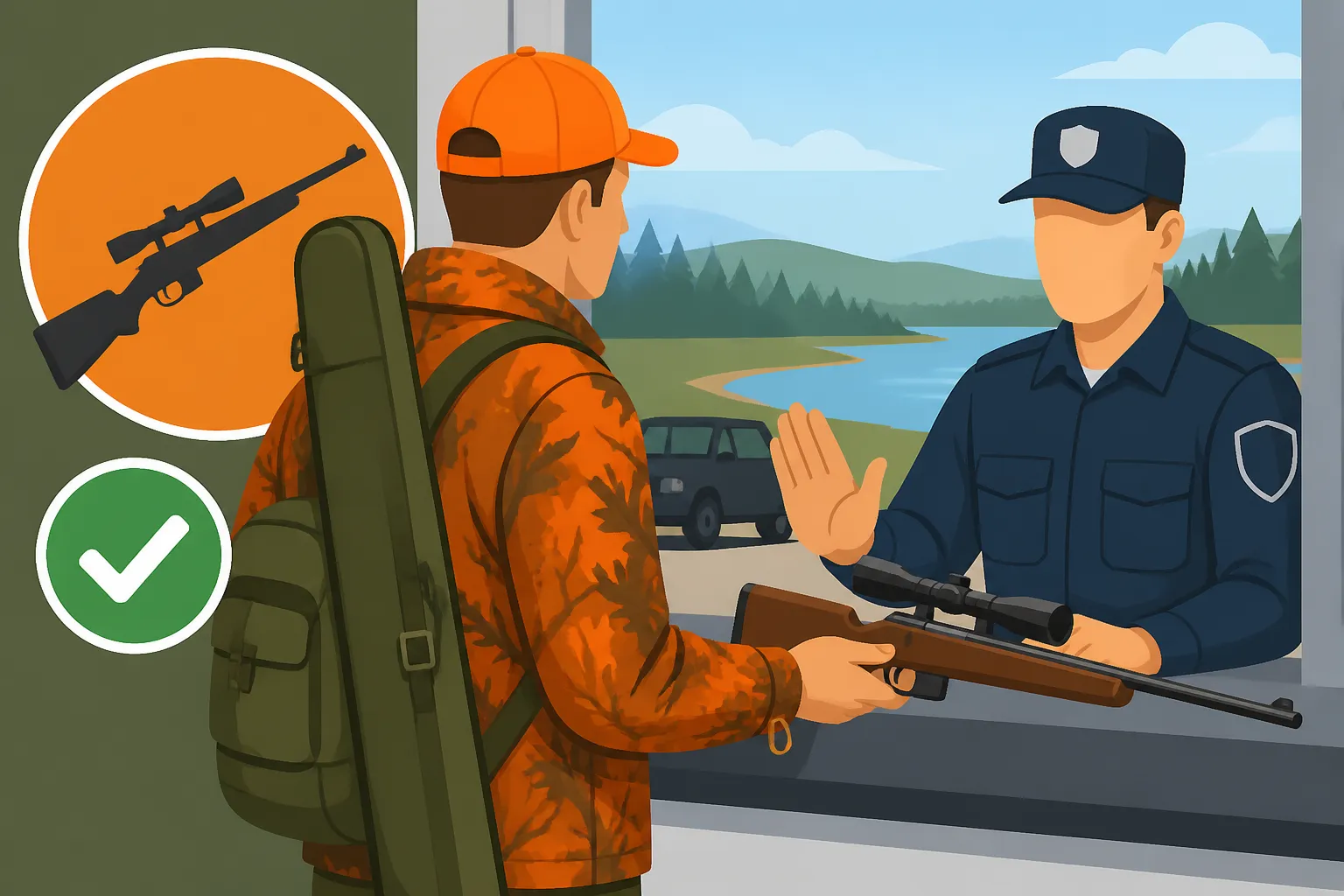
Once you arrive at the Canadian port of entry, you will present your completed, but unsigned, CAFC 909 form to the CBSA officer. They will review your documentation, inspect your firearms, and ensure all information matches. Your firearms must be unloaded and stored securely in a non-accessible manner. This usually means cased and in the trunk of your vehicle, separate from any ammunition.
The officer will then witness your signature and officially stamp and sign the declaration, effectively validating it. There is a processing fee for the declaration, which you will pay at the border. While I can't give specific figures, be prepared for this expense. The declaration is valid for 60 days from the date of issue and can be renewed if necessary. Keep your copy of the validated declaration with you at all times, as it serves as your temporary firearm license throughout your hunt in Manitoba. If you ever need to show your hunting license or identification, having this declaration handy is important.
Essential Considerations for Different Firearm Types
When bringing firearms into Manitoba, understanding the nuances between different types of weapons is absolutely crucial. While most hunters will be bringing non-restricted firearms, it's vital to be aware of what is and isn't allowed, and the strict rules surrounding ammunition. This knowledge prevents accidental violations and ensures a smooth hunting experience, whether you're targeting Elk in Manitoba's Parkland and Mountains or Black Bears Across Manitoba's Bush Country.
Non-Restricted Firearms for Hunting
As previously mentioned, non-restricted firearms are the bread and butter for most hunting excursions in Manitoba. This category includes common bolt-action, lever-action, and pump-action rifles and shotguns. For example, your trusty .30-06 deer rifle or your 12-gauge waterfowl shotgun will almost certainly fall into this classification. It's essential to confirm that your specific firearm meets the criteria, particularly regarding barrel length (generally 18.5 inches or more for semi-automatics, no minimum for other action types) and overall length.
When transporting these firearms, they must be unloaded. While specific casing requirements can vary slightly by province, it's always best practice to transport them in a locked case or trigger-locked, and out of immediate reach (e.g., in the trunk of your vehicle). This demonstrates responsible firearm ownership and helps to alleviate any concerns from border officials or law enforcement should you be stopped for any reason. Many hunters find it useful to keep a copy of their The Non-Resident Firearm Declaration with them, separate from the firearm itself, so they can readily present it.
Restricted and Prohibited Firearms
This is where many non-residents, particularly those from jurisdictions with different firearm laws, can run into trouble. Generally, restricted and prohibited firearms are NOT permitted for non-resident hunters coming into Canada. Restricted firearms, such as most handguns and certain semi-automatic rifles, require an Authorization to Transport (ATT) and a Possession and Acquisition Licence (PAL) which are extremely difficult, if not impossible, for non-residents to obtain for hunting purposes. You might find guides on platforms like GoHunt detailing the best gear for specific hunts, but these guides almost universally focus on non-restricted options for international hunters.
Prohibited firearms are exactly that: prohibited. This category includes fully automatic weapons, converted automatics, and certain firearms deemed particularly dangerous. Attempting to bring any firearm from these categories into Canada without proper, prior, and very specific authorization is a serious offense. This could lead to immediate arrest, significant fines, criminal charges, and a permanent ban from entering Canada. When planning your hunting trip, stick strictly to non-restricted firearms if you are a non-resident. If there's any doubt about your firearm's classification, contact the Canadian Border Services Agency or the Canadian Firearms Program before you travel.
Ammunition Limits and Storage
Beyond the firearms themselves, you also need to be mindful of ammunition. Canada has specific rules regarding the quantity and storage of ammunition that you can bring across the border. While you’ll certainly need enough for your Rifle Hunting Manitoba's Whitetail Rut or Waterfowl Hunting Manitoba's Grain Fields adventure, you can't bring an unlimited supply.
Typically, non-residents are allowed to import up to 200 rounds of ammunition per firearm declared, up to a maximum of 5,000 rounds overall, provided it is for their own use for hunting or target shooting. This quantity should be more than sufficient for most hunting trips. The key is "for your own use" – you cannot import ammunition for others or for resale. Ammunition must be stored separately from your firearms, ideally in a secure, sturdy container that prevents accidental discharge. It should not be readily accessible from the passenger compartment of your vehicle. Think secure, organized, and separate. For a detailed breakdown, check out Ammunition Rules at the Border.
Tips for a Smooth Border Crossing
Navigating an international border crossing with firearms can feel daunting, but with the right preparation and attitude, it can be a surprisingly smooth experience. Many hunters, especially those who plan their adventures meticulously with resources found on sites like BookYourHunt, understand that success starts long before they reach their hunting grounds in Manitoba.
Preparation is Absolutely Key
I cannot stress this enough: prepare everything in advance. The more organized and informed you are, the less stressful your border experience will be.
- Download and Pre-fill the Form: Get the Non-Resident Firearm Declaration form (CAFC 909) from the CBSA website and fill out all sections except the signature. Have it in triplicate.
- Gather Documents: Have your hunting license (or proof of application if you're getting it in Manitoba), passport, driver's license, and any outfitter booking confirmations ready. For Rules for Non-Residents Hunting Manitoba, this documentation is fundamental.
- Confirm Firearm Classification: Double-check that your firearms are indeed non-restricted. If you have any doubts, consult the Canadian Firearms Program website or call them before your trip.
- Secure Your Firearms: Ensure your firearms are unloaded and securely cased, preferably with a trigger lock, and stored in a separate compartment of your vehicle, like the trunk. Ammunition should also be stored separately and securely.
- Check Ammunition Limits: Confirm you are within the allowed quantity of ammunition (200 rounds per declared firearm, up to 5000 total).
- Know the Cost: Be aware there is a fee for the declaration. While I can't provide current figures, ensure you have a payment method ready.
- Know Your Itinerary: Be ready to clearly state your destination, the purpose of your trip (hunting), and your planned duration of stay. This is especially true for those traveling to remote areas for something like Barren-Ground Caribou Hunting in Northern Manitoba.
What to Expect at the Port of Entry
When you arrive at the border, remain calm and courteous. Customs officers are professionals doing their job to ensure national security and adherence to laws.
- Declare Immediately: When asked, "Do you have anything to declare?" state clearly and unequivocally, "Yes, I am declaring firearms for hunting." Don't wait for them to ask specifically about firearms. This upfront honesty sets a positive tone.
- Follow Instructions: The officer will direct you where to go and what to do. They may ask you to pull over for a secondary inspection. This is routine, especially with firearms, so don't be alarmed.
- Present Documents: Hand over your passport, the pre-filled CAFC 909 form, and any other requested documents.
- Firearm Inspection: The officer will likely want to inspect your firearms to verify the serial numbers and ensure they are unloaded and safely stored. Cooperate fully and do exactly as instructed. Do not touch your firearms unless asked to do so by the officer.
- Pay the Fee: Once everything is verified, you will pay the declaration fee, and the officer will sign and stamp your form. Keep this form safe, as it is your temporary license.
- Be Patient: Border crossings can sometimes take time, especially if there are many vehicles or if a secondary inspection is required. Patience and a good attitude go a long way. This is not the time to be in a rush or to appear agitated.
Common Pitfalls to Avoid
Even with the best intentions, some hunters still make mistakes. Avoid these common pitfalls:
- Lying or Concealing: Never, ever attempt to hide a firearm or lie about having one. The penalties are severe.
- Incorrect Information: Double-check all serial numbers and firearm details. A simple transcription error can cause significant delays.
- Unsecured Firearms: Arriving at the border with an uncased, loaded, or easily accessible firearm is a major red flag and a serious safety violation.
- Bringing Prohibited Firearms: Do not bring handguns or any firearms classified as prohibited into Canada for hunting. They are generally not allowed for non-residents.
- Forgetting Ammunition Rules: Exceeding the ammunition limit or storing it improperly.
- Lack of Documentation: Not having your passport, declaration form, or other supporting documents readily available.
- Not Valuing the Declaration: The validated CAFC 909 is your temporary license. Treat it as such. Without it, you are hunting illegally.
Remember, the CBSA officers are there to facilitate legal entry, not to obstruct it. By being prepared, honest, and respectful, you can ensure a smooth process and get to your hunting camp ready to enjoy Manitoba's incredible outdoors. GoHunt provides useful information on specific hunting regulations for various species, which might complement your border crossing knowledge for a complete trip.
| Aspect of Declaration | Key Action for Hunters | Reasoning |
|---|---|---|
| Form CAFC 909 | Download, print, and pre-fill before arriving. | Saves time, reduces errors, shows preparation. |
| Accuracy | Double-check all firearm details (serial, make, model) twice. | Mismatched info causes delays, suspicion, and potential confiscation. |
| Signature | DO NOT sign until in front of a CBSA officer. | Must be witnessed by the officer for legal validity. |
| Firearm Storage | Unloaded, cased/locked, in trunk/separate compartment. | Mandatory safety requirement, prevents unauthorized access. |
| Ammunition Storage | Separated from firearms, in secure container. | Safety, legal requirement, prevents accidental discharge. |
| Ammunition Limits | Adhere to 200 rounds per firearm (max 5000 total) for personal use. | Exceeding limits can lead to confiscation. |
| Required Documents | Passport, hunting license, outfitter info, CAFC 909. | Essential for identification and justifying your intent. |
| Honesty & Disclosure | Declare firearms immediately and openly. | Crucial for a smooth process; concealment leads to severe penalties. |
| Payment | Be ready to pay the processing fee at the border. | Mandatory fee for the declaration. |
| Keep Copy Safe | Carry your validated declaration with you at all times. | It is your temporary firearm license in Canada. |
Disclaimer
This article is for general informational purposes only and does not constitute professional advice. Laws, prices and regulations vary by location and change over time. Consult a qualified professional for guidance on your specific situation.