Hunting a First Nation Boundary Area
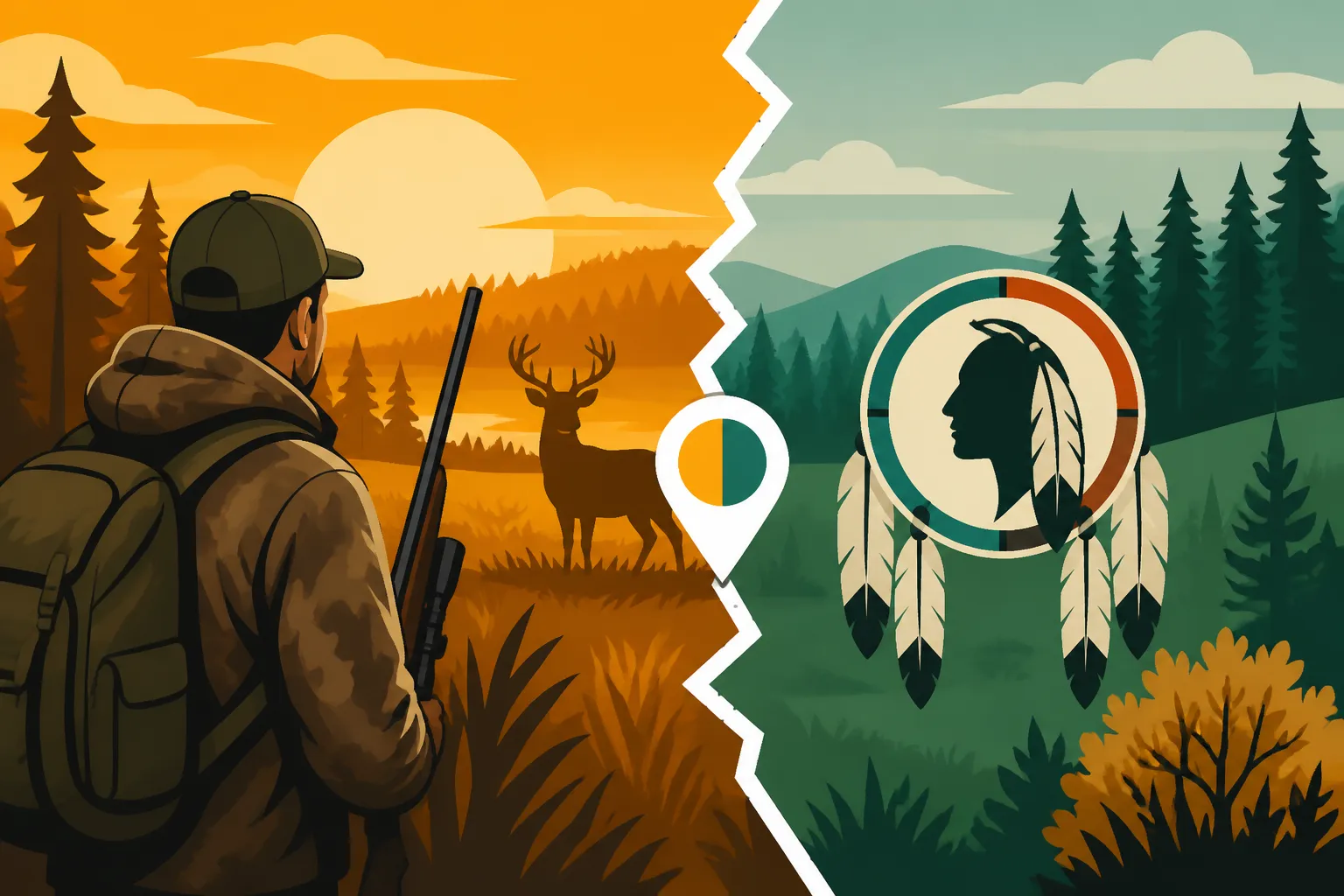
Hunting near any boundary can be tricky, but when those lines border a First Nation reserve or traditional territory in Manitoba, the stakes become considerably higher. It's not just about knowing where property lines are; it's about understanding complex legal frameworks, inherent rights, and above all, practicing profound respect. This guide is here to help you navigate these sensitive areas with confidence and integrity, ensuring you uphold the spirit of shared land use and avoid unintentional conflict.
Understanding First Nation Rights and Territories in Manitoba
Before we even talk about stepping foot into the bush, it's crucial to grasp the foundational principles behind First Nation lands and rights in Manitoba. This isn't just another parcel of land; it carries deep historical, cultural, and legal significance.
The Legal Framework and Treaty Rights
In Canada, First Nations have inherent rights to hunt, fish, and trap for sustenance on their traditional territories, often affirmed by treaties. These rights are protected by the Constitution and are distinct from the general hunting regulations that apply to most non-Indigenous hunters. While provincial regulations govern much of the hunting activity across Manitoba, they must coexist with and respect these established Aboriginal and Treaty rights. This means that lands designated as First Nation reserves are not Crown land, and therefore, the usual rules for accessing Crown land do not apply.
It's a common misconception that all land outside of private property is "public" in the same way. This is simply not the case, especially when you're looking at areas near First Nation communities. The concept of Treaty Hunting Rights and Shared Management is incredibly important here, reflecting an ongoing evolution in how hunting and resource management are approached in Manitoba, striving for cooperation rather than simple oversight. Understanding this fundamental difference is your first and most critical step.
Identifying First Nation Reserve Lands
So, how do you actually know where these boundaries are? This is often where hunters get frustrated because the lines aren't always as clear as a fence line or a "No Trespassing" sign. First Nation reserve lands are federally designated areas, and their boundaries are legally defined. However, these aren't always prominently marked on the ground, especially in remote areas or where traditional territories extend beyond formal reserve borders.
Tools like onX Hunt can be incredibly helpful for initial scouting and visualizing property lines from your armchair, giving you a general idea of land ownership, including potential First Nation boundaries, which might appear on their detailed mapping layers. While onX Hunt offers fantastic visual guidance, always remember it's a tool for information, not a definitive legal document for boundary disputes. You still need to cross-reference with official provincial land maps, GHA (Game Hunting Area) maps, and critically, maps provided by the First Nation communities themselves if you can access them. When you're in the field, look for physical markers: older survey pins, cutlines, changes in tree type or density, or even faint remnants of old fences. Being able to read a map thoroughly, whether it's Reading a Manitoba GHA Map Before You Go or Scouting With Satellite Imagery in Manitoba, is paramount to staying on the right side of the law and respecting these territories.
| Land Type | Access Rules for Non-Indigenous Hunters | Key Considerations |
|---|---|---|
| Crown Land | Generally open for hunting with proper licenses/tags. | Subject to GHA rules, specific closures, and provincial regulations. |
| Private Land | Requires explicit permission from the landowner before entering. | Respect posted signs, communicate clearly, and thank landowners. |
| First Nation Reserve | PROHIBITED without specific, explicit permission from the First Nation. | Treat as private land, but with added layers of legal and cultural significance. Avoid. |
| Traditional Territory | Can overlap with Crown land; may involve Treaty rights for Indigenous peoples. | Non-Indigenous hunters follow Crown land rules, but awareness of context is crucial. |
Navigating Access and Boundaries on the Ground
Once you have a better grasp of the legal landscape and how to identify potential boundaries, the next step is translating that knowledge into responsible action when you're actually out hunting.
Permission is Paramount: Private vs. Reserve Land
The golden rule of hunting extends beyond just private land; it's absolutely critical when you're anywhere near First Nation boundaries. For general Public Hunting Land in Manitoba or Manitoba's Crown Land Access, your provincial hunting license and tags are usually your ticket. However, the moment you encounter private property, you need permission from the owner – that's a basic tenet of Manitoba Landowner Permission Law. When it comes to First Nation reserve land, think of it as private land, but with an even stronger emphasis on requiring explicit permission, which typically needs to come from the Band Council or a designated authority within the community, not just an individual.
It’s not enough to simply avoid stepping onto a reserve. Hunting adjacent to a reserve also demands heightened awareness and caution. A wounded animal doesn't stop at a property line, and tracking it onto reserve land without prior permission could lead to serious misunderstandings or legal issues. Furthermore, the concept of "traditional territory" can sometimes extend beyond formal reserve boundaries. While non-Indigenous hunters adhere to provincial regulations on Crown land within these traditional territories, recognizing this deeper connection to the land fosters a more respectful approach.
Respectful Communication and Due Diligence
This might be the most challenging, but also the most rewarding, part of the equation: communication. If you plan to hunt in an area that borders a First Nation reserve or is within a traditional territory, making an effort to connect with the local First Nation community or their Band Office before your hunt can make a world of difference. This isn't about getting "permission" to hunt on Crown land, but rather about establishing good neighbourly relations and understanding any local concerns or special considerations. Perhaps there are specific areas they prefer hunters avoid due to cultural ceremonies, harvesting activities, or conservation efforts.
Trying to sneak around, or adopting an "ask for forgiveness later" mindset, is absolutely the wrong approach here. It erodes trust, can lead to serious legal repercussions for trespass, and damages relationships that might have taken years to build. A simple, polite inquiry, even if it's just to confirm public access routes or express your intention to stay off reserve lands, shows respect and diligence. You are not only educating yourself but also contributing to better understanding and cooperation between hunters and First Nation communities in Manitoba.
Ethical Considerations and Best Practices
Moving beyond the legalities, a truly responsible hunter also considers the ethical implications of their actions, especially in sensitive areas. This is where personal integrity and foresight truly shine.
Avoiding Accidental Trespass and Conflict
The best way to avoid accidental trespass is to create a generous buffer zone. If you know you're near a First Nation boundary, give it a wide berth. Don't hunt right up to the line. Use your GPS with detailed maps, like those available on onX Hunt, to constantly verify your position. Don't just trust your memory or an old paper map. Pinpoint your location frequently and pay attention to changes in terrain that might indicate a boundary, even if not explicitly marked.
What if, despite your best efforts, you realize you’ve inadvertently crossed onto reserve land? The absolute first thing to do is stop hunting, unload your firearm, and immediately, calmly, and respectfully leave the area the same way you came in. If you have harvested an animal while unknowingly on reserve land, this becomes a much more serious situation. In such a rare and unfortunate event, you should immediately contact the provincial conservation office to report the situation and seek guidance. Trying to hide the infraction or continue hunting would only compound the problem and could lead to severe penalties. Knowing your chosen Manitoba Hunter Education Requirements will reinforce the importance of understanding and following all regulations, making such scenarios less likely.
Promoting Good Relations and Shared Stewardship
Hunters have a vital role to play in fostering positive relationships with First Nation communities. By demonstrating respect for their lands, rights, and culture, we contribute to a broader understanding of what it means to be a responsible outdoor enthusiast. This means more than just staying off prohibited land; it means recognizing the deep, ancestral connection First Nations have to the land, water, and wildlife. This perspective can even inform how we approach hunting ethics, promoting practices that ensure the long-term health of game populations and ecosystems.
Consider if there are any Manitoba's Moose Conservation Closures or other wildlife initiatives in the area you are hunting that are specifically tied to First Nation consultation or shared management. Being aware of and supporting these efforts, even passively by simply respecting the rationale behind them, is a tangible way to act as an ally. Ultimately, promoting good relations is about understanding that we are all stewards of the land, and by working together, we can ensure healthy wildlife populations and accessible hunting opportunities for generations to come. Your vigilance can even extend to recognizing suspicious activity and knowing how to act responsibly, such as by Reporting a Poacher in Manitoba if you witness violations, irrespective of who is perpetrating them.
Disclaimer
This article is for general informational purposes only and does not constitute professional advice. Laws, prices and regulations vary by location and change over time. Consult a qualified professional for guidance on your specific situation.