Hunting a Slough Ring in Open Country
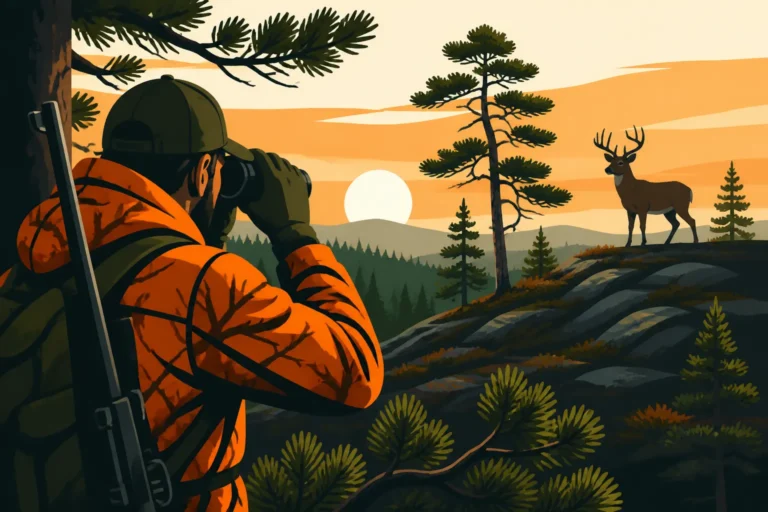
Hunting in Manitoba's vast open country can sometimes feel like trying to find a needle in a haystack, especially when big bucks seem to vanish into thin air. Many hunters struggle to pinpoint exactly where deer are holding in these expansive landscapes, often overlooking small, seemingly insignificant pockets of cover. This guide will help you decode the secrets of hunting slough rings in open country, transforming those overlooked marshy islands into productive hunting grounds.
Understanding the Allure of Slough Rings for Whitetails
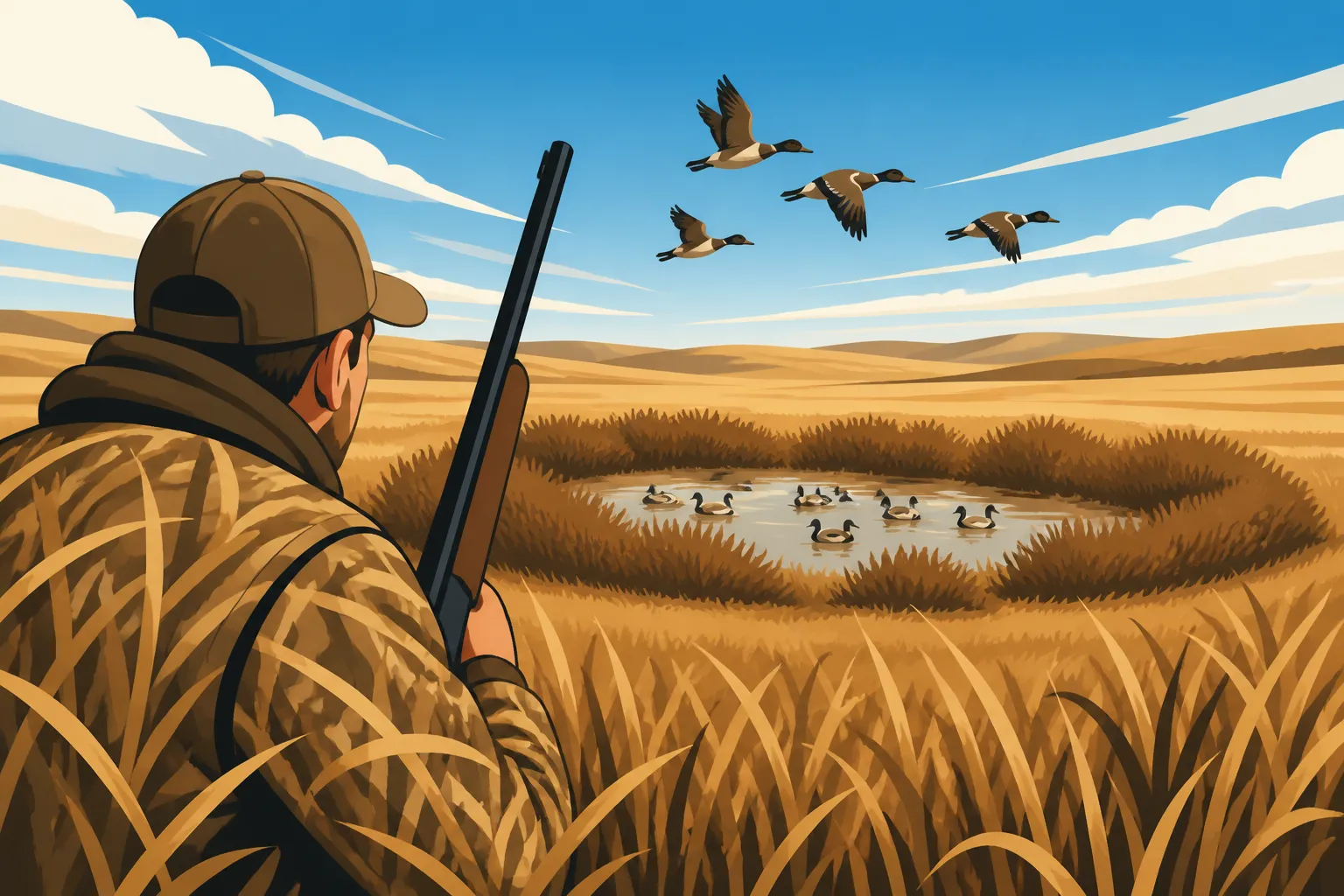
Imagine being a whitetail deer in a wide-open expanse of stubble fields or native prairie. Where do you go for shelter, safety, and a quiet place to bed down? Those seemingly unassuming slough rings, those circular islands of willows, reeds, and sometimes a few scattered aspens, become absolute magnets. They offer everything a deer needs to survive and thrive, acting as miniature refuges in a sea of exposure.
What Makes a Slough Ring a Deer Magnet?
Slough rings, particularly those nestled in larger agricultural fields or expansive grasslands, are more than just wet spots. They provide crucial multi-layered protection that deer crave, especially mature bucks seeking to avoid detection. First, the dense vegetation – cattails, bulrushes, and tangled willows – offers incredibly thick visual cover. A deer can disappear completely within mere yards of the edge, feeling secure from prying eyes. This density also provides fantastic thermal cover, shielding deer from biting winter winds and scorching summer sun. Think of it as a natural fortress.
Beyond immediate concealment, these pockets often hold pockets of browse and forage, depending on the vegetation present, even if it's just the tender shoots along the dryer edges. And let's not forget water: during wetter periods, the slough itself is a reliable water source. Even when frozen solid, the surrounding area often retains moisture, contributing to succulent plant growth that deer can graze on. This trifecta of cover, food, and water, all concentrated in a relatively small, isolated area, makes them prime spots for deer to bed, feed, and escape pressure. It's often where you'll find Where Manitoba Whitetails Bed in Deep Snow when the cold snaps hit.
Seasonal Significance of Slough Rings
The importance of slough rings shifts throughout the hunting season, but their fundamental appeal remains. In the early archery season, when the leaves are still thick, these rings provide cool, shaded bedding areas during warm days, especially if there's standing water to help moderate temperatures. Bucks will often lie up in the deepest, densest part of the ring, only emerging at dusk to feed in adjacent fields. As the season progresses into the rifle rut in November, these sloughs become vital staging areas and escape routes. Bucks cruising for does will often skirt the edges, using the cover for quick dashes across open ground or as a safe haven to retreat to if pressured. You might find them chasing does around these rings, or simply pausing within their confines before making a move.
When winter sets in and snow blankets the landscape, the thermal protection offered by dense slough rings becomes absolutely critical. The thick vegetation can trap heat and block wind, making a significant difference in a deer's ability to conserve energy. Deer will yard up in the most sheltered sloughs, especially those with some taller woody growth, to ride out severe cold snaps. Recognizing this seasonal pattern is key; a slough that looks barren in August might be teeming with activity in December. Don't underestimate their value, even if they seem small.
Scouting and Locating Productive Slough Rings
Finding the right slough ring isn't just about spotting water on a map; it's about understanding how deer interact with it. Not all sloughs are created equal. Some are too shallow, too exposed, or too heavily disturbed. The real gems are those that offer prime security and are strategically located within a larger travel pattern.
Digital Scouting with Mapping Tools
Before you even lace up your boots, modern mapping tools are your best friend. Services like onX Hunt or GoHunt allow you to virtually scout vast tracts of open country from the comfort of your home. Start by zooming in on your hunting area and identifying any circular or irregularly shaped patches of dense cover within agricultural fields or native prairie. Look for changes in vegetation color and texture on satellite imagery – denser, taller growth will often appear darker or more textured than surrounding fields. Pay close attention to sloughs that are close to known bedding areas, pinch points, or major travel corridors.
Once you've identified potential slough rings, use the mapping layers to look for access points. Can you approach without crossing extensive open ground? Are there any natural funnels that lead into or out of the slough? Note down potential entry and exit routes that minimize your disturbance. Tools like these can help you visualize how deer might travel between a slough and a nearby timber block or river bottom. This pre-scouting work is invaluable for Scouting With Satellite Imagery in Manitoba and can save you countless hours of unproductive walking.
Boots-on-the-Ground Reconnaissance
Digital scouting gets you in the ballpark, but nothing beats boots on the ground for confirming suspicions and finding fresh sign. When you approach a slough ring, do so cautiously, treating it as if a big buck is already bedded inside. Circle the perimeter, looking for well-used trails leading in and out of the cover. Pay attention to rub lines along the willows or aspens, indicating recent buck activity. Scrapes on the edges, especially during the pre-rut and rut, are clear indicators that deer are using the area as a social hub.
Look for bedding areas within the slough. These often appear as flattened-down patches of vegetation. Note the direction the deer were facing – usually into the wind, with a good view of potential threats. Try to identify primary escape routes, which will often be the thickest or most concealed paths leading away from the slough. Understanding these elements will tell you not just if deer are using the slough, but how they are using it, which is critical for planning your hunt. Remember, you're not just looking for deer; you're looking for patterns of movement.
Strategic Approaches to Hunting Slough Rings
Hunting slough rings requires a blend of patience and precision. These small areas can be incredibly productive, but also easy to blow up if approached carelessly. Your strategy needs to account for wind, deer behavior, and the specific layout of the slough.
Stand Placement and Wind Considerations
For hunting slough rings, stand placement is paramount. Due to the relatively small size of these cover patches, deer are often very aware of their surroundings. Your primary concern should always be the wind. Always approach and set up your stand downwind of where you expect deer to approach or bed. If the prevailing wind is from the west, for example, your stand should be on the east side of the slough, allowing your scent to blow away from the deer's likely approach or bedding area. It's often a good idea to have a few different stand options around a productive slough to accommodate varying wind directions.
Consider not just the wind, but also thermals, especially during early morning and late evening hunts. In many open areas, thermals will tend to drop into low-lying areas like sloughs in the morning and rise out of them in the evening. Position your stand to take advantage of these subtle air currents. Ideal stand locations are often on the downwind edge, overlooking a well-used trail leading into the slough, or a funnel point where deer are forced to pass through a specific opening. Your entry and exit routes should be as quiet and scent-free as possible, avoiding disturbing the core of the slough. This careful planning is similar to Hanging a Stand on a Manitoba Bush Edge, just on a smaller scale.
Still Hunting and Driving Techniques
Sometimes, setting a stand isn't feasible, or you want a more active approach. Still hunting a slough ring can be incredibly effective, especially in a light drizzle or fresh snow when your movement and scent are minimized. Move slowly, deliberately, using the cover to your advantage. Focus on walking into the wind, scanning ahead constantly. Pause frequently to observe, listening for subtle sounds like rustling leaves or snapping twigs. Whitetails in these thickets are often incredibly spooky, so stealth is your absolute priority.
For larger slough rings or those with multiple access points, a small, coordinated drive can be productive. This usually involves one or two "blockers" positioned on the downwind side of the slough, covering escape routes, while one or two "drivers" slowly and quietly push through the cover from the upwind side. The key is to keep the drive slow and controlled, allowing the deer to filter out naturally rather than bolting. Communication among the group is essential, and safety must be the top priority. This method is often best reserved for situations where you know deer are bedded inside and other tactics haven't worked.
Gear and Tactics for Success in Slough Country
Hunting slough rings, especially in Manitoba, can present unique challenges. From navigating soggy terrain to enduring biting cold, having the right gear and adapting your tactics to the conditions will greatly increase your chances of success.
Essential Gear for Slough Hunting
Your gear list for slough hunting should prioritize staying dry, warm, and stealthy. First and foremost, invest in high-quality, waterproof boots with good traction. Whether you're wading through soggy ground or crossing frozen, uneven terrain, dry feet are non-negotiable for comfort and safety. Waterproof outerwear is also a must; dew, rain, or melting snow can quickly soak through inadequate clothing. Layering is key for Manitoba's unpredictable weather, allowing you to adjust to temperature swings.
Optics, like good binoculars, are essential for scanning the dense cover and identifying movement. Rangefinders are also valuable, especially if shot distances might be tight and obscured by vegetation. Scent control is absolutely critical when hunting these small, intimate areas. Use scent-eliminating sprays, wash your hunting clothes in scent-free detergent, and store them properly. Calls, particularly grunt tubes and doe bleats, can be effective in drawing a buck out of thick cover during the rut, or at least getting him to reveal his position. Don't forget a good headlamp, especially for navigating uneven ground during pre-dawn entries or post-dusk exits.
Adapting to Weather and Conditions
Manitoba weather can be extreme, and slough rings are no exception to its influence. In the rain, deer movement can sometimes increase, as the rain masks sound and scent, making them feel more secure. However, prolonged heavy rain might push them deeper into the thickest cover. On windy days, deer will often seek the sheltered, downwind side of the slough, using the dense vegetation as a windbreak. This is a prime opportunity for a still hunt or a carefully placed stand. Hunting Whitetails at Thirty Below requires different gear and tactics altogether.
Snow changes everything. Fresh snow makes tracking incredibly easy, revealing exactly which deer are using the slough and their patterns of entry and exit. It also makes for quieter walking, aiding in still hunting. However, deep snow can force deer to yard up in the most sheltered sloughs, making them less likely to move, but also concentrating them in predictable spots. Extremely cold temperatures will also drive deer into the thermal cover of slough rings, making these areas even more appealing. Always adapt your strategy to the current conditions, keeping in mind how deer use these natural shelters for survival.
Here's a quick look at how different factors might influence your slough hunting strategy:
| Condition | Deer Behavior | Recommended Tactic |
|---|---|---|
| Early Season (Warm/Dry) | Bedding for shade, water, light browse | Morning/Evening stand on downwind edge of trails |
| Rut (Cool/Active) | Cruising for does, escape cover, staging | Aggressive calling from stand, still hunting perimeter |
| Late Season (Cold/Snowy) | Thermal cover, bedding, minimal movement | All-day sit in heated blind, careful still hunt on trails |
| Windy Day | Bedded on downwind side for shelter | Approach and set up far downwind |
| Rainy/Drizzly | Increased movement (sound/scent masked) | Still hunt slowly into the wind, focus on edges |
| Fresh Snow | Easy to track, quiet movement for hunter | Follow fresh tracks, still hunt for bedded deer |
| Heavy Pressure | Hold tight, use thickest cover for escape | Very slow still hunt, or small, quiet drive |
Hunting a slough ring in open country is a test of patience, observation, and adaptability. But by understanding why deer use these areas, meticulously scouting them, and employing sound hunting strategies, you can turn these seemingly small patches of cover into some of your most rewarding hunting spots in Manitoba. Good luck out there!
Disclaimer
This article is for general informational purposes only and does not constitute professional advice. Laws, prices and regulations vary by location and change over time. Consult a qualified professional for guidance on your specific situation.