Best Manitoba Ground for Bear
Hunting black bears in Manitoba can be an incredibly rewarding experience, but finding the absolute best ground where they consistently thrive isn't always obvious. Many hunters mistakenly focus solely on obvious food sources or access points, overlooking the subtle ecological nuances that make certain areas prime bear habitat. This guide aims to demystify where Manitoba's black bears prefer to live, helping you pinpoint the most promising hunting grounds across our diverse province.
Understanding Manitoba's Bear Habitat Preferences
Black bears in Manitoba aren't just looking for a meal; they're looking for a comfortable home that offers a buffet, safe bedding, and security. Their habitat preferences are quite distinct, leaning heavily towards areas that provide a mix of dense cover, various food sources that change with the seasons, and often, proximity to water. If you understand these core needs, you're already ahead of the game.
The Appeal of the Boreal Forest
When we talk about prime bear country, the vast boreal forest that sweeps across much of central and northern Manitoba immediately comes to mind. This isn't by accident. The dense stands of spruce, pine, and poplar offer unparalleled cover, perfect for bears to bed down undetected. These forests are often interspersed with wetlands, bogs, and small lakes, providing water access and diverse vegetation. Think of those deep, dark timber pockets that just feel "beary" – they likely are.
The boreal environment is a smorgasbord for bears. In spring, they feast on fresh greens, emerging skunk cabbage, and browse. As summer progresses, a bounty of berries – saskatoons, blueberries, cranberries, raspberries – ripen, drawing bears to open clearings and forest edges. Black Bear Hunting in Manitoba goes into more detail about the seasonal changes in bear behaviour. Then, in the fall, mast crops like hazelnuts, acorns (where available), and high-calorie wild fruits become critical for packing on weight before winter. The diversity of food sources, combined with the security of heavy timber, makes the boreal an ecological fortress for bears.
Parkland Transition Zones and River Valleys
While the deep boreal is classic bear country, don't overlook the transition zones where the forest meets agricultural land or the rich river valleys. These areas can be incredibly productive, sometimes even hosting larger-bodied bears due to access to high-calorie farm crops. Bears are opportunistic feeders, and a cornfield or an oat patch adjacent to a dense bush edge can be an irresistible draw, especially in late summer and fall.
River valleys, with their steep banks and mixed forests, create natural travel corridors and offer a unique microclimate that often produces abundant berry crops. These areas also provide excellent security cover, allowing bears to move between feeding areas and bedding grounds without being easily spotted. While they might not hold the sheer density of bears that the deep boreal does, the bears here can often be larger and more accessible for hunters willing to scout these edges carefully. You might find yourself on the edge of a field, using an app like onX Hunt to identify the boundaries of the dense cover where the bears are likely emerging.
Key Regions for Bear Hunting in Manitoba
Manitoba is a big province, and bear habitat varies significantly from south to north, and east to west. Knowing which regions tend to have higher bear populations and more accessible hunting grounds is crucial for planning a successful hunt.
The Interlake and Eastern Shield
The Interlake region, nestled between Lake Winnipeg and Lake Manitoba, is a mosaic of aspen parkland, dense bush, and vast wetlands. This area has a strong bear population, particularly in the more remote sections away from heavy human activity. The patchwork of cover and agricultural fields offers excellent feeding opportunities, and the abundant water sources are always a draw. Bears here often use the dense willow and poplar thickets for bedding, venturing out to feed on berries or raid an oat field.
To the east, the rugged Canadian Shield country, particularly areas like the Whiteshell and Nopiming Provincial Forests, are classic bear stomping grounds. These areas are characterized by granite outcrops, dense conifer forests, and countless lakes and rivers. Bears thrive here on the natural bounty of berries, aquatic vegetation, and the general solitude that the shield offers. Access can be tougher in some parts, requiring more effort to penetrate deeper into the bush, but that often means less hunting pressure and potentially larger, older bears. Scouting here often means focusing on old burn areas that are regenerating with berry bushes, or dense stands of spruce.
Northern Boreal and Parkland Fringe
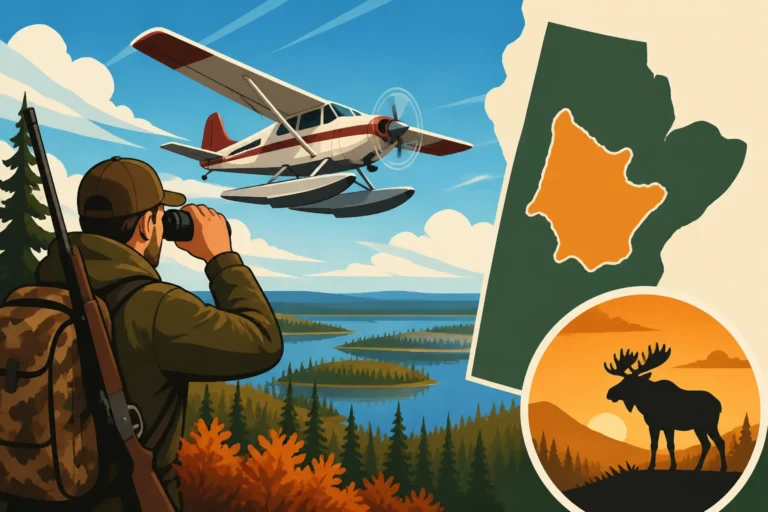
Further north, the sheer expanse of Manitoba's boreal forest truly comes into its own as bear country. Areas around The Pas, Flin Flon, and extending into the vast wilderness of the North provide extensive, undisturbed habitat. This is where you'll find some of the highest bear densities in the province, as they have vast territories with minimal human disturbance. The challenges here are often logistics and access, with many prime spots requiring boat access, ATVs, or even float planes. Hunting Manitoba's Northern Boreal offers more insights into the unique challenges and rewards of this region.
The parkland fringe, particularly areas like the Duck Mountain and Porcupine Hills, are also exceptional. These are essentially forested "islands" rising above the agricultural plains, creating fantastic transition zones. These regions are well-known for their healthy bear populations, offering a blend of dense forest for cover and proximity to agricultural crops on the fringes. Hunters often find success targeting bears moving between these heavy timber blocks and nearby fields.
| Region | Primary Habitat Type | Key Food Sources | Access Considerations | Potential Bear Density |
|---|---|---|---|---|
| Interlake | Aspen Parkland, Wetlands, Mixed Bush | Berries, Oats, Corn, Aquatic Plants | Mix of roads, ATV trails, some remote areas | High |
| Eastern Shield | Conifer Forest, Granite, Lakes | Berries, Grubs, Aquatic Plants, Hazelnuts | Often boat or ATV access, limited roads | Medium to High |
| Northern Boreal | Dense Conifer, Poplar, Wetlands | Berries, Roots, Grubs, Moose Calves | Remote, often requires float plane, boat, or extensive ATV | Very High |
| Duck Mtn/Porcupine Mtn | Mixed Forest, Highlands, Farmland Edge | Berries, Hazelnuts, Oats, Corn, Forest Greens | Good road access, extensive trail systems, some remote bush | High |
| Southwest Farmland Edge | River Valleys, Shelterbelts, Cropland | Corn, Oats, Alfalfa, Wild Fruits, Hazelnuts | Mostly road access, requires landowner permission | Medium (localized high) |
Scouting for Bear Sign and Food Sources
Finding the best ground for bear isn't just about picking a region; it's about detailed, boots-on-the-ground (or eyes-on-the-map) scouting. Bears leave a lot of sign if you know what to look for, and understanding their seasonal diets is paramount.
Reading Bear Sign
Bears are creatures of habit, and they'll often use the same travel corridors and feeding areas year after year, especially if conditions remain favorable. Look for torn-up logs and stumps where they've dug for grubs, overturned rocks, and scat, which will tell you what they've been eating. Tracks in muddy areas or along game trails are also a dead giveaway. They'll also rub on trees, often leaving hair, and chew on saplings, especially in the spring.
When you're scouting, pay close attention to the smaller details. Are there claw marks on berry bushes from bears standing up to strip fruit? Are there bent-over saplings from bears making beds? Are there fresh trails leading from dense cover to a promising food source? Even old logging roads and cutlines are often used by bears for travel, as they offer easier passage through thick bush. This is where Reading Sign After a Fresh Snow can be particularly helpful, even if you're scouting in spring, as it trains your eye for subtle disturbances. Using satellite imagery on onX Hunt can help you identify these natural travel funnels and potential feeding areas before you even step foot in the woods.
Identifying Key Food Sources Throughout the Season
A bear's diet shifts dramatically from spring to fall, and the best hunting ground will often be tied directly to what's ripe and abundant. In early spring, bears are emerging from dens and seeking easily digestible greens. Look for south-facing slopes that green up first, or low-lying areas with skunk cabbage and other early vegetation. As summer progresses, berries are king. Blueberries, raspberries, saskatoons, and chokecherries are all high-energy foods that bears gorge on. Focus your scouting on areas with good sun exposure and moisture that produce lush berry crops.
By late summer and fall, bears are in hyperphagia, trying to put on as much fat as possible for hibernation. This is when agricultural crops like oats, barley, and especially corn become major attractants on the parkland fringe. In the deep bush, hazelnuts and mountain ash berries are critical. Understanding the timing of these food sources in your chosen GHA (Game Hunting Area) is vital. A fantastic area in June might be barren in September if the primary food source has come and gone. This is also why Baiting Black Bear in Manitoba is such an effective strategy, as it creates a consistent, high-calorie food source, drawing bears into a specific area.
Tips for a Successful Manitoba Bear Hunt
Beyond finding the right ground, a successful bear hunt involves smart planning, persistence, and safe practices. Manitoba's bear hunting opportunities are exceptional, and with the right approach, you can have a memorable experience.
Accessing Remote Bear Country
Some of the very best bear ground in Manitoba is truly remote, requiring more than just a truck drive. For hunters looking to get away from pressure and into areas with truly high bear densities, consider locations that require ATV access, a boat, or even a float plane. The northern boreal forest, for instance, has vast tracts of land that see minimal human disturbance simply because they are difficult to reach. If you're considering a fly-in trip, research outfitters who specialize in northern bear hunts; they have the local knowledge and the means to get you into prime, untouched territory.
For more accessible public lands, always check GHA maps carefully. Scouting a Manitoba Game Hunting Area is a great resource here. Look for Crown land blocks that are surrounded by private land, as these often get overlooked by hunters who don't want to deal with asking for permission to cross fields. These "land islands" can hold surprising numbers of game, including bears, especially if they contain good cover and are adjacent to tempting food sources. Always respect private land boundaries, and remember that using tools like GoHunt can provide valuable insights into public land access and GHA boundaries, helping you plan your approach.
Persistence and Patience
Bear hunting, whether over bait or spot-and-stalk, often requires immense patience. Bears can be crepuscular, meaning most active at dawn and dusk, but they can appear at any time, especially if they feel secure. If you're baiting, consistent baiting practices and leaving the area undisturbed after each check are key. For spot-and-stalk or still-hunting, moving slowly, paying attention to wind, and spending long hours glassing clearings, cutlines, and berry patches are paramount.
The rewards of this patience can be significant. Manitoba is known for producing large black bears, some weighing What a Big Boreal Black Bear Weighs a significant amount. An older, larger bear is often more wary and less predictable, making the challenge and the eventual success even sweeter. Remember, sometimes the best ground isn't just about where the bears are, but how you approach that ground with dedication.
Disclaimer
This article is for general informational purposes only and does not constitute professional advice. Laws, prices and regulations vary by location and change over time. Consult a qualified professional for guidance on your specific situation.