Bowhunting Manitoba’s Early Season
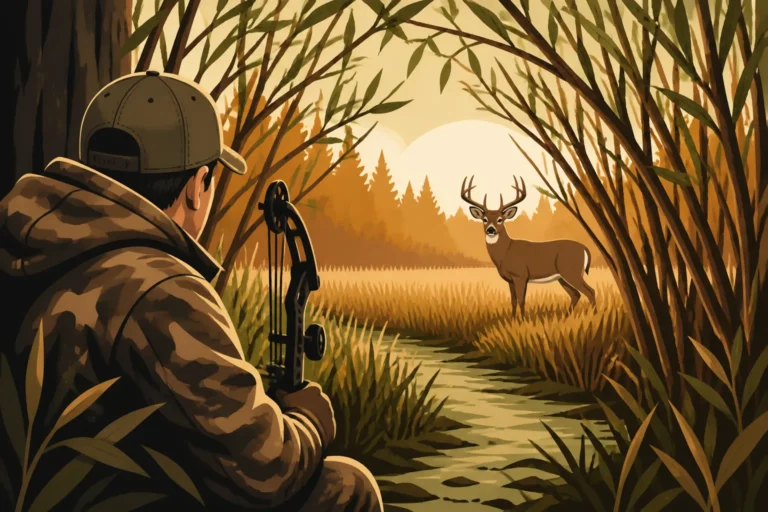
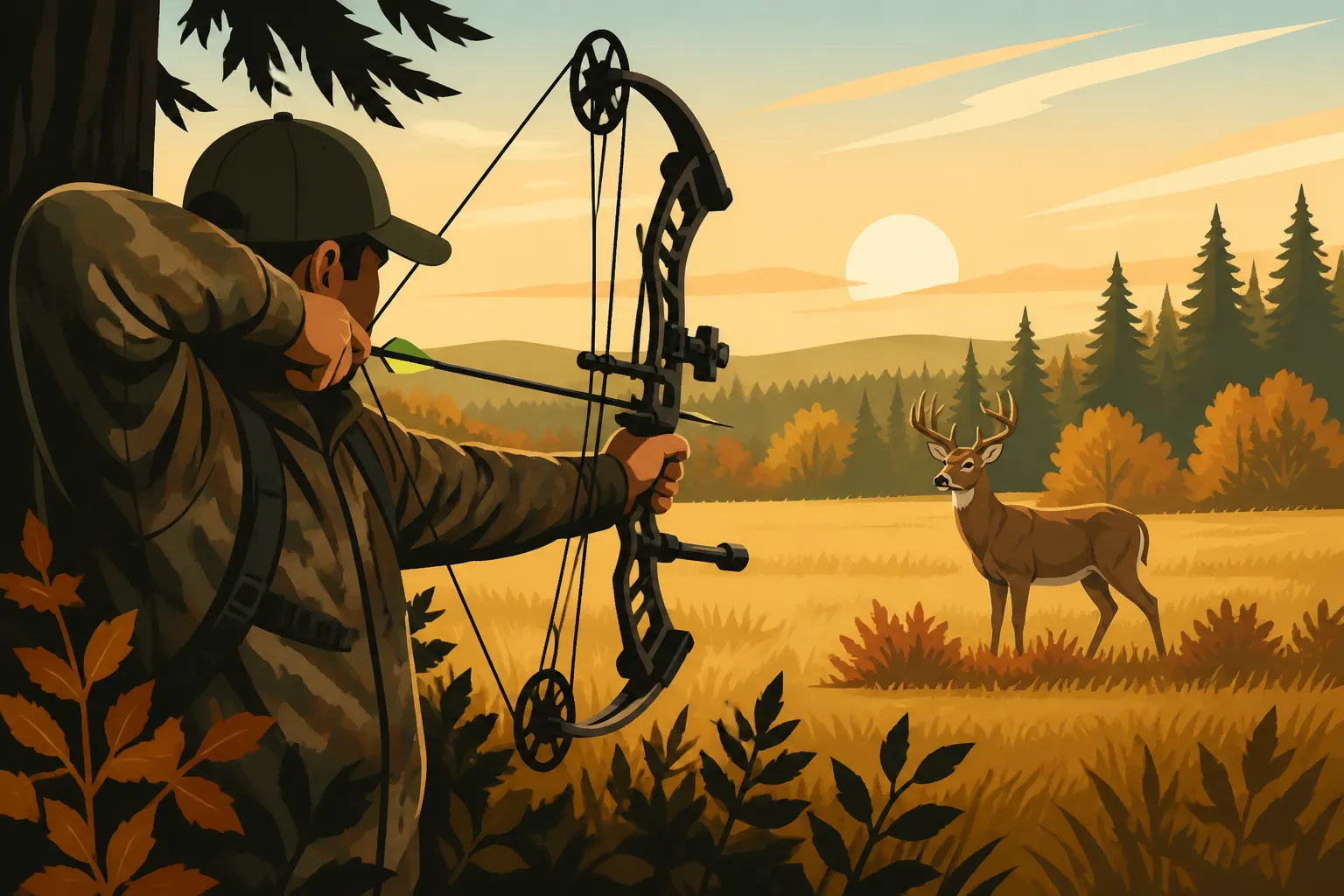
That first hint of crispness in the pre-dawn air, even when the humidity still hangs heavy, signals the start of something special for dedicated bowhunters in Manitoba. For many, the early archery season presents a unique set of challenges and immense rewards. Deer are still on their predictable summer patterns, bachelor groups of bucks are roaming, and the woods are alive with late-summer growth. This guide will walk you through everything you need to know to maximize your chances of success during this often-overlooked and incredibly exciting time to be in the Manitoba bush with a bow.
Understanding Manitoba's Early Bow Season
The early bow season in Manitoba is a distinct period, demanding a different approach than the cold, rut-crazed days of November. It’s a time when you’re battling dense foliage, relentless insects, and often, scorching temperatures, but also a time when deer can be incredibly patterned and vulnerable if you do your homework.
When the Bowhunting Season Opens
Manitoba’s archery deer season typically kicks off in late August or early September, depending on the specific Game Hunting Area (GHA) you plan to hunt. For most of the southern agricultural and parkland zones, this means the last Monday in August, extending into September. This early start gives bowhunters a fantastic opportunity to chase whitetails before the full swing of the rifle seasons and often before significant cold fronts begin to push deer into their more concentrated winter patterns. It's a prime window that feels almost exclusive, as fewer hunters are usually out compared to the later firearm seasons. You’ll want to double-check the precise dates for your chosen GHA in the annual hunting guide or on the provincial website, as they can sometimes shift slightly from year to year. Understanding exactly When Manitoba's Archery Season Opens is crucial for planning your initial scouting trips.
This early opening means that when you're out there, the landscape is still very much in its late-summer prime. Corn is standing tall, beans and peas are drying, and the bush is thick with leaves. This dense cover can be both a blessing and a curse. It provides excellent concealment for sneaking into a stand, but it also limits visibility and can make tracking a challenge. Contrasting this with Manitoba Big Game Season Dates for rifle hunting, you'll quickly realize the unique environment the archer embraces during this initial phase.
The early season often sees less overall hunter pressure, especially compared to the rifle rut. This can mean more relaxed deer, though they're certainly not naive. They’ve been living their lives, often in predictable patterns, through the summer, and the sudden appearance of human scent and activity can quickly change those patterns. Being the first hunter in a specific area, or at least one of the first, can give you a significant advantage.
The Unique Challenges of Early Season Bowhunting
Bowhunting in Manitoba during the late summer and early fall presents a unique set of obstacles that demand adaptation and preparation. First and foremost, the heat can be a major factor. Daytime temperatures, especially in late August and early September, can still soar, making long treks uncomfortable and impacting deer movement. This heat also significantly complicates meat care after a successful harvest, demanding immediate and efficient field dressing and cooling.
Another major challenge is the sheer density of foliage. The leaves are still on the trees, undergrowth is thick, and standing crops like corn offer incredible cover for deer, making them feel secure and difficult to spot. This dense cover can limit shot opportunities, forcing bowhunters to get much closer than they might in a more open, late-season scenario. Furthermore, tracking an animal in thick cover can be incredibly difficult, especially if the blood trail isn't immediately obvious.
And let’s not forget the bugs. Mosquitoes, deer flies, and horseflies are still very much active during the early season, particularly in marshy areas or thick bush. They can make sitting still on stand a true test of patience and willpower. Constant swatting or fidgeting will quickly give away your position to wary deer. Effective bug control, whether through repellents or physical barriers, is paramount to maintaining focus and stealth.
Deer patterns are also different. They are largely focused on feeding and recuperating from antler growth, not the frenetic activity of the rut. Bachelor groups of bucks are still common, making it possible to catch multiple mature animals feeding together. However, these groups can also make it harder to get a clean shot, as there are more eyes, ears, and noses to detect you. Their movements are often dictated by primary food sources and water, rather than breeding urges, which means targeting these resources is key.
Species Available to Bowhunters
While Manitoba offers incredible hunting opportunities for a variety of big game, the early bow season is predominantly focused on one magnificent animal: the whitetail deer. The season dates are specifically designed to align with prime whitetail activity before the more widespread general rifle seasons begin. This makes Whitetail Hunting in Manitoba a primary pursuit for those taking to the woods with a bow and arrow during this period.
Of course, black bear are also available to bowhunters in Manitoba, with spring and fall seasons. If you're looking to hunt black bear, the fall season often overlaps with the early deer archery season. However, the strategies for bear hunting, often involving baiting, are quite different from those for early season whitetails. While you might encounter a bear during a deer hunt, most bowhunters specifically targeting whitetails at this time will be focused solely on deer behavior and patterns. For bear hunters, setting up a bait site in anticipation of the fall season means you might be spending time in the bush when deer are also active.
Other large game animals like moose and elk have later seasons, and draw tags are often required, making them less of a general early season bowhunting pursuit. While it’s technically possible to harvest these animals with a bow during their respective open seasons, the specific context of "early season bowhunting" in Manitoba almost exclusively refers to the pursuit of whitetail deer. This focused approach allows bowhunters to truly specialize in understanding early whitetail behaviour, food sources, and movement patterns.
Scouting and Reconnaissance for Early Season Success
Success in early season bowhunting hinges dramatically on meticulous scouting and understanding how deer utilize the landscape during this specific time. Unlike the rut, where deer are actively seeking out does, early season deer are primarily driven by food, water, and security.
Locating Primary Food Sources
In the early season, deer are absolute food hogs. They’re still building up reserves after the demands of summer and growing antlers, so finding their primary food sources is paramount. Agricultural fields are often the biggest draw. Think about crops like peas, which are typically harvested in late July and early August, leaving behind tempting scraps. Soybeans and corn fields are also major attractants, especially as the beans yellow and the corn begins to mature. Deer will readily enter these fields, particularly the edges, during low light periods. Alfalfa and clover fields, if present, are also highly nutritious and sought after.
Beyond agriculture, don't overlook natural browse. Deer will still be munching on forbs, shrubs, and saplings. In the Manitoba bush, look for areas with dogwood, hazelnut, and young aspen shoots. Berry bushes like saskatoons, though usually past their peak, can still offer residual appeal. Water sources are equally critical, especially during warmer spells. Ponds, sloughs, creek bottoms, and even dugouts will see regular deer activity as they seek to hydrate. Observing deer movement around these vital resources is a key part of Scouting a Manitoba Game Hunting Area.
Modern tools have revolutionized this part of scouting. Satellite imagery from apps like GoHunt is an absolute game-changer. You can virtually scout massive areas from your living room, identifying different crop types, dense cover, water bodies, and potential travel corridors. Look for transitions between different vegetation types, subtle elevation changes, and natural funnels that lead from bedding to feeding areas. Pay close attention to how these food sources are changing through August and September – a pea field in early August might be completely ignored by September as deer shift to other crops.
Identifying Bedding Areas
Once you’ve identified the prime food sources, the next step is to locate where deer are bedding, and then connect the dots. Early season bedding areas are typically dense, secure cover offering protection from both predators and the elements. In Manitoba’s varied terrain, this could mean a few different things. In the parkland regions, thick willow rings around sloughs, dense stands of young aspen or poplar, and heavy pockets of mature timber adjacent to fields are common bedding choices. In bushier areas, look for impenetrable spruce thickets or willow swales. These areas often offer shade from the sun and a slight cooling effect in warmer weather, making them ideal daytime retreats.
Deer will always try to bed in locations that give them a sensory advantage – scent, sight, and sound. They'll choose spots where they can smell danger downwind and often have good visual escape routes. Spend time glassing the edges of these heavy cover areas from a distance, looking for deer entering or exiting during the first and last hours of daylight. Don't be afraid to put boots on the ground, but do so carefully and strategically. You're looking for fresh tracks leading into the thickest stuff, or worn trails. Reading Whitetail Sign in Manitoba Aspen can give you a better understanding of how deer use these specific habitats for bedding and movement.
The key is to find bedding areas that are close enough to your identified food sources to make a predictable travel pattern. Ideally, you want to intercept deer moving from these secure bedding sites to their feeding grounds, or vice versa. Avoid busting deer out of bedding areas, especially during the hunt. This can push them out of your hunting zone entirely. Instead, use observation and subtle sign reading to infer where they are bedding and how they access their food.
Pinpointing Travel Corridors and Funnels
Connecting the dots between bedding and feeding areas are the travel corridors and funnels that deer use consistently. These are the highways and byways of the deer world, and identifying them is crucial for effective stand placement. Natural funnels can include narrow strips of timber between open fields, river breaks, creek bottoms, or even subtle changes in elevation that condense deer movement into a smaller area. Any geographical feature that forces deer to travel along a predictable path is a potential hotspot.
Man-made funnels are just as important in many parts of Manitoba. Fencelines, shelterbelts between agricultural fields, and even old farm trails or bush roads can act as magnets for deer movement. Look for worn trails, fresh tracks, and subtle indicators of regular use. In the early season, these trails might be obscured by dense foliage, so you’ll need to look closely. Overhanging branches that have been rubbed smooth by passing antlers or bodies are excellent indicators.
When scouting these corridors, always consider the prevailing wind direction. A perfect travel corridor is useless if the wind consistently blows your scent directly into it. Plan your approach and exit routes to ensure you can access your chosen stand location without alerting deer moving through these funnels. This often means using natural terrain features, such as ditches, treelines, or low areas, to mask your entry and exit. Hunting a subtle pinch point along Hunting a Manitoba Bush Edge can be incredibly effective when deer are moving from thick cover to open fields. The goal is to intercept them where they feel secure, before they enter wide-open spaces.
Gear and Equipment for Early Season Hunts
Early season bowhunting in Manitoba presents specific gear requirements. You're dealing with different environmental factors than a late-season rifle hunt, and your equipment needs to reflect that.
Bow and Arrow Setup Considerations
For early season bowhunting, your bow setup needs to be dialed in and utterly reliable. Manitoba's regulations are clear about minimum draw weights and equipment, so always consult the provincial guide. Typically, for big game like deer, a minimum draw weight of 40 lbs is required, but check for the exact current specifics. While many modern compounds far exceed this, ensure your bow is comfortably set at a weight you can hold steadily and shoot accurately under pressure. Consistency is key. Practicing regularly, especially from elevated positions or awkward angles that mimic real hunting scenarios, is critical.
Arrow choice is also vital. A well-placed shot with a sharp broadhead is the goal. For broadheads, you have options: fixed-blade or mechanical. Fixed-blade broadheads are known for their ruggedness and deep penetration, especially through bone, while mechanical broadheads often fly more like field points and create larger cutting diameters upon impact. Whichever you choose, ensure they are razor-sharp. A dull broadhead will lead to poor penetration and a potentially wounded animal. Pay attention to your arrow’s FOC (Front of Center) balance, as this can affect flight stability and penetration. Tune your bow meticulously to ensure broadheads are flying true, without any erratic behavior. Remember, Legal Firearms and Bows for Big Game covers the specific requirements, ensuring you're compliant with all regulations.
Don't forget the little things that make a big difference: a quiet arrow rest, a well-adjusted sight with bright pins for low-light conditions, and a properly set D-loop. Test your setup extensively. Shoot from your treestand if possible, at various ranges. Know your effective range and stick to it. The early season means shots might come quickly, and you need to be confident in your equipment and your ability to execute a perfect shot.
Camouflage and Scent Control
In the dense, green world of early season Manitoba, your camouflage needs to blend in. Ditch the brown and grey patterns of late fall and opt for patterns heavy in green, yellow, and even some tan to match the still-lush foliage. Brands like Sitka Gear and First Lite offer excellent patterns that excel in various environments. The goal is to break up your human silhouette against the backdrop of the bush. While full camo is essential, remember that movement will always give you away faster than a slight color mismatch. Slow, deliberate movements are paramount.
Scent control, however, is arguably the most critical factor for early season bowhunting success. Deer at this time are not distracted by the rut; their noses are working overtime. The warmer temperatures also mean scent molecules linger longer and spread further. Your scent can drift for hundreds of yards, alerting deer to your presence long before you see them. Start your scent control regimen long before you hit the woods. Wash all your hunting clothes in scent-free detergent. Store them in airtight bags or containers. Shower with scent-free soap before a hunt.
In the field, use scent-eliminating sprays on your clothes, boots, and gear. Consider wearing scent-adsorbing base layers or outerwear. A reliable wind checker is an absolute must-have; use it constantly to monitor wind direction and thermals. Never assume the wind will stay consistent. Walk-in and walk-out routes should always consider the wind, ensuring you’re not blowing your scent into likely deer travel paths or bedding areas. One small puff of your breath on a cool morning is enough to tell you if the wind has shifted. Using apps like GoHunt can also help you track real-time wind conditions and plan your approach accordingly.
Essential Early Season Accessories
Beyond your bow and arrows, a handful of crucial accessories can make or break your early season hunt. First, and perhaps most importantly, is bug repellent. Mosquitoes and other biting insects can be relentless. A Thermacell unit is a favorite for many, creating a scent-free zone of protection around your stand. Permethrin-treated clothing can also provide excellent protection. Don’t skimp on this; constant swatting will ruin your stealth and your patience.
Hydration is another key factor. Even on cooler early season days, you'll be exerting yourself, and the sun can still be intense. Carry plenty of water in a hydration pack or bottles. Electrolyte packets can also be a good idea. A compact set of binoculars will help you pick apart dense cover and identify deer at a distance without making excessive movement. A rangefinder is non-negotiable for bowhunting, allowing you to accurately judge distances and make precise shots. This is especially important as deer often move quickly through the limited shooting lanes of the early season.
When it comes to stands, consider lightweight, portable treestands if you plan to move frequently, or a comfortable ground blind if you prefer concealment at ground level. Evaluate the pros and cons based on your chosen hunting style and terrain. A good quality headlamp with a red light setting is invaluable for pre-dawn setups and post-shot tracking. Lastly, always carry a basic first-aid kit, a sharp knife, a small survival kit (whistle, fire starter), and your phone (with GoHunt for navigation and emergency use, even if service is spotty). Always tell someone where you're going and when you expect to return.
Strategic Stand Placement and Hunting Techniques
Choosing the right location for your stand or blind, and understanding how to approach and hunt it, is paramount to early season bowhunting success. Deer patterns are predictable, but they are also incredibly sensitive.
Treestand versus Ground Blind: Pros and Cons
The choice between a treestand and a ground blind often comes down to personal preference, the specific terrain, and the hunting situation. Both have distinct advantages and disadvantages in the early season.
Treestands:
- Pros: Elevated vantage point offers improved visibility over dense foliage, excellent background cover (especially when positioned against a tree with good canopy), and can help with scent dispersal by getting your scent stream higher off the ground. It also makes you less visible to deer looking horizontally.
- Cons: Requires a suitable tree, can be noisy to set up (especially climbers), harder to adjust to shifting wind, and less forgiving of movement. Getting into and out of a treestand stealthily can be a challenge. In warm weather, direct sunlight can be an issue.
- Early Season Application: Ideal for ambushing deer moving along treelines, field edges, or creek bottoms where elevation provides a crucial advantage. Good for areas with mature trees that provide adequate cover.
Ground Blinds:
- Pros: Excellent concealment, especially if brushed in naturally. Provides protection from insects and some elements. Allows for more movement, which can be a relief on a long, hot sit. Easier access for hunters with mobility issues. Can be set up in areas without suitable trees.
- Cons: Limited visibility, especially in dense early season cover. Your scent is at ground level, requiring impeccable scent control and a very steady wind. More susceptible to deer detecting your presence if they approach from an unexpected angle.
- Early Season Application: Perfect for field edges where cover is limited, or in thick bush pockets where a treestand isn't feasible. Great for hunting specific food plots or pinch points where deer are expected to pass within very close range.
| Feature | Treestand (Early Season) | Ground Blind (Early Season) |
|---|---|---|
| Visibility | Excellent (above dense foliage) | Limited (at deer level, dense cover obstructs views) |
| Concealment | Good (against tree/canopy) | Excellent (when brushed in, full body hiding) |
| Scent Dispersal | Better (elevated, sometimes above deer's primary scent zone) | Challenging (at ground level, scent pools easily) |
| Movement | Restricted (any movement easily detected) | More forgiving (allows for minor adjustments) |
| Bug Protection | Moderate (exposed to bugs) | High (physical barrier, easier to use Thermacell) |
| Setup Time | Varies (climber quick, hang-on requires prep) | Quick (pop-up) to Moderate (brushing in) |
| Terrain | Requires suitable trees | Can be used almost anywhere |
Consider the specific location you’re hunting. Are there tall, mature trees along the deer’s path? Is it an open field edge with little cover? Your choice should align with the specific ambush point and the conditions of the early season environment.
Playing the Wind and Thermals
Understanding and respecting the wind and thermals is non-negotiable for early season bowhunting. Your human scent is your biggest enemy. Even with the most rigorous scent control, a direct wind blowing your scent to a deer will result in a busted hunt. Always position your stand or blind so that your scent cone is blowing away from where you expect deer to approach or feed.
Prevailing winds are a good starting point, but you need to pay close attention to micro-currents and thermals, especially in the mornings and evenings. As the sun rises and warms the ground, air begins to lift, creating an upward thermal draft. This means your scent will rise with the air. Conversely, as the sun sets and the air cools, thermals reverse, causing cold air (and your scent) to sink into valleys and low areas.
This means a stand that is perfect for an evening hunt might be a terrible choice for a morning hunt, and vice-versa. Study the terrain. Valleys and creek bottoms will funnel both deer and air currents. Bluffs and ridges will influence how air moves. Use a wind checker constantly – a small bottle of powder or thread can show you subtle shifts you wouldn't otherwise detect. Have multiple stand or blind locations prepped for different wind directions. Never hunt a stand if the wind isn't right, no matter how good the spot looks. It’s better to sit at home or find an alternative location than to educate a mature buck about your presence.
Mastering the Approach and Exit
Getting to and from your stand without alerting deer is as critical as the stand placement itself. In the early season's dense foliage, deer can be bedded very close to travel corridors. A noisy or obvious approach will ruin your hunt before it even begins. Plan your entry and exit routes meticulously.
- Use Natural Cover: Utilize ditches, treelines, tall grass, riverbanks, or any natural terrain feature that can obscure your movement. Walk along the lowest points or behind hills to stay out of sight.
- Silence is Golden: Minimize noise. Wear soft clothing that won't rustle. Avoid clanging gear. Walk slowly and deliberately, lifting your feet rather than dragging them. Clear any small branches or obstacles from your path if possible, before the hunt.
- Wind Conscious Routes: Your approach and exit routes should also consider the wind. Never walk through a bedding area or an active feeding zone with the wind at your back, pushing your scent ahead of you. Ideally, your route should keep the wind in your face or crosswind, carrying your scent away from sensitive areas.
- Timing: Get into your stand well before daylight and stay until after dark. This minimizes your chances of bumping deer during their active periods. The first and last hour of light are prime movement times. If you have to move during daylight, do so slowly and carefully, using cover.
For example, if you’re hunting a field edge, consider approaching through a drainage ditch or a dense treeline that parallels the field, rather than walking directly along the edge. Your exit should be equally stealthy. If you harvest an animal, plan the retrieval carefully, again, considering how you'll move the deer without disturbing other game or leaving excessive scent behind.
Early Season Whitetail Behavior and Tactics
Early season whitetail deer are a different animal than their rut-crazed November counterparts. Their motivations are largely tied to food, security, and the simple rhythm of summer life transitioning into fall.
Understanding Summer-Fall Transition Patterns
During the early bow season, deer are largely still operating on their established summer patterns. This is often an advantage for hunters because deer movements tend to be highly predictable. They are focused on primary food sources to replenish energy after the demands of growing antlers and raising fawns. This means they’ll move from their secure bedding areas to specific feeding grounds, usually in the early mornings and late evenings.
Bachelor groups of bucks are a common sight at this time. Young bucks often still hang out together, and sometimes even mature bucks will tolerate each other's presence. This can create incredible opportunities, but also challenges – more eyes, ears, and noses to detect your presence. As late August progresses into September, you'll witness the exciting transition of bucks rubbing off their velvet and getting those hard, polished antlers. This shedding of velvet often signals a subtle shift in their behavior, as testosterone levels begin to climb, though it's still a far cry from the full-blown rut. Their summer coat will also start to thicken, preparing them for the colder months ahead. Understanding these subtle shifts is key to anticipating their movements.
The key to capitalizing on these patterns is thorough pre-season scouting. Identify their preferred food sources and the most direct, secure routes they use to access them. These patterns can be incredibly consistent for weeks, giving you a reliable ambush point. However, be prepared for sudden changes if food sources dry up, or if increasing hunter pressure causes them to alter their routines.
Patience and Persistence in the Heat
Let’s be honest: early season hunting can be hot. The sun can be intense, humidity can be stifling, and the bugs can be relentless. This means deer movement will often be concentrated almost exclusively during the coolest parts of the day – the very first hour after sunrise and the last hour before sunset. During the heat of the day, deer will typically be bedded down in the thickest, coolest cover they can find, minimizing their movement to conserve energy. This means long, often uneventful sits in your stand or blind.
Patience is not just a virtue in early season; it's a necessity. You might spend hours without seeing a single deer, only for a group of does and fawns, or a bachelor group of bucks, to appear in the last few minutes of shooting light. Being comfortable and committed to your sit is paramount. Hydrate well, pack snacks, and dress in light, breathable layers. Don't be tempted to move or fidget excessively, as any movement will be easily spotted in the bright conditions. The discipline required for Sitting All Day in a Manitoba Blind takes on a different flavour in the warmth of late summer.
Persistence also pays off. If your scouted food source isn't producing immediate results, observe. Are deer using another part of the field? Are they entering and exiting at different times? Sometimes, shifting your stand even a hundred yards can make all the difference. Don't get discouraged by slow mornings or mid-day lulls. The reward of seeing a velvet-shedding buck emerge from the bush on a warm September evening is well worth the wait.
Minimal Calling and Decoying Strategies
Unlike the frantic activity of the rut, early season whitetails are generally not receptive to aggressive calling or decoying. Their minds are on food and safety, not breeding. Therefore, a "less is more" approach to vocalizations and visual aids is usually best.
- Calling: Stick to very subtle, non-aggressive calls. Soft social bleats (doe bleats, fawn bleats) can sometimes pique curiosity, especially if a deer is unsure of its surroundings. A quiet fawn distress call might bring in a curious doe or even a protective buck, but use it sparingly. Avoid grunting, rattling, or snort-wheezes, as these are rut-specific sounds that can actually spook deer if used out of season. You’re trying to sound like another deer, not an aggressive intruder.
- Decoys: Decoys are generally less effective in the early season and can even be counterproductive. Bachelor groups of bucks might be wary of a new buck in their territory and simply skirt around it. Does might be indifferent. Furthermore, dense early season foliage often obscures a decoy, making it less visible. If you do choose to use one, a simple doe decoy placed subtly downwind of your position might offer a visual anchor, but don't expect it to be a game-changer. Ensure it's not positioned to lead a deer into your scent cone.
The focus in the early season should always be on stealth, scent control, and intercepting deer along their natural travel patterns to and from food. Your best "tactic" is often simply being invisible and patient in the right spot.
Post-Shot Procedures and Meat Care
The moment of truth is exhilarating, but the work isn't over when the arrow flies. In the early season, warm weather adds an extra layer of urgency and care to tracking and meat preservation.
Tracking and Recovery in Warm Weather
After the shot, patience is critical, especially when bowhunting. Unlike a high-powered rifle, an arrow causes a different type of wound, and immediate recovery isn't always guaranteed, even with a perfect shot. Your shot placement dictates how long you should wait. A perfect double-lung shot might see the deer drop quickly or go down within 50-100 yards, but even then, giving it 30-60 minutes to expire is wise. A liver or gut shot requires significantly more time – sometimes 4-6 hours, or even overnight, to allow the animal to expire and stiffen up.
However, warm weather complicates things. Heat accelerates spoilage, so prolonged waits for gut-shot deer can be a calculated risk, balancing recovery success with meat quality. If you suspect a gut shot, backing out is usually the best option, returning at first light if shot late in the evening. Mark the location of the shot and the last place you saw the deer. Begin tracking slowly, looking for splashes of blood, disturbed leaves, or broken branches.
Blood trails in the early season can be notoriously difficult due to dense foliage. Green leaves can absorb small amounts of blood, and heavy undergrowth can obscure ground sign. Look for hair at the impact site, listen for sounds of the deer crashing, and pay attention to its direction of travel. Grid searches with multiple people can be effective if the trail disappears. Use a headlamp with a red light setting for night tracking, as it can sometimes make blood stand out more. Resist the urge to push an animal that isn't obviously hit well; a bumped deer can travel miles.
Field Dressing and Cooling Your Harvest
Once you've recovered your deer, immediate field dressing is absolutely crucial, especially in warm temperatures. Heat is the enemy of meat quality. The internal organs hold a tremendous amount of heat, and leaving them in the animal for too long will accelerate spoilage and can give the meat an off-flavor.
- Get to Work Immediately: As soon as you confirm the deer is expired, begin field dressing. Position the deer on its back if possible, allowing gravity to assist in removing the entrails.
- Open the Cavity Wide: Make a clean incision from the sternum to the pelvis. Be careful not to puncture the intestines or stomach. Reach into the chest cavity and sever the trachea and esophagus, then pull out all organs.
- Clean and Cool: Once the cavity is empty, wipe out any blood or fecal matter with clean rags or leaves. Get air circulating through the cavity. You can prop the cavity open with sticks or hang the deer to allow better airflow. If possible, rinse the cavity with clean water, then dry it thoroughly.
- Game Bags: Cover the opened cavity and the entire carcass with breathable game bags. This protects the meat from insects, dirt, and debris while allowing it to cool.
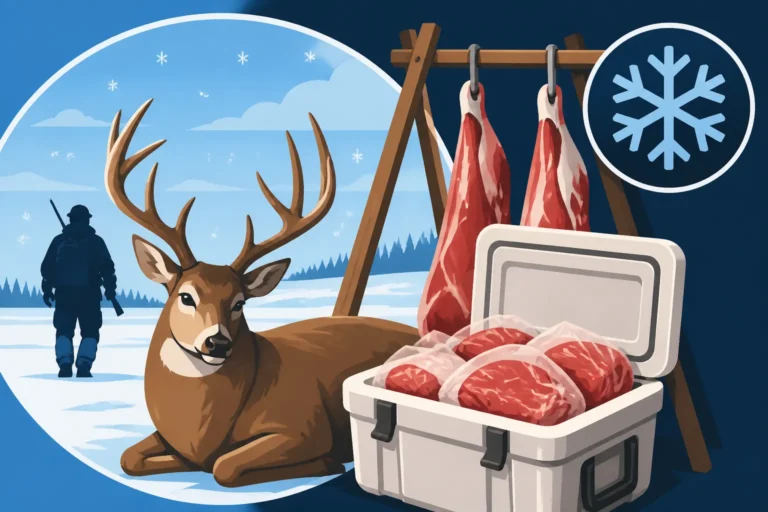
- Cooling Strategy: If you're near a vehicle, get the deer into a cooler with ice as quickly as possible. If you’re deeper in the bush, consider quartering the animal and packing it out in coolers filled with ice. Even placing ice bags inside the body cavity can help draw out heat during transport. For more extreme cold conditions, like those found during later seasons, the process is slightly different, but the principle of rapid cooling remains constant. You can learn more about Meat Care in Manitoba's Cold Snaps to see the differences.
Never transport a whole, undressed deer in the back of a truck exposed to direct sunlight for extended periods in warm weather. This is a recipe for spoiled meat.
Transporting and Processing Your Game
Manitoba has specific regulations for transporting game, including ensuring you have your tag properly validated and attached. Once your deer is field dressed and cooling, you need a plan for getting it to a processor or your home for butchering.
If you’ve quartered the animal, robust coolers are essential. Pack the meat directly on ice, ensuring any drain plugs are open to let water escape (or drain regularly). This helps prevent the meat from sitting in bloody water. Protect the meat from dirt, dust, and insects during transport. If you’re taking a whole deer, securely tie it down in the bed of your truck, again protecting it with a tarp or game bags, but still allowing for airflow. Minimize travel time, especially if temperatures are high.
Upon arrival, whether at home or a processor, continue the cooling process. Get the meat into a cooler, refrigerator, or a cool, shaded area (if temperatures permit) as soon as possible. If taking it to a professional butcher, ensure they are aware of the warm weather conditions it was harvested in.
Remember to be aware of Manitoba's Chronic Wasting Disease (CWD) sampling requirements. Certain GHAs require mandatory CWD sampling, and even outside those areas, voluntary sampling is encouraged. You'll need to know how to extract the lymph nodes and submit them. Your processor can often assist with this, or you can find instructions on the provincial government website. Always clean your vehicle and tools thoroughly after processing to prevent any potential spread of CWD.
Legalities and Ethical Considerations for Manitoba Bowhunters
Responsible hunting goes hand-in-hand with understanding and adhering to Manitoba's regulations and upholding strong ethical principles. This ensures the sustainability of wildlife and the positive perception of hunting.
Manitoba's Bowhunting Regulations
Navigating the legal landscape of hunting can sometimes feel like a maze, but it's crucial for responsible bowhunting in Manitoba. First and foremost, you need the correct hunting licenses and tags. This includes a general resident or non-resident hunting license, along with a specific deer tag for the season and GHA you're hunting. These are typically purchased online through Manitoba's e-licensing portal. Understanding Manitoba Hunting Licences and What They Cost is the first step in ensuring you're legal to hunt.
Specific bowhunting regulations are also in place. As mentioned earlier, there are minimum draw weight requirements for bows (e.g., typically 40 lbs for big game, but always check current regulations). Broadhead rules are also critical; generally, broadheads must be at least 7/8 inches in width and have two or more cutting edges. Mechanical broadheads are legal, but their minimum cutting diameter or number of blades might be specified. Always ensure your equipment meets these standards. Crossbows have their own set of rules regarding their use, often tied to specific seasons or disability permits.
Unlike rifle seasons in many areas, blaze orange is generally not required for bowhunters during the archery-only deer season, as it's intended to differentiate you from firearm hunters. However, if you're bowhunting during a general rifle season (which can happen in some GHAs with overlapping seasons), blaze orange requirements may apply. Always check the specific GHA regulations. Lastly, familiarize yourself with shooting hours; most hunting is permitted from 1/2 hour before sunrise to 1/2 hour after sunset. If you're new to hunting in the province or need a refresher, completing or reviewing your Manitoba Hunter Education Requirements is a great way to ensure you're up-to-date on all provincial regulations.
Accessing Private and Crown Land
Manitoba offers a mix of Crown (public) land and private land for hunting, and understanding the rules for each is vital.
- Private Land: The vast majority of agricultural land in southern Manitoba is privately owned. You must obtain explicit permission from the landowner before hunting on private land. This isn't just a courtesy; it's the law. Trespassing can lead to significant fines and the loss of hunting privileges. The best approach is to knock on doors well in advance of the season, introduce yourself, explain your intentions, and ask politely. Offer to share meat or help with chores. Building a good relationship with landowners is key to long-term access. Carrying a map that clearly identifies property lines can be incredibly helpful for both you and the landowner. More detailed advice can be found in Getting Private Land Permission in Manitoba.
- Crown Land: Manitoba has extensive tracts of Crown land, particularly in the central, eastern, and northern regions, as well as smaller pockets throughout the agricultural belt. This land is generally open to hunting, but specific rules and restrictions can apply within Wildlife Management Areas (WMAs) or Provincial Forests. Use online mapping tools (like GoHunt or the provincial mapping portal) to clearly identify Crown land boundaries. It’s your responsibility to know if you are on Crown land or private property. Understanding the nuances of Hunting Whitetails on Manitoba Crown Land will serve you well.
- WMA Rules: Wildlife Management Areas often have special regulations, such as restrictions on vehicles, ATVs, or camping, or specific hunting methods. Always check the regulations for the specific WMA you intend to hunt.
- No Hunting Areas: Be aware that hunting is prohibited in certain areas, such as within municipal boundaries, provincial parks (with limited exceptions), and designated wildlife refuges. Always confirm your hunting area is legal before you venture out.
Respect for the land, whether private or public, is paramount. Pack out everything you pack in, avoid damaging property, close gates, and leave no trace of your presence.
Ethical Hunting Practices
Ethics are the cornerstone of responsible hunting, extending beyond the letter of the law to encompass respect for the animal, the environment, and fellow hunters.
- Shot Placement and Limitations: Only take shots you are confident will result in a clean, ethical kill. For bowhunters, this typically means broadside or slightly quartering-away shots at close range. Never take a "Hail Mary" shot at an animal too far away, through heavy brush, or at an extreme angle. Know your effective range and stick to it, even if it means letting a deer walk. A wounded animal is a terrible outcome for everyone.
- Waste of Game Meat: Manitoba law prohibits the wanton waste of game meat. This means if you harvest an animal, you are legally and ethically obligated to retrieve all edible portions. This is especially relevant in the early season with warm temperatures, demanding diligent tracking and quick processing to prevent spoilage.
- Respect for the Animal: Treat every harvested animal with respect. This means quick, humane kills, and careful handling of the carcass. Avoid excessive celebration or disrespect for the animal itself.
- Fair Chase: Uphold the principles of fair chase, meaning the animal should have a reasonable chance to evade the hunter. This generally precludes using methods that give you an unfair advantage, such as hunting from a moving vehicle, using artificial lights (unless specifically permitted for night hunting permits), or harassing game.
- Fellow Hunters and Non-Hunters: Be courteous to other hunters you encounter. Share information respectfully, and avoid crowding another hunter’s spot. Remember that your actions reflect on the entire hunting community, so represent us well. Be mindful of landowners and non-hunters who may be recreating in the same areas.
By adhering to these ethical guidelines, you contribute to a positive public image of hunting and ensure that future generations can continue to enjoy the privilege of pursuing game in Manitoba.
Disclaimer
The information provided in this guide is for general informational purposes only and is not intended as legal advice. Hunting regulations, seasons, and requirements in Manitoba can change. It is the responsibility of every hunter to consult the most current Manitoba Hunting Guide, issued by the provincial government, and relevant federal regulations before engaging in any hunting activities. Always prioritize safety, ethics, and responsible hunting practices.