Manitoba’s CWD Positive Numbers
Manitoba chronic wasting disease positive numbers explain prion spread, herd impacts, and mandatory hunter sampling requirements.

Manitoba chronic wasting disease positive numbers explain prion spread, herd impacts, and mandatory hunter sampling requirements.

Lake Winnipeg serves as a giant navigational landmark and stopover area for migratory birds along the Central Flyway.

Delta Marsh on Lake Manitoba provides critical breeding and migration habitats that support North American waterfowl populations.

Sandhill crane migration patterns across Manitoba reveal peak spring and fall movements for hunters and wildlife viewers.
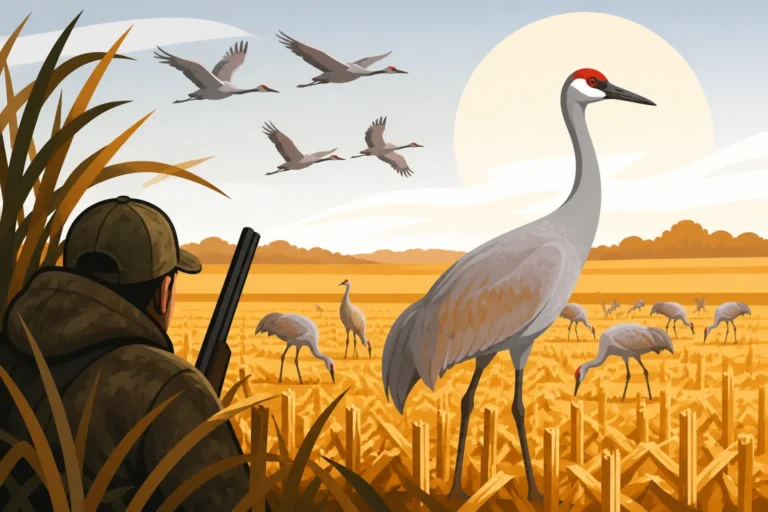
Sandhill cranes gather in Manitoba grain fields during migration to consume waste corn, wheat, barley, and peas for energy.
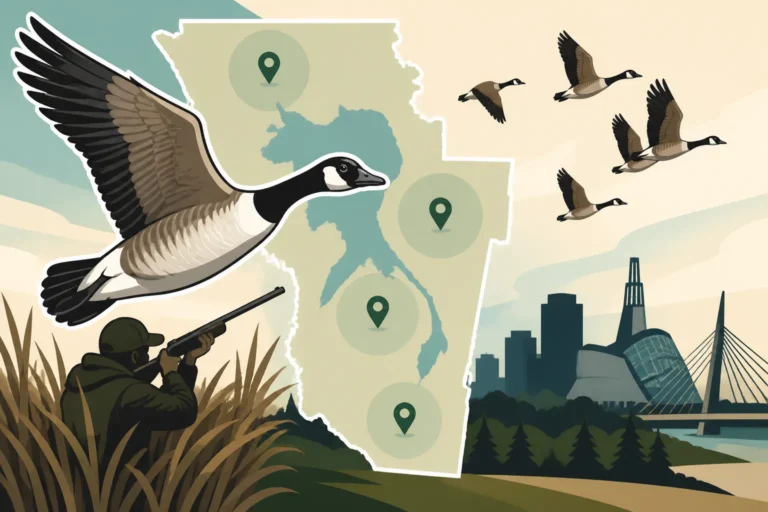
Canada goose populations thrive near Manitoba cities because manicured parks, reduced predators, and abundant food sources provide safety.

Specklebelly goose staging areas in Manitoba include barley stubble fields and lakes in the Interlake region near Lake Manitoba.

Snow goose migration timelines in Manitoba explain spring and fall patterns, helping hunters plan trips for mid-September.

Manitoba geography funnels millions of migratory ducks and geese through the Central Flyway, acting as a vital staging area.

Manitoba’s pothole country and the Prairie Pothole Region provide vital breeding grounds and habitats for Mallards and dabbling ducks.