Wolverine in the Northern Bush
Manitoba wolverines, weighing twenty to fifty pounds, inhabit the northern boreal forest where they survive with powerful jaws and large snowshoe paws.
Know what you’re after.
Big game, small game, upland birds, and waterfowl — identification, behavior, rut and migration timing, and how each species moves through the season.
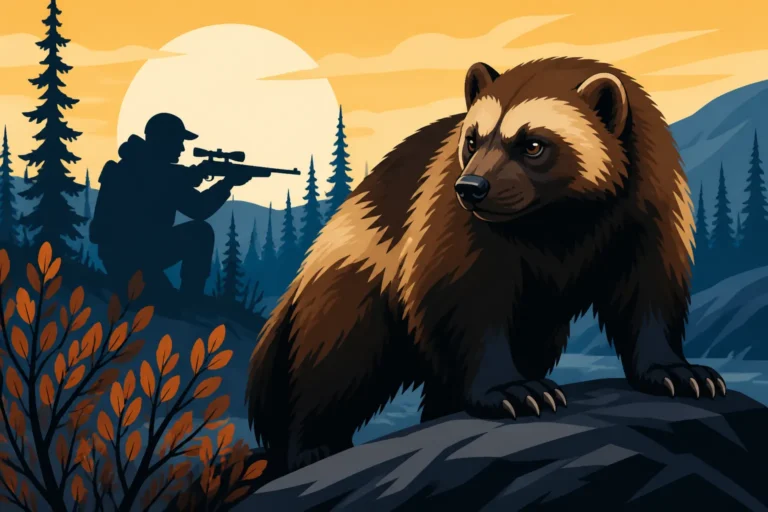
Manitoba wolverines, weighing twenty to fifty pounds, inhabit the northern boreal forest where they survive with powerful jaws and large snowshoe paws.
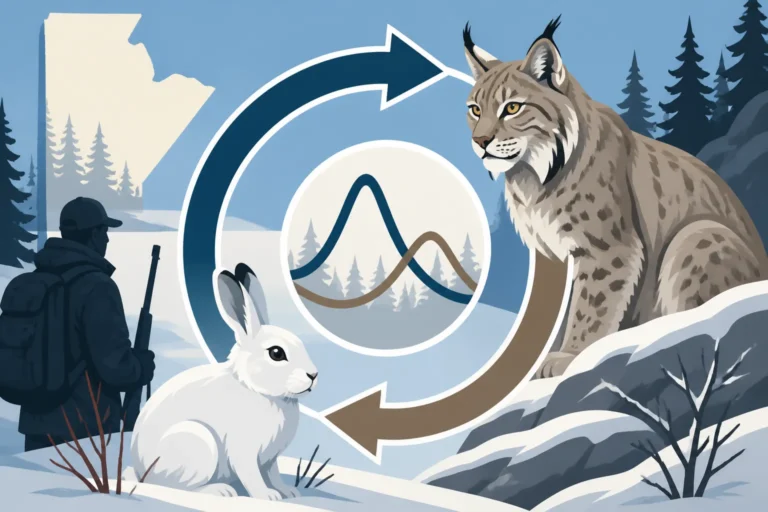
Canada lynx and snowshoe hare populations in Manitoba undergo rhythmic, ten-year boom and bust cycles within northern forests.
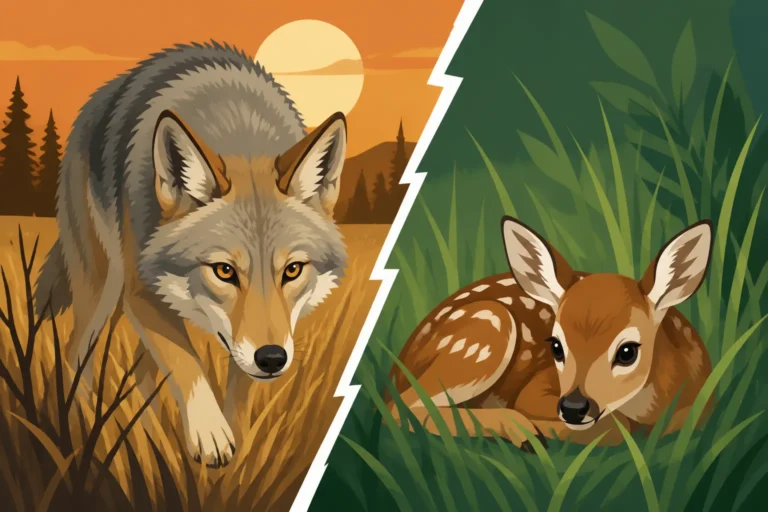
Coyote predation impacts white-tailed deer fawn survival in Manitoba during the critical first two to four weeks of life.
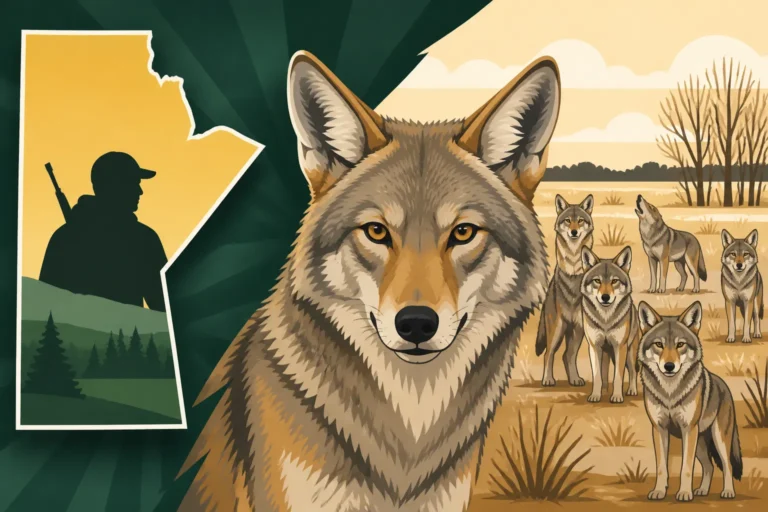
Manitoba coyote populations thrive across diverse regional landscapes due to adaptable behavior, environmental factors, and abundant food sources.
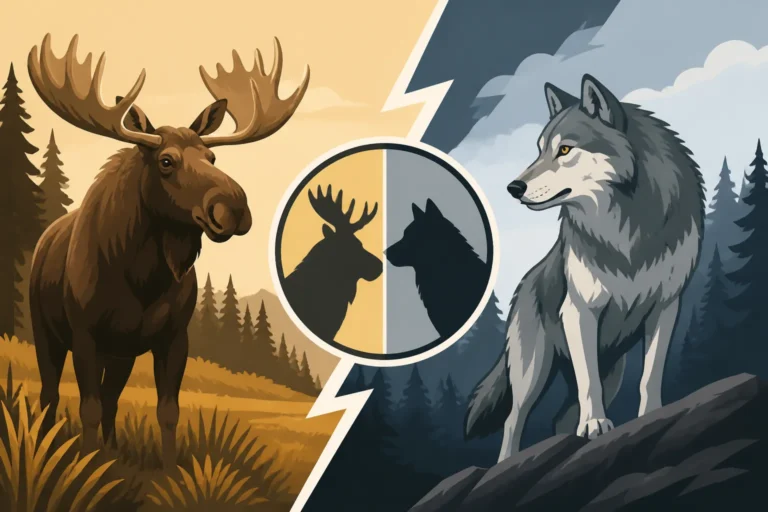
Wolf predation on Manitoba moose is part of a complex dynamic involving habitat, climate, disease, and hunting pressure.
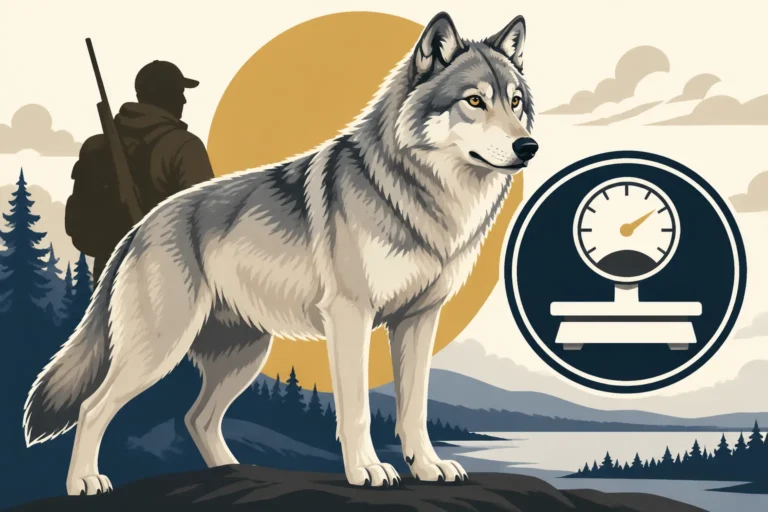
Manitoba northern grey wolves achieve massive size from cold boreal climates and large prey populations including moose and caribou.
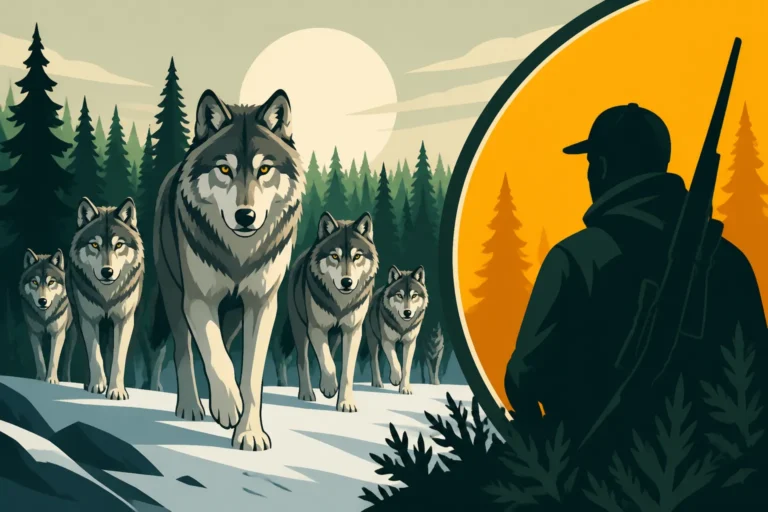
Grey wolf pack sizes in Manitoba range from four to twelve individuals, changing across seasons based on prey availability.
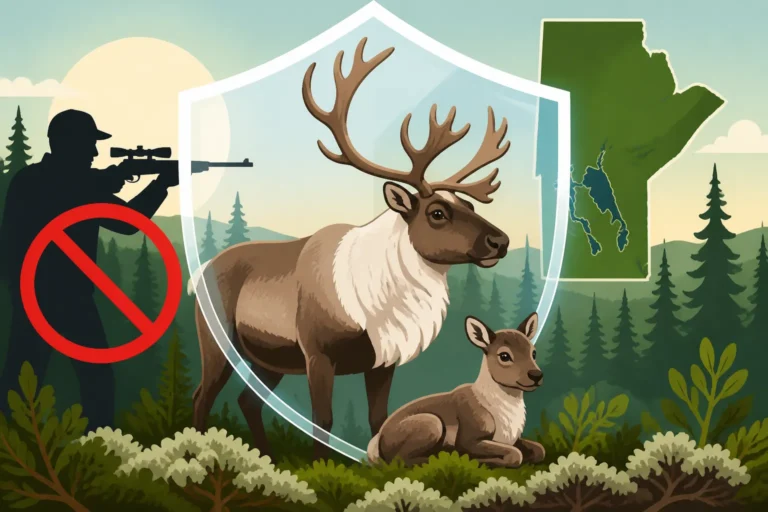
Woodland Caribou protection in Manitoba exists because of declining populations, habitat loss, and increased predation by wolves and bears.
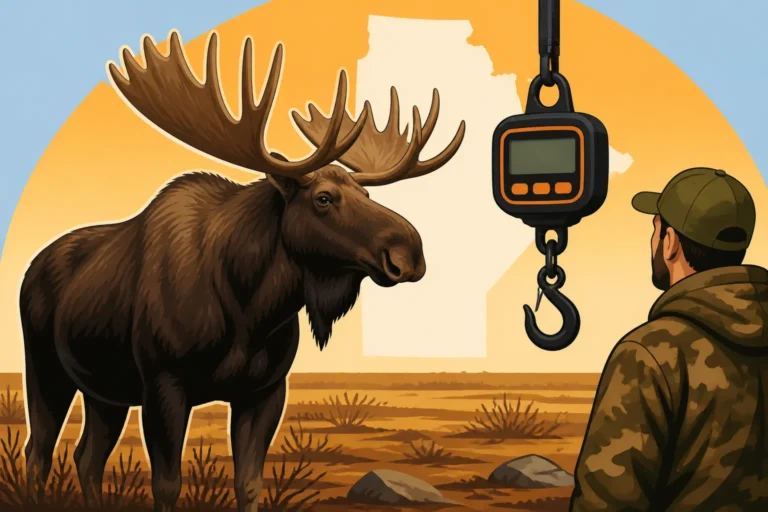
Barren-ground caribou bull weight, influenced by age and seasonal changes, helps hunters prepare for handling large animals.
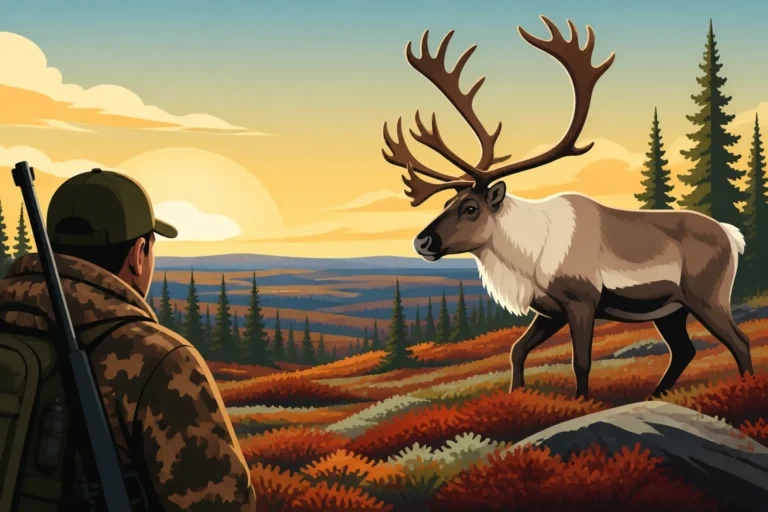
Barren-ground caribou migration patterns and weather factors help hunters time autumn trips to Northern Manitoba.