Whether Manitoba Has Many Mule Deer
Mule deer populations in Manitoba, their scarce southwestern range, and how to identify them compared to abundant whitetail deer.
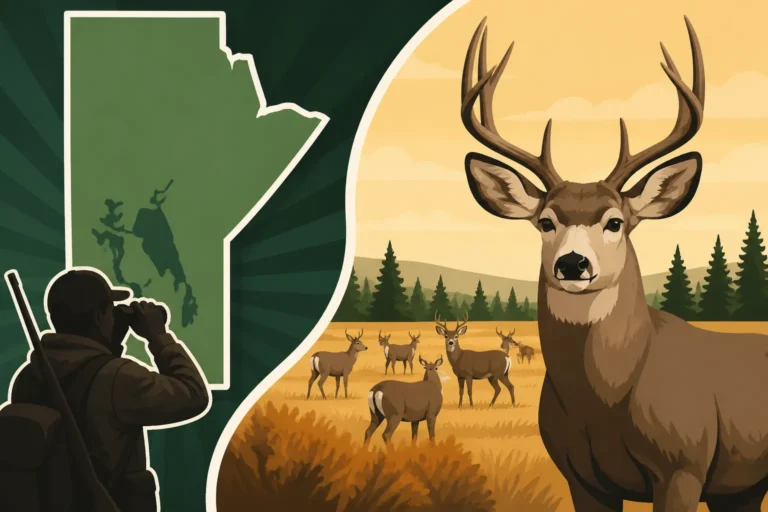
Mule deer populations in Manitoba, their scarce southwestern range, and how to identify them compared to abundant whitetail deer.
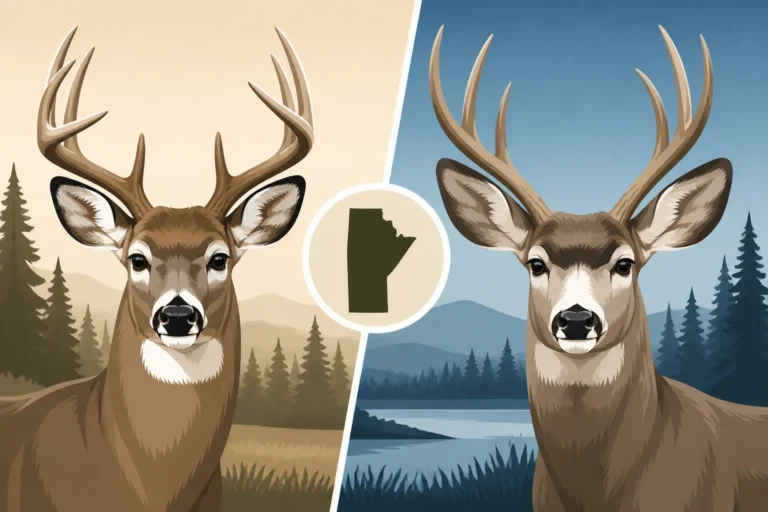
Accurate deer identification helps Manitoba hunters distinguish whitetails from rare mule deer to comply with provincial regulations.
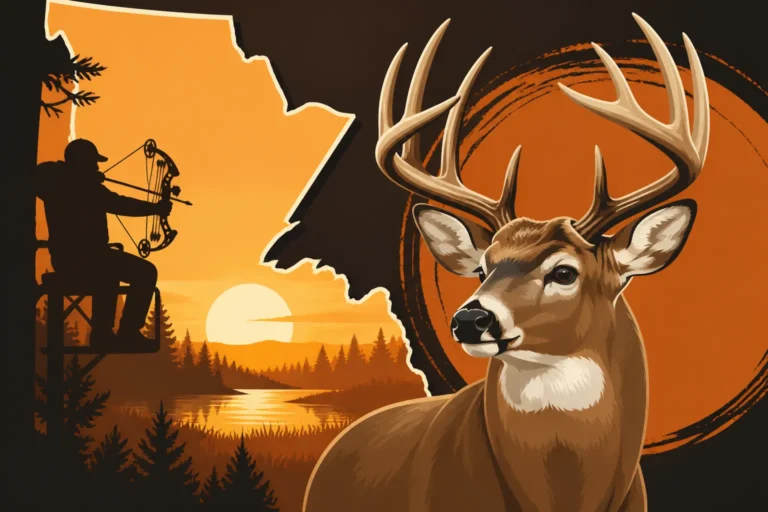
Manitoba whitetail rut peak timing and the photoperiod factors driving deer breeding activity across southern farmland and northern bush.
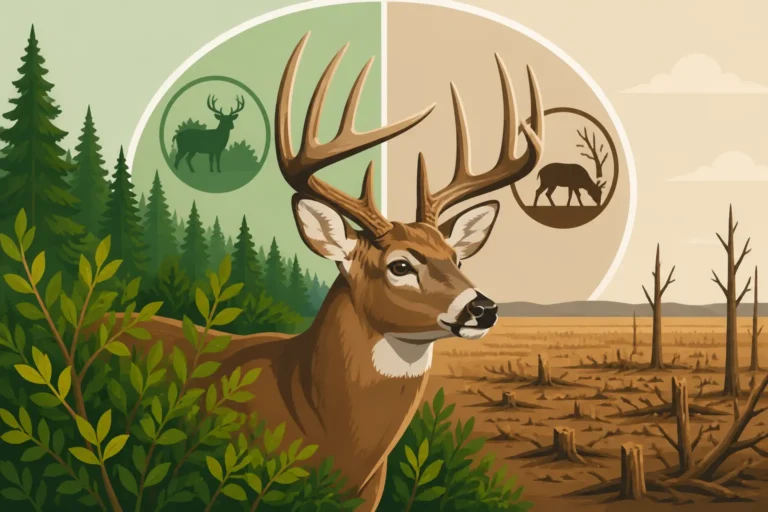
Manitoba bush country buck longevity stems from dense natural cover, reduced human hunting pressure, and abundant escape routes.
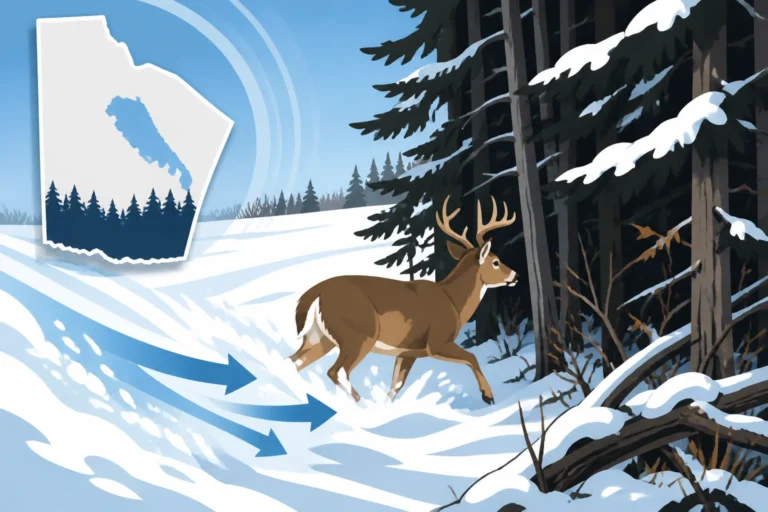
Heavy snow forces Manitoba whitetail deer into dense coniferous stands and thick bush to conserve energy and avoid predators.

Manitoba whitetail deer survive hard winters on woody browse like aspen buds, willow shoots, and bark while burning fat reserves and muscle mass.
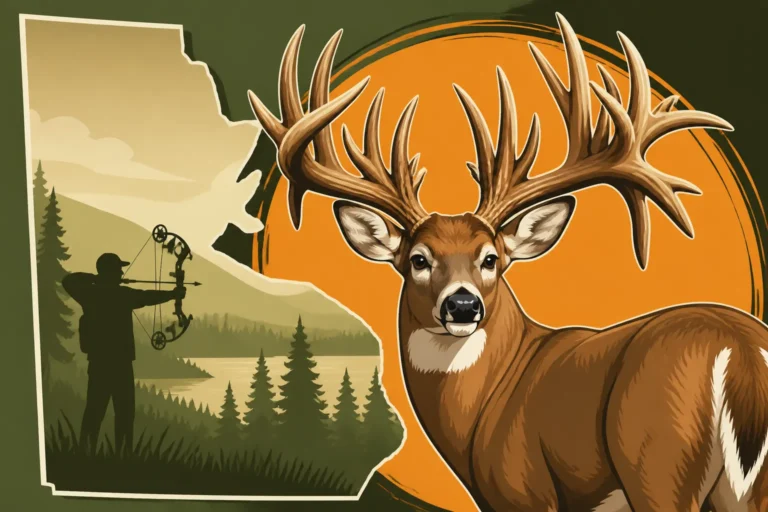
Manitoba nontypical whitetails feature abnormal antler characteristics shaped by genetics, age, and rich forage in diverse ecosystems.
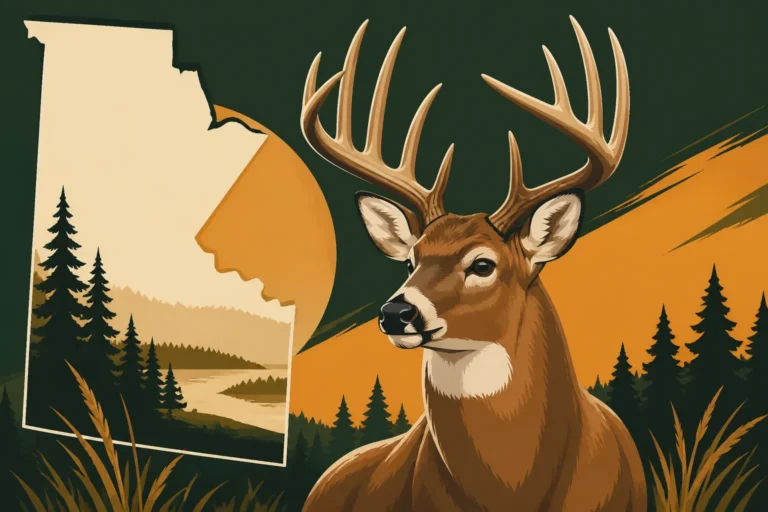
Manitoba whitetail deer scoring systems, antler symmetry standards, and prime regional habitats for trophy typical bucks.

Northern Manitoba whitetail bucks carry larger body mass to survive extreme winter cold, bitter January temperatures, and shorter growing seasons.

Manitoba whitetail deer weights for does and bucks, ranging from 90 to 180 pounds dressed, explained by age, genetics, and climate.