Why Manitoba Whitetails Score So Well
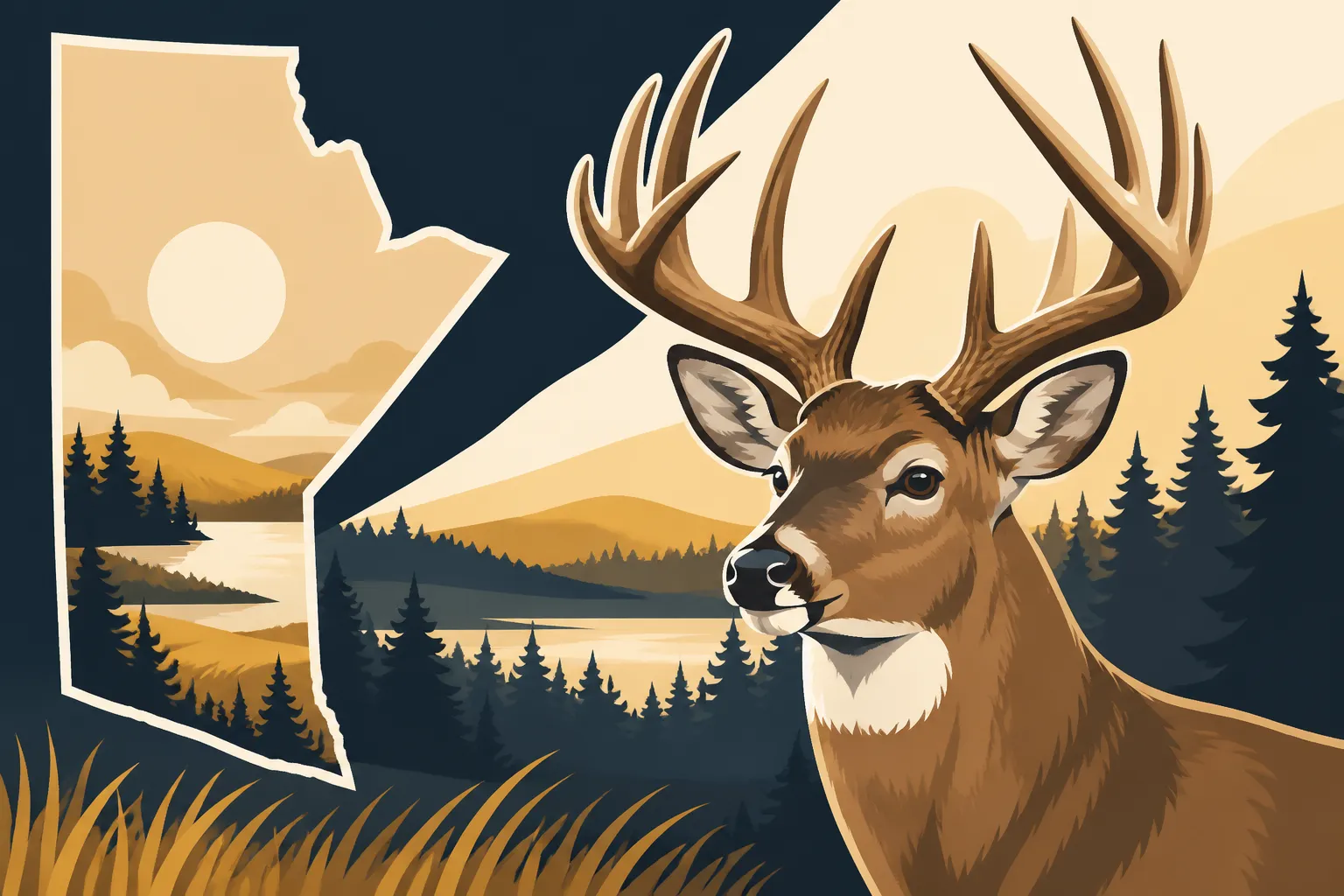
Every hunter who's seen photos of the colossal whitetail bucks coming out of Manitoba has likely thought the same thing: "What is it about that place?" It’s a natural question, especially when you’ve spent countless hours in the stand back home, hoping for a glimpse of a buck that comes even close to those northern giants. It can be frustrating to put in all that effort and not see the results you dream of, making you wonder what magic formula Manitoba has cracked. The truth is, it's not magic, but a perfect storm of environmental factors, genetics, and smart management that consistently produces whitetails with truly impressive racks. This guide will dive deep into the specific reasons why Manitoba is a land of giants, helping you understand the unique conditions that make these deer score so well.
The Nutritional Goldmine of Manitoba's Habitat
One of the biggest factors in antler growth, arguably the most important, boils down to nutrition. Just like a growing teenager needs good food to build strong bones, a whitetail buck needs an abundance of high-quality forage to develop impressive antlers. Manitoba's landscape, particularly in the agricultural belt, is a veritable buffet for deer, providing an almost ideal year-round diet.
Abundant and Diverse Agricultural Crops
Imagine a landscape where endless fields of nutrient-rich crops meet vast tracts of natural bush and timber. That's a huge part of what makes Manitoba's habitat so special. We're talking about extensive agricultural operations growing corn, soybeans, alfalfa, canola, and various grains like wheat and barley. These aren't just empty calories; they're packed with proteins, minerals, and carbohydrates essential for deer health and, crucially, for antler development. During the late summer and fall, bucks can gorge themselves on these high-energy foods, laying down the nutritional foundation for next year's rack. This constant supply means that even as winter approaches, deer have built up significant reserves, which are vital for surviving the colder months and entering spring in good condition. It truly is a nutritional goldmine that fuels incredible growth. You'll often find deer literally living on the edges of these fields, dipping into the bush for cover and then heading straight back out to feed under the cover of darkness.
Natural Forage Enhancements
Beyond the cultivated fields, Manitoba offers a rich diversity of natural forage that complements the agricultural bounty. Our forests, particularly in the aspen parkland regions, are teeming with browse like aspen, willow, saskatoon berry, and various shrubs that provide critical nutrients throughout the year. The diverse plant life ensures that deer aren't reliant on a single food source. This variety is key because different plants offer different vitamins and minerals, creating a well-rounded diet. Think of it like a balanced diet for humans; a deer needs more than just corn. During spring and summer, the lush growth in the bush provides essential proteins for body growth and early antler development. As the seasons change, acorns, berries, and other mast crops become available, supplementing the deer's diet even further. This blend of natural and cultivated forage creates a robust nutritional profile that's hard to beat. When you're Scouting With Satellite Imagery in Manitoba, you can often pick out the transition zones where these different food sources meet, which are prime areas to focus your efforts.
Genetics and Age Structure: The Unseen Architects of Antlers
While nutrition is paramount, it's nothing without the underlying genetic potential and the opportunity for a buck to reach an age where that potential can be fully realized. Manitoba truly shines in both these areas, possessing a potent combination of strong native genetics and a management philosophy that allows bucks to grow old.
Robust Genetic Pool
Manitoba's whitetail deer boast a strong, native genetic pool that is predisposed to growing large bodies and impressive antlers. This isn't a fluke; it's the result of generations of adaptation to this specific environment. The deer here are naturally hardy, evolved to thrive in a landscape that demands resilience. This inherent genetic advantage means that given adequate nutrition and time, a Manitoba buck has a higher likelihood of expressing larger antler growth compared to deer in areas with less favourable genetics or more limited resources. It's like a thoroughbred horse – the potential is there from birth, but it needs the right training and diet to truly excel. When you think about Why Manitoba Bucks Grow Heavy Bodies, it’s intrinsically linked to this robust genetic heritage, which also lays the groundwork for impressive headgear.
Optimal Age Structure through Management
Perhaps even more critical than raw genetics is the age structure of the deer herd. It's a widely accepted truth in deer biology that antler size peaks when a buck reaches maturity, typically between 4.5 and 7.5 years old. Younger bucks simply haven't had the time to fully develop their antler-growing capabilities. Manitoba's hunting regulations and prevailing hunting culture often allow bucks to reach these older age classes. While not all of Manitoba operates under strict antler restrictions, a combination of factors contributes to bucks surviving longer. This includes a tradition among some hunters to pass on younger deer, vast tracts of challenging hunting grounds that are difficult to access, and in some areas, more conservative bag limits or special draw systems that regulate pressure. This means that a significant number of bucks have the chance to live long enough to become true giants, fully expressing their genetic potential. When hunters wonder Why Bush Country Bucks Live Longer, it's often because these areas provide sanctuary where bucks can escape hunting pressure and mature, eventually developing those massive racks that put Manitoba on the map.
Climate and Winter Hardiness: Survival of the Fittest
Manitoba's climate is, to put it mildly, extreme. The winters are long and can be incredibly harsh. While this might sound like a disadvantage, it actually plays a vital, albeit challenging, role in the development of trophy-class whitetails.
The Impact of Harsh Winters
Manitoba winters are not for the faint of heart, and the same goes for its deer. Deep snow, prolonged periods of sub-zero temperatures, and ice-covered landscapes test the mettle of every whitetail. Only the strongest, most resilient animals typically survive these conditions. This natural selection process means that the deer population, over generations, becomes incredibly tough and adapted to the environment. Deer with weaker genetics or less efficient foraging strategies simply don't make it, ensuring that the breeding pool consists of robust individuals. While a tough winter can be a struggle for hunters trying to keep warm, it's also shaping the future of the herd. This "survival of the fittest" principle ensures that the genetic legacy passed on favors superior physical traits, including the ability to grow substantial antlers when conditions allow. It's a tough school, but it graduates some seriously impressive deer.
Body Mass and Antler Development
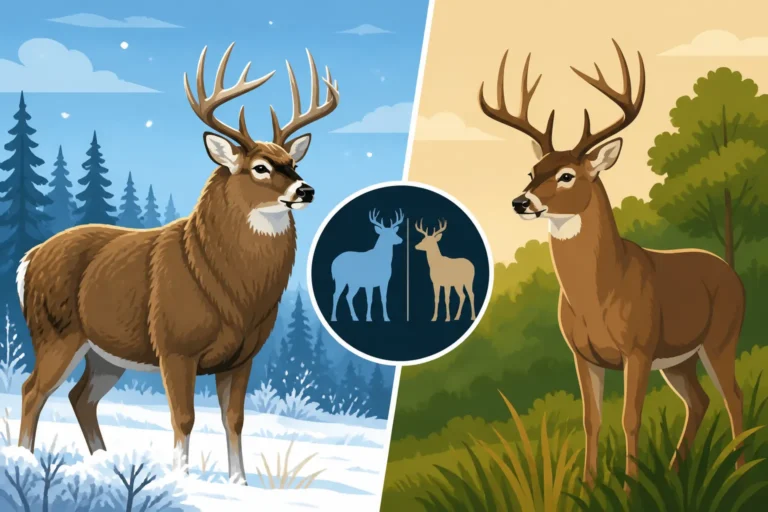
Interestingly, the cold climate also encourages larger body mass. To withstand brutal winter temperatures, whitetails in northern climates tend to be larger-bodied than their southern counterparts. This larger frame requires more bone and muscle, which in turn means the deer are better equipped to allocate resources towards antler growth once spring arrives. A bigger, healthier body provides a stronger foundation for nutrient absorption and efficient energy use, directly correlating to better antler development. It’s a bit of a trade-off: survive the cold, and you're rewarded with the physical capacity to grow a trophy rack. This is a key reason Why Northern Bucks Carry More Body Mass, and it’s an advantage that directly contributes to scoring potential. When you are out Hunting Safely in Deep Winter Cold, remember that the deer you are pursuing are truly built for this environment.
Here's a quick comparison of factors influencing antler growth:
| Factor | Impact on Antler Growth | How Manitoba Delivers |
|---|---|---|
| Nutrition | Directly fuels antler development (protein, minerals). | Abundant agricultural crops (corn, soybeans, alfalfa) and diverse natural browse. |
| Genetics | Determines potential for antler size and quality. | Robust, native whitetail genetics adapted to northern conditions. |
| Age | Allows bucks to reach full antler potential. | Older age class bucks due to management, hunting culture, and vast cover. |
| Climate | Influences body size and genetic selection. | Harsh winters select for hardy, large-bodied deer; contributes to overall health. |
| Hunting Pressure | Low pressure allows bucks to mature undisturbed. | Extensive bush country, large private land holdings, challenging access in some areas, and remote public lands. |
| Cover & Sanctuary | Provides security for deer to feed and grow. | Expansive forests, river bottoms, bluffs, and brush offer ample refuge from disturbance. |
Low Hunting Pressure and Ample Cover
Even with the best nutrition, genetics, and climate, if deer are constantly stressed by human activity or overhunted, they simply won't reach their full potential. Manitoba offers vast areas where hunting pressure is relatively low, and abundant cover provides the sanctuary bucks need to thrive.
Vast Tracts of Unpressured Land
Manitoba is a big province, and much of it remains wild or sparsely populated. This means there are massive tracts of bush, timber, river bottoms, and remote areas where deer face significantly less hunting pressure. While some areas, especially closer to population centers, see more activity, there are still countless sections where a buck can live out its life relatively undisturbed, growing old and growing big. This isn't to say hunting is easy – quite the opposite. Getting into these remote spots often requires effort, whether it's long walks, quads, or even boats, which naturally limits the number of hunters willing or able to reach them. This creates natural refuges where mature bucks can reside, only venturing out into more open areas when the rut drives them or food becomes scarce. If you’re willing to put in the work, you can often find unpressured pockets, even in seemingly well-known Manitoba's Game Hunting Areas.
Extensive Cover and Sanctuary
Beyond just vastness, the type of landscape in Manitoba is critical. We're talking about dense aspen and mixedwood forests, willow thickets, towering bluffs, winding river valleys, and countless slough edges. These features create incredible amounts of cover and sanctuary for whitetails. A big buck knows where to hide, and Manitoba gives them plenty of options. This cover allows deer to move, feed, and bed down without constant stress from predators or hunters. It’s not just about avoiding hunters; it's about minimizing energy expenditure from constant vigilance and flight, allowing that energy to be diverted to growth. When you’re learning Hunting a Bluff Between Two Fields or Hunting a Willow Run for Whitetails, you’re directly tapping into these areas that provide security. Even on private land, landowners often maintain specific bush blocks or shelterbelts specifically for wildlife, creating a network of safe zones across the landscape. Tools like GoHunt can be invaluable for understanding the terrain and identifying these pockets of dense cover that might hold mature animals, especially when combined with local knowledge.
Strategic Scouting and Land Access in Prime Areas
Understanding why Manitoba produces big bucks is one thing, but translating that knowledge into a successful hunt requires strategic scouting and knowing how to access the best ground. It's not always easy, but the rewards are certainly there for those who put in the effort.
Identifying Key Habitat Features
Successful hunters in Manitoba often become masters at reading the landscape. They know that the biggest bucks aren't found just anywhere; they're in specific pockets where the prime factors converge. This means looking for areas where diverse food sources meet, such as the edge of a standing cornfield adjacent to a dense bush line or a river bottom. It's also about identifying natural travel corridors, funnels, and pinch points created by topography, wetlands, or dense cover. Bucks love security, and they'll often travel through the thickest stuff available. Paying attention to these subtle changes in the landscape can reveal where older, wiser bucks prefer to travel and bed. Using satellite imagery for initial scouting, like you might with a GoHunt subscription, is an excellent first step to identify these features before ever setting foot in the field. Understanding Hunting a Bush Edge can significantly increase your odds, as these transition areas are often where deer spend most of their time.
Balancing Public and Private Land Opportunities
Manitoba offers a mix of public and private hunting opportunities, each with its own advantages. Crown land, Wildlife Management Areas (WMAs), and Provincial Forests provide extensive public access, but often require more effort to scout and hunt due to their size and sometimes challenging terrain. These areas can hold incredible deer, especially further from main roads, but they also require meticulous planning and navigation. On the other hand, much of Manitoba's prime agricultural land is privately owned. Gaining access to private land often means knocking on doors, building relationships with landowners, and respecting their property. This can lead to fantastic, less pressured hunting opportunities, especially for those seeking older, mature deer that often gravitate towards these food-rich areas. While public land offers freedom, private land can offer unparalleled quality, making a balanced approach beneficial. It's truly about Hunting Whitetails on Manitoba Crown Land for some, or Knocking on Doors in Manitoba Farm Country for others, and each approach has its merits in the quest for a trophy.
Disclaimer
This article is for general informational purposes only and does not constitute professional advice. Laws, prices and regulations vary by location and change over time. Consult a qualified professional for guidance on your specific situation.