What Counts for a Manitoba Trophy Record
It’s a common scenario after a successful hunt: you're standing over a magnificent animal, heart pounding, adrenaline still coursing through you. The thought invariably crosses your mind: "Is this a trophy? Could this make the record book?" It’s a natural desire to want to celebrate the culmination of all your scouting, preparation, and skill, but understanding what truly counts for a Manitoba trophy record goes far beyond just a quick glance. This guide will walk you through the various ways a hunt can be considered "trophy-worthy," from personal satisfaction to the rigorous standards of official record-keeping organizations.
Understanding "Trophy" Beyond the Tape Measure
For many hunters, the term "trophy" immediately conjures images of massive antlers or an impressive hide. While those certainly play a part in official recognition, the true essence of a trophy hunt extends much deeper. It's about the entire experience, the challenge, and the respect for the animal.
Personal Pride Versus Official Recognition
Before we dive into the nitty-gritty of measurements, let's acknowledge that a "trophy" can be deeply personal. Maybe it's the first deer you ever took, or a difficult hunt where you overcame adverse weather. Perhaps it's the buck you've been chasing for three seasons, finally outsmarting him on his own turf. These are all legitimate trophies in your own right, regardless of whether they'd ever make a formal record book. The memories, the story, the connection to nature – those are often the most valuable takeaways from any hunt.
I’ve had hunts where the animal wasn't the biggest, but the effort, the learning, and the camaraderie with my hunting partners made it truly unforgettable. That smaller buck, taken after days of tough tracking in deep snow, can hold more personal significance than a larger one taken with less effort. It's about celebrating the journey, not just the destination. What really counts is how you feel about the animal you harvested and the ethical way you pursued it.
The Weight of Experience: Age and Body Size
While antlers and horns are often the focus, the age and body size of an animal can be just as, if not more, indicative of a true trophy. A mature bull moose or a heavy-bodied whitetail buck, regardless of its rack, represents years of survival against the elements, predators, and other challenges. Think about a huge, old bear with a scarred face – that's a story written in its very being. These animals are often exceptionally wary, making them incredibly challenging to hunt.
In Manitoba, our whitetail deer are renowned for their impressive body weights, especially those bucks living in the dense bush country up north. A truly mature buck in the Interlake or Parkland can be a giant, thick-necked animal whose sheer size is intimidating even without considering its antlers. Learning to age deer by observing their physical characteristics, like neck thickness, brisket depth, and even how they carry their body, adds another layer to appreciating a true trophy. For some, harvesting an exceptionally old, wise animal that has beaten the odds for so long is the ultimate mark of success. Why Manitoba Bucks Grow Heavy Bodies delves deeper into what contributes to this impressive stature.
The Guardians of the Record Books: Organizations and Their Systems
When we talk about "official" trophy records, we're generally referring to specific organizations that have established rigorous, standardized scoring systems. These systems allow hunters to compare their harvests fairly against others, creating a lineage of truly exceptional animals.
The Granddaddy of Them All: Boone and Crockett Club
The Boone and Crockett Club is perhaps the most recognized name in North American big game record keeping. Founded by Theodore Roosevelt in 1887, their mission extends beyond just measuring antlers; they are deeply committed to fair chase hunting, wildlife conservation, and ethical standards. Their scoring system is meticulously detailed, designed to measure the bone structure (antlers or horns) of an animal in a way that reflects its overall mass and symmetry.
For whitetail deer, their system differentiates between "typical" and "non-typical" racks. A typical rack is generally symmetrical, with points originating cleanly from the main beams. A non-typical rack features abnormal points, drops, or other irregularities. Both are scored, but with different criteria, and often lead to separate categories in the record books. The measurements include main beam length, length of all points, circumference measurements at specific points on the beams, and an inside spread credit. Deductions are applied for any lack of symmetry between the right and left sides of the rack for typical animals. For anyone serious about understanding the nuances, Scoring a Typical Whitetail Rack offers a thorough breakdown.
Archery's Elite: The Pope and Young Club
For those who pursue big game with a bow and arrow, the Pope and Young Club is the equivalent of Boone and Crockett. This organization is dedicated exclusively to bowhunting, emphasizing the "fair chase" ethic that defines this challenging method of hunting. Their scoring system is identical to Boone and Crockett's, using the same detailed measurements for antlers, horns, and skulls. The key difference lies in the method of harvest – it must be taken with archery equipment.
Achieving a Pope and Young entry is a testament to a bowhunter's skill, patience, and dedication. It speaks to the immense challenge of getting close enough to an animal to make an ethical shot with a bow. Whether you're chasing whitetails or a massive moose, the Pope and Young record book stands as a tribute to the pursuit of game with traditional methods. If you're passionate about bowhunting, knowing these standards can certainly add another layer to your season planning.
Other Avenues for Recognition: Provincial and Local Lists
While Boone and Crockett and Pope and Young are the national and international benchmarks, many provinces and local organizations also maintain their own record books or lists. These can be fantastic resources for understanding the quality of game in specific regions, and they often highlight animals that might not quite meet the stringent minimums of the larger clubs but are still exceptional.
Manitoba itself has a rich history of producing incredible game, and sometimes local hunting associations will keep track of impressive harvests. These local lists can be a wonderful way to celebrate community achievements and showcase the unique genetic potential of animals in our specific Game Hunting Areas (GHAs). For those curious about the province's best, exploring Manitoba's Trophy Record Book can provide fascinating insights into what defines a top-tier animal here. Sometimes, these provincial or local groups might even recognize categories that the larger clubs don't, making them even more inclusive for hunters passionate about their local wildlife.
Deciphering the Scorecard: Key Measurements for Manitoba Game
Understanding what specific features are measured for different game species is crucial if you're hoping to submit an animal for record book consideration. Each species has its own unique scoring criteria, focusing on the most impressive and indicative features.
Whitetail Deer: The Art of Antler Measurement
For whitetail deer, it's all about the antlers. The scoring system is quite intricate, designed to capture the overall mass, length, and symmetry of the rack.
- Main Beams: These are the longest continuous segments of the antler, curving from the base forward and upward. They are measured along their outside curve, from the burr to the tip.
- Typical Points (Tines): These are the individual points that project from the main beam. They must be at least one inch long to be counted. Each point is measured from the nearest edge of the main beam to its tip.
- Circumference Measurements: Four measurements are taken around the main beam at specific points between the points, indicating the mass of the antler.
- Inside Spread: This is the widest point between the main beams, measured perpendicular to the skull. While it adds to the gross score, it's often deducted for typical racks if it exceeds the longest main beam.
- Non-Typical Points: Any abnormal points, such as drop tines, kickers, or points originating from other points, are measured and added to a non-typical score.
The "gross score" is the sum of all these positive measurements. The "net score" for typical antlers subtracts deductions for asymmetry and certain spread measurements, striving for perfection. For non-typical racks, abnormal points are added to the typical frame's gross score, and symmetry deductions are generally not applied in the same way. It's a complex process, and using a tool like GoHunt's mapping features can sometimes help you identify areas known for producing large-antlered deer, which might correlate with a higher chance of finding record-book contenders.
Moose, Elk, and Caribou: Mass and Spread
While deer focus on beam and point measurements, other species, like moose, elk, and caribou, have different characteristics that are highlighted in their scoring systems.
- Moose: For moose, it's all about the impressive size and spread of their paddles. Key measurements include the width of the palmation (the 'shovel' part of the antler), the number and length of points on the palmation, the main beam length, and the overall outside spread. The sheer mass and wide, broad paddles are what really drive a moose's score. The Biggest Moose Ever Taken in Manitoba can give you an idea of the kind of giants Manitoba has produced.
- Elk: Elk antlers are impressive for their length, mass, and symmetry. Similar to deer, main beam length, length of individual points (tines), and circumference measurements are critical. The six typical points on each side (brow, bez, trez, royal, surroyal, and bey) are crucial, and any abnormal points or lack of symmetry will lead to deductions for a typical score. What a Mature Bull Elk Weighs often correlates with impressive antler growth.
- Caribou: For barren-ground caribou, the score considers the main beam length, the length of the brow (shovels) and bez tines, the length of top points, and the overall inside spread. The character of the brow tines, whether they form impressive shovels or long spikes, is a significant feature. The overall mass and unique configurations of caribou antlers make them distinct. Judging a Barren-Ground Caribou Bull is an important skill to develop to find a true trophy.
Black Bear and Predators: Skull Measurements
For species like black bears, cougars, and wolves, the scoring isn't about antlers or horns at all; it's about the size of their skull. This is a testament to the animal's physical maturity and genetic potential.
- Black Bear: The Boone and Crockett and Pope and Young systems measure the greatest length of the skull (from the nose to the back of the skull) and the greatest width (across the cheekbones), both to the nearest sixteenth of an inch. These two measurements are added together to get the final score. A heavy-bodied, mature bear typically has a larger skull. Manitoba's Record Black Bear and Its Score will show you what kind of skull sizes are considered truly exceptional.
- Wolves and Coyotes: Similarly, wolf and coyote scores are based on skull length and width measurements. These predators are often elusive, and harvesting a large, mature individual with an impressive skull size is a significant achievement. It reflects their years of cunning and dominance in their territory. When you're out calling coyotes, sometimes you can get a glimpse of just how big some of these animals can get. Hunting coyotes at first light can sometimes put you in position to judge size.
From Field to Formal Score: The Journey of a Potential Record
You've harvested an animal that you believe might qualify for the record book. Now what? The journey from the field to a formal score requires careful preparation, adherence to specific rules, and a bit of patience.
Pre-Measurement Prep: Drying and Preserving Your Trophy
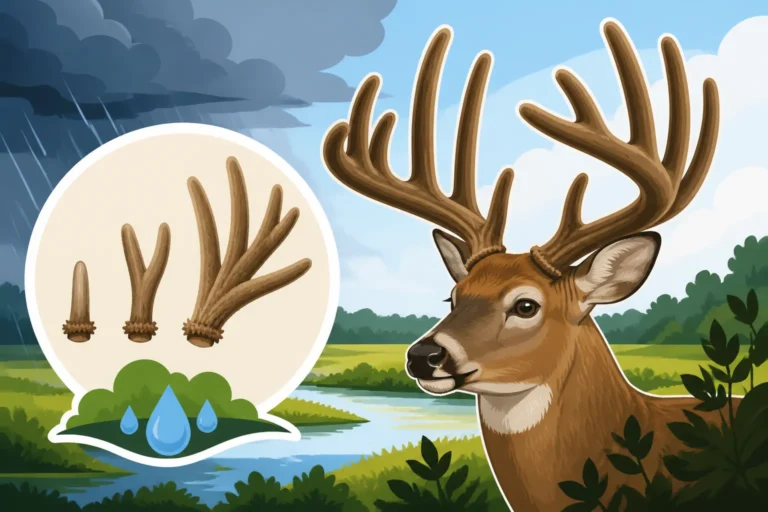
This step is critical and often overlooked. For antlered or horned game, the skull plate with antlers/horns attached must undergo a mandatory 60-day drying period at normal room temperature before it can be officially measured. This allows any residual moisture to evaporate, preventing shrinkage that could alter the final score. Do not rush this process! If measured too soon, the score could shrink, and you'd miss out.
For skull-scoring animals like bears, the skull needs to be completely cleaned of all flesh and membrane and allowed to air dry for the same 60-day period. Many hunters choose to boil or macerate the skull to ensure it's spotless, but always handle it carefully to avoid damaging any part that will be measured. Preserving your trophy correctly is just as important as the hunt itself, ensuring its integrity for measurement and display. Remember, proper meat care in Manitoba's often chilly conditions is also crucial for the rest of your harvest. Meat Care in Manitoba's Cold Snaps provides excellent advice on this.
Finding and Working With a Certified Measurer
You can't just take a tape measure to your antlers yourself and declare a record. Official record-keeping organizations require measurements to be taken by certified measurers. These individuals undergo rigorous training to ensure they understand and apply the complex scoring rules accurately and consistently.
To find a certified measurer, you can typically visit the official websites of the Boone and Crockett Club or Pope and Young Club. They usually have a search function where you can enter your location (e.g., Manitoba) to find accredited measurers near you. Don't hesitate to reach out to them; they are usually passionate about hunting and happy to help guide you through the process. Some hunters even find a wealth of information and contacts for measurers through online hunting communities or resources like GoHunt, which can help connect hunters with local expertise.
The Submission Process: Paperwork and Patience
Once your trophy has been measured by a certified measurer, the real paperwork begins. The measurer will fill out the official score sheet, which is then submitted to the record-keeping organization along with photos of the animal and a detailed affidavit from the hunter about the circumstances of the harvest (including the date, location, and method of take).
There are typically application fees associated with submitting a trophy for consideration. After submission, it can take some time for the entry to be reviewed, verified, and officially entered into the record book. Patience is definitely a virtue here. In some cases, a panel of measurers might review certain entries, especially those close to breaking existing records. Always keep copies of all your documentation. The satisfaction of seeing your animal listed in a prestigious record book, a testament to its grandeur and your skill, is the culmination of this detailed process.
Here's a quick look at the primary features for trophy consideration for some common Manitoba big game:
| Species | Primary Trophy Features | Key Scoring Method |
|---|---|---|
| Whitetail Deer | Antler Main Beam Length, Number and Length of Points, Circumferences, Inside Spread | Boone and Crockett / Pope and Young (Typical/Non-Typical) |
| Moose | Antler Palmation (Shovel) Width, Palmation Points, Main Beam Length, Outside Spread | Boone and Crockett / Pope and Young (Overall Antler) |
| Elk | Antler Main Beam Length, Number and Length of Points, Circumferences, Inside Spread | Boone and Crockett / Pope and Young (Overall Antler) |
| Barren-Ground Caribou | Antler Main Beam Length, Brow Tine (Shovel) Length, Bez Tine, Top Points, Inside Spread | Boone and Crockett / Pope and Young (Overall Antler) |
| Black Bear | Skull Length, Skull Width | Boone and Crockett / Pope and Young (Skull) |
| Wolf | Skull Length, Skull Width | Boone and Crockett / Pope and Young (Skull) |
| Coyote | Skull Length, Skull Width | Boone and Crockett / Pope and Young (Skull) |
Ultimately, while the pursuit of a record-book animal can be an exciting goal, remember that the true measure of a successful hunt lies in the experience, the challenge, the ethical pursuit, and the respect shown to the wildlife we cherish. May your time in Manitoba's wild spaces always be rewarding, whether or not you tag a record.
Disclaimer
This article is for general informational purposes only and does not constitute professional advice. Laws, prices and regulations vary by location and change over time. Consult a qualified professional for guidance on your specific situation.