Why Woodland Caribou Are Protected
It's a question I hear often, especially from newer hunters or those visiting our province for the first time: "Can you hunt Woodland Caribou in Manitoba?" It's a fair question, given how iconic caribou are, and how many other provinces do have seasons for them. The stark reality, however, is that our Woodland Caribou populations are in a very different, much more precarious situation than their Barren-ground cousins. This guide will delve deep into the critical reasons why Woodland Caribou are a fully protected species here in Manitoba, the conservation efforts underway, and how they differ from other caribou you might be more familiar with.
The Stark Reality: Why Woodland Caribou Face Protection
For many hunters, the idea of any big game animal being off-limits can be a tough pill to swallow. After all, isn't responsible hunting a part of conservation? Absolutely. But the situation with Woodland Caribou, particularly the boreal forest-dwelling ecotype found in Manitoba, is complex and deeply concerning. These magnificent animals, often called the "grey ghosts of the boreal," are listed as a threatened species under federal and provincial legislation, meaning their populations are vulnerable to further decline or extinction. Their protection isn't a casual decision; it's a response to decades of significant population declines driven by a perfect storm of environmental pressures.
Habitat Loss and Fragmentation
Imagine trying to raise a family in a house where the walls keep disappearing, and new, noisy roads are constantly being built right through your yard. That's essentially what Woodland Caribou have been facing. They are incredibly sensitive to disturbance and require large, undisturbed tracts of mature boreal forest, often relying on lichen found in old-growth stands. This isn't just about trees, it's about a complete, intact ecosystem that provides food, cover, and refuge from predators.
Over the years, human activities like logging, mining exploration, oil and gas development, and the expansion of roads and seismic lines have steadily chipped away at and broken up their crucial habitat. Each new road, each new cut block, creates an "edge effect" – a transition zone that caribou actively avoid. This fragmentation doesn't just reduce the amount of habitat; it also reduces its quality and connectivity, making it harder for caribou to move safely between areas, find mates, and access seasonal food sources without encountering increased risks. It's like trying to navigate a maze that keeps changing, with more and more dead ends.
Increased Predation
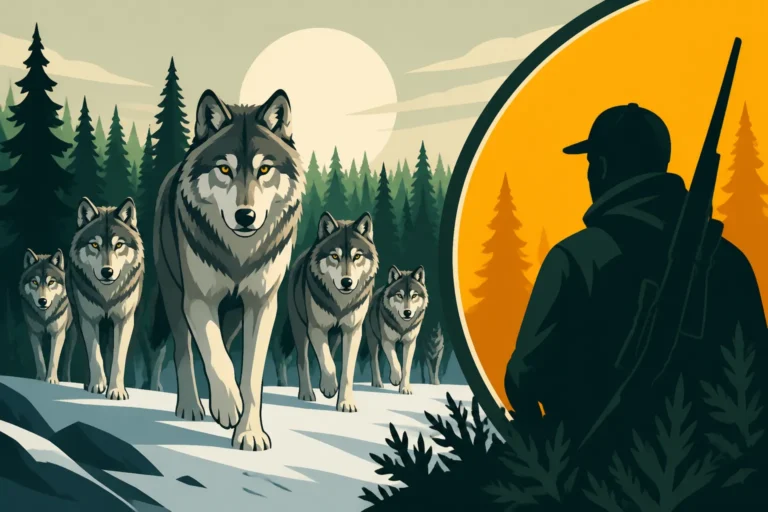
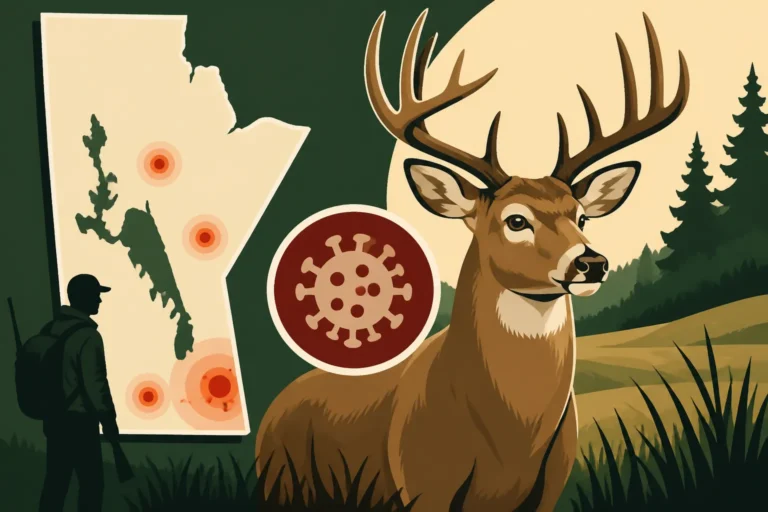
It might seem counterintuitive, but one of the biggest threats to Woodland Caribou, ironically, comes from other prey animals like moose and white-tailed deer. As human disturbance opens up the boreal forest, creating younger stands, more browse becomes available for deer and moose. These animals thrive in these altered landscapes. The problem? Where deer and moose populations increase, so do their primary predators – wolves and black bears.
Woodland Caribou have a "low-density, low-predation risk" survival strategy. They disperse across vast, remote areas, trying to avoid contact with predators. However, when predator numbers surge due to an abundance of other prey, caribou, despite being sparse, become an "alternate" food source that these now-numerous predators stumble upon more frequently. It's a concept known as "apparent competition," where increased competition for habitat with other ungulates ultimately leads to increased predation on caribou, even if the predators aren't specifically targeting caribou first. This puts intense, unsustainable pressure on already dwindling caribou herds. Wolves in Manitoba's North play a significant role in this dynamic.
Climate Change Impacts
The changes we're seeing in global weather patterns also throw a wrench into the delicate balance of caribou survival. Woodland Caribou are specially adapted to northern environments, and shifts in climate can have profound impacts on their habitat and food sources. For instance, changes in snow depth and duration can affect their ability to access ground lichen, a critical winter food. Too much hard-packed snow can make foraging difficult, while too little snow might expose them more readily to predators.
Warmer temperatures can also alter vegetation patterns, potentially reducing the availability of preferred forage or increasing insect harassment. Furthermore, changes in freeze-thaw cycles can lead to ice crusts on snow, making it impossible for caribou to break through to their food. These subtle but impactful changes stress populations already struggling, making their recovery an even greater challenge. For insight into how other northern species are affected, you might want to read Why Northern Manitoba Game Moves So Far.
Small and Isolated Populations
Unlike the vast migratory herds of Barren-ground Caribou, Woodland Caribou populations in Manitoba are often small, fragmented, and relatively sedentary. They tend to stick to specific, traditional home ranges. This isolation makes them incredibly vulnerable. A small herd, already battling habitat loss and increased predation, has very little resilience to withstand additional pressures.
A severe winter, an unexpected disease outbreak, or even just a few successful hunting seasons (if they were allowed) could decimate a small population beyond recovery. Genetic diversity can also become an issue in isolated groups, potentially leading to weakened populations over time. The "stronger in numbers" principle simply doesn't apply here, making active human intervention and protection paramount.
Manitoba's Conservation Efforts for Woodland Caribou
The protection of Woodland Caribou isn't just about saying "no hunting." It's a multi-faceted, long-term commitment involving government, Indigenous communities, industry, and conservation groups all working together (or at least trying to) to give these animals a fighting chance. It's a marathon, not a sprint, and requires significant resources and dedication.
Designated Protection and Recovery Strategies
Manitoba has formally designated Woodland Caribou as a threatened species, which triggers a suite of legal protections and recovery planning requirements. This means the province must develop and implement strategies aimed at stopping and reversing population declines. These strategies typically focus on addressing the root causes of their decline: habitat protection and restoration, and predator management.
Part of this involves identifying critical habitat areas – the places caribou absolutely need to survive and thrive – and implementing measures to reduce disturbance in these zones. This can sometimes lead to tough decisions about resource development projects, requiring careful balancing of economic interests with conservation needs. It’s a constant challenge to protect these sensitive areas. You can also see similar conservation efforts, like those detailed in Manitoba's Moose Conservation Closures, for other species facing challenges.
Research and Monitoring
You can't manage what you don't understand, and that's especially true for an elusive species like Woodland Caribou. Extensive research and monitoring programs are crucial. Scientists track caribou movements using telemetry collars, conduct aerial surveys to estimate population numbers, and analyze health and genetic data from samples. This data helps us understand caribou distribution, population trends, birth rates, survival rates, and causes of mortality.
This scientific backbone is what informs recovery efforts. It tells us where the caribou are, what pressures they're facing, and whether conservation actions are actually making a difference. Even though you can't hunt them, tools used by hunters to understand the landscape, like detailed mapping apps, can actually offer a glimpse into the vastness of the boreal required by these animals. For instance, a quick look at the satellite imagery on a platform like GoHunt can illustrate just how fragmented some areas have become, highlighting the challenges caribou face.
Habitat Management and Restoration
The cornerstone of Woodland Caribou recovery is habitat. Efforts are underway to minimize further habitat destruction and, where possible, to restore degraded areas. This involves working with forestry companies to adopt caribou-friendly harvesting practices, such as maintaining large patches of mature forest and reducing the creation of new linear features like roads. It also means actively rehabilitating old seismic lines and logging roads by blocking access and encouraging natural regrowth, effectively "healing" the forest.
These efforts are not quick fixes. Forest ecosystems take decades, sometimes centuries, to return to a state that can support caribou. However, without active management and restoration, the long-term prognosis for these animals would be far bleaker. It's a reminder that healthy habitat is the foundation for all wildlife, and without it, even our most robust species would struggle. When considering where to hunt other species, understanding habitat is key; check out Hunting a Boreal Muskeg Edge for more on specific habitat types.
Understanding the Difference: Woodland vs. Barren-Ground Caribou
It's really important for hunters, and anyone interested in wildlife, to understand that "caribou" isn't a single, uniform species when it comes to management and conservation. While they share a common ancestor, Woodland Caribou and Barren-ground Caribou are distinct ecotypes with different behaviours, habitats, and, critically, conservation statuses. Confusing the two can lead to misunderstandings about hunting regulations and conservation priorities.
Distinct Habitats and Behaviours
The most obvious difference lies in where they live and how they live. Barren-ground Caribou, as their name suggests, inhabit the vast, open tundra and taiga regions of northern Manitoba and further north. They are famous for their epic seasonal migrations, often travelling hundreds of kilometres in massive herds between their calving grounds and wintering ranges. You'll see them moving across the treeless plains, a truly spectacular sight.
Woodland Caribou, on the other hand, are residents of the dense, often swampy boreal forest. They are more solitary or found in small groups, and their movements are much more localized. They don't undertake those grand migrations but instead quietly navigate the treed landscape. Their diet relies heavily on ground and arboreal lichens, especially in winter, which are abundant in older, undisturbed forests. This difference in habitat and migratory patterns is fundamental to why they face different threats. For a deeper dive into the huntable species, check out Barren-Ground Caribou Hunting in Northern Manitoba.
Different Conservation Status
Because of their vastly different population dynamics and habitat requirements, these two caribou ecotypes have very different conservation statuses and, consequently, different hunting regulations. Barren-ground Caribou populations, while they do experience natural fluctuations, are generally considered stable enough to sustain regulated hunting in certain areas, particularly further north. Their large herd sizes and expansive range offer more resilience.
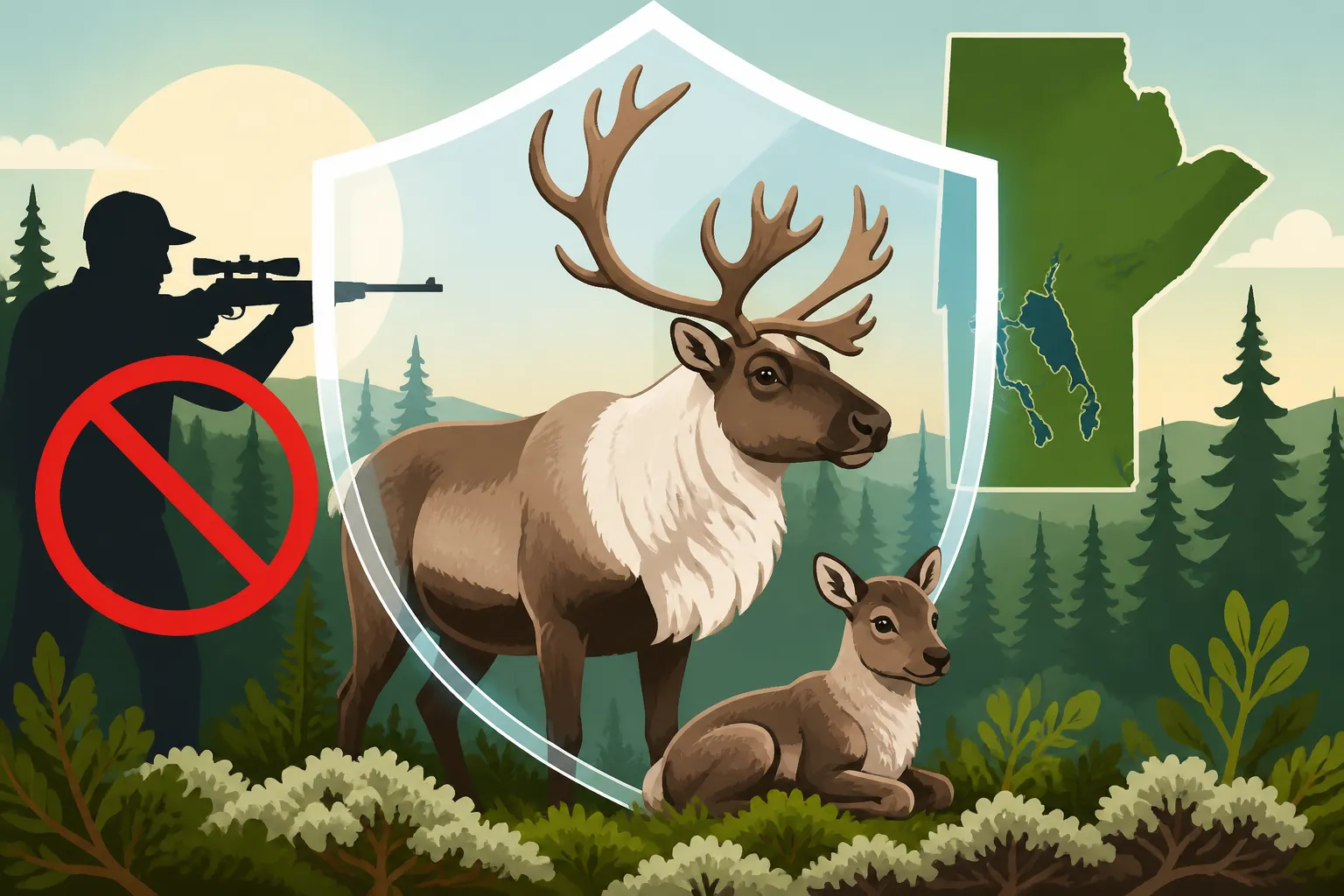
Woodland Caribou, however, are a species in peril. Due to the significant threats outlined earlier – severe habitat fragmentation, increased predation, and the challenges of small, isolated populations – they are fully protected in Manitoba. There is no hunting season for Woodland Caribou here, and their recovery is a top conservation priority. This distinction is paramount when discussing caribou in Manitoba. You can learn more about their specific status in Woodland Caribou and Their Status.
The Role of Hunters in Caribou Conservation (for Barren-Ground)
While Woodland Caribou are protected, the Barren-ground Caribou do offer hunting opportunities in some regions outside of Manitoba, or in specific, limited areas further north where their populations are robust. In these contexts, responsible hunters play a vital role in conservation. Regulated hunting, based on sound scientific management, can help maintain healthy herd structures, provide valuable data through harvest reports, and generate funds for conservation efforts.
However, even for Barren-ground Caribou, seasons are carefully managed, and tags are often limited to ensure sustainability. It's a testament to the fact that hunting, when done ethically and scientifically, can be a tool for conservation. But that tool must be applied thoughtfully, and only to healthy, sustainable populations, which, unfortunately, our Woodland Caribou populations are not at this time. When you use mapping applications like those offered by GoHunt to plan any hunting trip, remember that detailed land-use information and wildlife management unit boundaries are critical for understanding where and what you can legally pursue, respecting all protected species.
Comparison of Caribou Ecotypes in Manitoba
| Feature | Woodland Caribou (Boreal Ecotype) | Barren-Ground Caribou (Qamanirjuaq Herd) |
|---|---|---|
| Primary Habitat | Dense boreal forest, often swampy or mature treed areas | Open tundra, taiga, and northern forests |
| Behaviour | More sedentary, generally in small groups or solitary | Highly migratory, forming large herds, long seasonal movements |
| Diet Focus | Ground and arboreal lichens, especially in winter, some browse | Lichens, grasses, sedges, shrubs, mosses |
| Conservation Status | Threatened (Federal & Provincial) | Generally stable (Managed sustainably where huntable, but subject to fluctuations) |
| Hunting in Manitoba | FULLY PROTECTED – NO HUNTING | Huntable in specific northern areas with appropriate tags and seasons |
| Primary Threats | Habitat loss/fragmentation, increased predation (wolves/bears) | Climate change, industrial development, overharvest (historically) |
| Population Trend | Declining or stable in limited, isolated areas | Can fluctuate dramatically, but generally resilient across broad range |
Looking Ahead: The Future of Woodland Caribou in Manitoba
The story of Woodland Caribou in Manitoba is a challenging one, but it's not without hope. Conservation efforts continue, guided by the best available science and an understanding of the complex ecological factors at play. It's a stark reminder that our actions on the landscape have profound impacts on wildlife, and sometimes, the best thing we can do for a species is to leave it alone and help restore its home.
For those of us who cherish Manitoba's wild places and its incredible wildlife, understanding why species like the Woodland Caribou are protected is crucial. It fosters a deeper appreciation for the interconnectedness of our ecosystems and reminds us of our responsibility to be stewards of the land. While we can’t pursue them with a tag, we can certainly advocate for their habitat, support conservation initiatives, and educate ourselves and others about their plight. Perhaps, with sustained effort, future generations will see their numbers rebound, strengthening the fabric of our northern wilderness.
Disclaimer
This article is for general informational purposes only and does not constitute professional advice. Laws, prices and regulations vary by location and change over time. Consult a qualified professional for guidance on your specific situation.