What Bears Eat in a Boreal Spring
When the last vestiges of a long Manitoba winter finally recede, and the landscape slowly begins to thaw and green up, black bears across our vast boreal country are stirring from their dens. For many hunters, figuring out where these magnificent animals will be in the early spring, fresh out of hibernation, can feel like a guessing game. It's a critical piece of the puzzle, because knowing what bears eat in a boreal spring is the absolute key to understanding their movements and increasing your chances of a successful hunt. This comprehensive guide will walk you through the evolving menu of a spring bear, giving you the insights you need to predict their whereabouts and plan your strategy.
The Spring Awakening: Bears Emerging from the Den
Imagine waking up after months of deep sleep, your body running on fumes, and the first thing you want is sustenance. That’s pretty much the scenario for a black bear emerging from its winter den in Manitoba. Their bodies have been in a state of torpor, conserving energy, but now they need to kickstart their metabolism and begin the crucial process of replenishing lost weight and building condition. This initial period is all about finding readily available calories and nutrients to get things moving again.
Early Green-Up and Emergent Vegetation
As soon as the snow melts and the sun starts to warm the earth, the first signs of green are a beacon for hungry bears. These aren't the lush fields of summer, but rather tender, nutrient-rich shoots that push through the thawing soil. Think about the places where snow melts fastest – south-facing slopes, along creek bottoms, or the edges of clearings. These spots offer the earliest buffet.
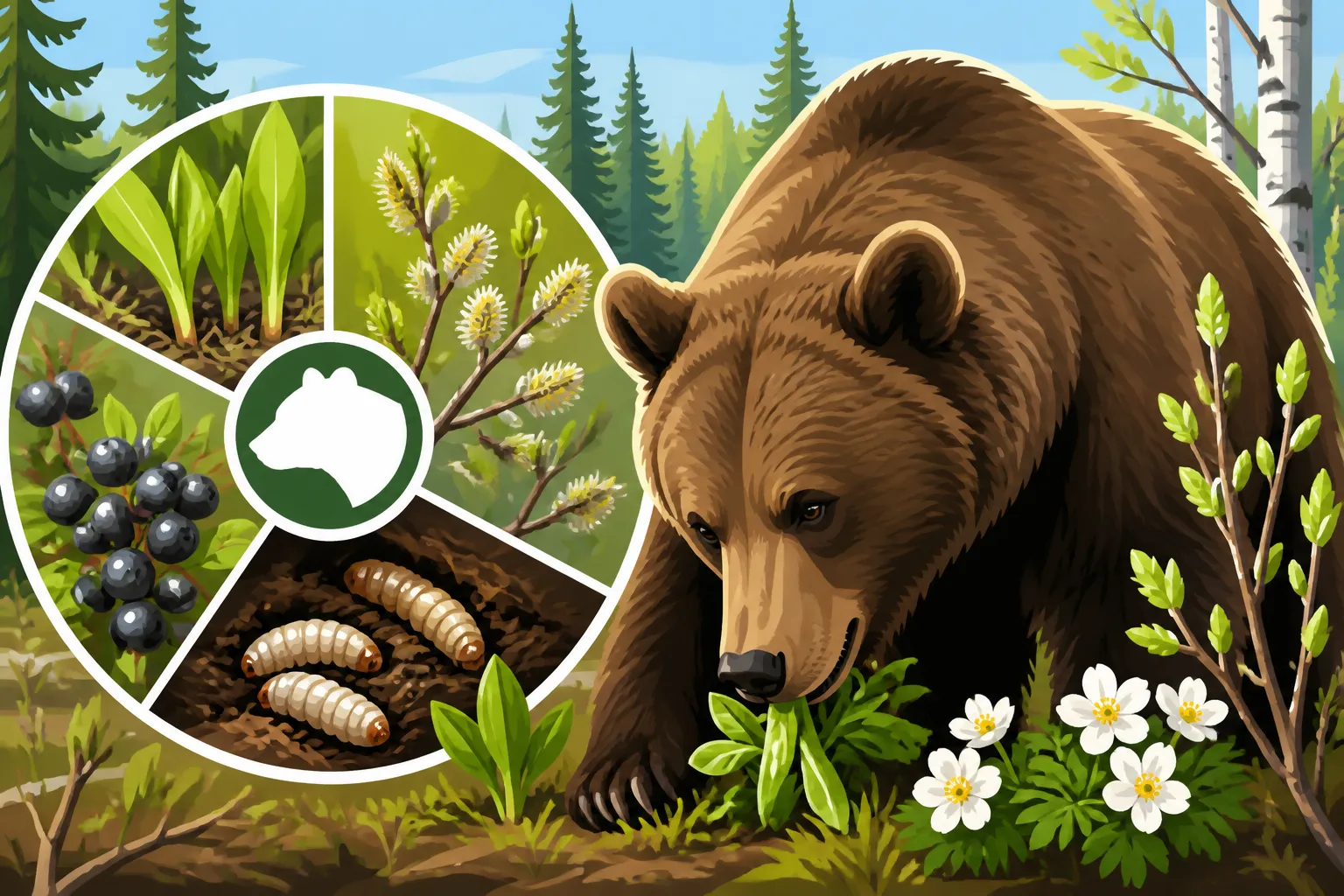
Bears will gravitate towards these areas to graze on young grasses, sedges, and forbs. While these plant matters might not seem like high-calorie fare, they're packed with essential moisture and readily digestible nutrients, which are vital for a digestive system that's been dormant for months. It's like a bear's first salad after a long fast – hydrating and gently restarting their internal engine. Scouting these "green-up" zones, often visible even on satellite imagery if you know what to look for, can be highly effective. A good mapping tool, like the features you might find on GoHunt, can help you identify these prime spots before you even set foot in the bush.
Scavenging Opportunities: Carrion and Winterkill
After a tough Manitoba winter, not all wildlife makes it. Deer, moose, and even smaller animals can succumb to harsh conditions, predation, or injury. These carcasses, or "winterkill," become an incredibly important food source for hungry bears in the early spring. For a bear desperate for protein and fat, a large carcass is a goldmine, offering a dense nutritional punch that early vegetation simply can't match.
Bears have an incredible sense of smell, and they will travel considerable distances to locate carrion. Creek beds, dense bush pockets where animals seek shelter from the cold, and areas prone to ice breakage on lakes or rivers are all potential locations to find winterkill. If you're out Scouting a Manitoba Game Hunting Area, keep an eye out for concentrations of ravens, eagles, or magpies, as these birds are often a dead giveaway that a carcass is nearby. While it might not be the most glamorous meal, carrion plays a huge role in a bear's recovery from hibernation and provides vital energy when other foods are scarce. This is also why setting up a bait site early in the season, as discussed in Baiting Black Bear in Manitoba, can be so effective; it mimics a readily available food source.
A Gradual Shift: From Succulents to Insects
As spring progresses into late May and early June, the boreal forest transforms. New growth emerges, and with it, a wider array of food sources becomes available to Manitoba's black bears. Their diet isn't static; it constantly adapts to what nature offers, moving from the initial necessity of green shoots and carrion to a more varied, calorie-dense menu.
Insect Protein Boost: Ants, Grubs, and Other Insect Sources
Once the ground thaws completely and insects become active, bears eagerly add them to their diet. Ants, in particular, are a favorite. Black bears will tear apart old logs, flip over rocks, and excavate ant hills to get at the protein-rich adults and their larvae. You'll often see tell-tale signs of their foraging, like torn-up stumps and overturned forest debris, indicating an area where bears have been actively searching for these tiny, yet significant, food sources.
Beyond ants, bears will also dig for grubs, beetle larvae, and other invertebrates found under the bark of dead trees or in decaying wood. This insectivorous phase provides a crucial protein boost, helping them rebuild muscle mass lost during hibernation and prepare for the demands of the upcoming breeding season. When you’re tracking bear sign, especially during a Spring Bear Hunting in Manitoba trip, pay close attention to the condition of logs and stumps in the bush; fresh claw marks and disturbed earth can indicate recent feeding activity.
The Importance of Berries (Even Early Ones)
While we often associate bears with late-summer and fall berries, don't underestimate the role of residual or early-blooming berries in a spring bear's diet. Sometimes, if the previous fall was particularly abundant, dried or frozen berries like cranberries or blueberries might persist under the snow and become accessible once the ground thaws. More importantly, bears will also consume the tender leaves and blossoms of berry plants, which provide nutrients even before the fruit develops.
As the season progresses, early spring flowers and developing berries offer a gradual transition towards the more calorie-rich fruit diet of summer. Bears are opportunists, and they'll take advantage of whatever is available. Knowing the typical plant cycles in your hunting area can help you anticipate these dietary shifts. Areas known for producing abundant berry crops later in the year, as well as those with good concentrations of the Black Bears Across Manitoba's Bush Country, will often attract bears to feed on the tender shoots and blossoms long before the berries ripen.
The Calorie Crunch: What Drives a Spring Bear's Diet
A black bear's life in the boreal spring is a constant battle against the energy deficit accumulated over winter. Every food choice is driven by an intense need to recover, grow, and prepare for the rigors of mating and the long summer ahead. Understanding these underlying biological drives gives you a critical edge when trying to locate them.
Fat Reserves and Replenishment
When a bear first emerges from its den, its fat reserves are at their lowest. These reserves are what sustained them through hibernation. The primary goal of a spring bear is to quickly begin rebuilding these fat stores. While early green vegetation helps restart their digestion and provides some nutrients, it’s low in calories. This is why high-fat sources like carrion become so incredibly valuable, and why bears will aggressively seek them out.
They also need to increase their body temperature and activity levels, which burn calories. Think of it like a human athlete needing specific foods for recovery and performance. For a bear, every morsel consumed is evaluated by its body for its potential to contribute to fat accumulation. This intense drive means they will often linger in areas with consistent, high-calorie food sources, making those spots prime locations for hunters. If you're looking at Manitoba Black Bear Hunt Prices, remember that a good outfitter understands this drive and often uses baiting strategically to capitalize on it, offering a reliable food source to help bears gain condition.
Protein for Growth and Recovery
Beyond fat, protein is absolutely essential for a bear's recovery and growth in the spring. After months of inactivity, muscle atrophy is a real concern. Protein from sources like insects and carrion helps repair and rebuild muscle tissue, which is vital for strength, mobility, and overall health. For sows, protein is particularly important as they might have cubs from the previous year, or be pregnant, requiring extra nutrients for milk production or fetal development.
Growing cubs also have high protein requirements. A healthy, protein-rich diet for the sow means healthier, faster-growing cubs, increasing their chances of survival. This emphasis on protein means that areas rich in insect populations or with a history of winterkill will be highly attractive to bears throughout the spring. When planning a hunt, considering Where Manitoba's Bear Densities Are, look for regions known for their abundant insect life and varied terrain where winterkill is more likely to occur.
Where to Find Spring Bear Based on Food
The direct correlation between a bear's diet and its location is what makes understanding their spring menu so powerful for hunters. It's not just about what they eat, but where those foods are found, and how that influences their daily movements and habits.
Following the Green-Up
The earliest green-up areas are undeniably hot spots for spring bears. Think about specific topographical features: south-facing slopes, river valleys, and low-lying areas that thaw and green first. These are the places where the first tender shoots of grass, sedges, and other herbaceous plants will emerge. Bears will literally follow the green line as it progresses up hillsides and into deeper parts of the forest.
When you're studying your maps, especially with detailed satellite imagery on platforms like GoHunt, look for these natural "food corridors." Imagine a bear moving slowly, grazing its way along a sun-drenched slope or through an early-thawing willow run. These areas, particularly those bordering thicker cover for security, are prime locations for spotting bears in the morning and late afternoon. This concept is crucial for those interested in Hunting Manitoba's Fall Bear Season too, as bears will follow food sources then, but the specific foods will be different.
Locating Scavenging Sites and Early Protein Sources
Beyond the green-up, finding those concentrated protein sources is critical. This means actively looking for signs of carrion or insect activity. As mentioned, concentrated bird activity (crows, ravens) can point to a carcass. Additionally, consider areas where deer or moose are known to yard up in winter, or where they cross frozen waterways, as these can be high-risk areas for winterkill.
For insects, focus on mature timber stands with plenty of decaying logs and stumps. Bears are surprisingly diligent excavators, and fresh evidence of their digging—piles of shredded wood, overturned rocks—will confirm their presence. Creek bottoms and swampy areas, where insect populations often thrive, are also worth investigating. Remember, bears prioritize high-calorie, high-protein foods, so if you can locate these concentrated sources, you've likely found a place where bears will return regularly until the food source is depleted. This is a vital strategy to consider when you're Timing a Manitoba Spring Bear Hunt, as the window for these specific food sources can be relatively short.
Here's a quick look at some key spring food sources and where you might find bears utilizing them:
| Food Source | Key Nutrients Provided | Typical Location in Spring Boreal Forest |
|---|---|---|
| Young Grasses & Sedges | Moisture, Fiber, Early Vitamins | South-facing slopes, creek bottoms, open clearings |
| Winterkill (Carrion) | High Protein, High Fat | Dense bush, riverbanks, lake shores, wintering grounds |
| Ant Hills & Larvae | High Protein, Fat | Decaying logs, stumps, forest floor, open clearings |
| Tender Plant Shoots/Leaves | Vitamins, Minerals, Fiber | Early green-up zones, along trails, moist areas |
| Residual/Early Berries | Sugars, Antioxidants, Fiber | Under melting snow, well-drained slopes, berry patches |
| Grubs & Beetle Larvae | Protein, Fat | Under bark of dead trees, decaying wood, moist soil |
Understanding this dynamic menu allows you to think like a bear, putting yourself in the right places at the right time. For those considering Hunting Black Bear in Manitoba, this knowledge is invaluable for both unguided trips and for ensuring you ask the right questions of your outfitter.
Conclusion
Successfully hunting black bears in the boreal spring isn't just about knowing the seasons or having the right gear; it's fundamentally about understanding their biology and how it dictates their behavior. A bear emerging from hibernation is an animal driven by intense hunger and the urgent need to rebuild its body. By focusing on the earliest green-up areas, scouting for signs of winterkill, and recognizing the importance of protein-rich insects, you're not just looking for bears—you're looking for their grocery store. Equip yourself with this knowledge, use tools like GoHunt to analyze the terrain, and you'll be well on your way to a rewarding Manitoba spring bear hunt.
Disclaimer
This article is for general informational purposes only and does not constitute professional advice. Laws, prices and regulations vary by location and change over time. Consult a qualified professional for guidance on your specific situation.